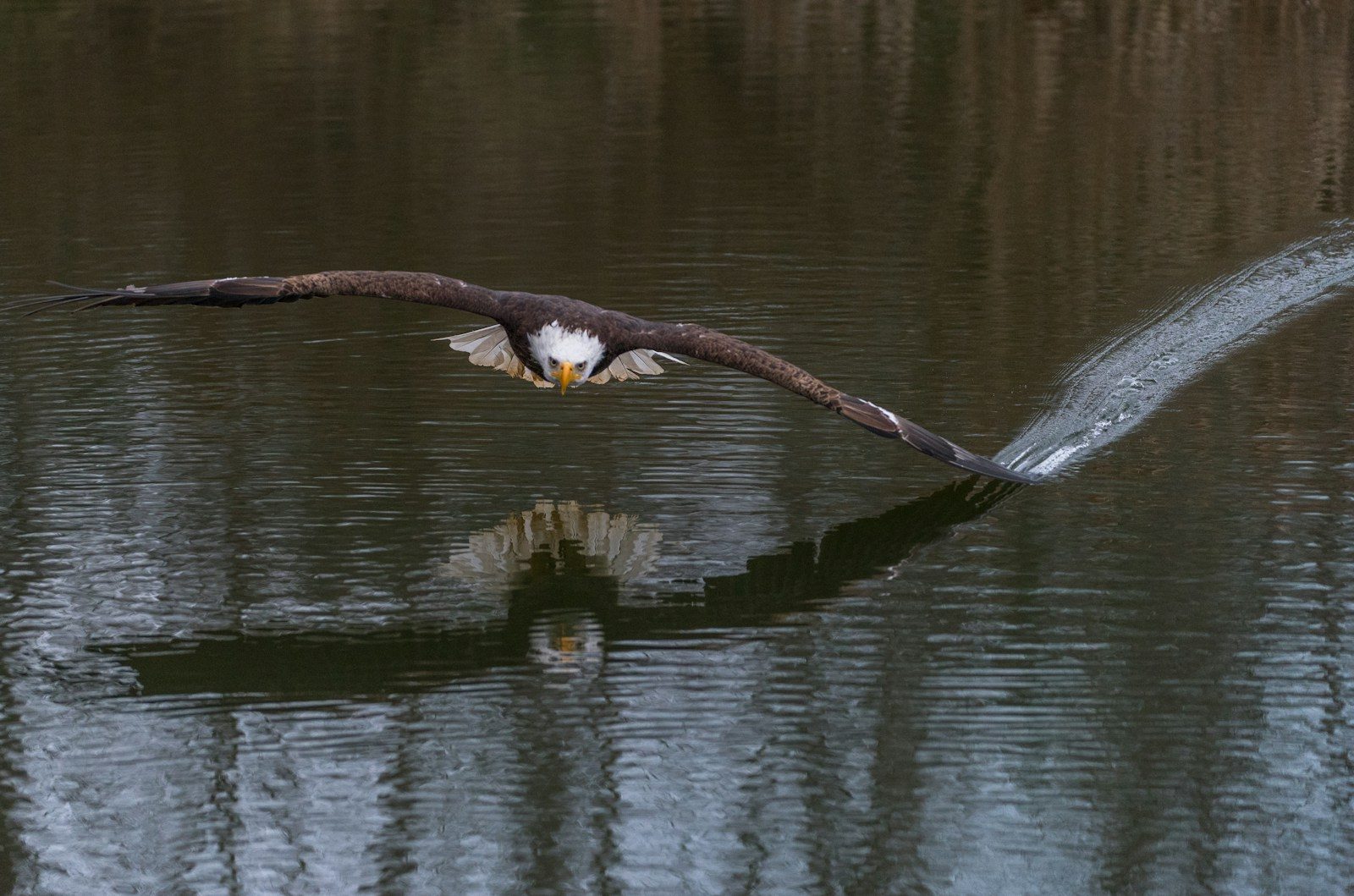
A bald eagle does not always catch its own meal. These powerful raptors hunt fish, birds, and other prey, but they also scavenge and sometimes steal food captured by another animal. Biologists call that theft kleptoparasitism. The behavior may look lazy on video, yet it is a well-documented feeding strategy that can save energy when another hunter has already done the difficult work.
Bald eagles are especially famous for harassing ospreys carrying fish. An eagle may chase the smaller raptor until it drops its catch, then dive after the falling fish. That does not mean bald eagles cannot hunt effectively themselves. Their feeding behavior is flexible, and the choice between hunting, scavenging, and stealing can change with age, season, opportunity, and the type of food available.
Bald Eagle Diet
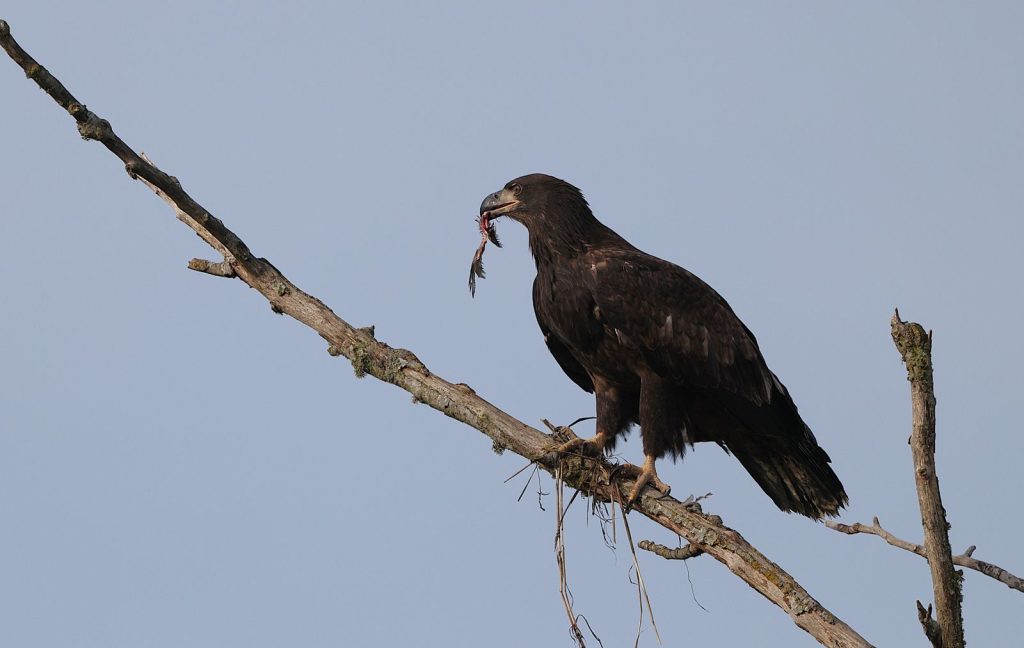
Bald eagles are opportunistic predators and scavengers rather than specialists that use only one feeding method. Fish are a major part of the diet in many regions, but eagles also take waterfowl, mammals, carrion, and other foods when available. University of Illinois Extension notes that bald eagles may feed on roadkill or animals killed by boats as well as live prey. This flexibility helps them exploit whatever source offers a reasonable balance between food gained and energy spent obtaining it.
Osprey Fish Theft
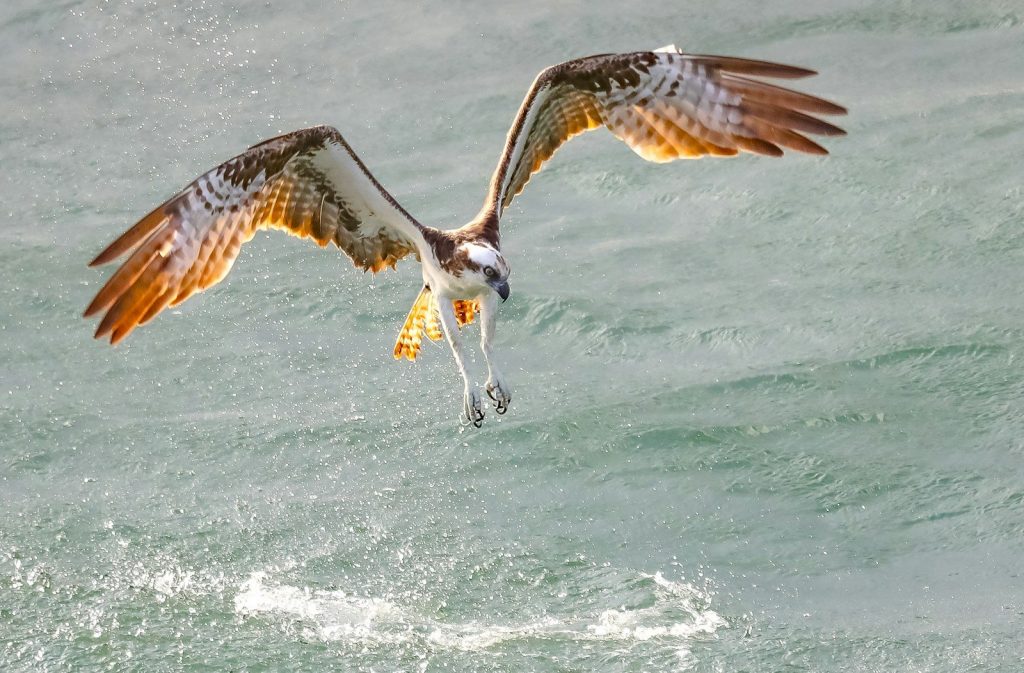
Ospreys are frequent targets because they are skilled fish hunters and often carry freshly caught fish in exposed flight. A bald eagle can pursue an osprey and pressure it until the smaller bird releases the fish. Wildlife rehabilitation organizations and photographers have repeatedly documented this behavior. The eagle may then seize the falling catch before it reaches the water. For the osprey, losing a fish means another hunting trip. For the eagle, successful theft can provide a meal without the original plunge into the water.
Kleptoparasitism
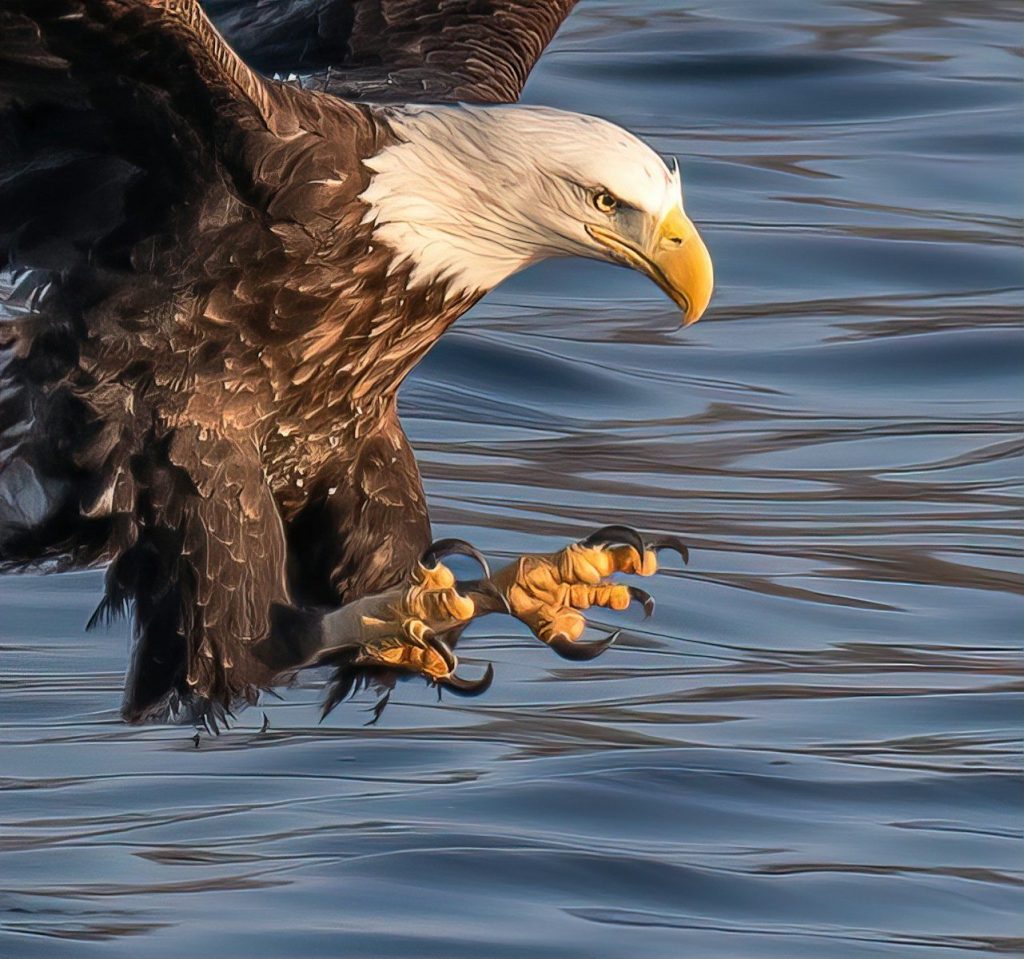
The scientific term for stealing food captured by another animal is kleptoparasitism. Bald eagles are well-known practitioners, and studies have documented them taking prey from other raptors. In coastal British Columbia, researchers examined bald eagles stealing dunlins from peregrine falcons and found that peregrines increased their kill rate when kleptoparasites were common. That shows the behavior can affect more than the thief and victim during one chase. Repeated food theft can alter how much hunting another predator must do locally.
Aerial Pursuit
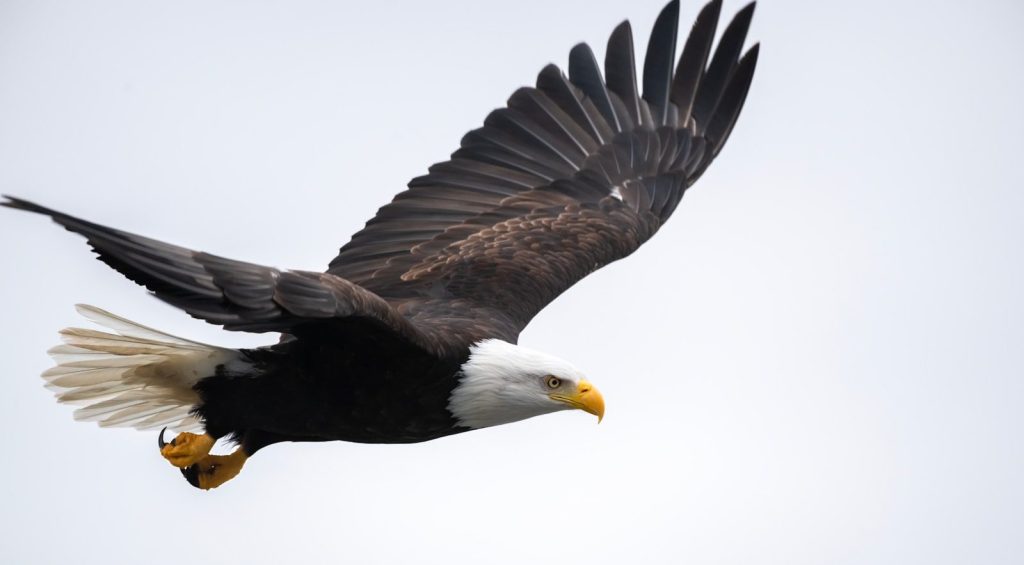
Aerial theft can become a demanding chase rather than a simple snatch. The eagle must approach, maneuver around the other bird, maintain control in flight, and respond when prey is dropped. Ospreys may twist, climb, or accelerate while trying to keep their fish. Even when the eagle wins, the process costs energy and carries some risk of collision or injury. Kleptoparasitism therefore is not automatically effortless. It becomes worthwhile when the expected food reward outweighs the costs of continued pursuit.
Scavenging Strategy
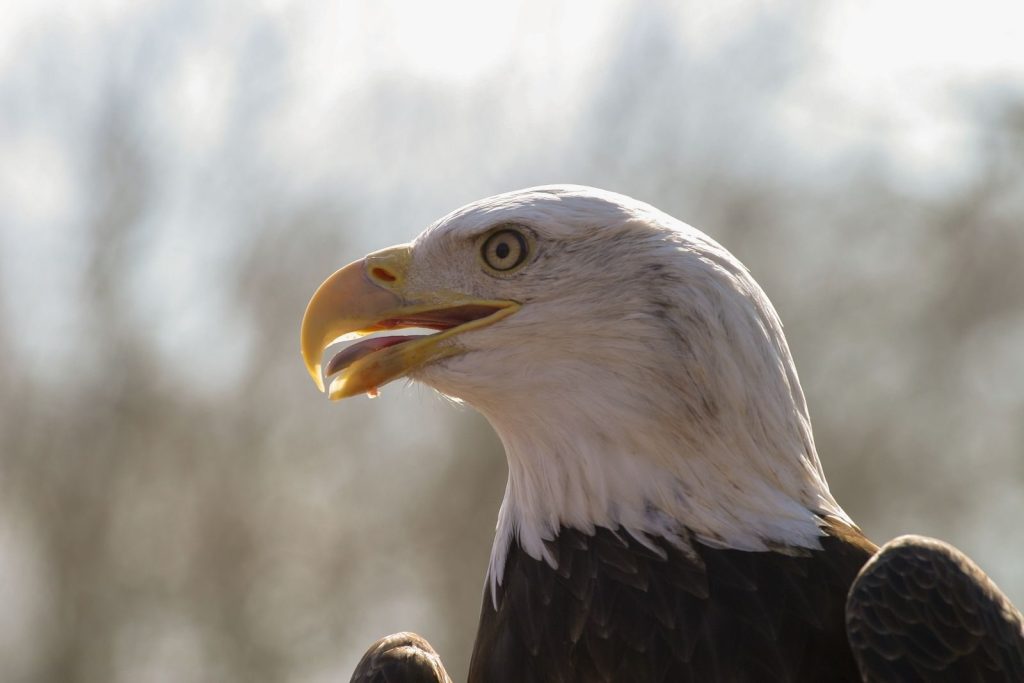
Bald eagles also make extensive use of carrion, especially when dead animals are easy to access. Wintering eagles may gather around fish remains, roadkill, or carcasses, and competition can be intense at concentrated food sources. Scavenging is a sensible strategy because the animal avoids the energetic cost and injury risk of subduing live prey. It also explains why the national symbol is sometimes seen eating food that people associate more strongly with vultures. Ecologically, scavenging is simply another way of obtaining calories.
Age Differences
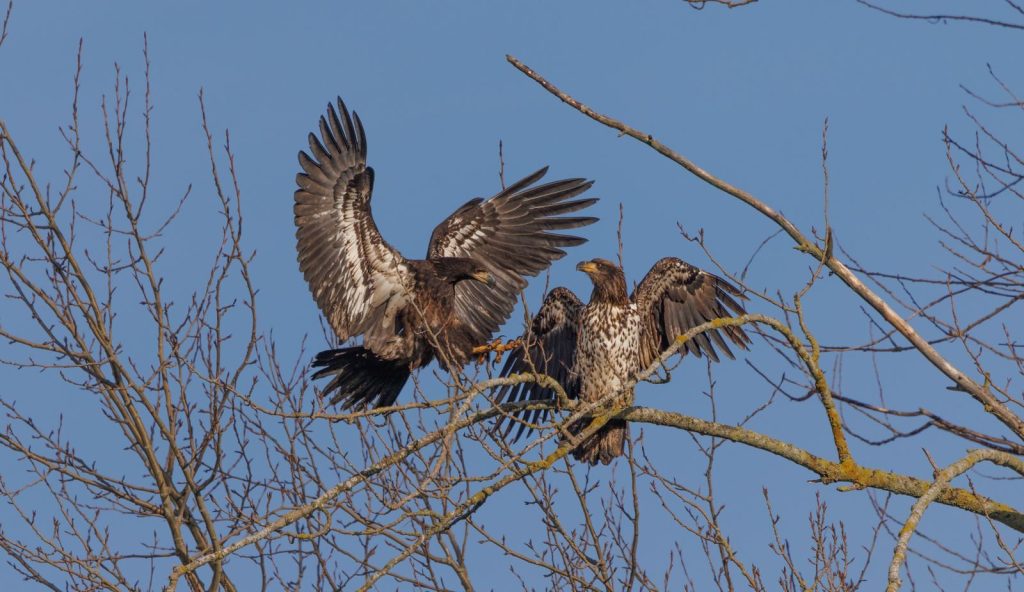
Age can influence how bald eagles feed. Younger eagles have less hunting experience and may rely more heavily on scavenging or opportunistic food than skilled adults, although individuals vary and both age groups can use multiple strategies. Learning to capture live fish requires timing, approach, and talon control. Stealing or scavenging can provide food while those skills develop. The difference should not be exaggerated into a rule that young eagles never hunt or adults never steal, because flexible feeding remains part of the species.
Energy Economics
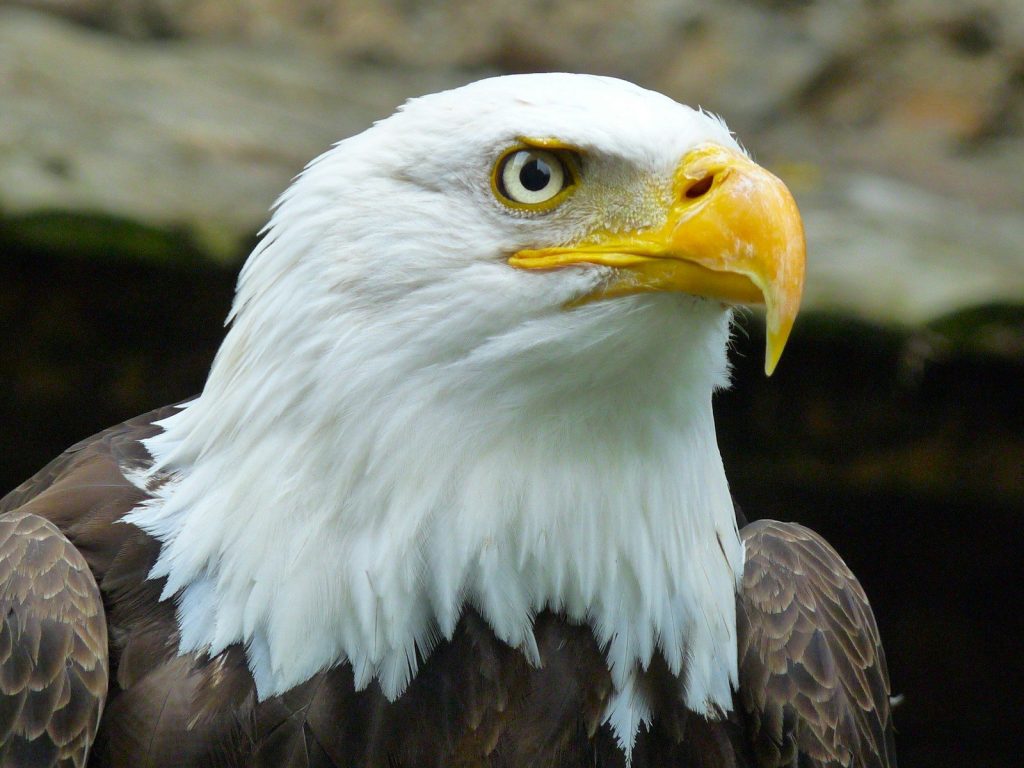
From an energy perspective, food theft can make sense whenever the potential payoff is high enough. Catching a fish requires searching, positioning, diving, gripping slippery prey, and lifting it from the water. If another bird has already completed most of those steps, taking its catch can be profitable. Ecologists see kleptoparasitism across many bird groups for the same basic reason. Natural selection does not reward fairness. It favors feeding strategies that improve survival and reproduction under the conditions an animal faces.
Eagles Hunt Too
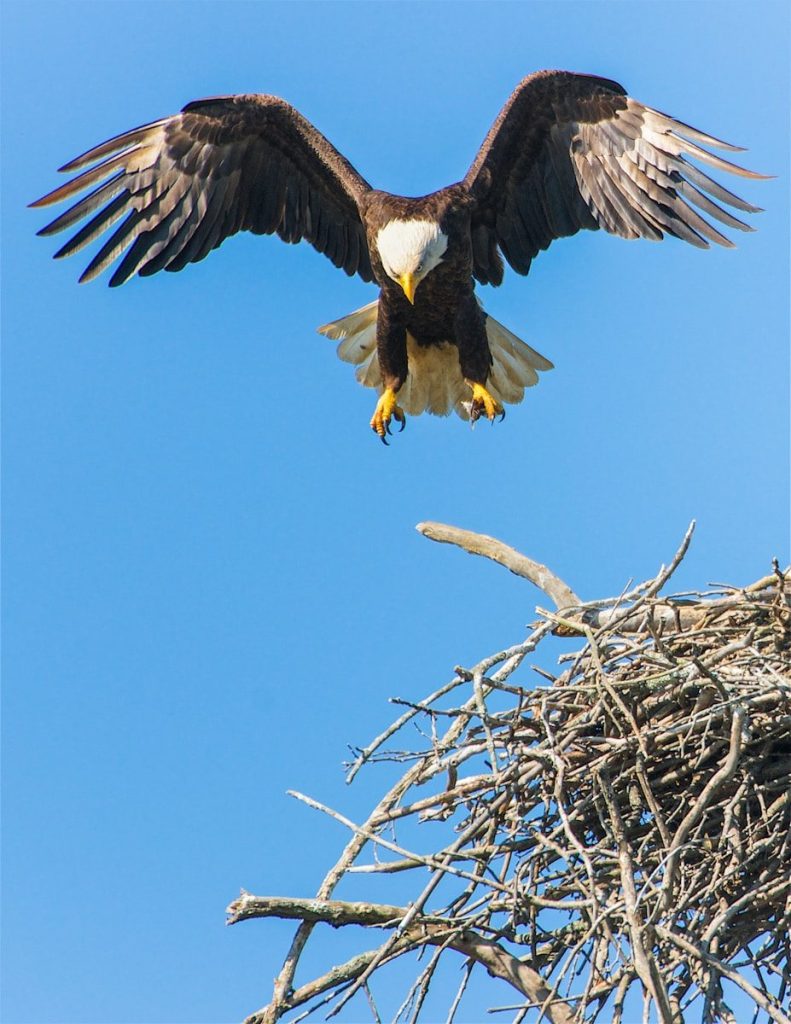
The important correction is that stealing does not replace hunting in bald eagles. They are capable predators that can catch fish and other live prey, while also scavenging or pirating food when opportunities arise. A viral clip of an eagle taking another bird’s meal shows one part of a broad feeding repertoire, not proof that the species prefers theft every time. That flexibility is one reason bald eagles can thrive across very different habitats and seasonal food conditions throughout North America.
Featured Image: Photo by Richard Lee on Unsplash