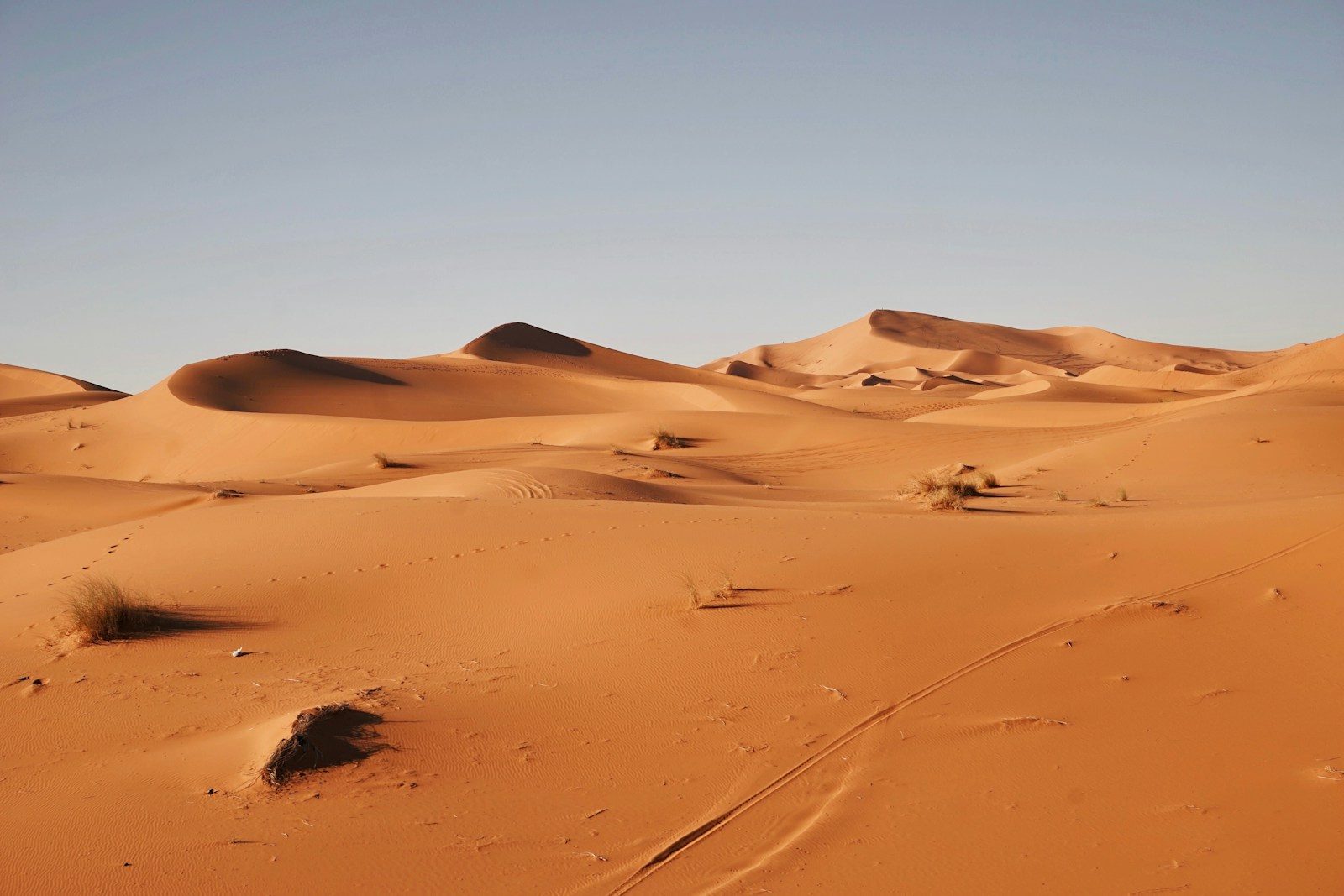
The Sahara is often pictured as empty sand, yet this vast desert supports wildlife adapted to punishing heat, scarce water, cold nights, and widely scattered food. Survival depends on conserving moisture, avoiding daytime temperatures, moving efficiently across loose ground, and finding enough food in landscapes that can appear almost lifeless.
These animals do not simply endure the Sahara by chance. Their bodies and behavior reduce heat stress, water loss, or exposure to predators. Some shelter underground during the day, others obtain moisture from food, and several possess specialized feet, coats, ears, or body surfaces suited to extreme desert environmental conditions.
Fennec Fox
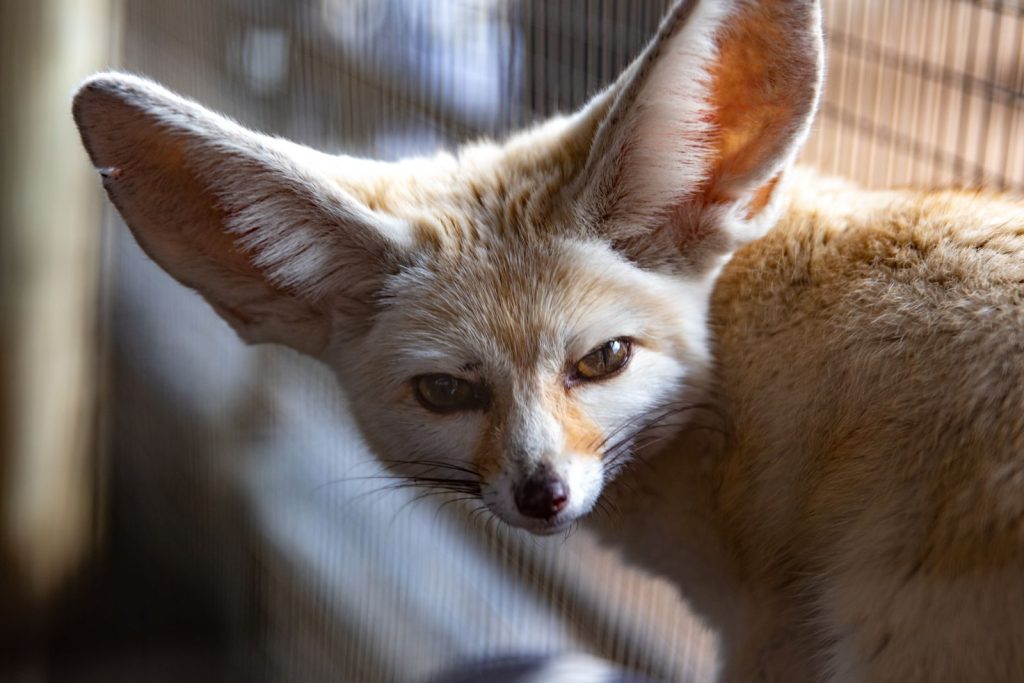
Fennec foxes live throughout much of the Sahara and are built for extreme desert conditions. Their oversized ears help release heat and also detect prey moving beneath sand. Thick fur on their feet provides traction and protects against hot surfaces. Because they are nocturnal, fennecs spend the hottest part of the day inside burrows and hunt after sunset. Their diet includes insects, rodents, lizards, birds, eggs, roots, fruits, and leaves, which can also provide moisture.
Sand Cat
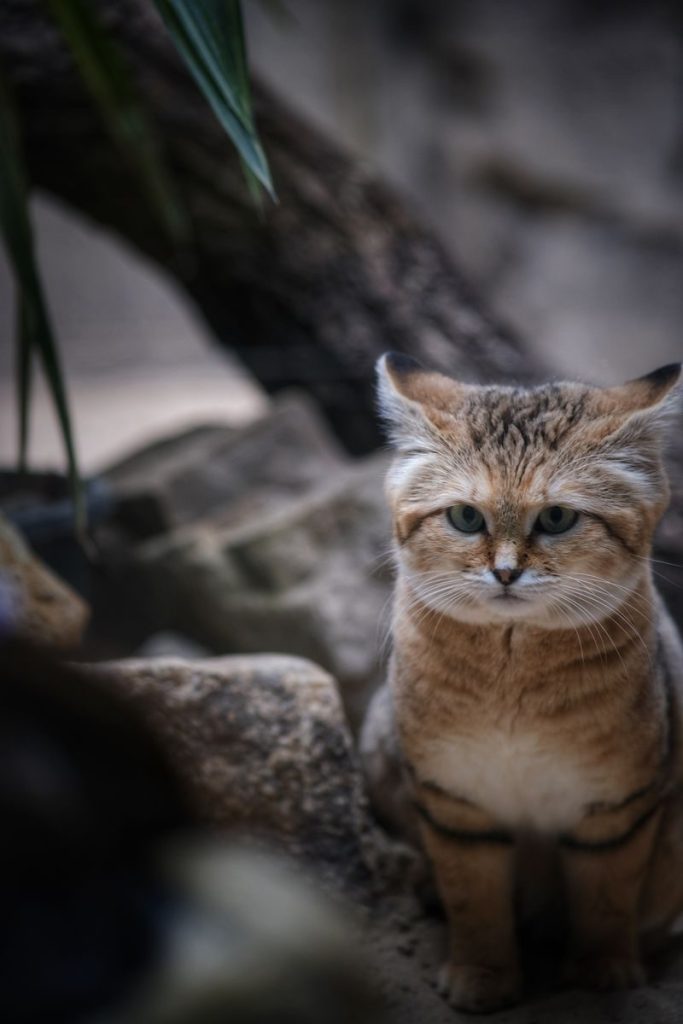
Sand cats inhabit parts of the northern Sahara and other deserts across Arabia and Central Asia. Their dense coats help insulate them against hot days and cold nights, while broad, fur-covered paws protect them from hot sand and improve movement over loose ground. They retreat to burrows when temperatures become extreme. Sand cats can obtain much of their moisture from prey and hunt rodents, birds, insects, reptiles, and even venomous snakes.
Addax
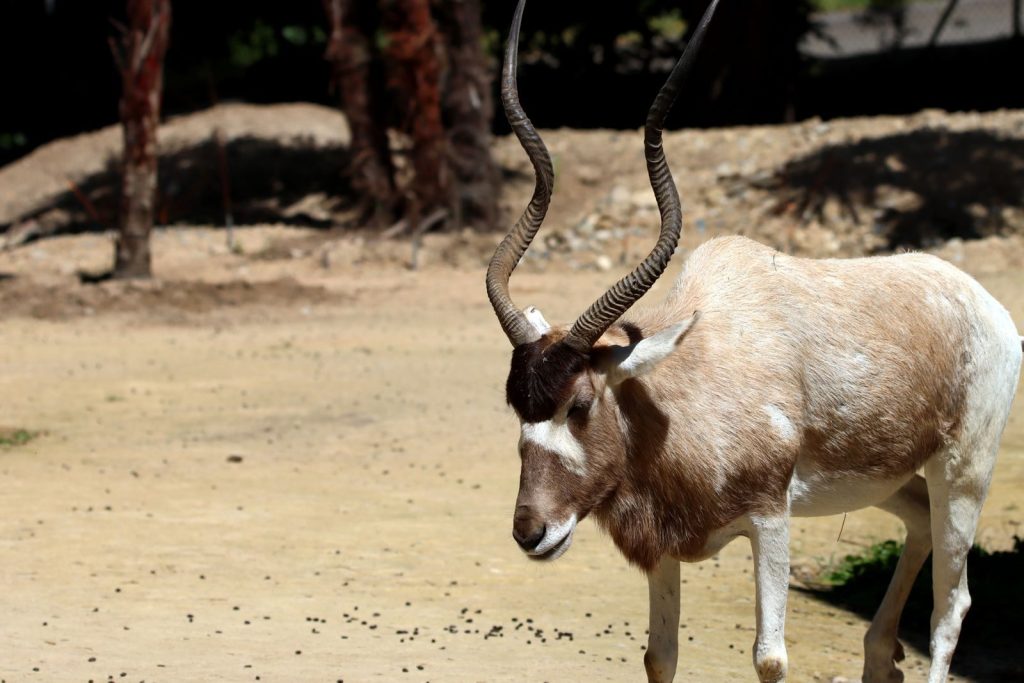
The addax is a desert antelope strongly associated with the Sahara and Sahelo-Saharan region. Its pale coat reflects sunlight, while broad hooves help it travel across soft sand. Addax can survive for long periods without drinking free water because they obtain moisture from vegetation. They also reduce heat exposure through their activity patterns. Despite these adaptations, wild addax remain under severe pressure, which is why conservation and reintroduction work continues across parts of North Africa.
Slender-Horned Gazelle
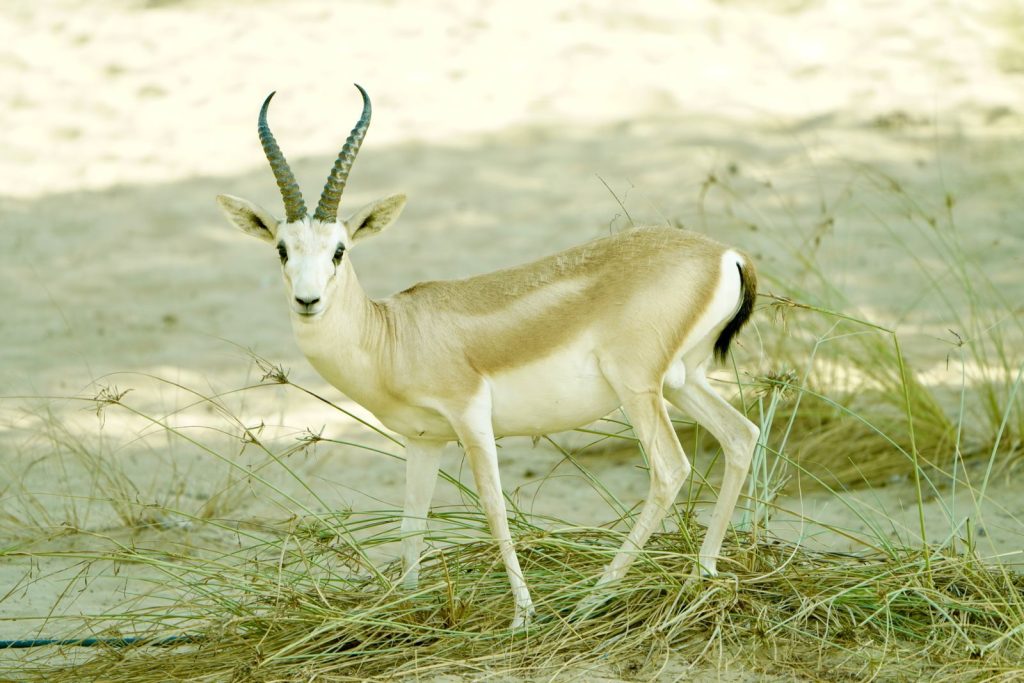
The slender-horned gazelle is one of the Sahara’s specialized desert antelopes. It occurs in sandy landscapes, including Tunisia’s Grand Erg Oriental, where researchers use tracks, camera traps, and field surveys to locate remaining animals. Its pale coloration and light build suit open desert conditions, while its diet allows it to obtain water from plants. Conservation work focuses on protecting habitat and understanding where surviving populations still move across remote desert areas.
Dorcas Gazelle
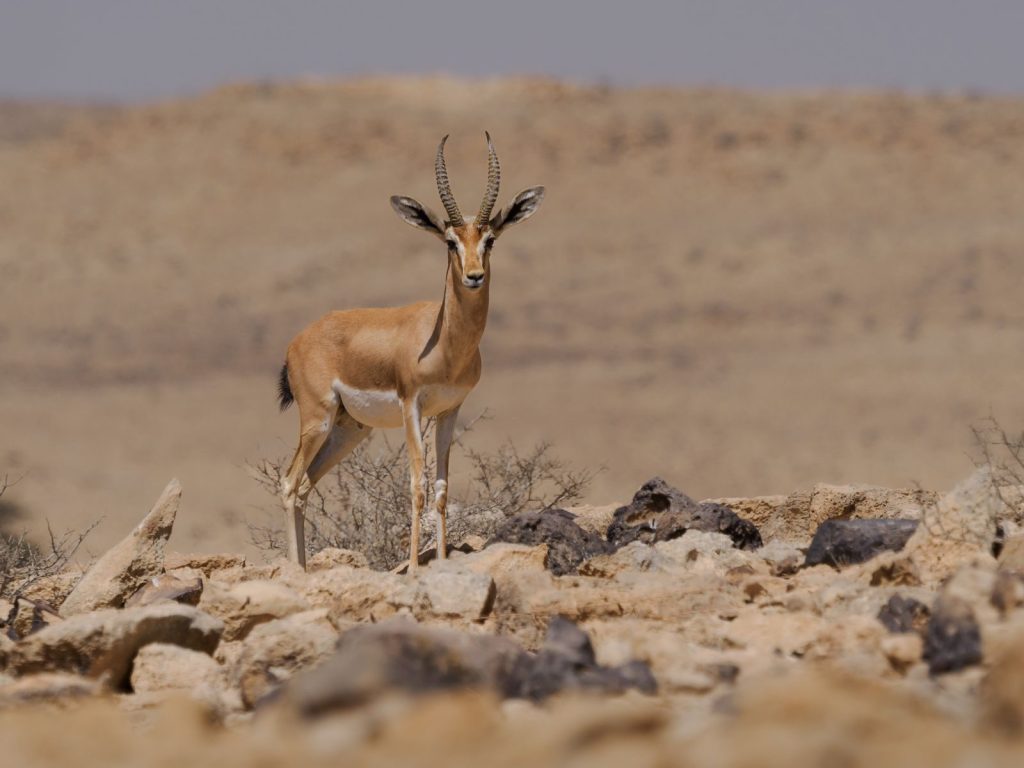
Dorcas gazelles occupy deserts and semi-deserts across North Africa and parts of the Middle East. They browse shrubs, leaves, flowers, and other vegetation and can meet much of their water requirement through food. Their relatively small body size and agility help them move efficiently across arid landscapes. In Tunisia, researchers monitor dorcas gazelles alongside other Sahelo-Saharan wildlife, providing information on activity patterns, habitat use, and the pressures facing desert ungulates.
North African Ostrich
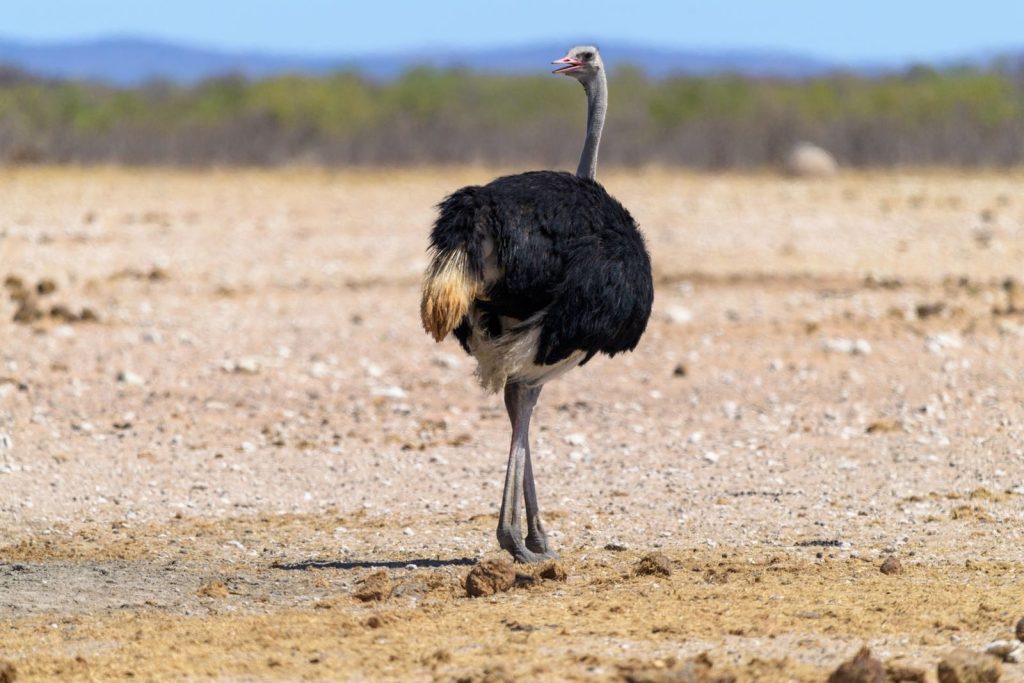
The North African ostrich once ranged widely across Saharan and Sahelian landscapes but disappeared from many areas because of hunting and other pressures. Conservation programs in Tunisia have reintroduced and monitored populations inside protected areas. As a large flightless bird, the ostrich relies on powerful legs for movement and escape rather than flight. Restoring it is part of broader efforts to rebuild arid-land ecosystems containing native antelopes, gazelles, predators, and desert vegetation.
Saharan Silver Ant
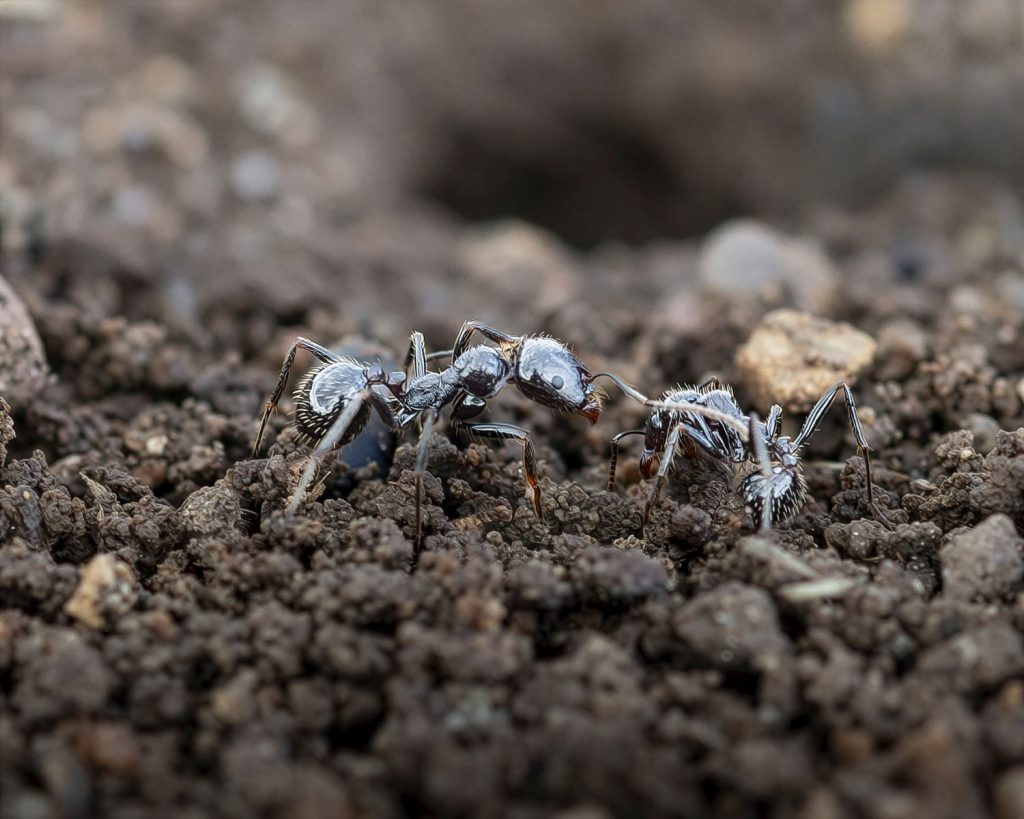
Saharan silver ants survive surface temperatures that would quickly overwhelm many animals. Their distinctive silvery appearance comes from dense triangular hairs. Research published in Science showed that these hairs increase reflection of incoming light and also help the ants release body heat. The ants can therefore forage during extremely hot periods when many predators are inactive. Their brief trips across scorching ground demonstrate one of the Sahara’s most unusual solutions to thermal stress.
Northwest African Cheetah
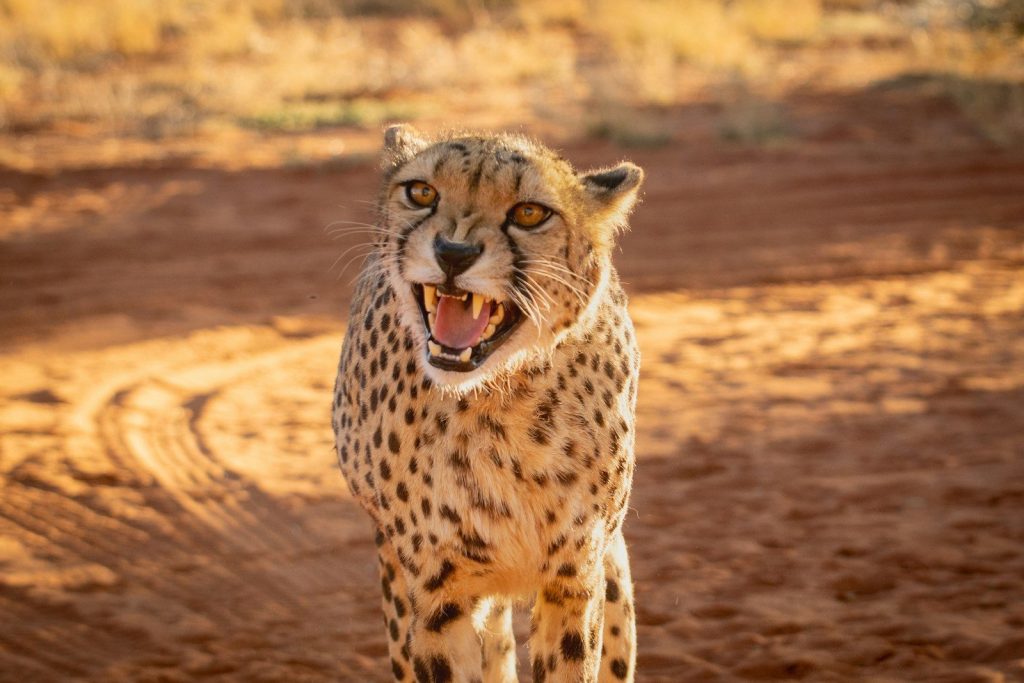
The Northwest African cheetah, often called the Saharan cheetah, persists in some extremely arid landscapes of North and West Africa. Unlike the better-known cheetahs of open savannas, these cats can range across vast desert and semi-desert areas where prey is sparse. Their survival depends on access to animals such as gazelles and other medium-sized prey. Low population density and enormous ranges make them difficult to study and especially challenging to conserve.
Featured Image: Photo by Andrzej Kryszpiniuk on Unsplash