Not every insect chewing, crawling, or hovering around your garden is a pest. Many insects protect plants by eating aphids, mites, caterpillars, thrips, and other herbivores, while some also pollinate flowers. Killing insects indiscriminately can remove the very predators and parasitoids that help keep damaging species below levels where gardeners feel forced to intervene with pesticides throughout the growing season.
The seven insects below are worth learning to recognize because each can provide a useful garden service. Some are hunters as adults, some do most of their pest control as larvae, and parasitoid wasps use a completely different strategy. A diverse garden with flowers, shelter, and limited pesticide use gives these natural enemies a better chance to remain and work.
Lady Beetles

Lady beetles are among the best-known beneficial insects, but the larvae often surprise gardeners because they look nothing like the familiar round adults. Both stages of many species feed on aphids and other soft-bodied insects. University of Minnesota Extension notes that lady beetles can suppress aphids, scales, mites, and related pests in gardens and crops. Their presence does not mean every plant will become pest-free. Instead, they are part of a larger community of natural enemies that can slow pest population growth without chemical treatment.
Green Lacewings
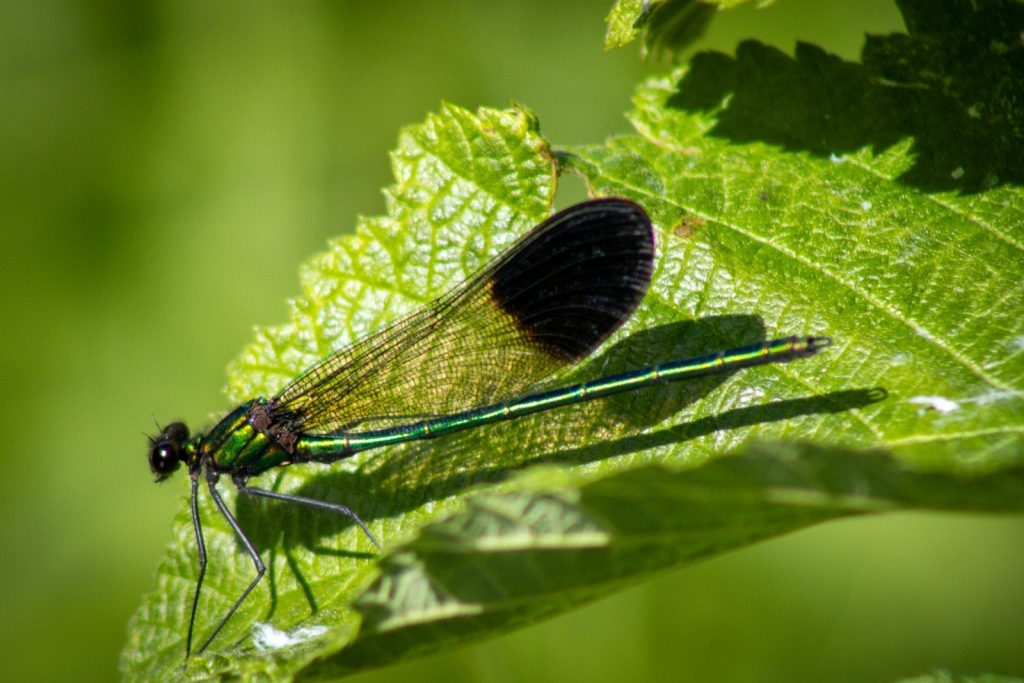
Green lacewing larvae are small predators sometimes nicknamed aphid lions because they attack soft-bodied prey so actively. They use curved mouthparts to seize insects such as aphids, while adults of many species feed more heavily on nectar, pollen, or honeydew. Extension specialists list lacewings among important natural enemies in gardens and protected crops. Because the helpful larval stage looks very different from the delicate winged adult, gardeners can accidentally kill it if they assume every unfamiliar crawling insect on a leaf is feeding on the plant.
Hoverflies
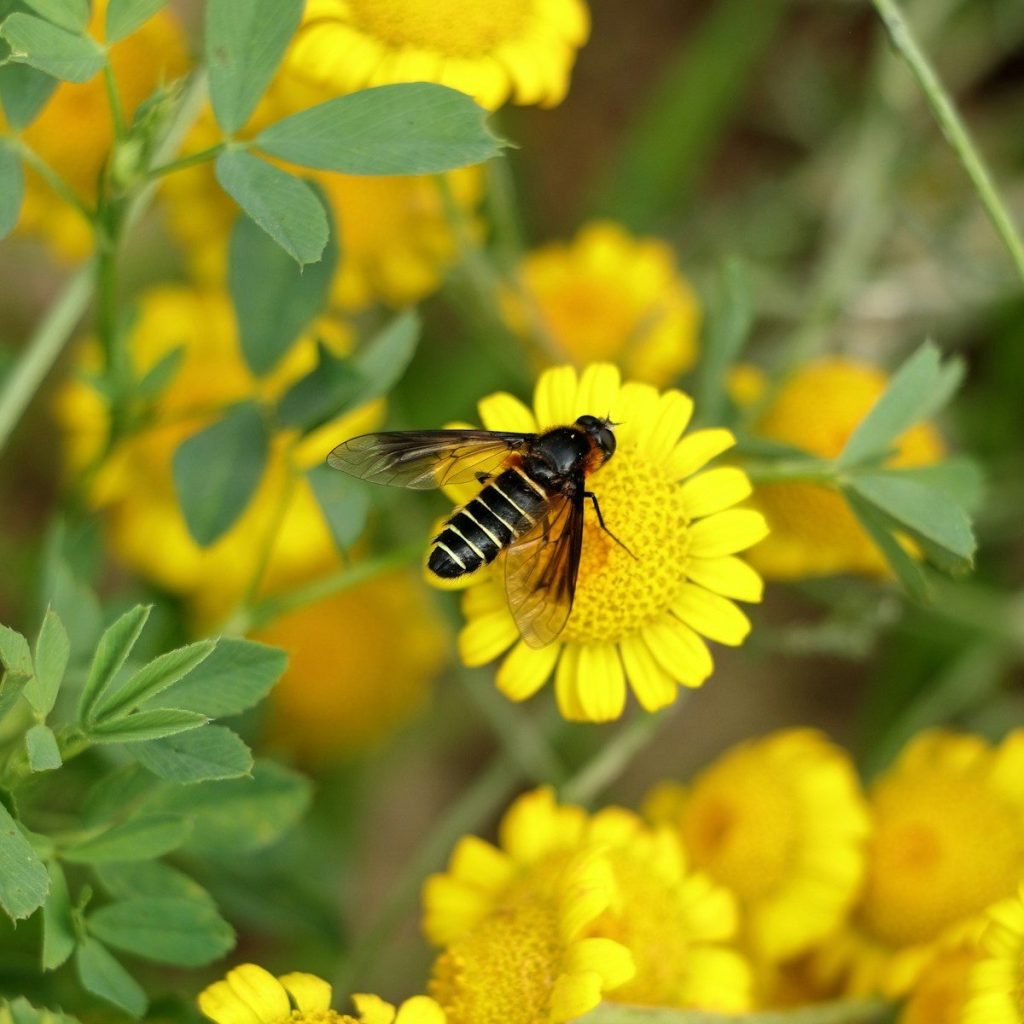
Hoverflies, also called syrphid flies, often resemble small bees but have only one pair of wings. Adults visit flowers for nectar and pollen, making them useful pollinators, while the larvae of many species hunt aphids. Oregon State University Extension describes this split diet clearly: adults feed at flowers, but predatory larvae consume garden pests. That makes hoverflies valuable in two different ways during one life cycle. Planting accessible flowers can feed the adults while their offspring patrol stems and leaves for soft-bodied insects.
Ground Beetles
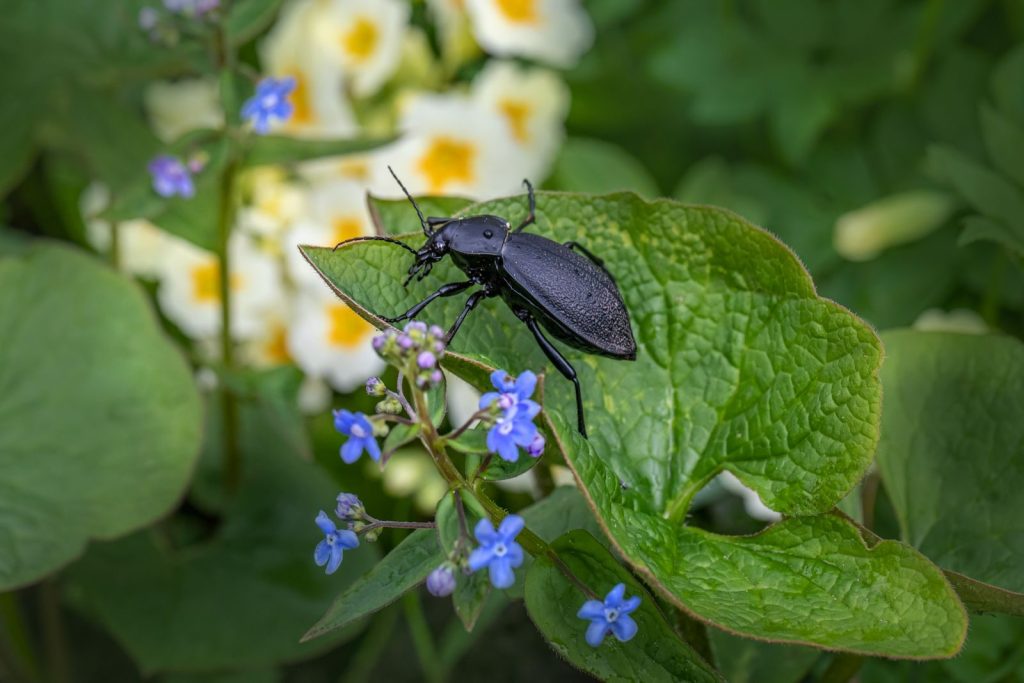
Ground beetles spend much of their time where gardeners may never notice them: under leaves, stones, logs, mulch, and soil debris. University of Minnesota Extension describes them as beneficial outdoor predators that eat other insects and invertebrates. Many are active at night, so daytime gardeners may underestimate how much hunting happens after dark. Ground beetles do not damage plants, clothing, or stored food when outdoors. Leaving some sheltered ground habitat can support these predators, while broad insecticide use may remove them along with the pests gardeners intended to control.
Pirate Bugs
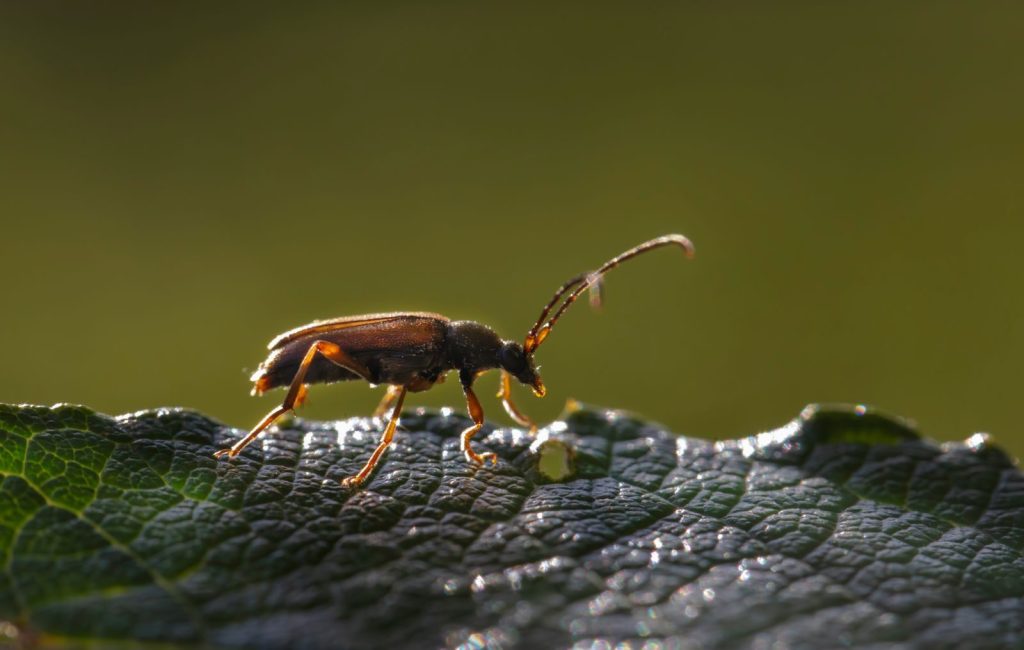
Minute pirate bugs are tiny predators with piercing mouthparts used to attack other small arthropods. University of Minnesota Extension lists thrips, mites, aphids, and other soft-bodied insects among their prey. They can also feed on pollen or nectar when prey is scarce, so flowering plants help support them through changing garden conditions. Their size makes them easy to miss, yet they can be active hunters on flowers and foliage. As with many beneficial insects, conserving resident populations is usually more practical outdoors than buying and releasing large numbers.
Parasitoid Wasps
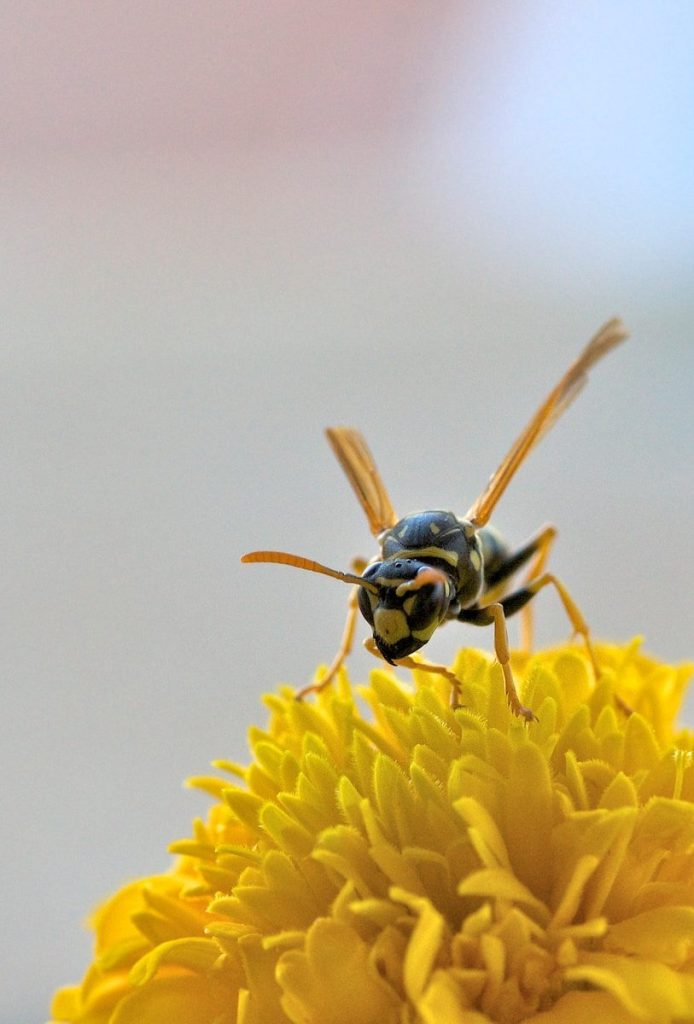
Parasitoid wasps use a strategy very different from ordinary predators. A female lays eggs on or inside a host, and the developing young eventually kill that host. Different species attack aphids, caterpillars, scales, whiteflies, and many other garden pests. Most parasitoid wasps are tiny and have little interest in stinging people. Oregon State University Extension notes that some home-garden species target thrips, mites, scales, and other insects. Flowers with accessible nectar can help feed adults while their offspring develop inside pest hosts.
Soldier Beetles
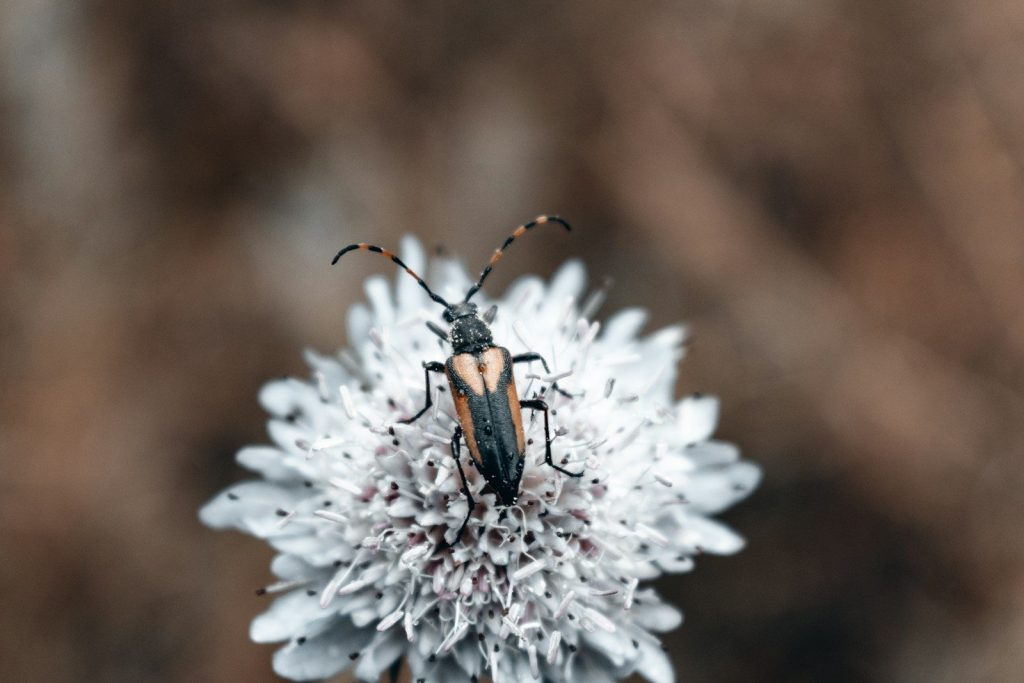
Soldier beetles are frequent flower visitors that many gardeners mistake for pests because they resemble softer-bodied relatives of fireflies. University of Minnesota Extension describes them as beneficial insects that feed mainly on pollen and nectar as adults and contribute to pollination. Their larvae live in soil or leaf litter and can feed on other small invertebrates. Soldier beetles do not damage garden flowers simply by visiting them. Seeing several on late-summer blooms is usually a reason to leave them alone rather than reach immediately for an insecticide.
Helpful Habitat
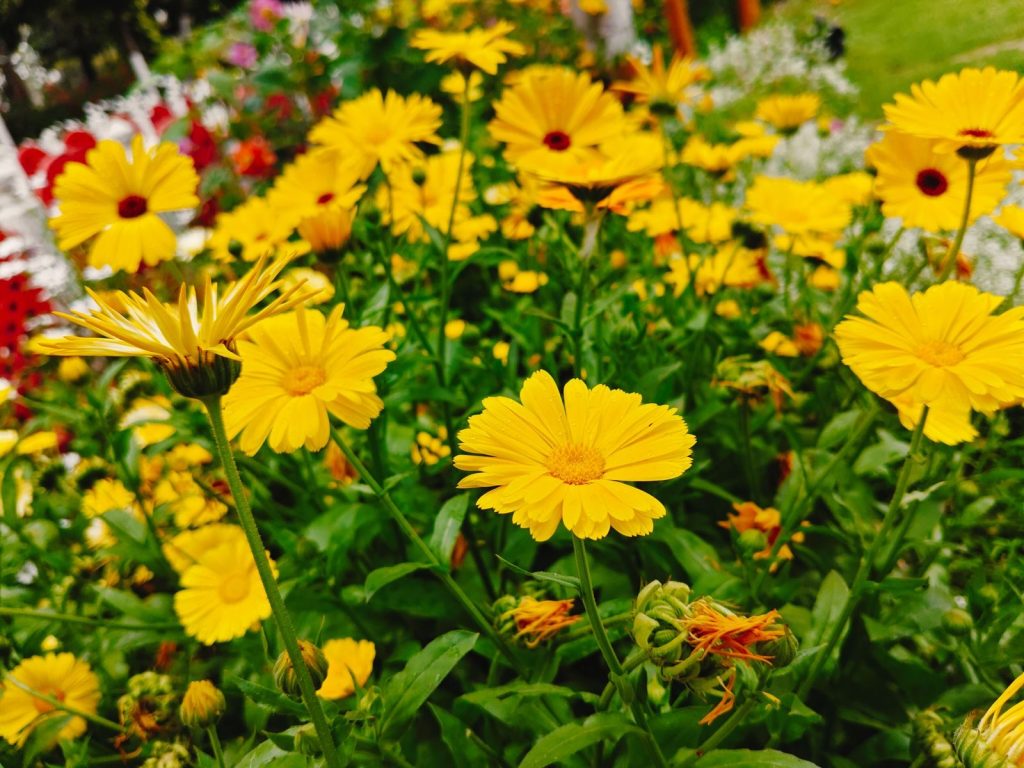
Beneficial insects need habitat as much as they need prey. Oregon State University Extension recommends planting a diversity of flowers, including species with different bloom times and simple flower shapes, while leaving some garden areas a little messy for shelter. Reducing broad-spectrum pesticide use is equally important because those products can kill predators and parasitoids along with target pests. A garden that tolerates small numbers of aphids and other prey can support natural enemies, creating a more stable food web instead of demanding complete insect elimination.
Featured Image: Photo by Ruslan Sikunov on Unsplash