Honey badgers have become internet symbols of fearlessness, famous for confronting snakes, raiding beehives, and standing their ground against animals much larger than themselves. But saying one is “too angry to understand fear” turns bold defensive behavior into a human personality trait. There is no scientific evidence that honey badgers lack fear. What researchers can describe is an unusually tough, adaptable carnivore with several defenses that make retreat less necessary in some encounters.
Those defenses include loose skin, strong claws, powerful jaws, scent glands, threat displays, and some molecular resistance to certain snake neurotoxins. None makes a honey badger invincible. Lions, leopards, and spotted hyenas can kill them, particularly vulnerable individuals. Their reputation comes from how effectively a relatively small mustelid can resist attack and exploit risky food sources, not from an animal literally being unable to recognize danger.
Honey Badger
The honey badger, or ratel, is a mustelid related to otters, weasels, and other badgers. It occurs across parts of Africa and southwestern Asia and eats an extraordinarily broad diet, including rodents, insects, reptiles, birds, eggs, fruit, and food taken from bee colonies. Animal Diversity Web describes it as an opportunistic predator with strong digging ability and a willingness to defend itself. That flexibility helps explain its reputation. A honey badger does not need to specialize on one safe food when it can exploit many difficult or defended resources.
Loose Skin

One of the honey badger’s most useful defenses is its thick, loose skin. Animal Diversity Web notes that this can make the animal difficult for large predators to grasp securely. Loose skin also allows a badger caught from behind to twist its body and continue fighting rather than becoming completely immobilized. This should not be exaggerated into armor that teeth cannot penetrate. Lions, leopards, and hyenas can still kill honey badgers. The skin simply increases the difficulty and risk of holding such a determined, muscular animal during a close struggle.
Strong Claws
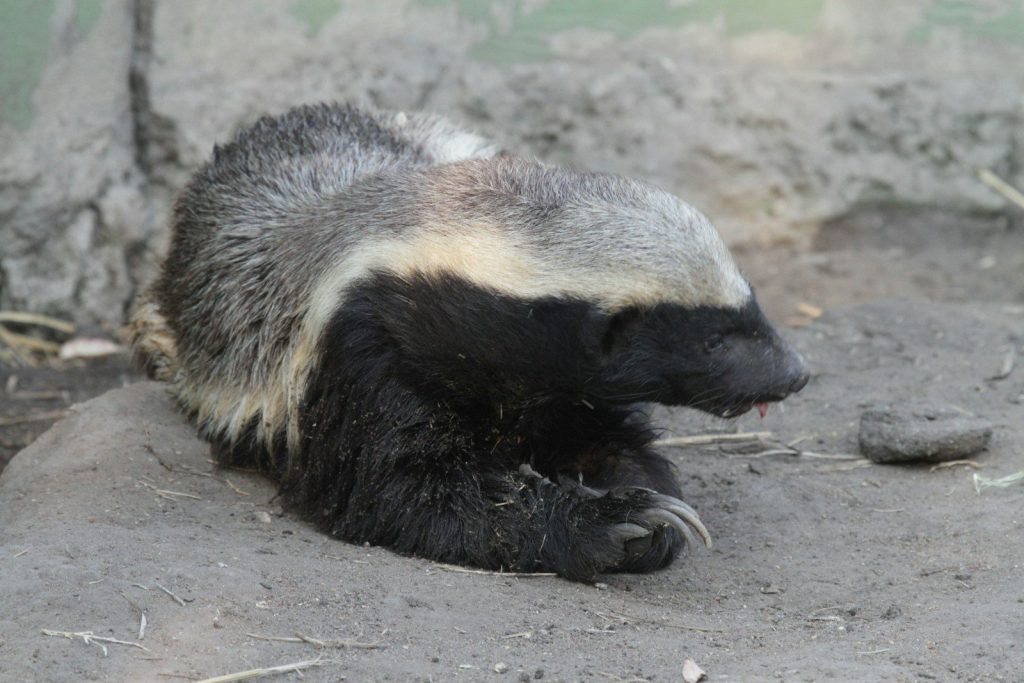
Honey badgers have long, powerful front claws suited to digging. They use them to excavate burrows, uncover prey, tear into insect nests, and reach food hidden beneath soil or hard surfaces. Those same claws can contribute to defense at close range. Their body shape supports a low, sturdy stance that makes them difficult to knock aside. The claws are not evidence of constant aggression; they are multipurpose tools shaped mainly by a digging lifestyle. Their defensive value becomes important only when the animal is threatened or physically engaged.
Threat Display

When threatened, honey badgers can make themselves difficult to ignore. Animal Diversity Web describes a display in which the hair rises, the tail is held erect, loud rattling sounds are produced, and the animal may charge. It can also release a strong-smelling secretion from enlarged anal glands. These behaviors communicate that continuing an attack may be costly. A predator does not need to believe the badger is fearless. It only needs to decide that an injured eye, painful bite, or prolonged struggle is not worth the meal.
Snake Venom
Honey badgers are famous for surviving encounters with venomous snakes, and research supports resistance to some snake neurotoxins. A 2015 study found amino-acid changes in the honey badger’s nicotinic acetylcholine receptor that can reduce binding by certain alpha-neurotoxins. That is not universal immunity to every venom. Snake venoms contain many different toxins, and dose still matters. The accurate claim is that honey badgers have evolved molecular resistance relevant to some neurotoxic snake venoms, helping them exploit prey that would be far more dangerous to many mammals.
Bee Raids
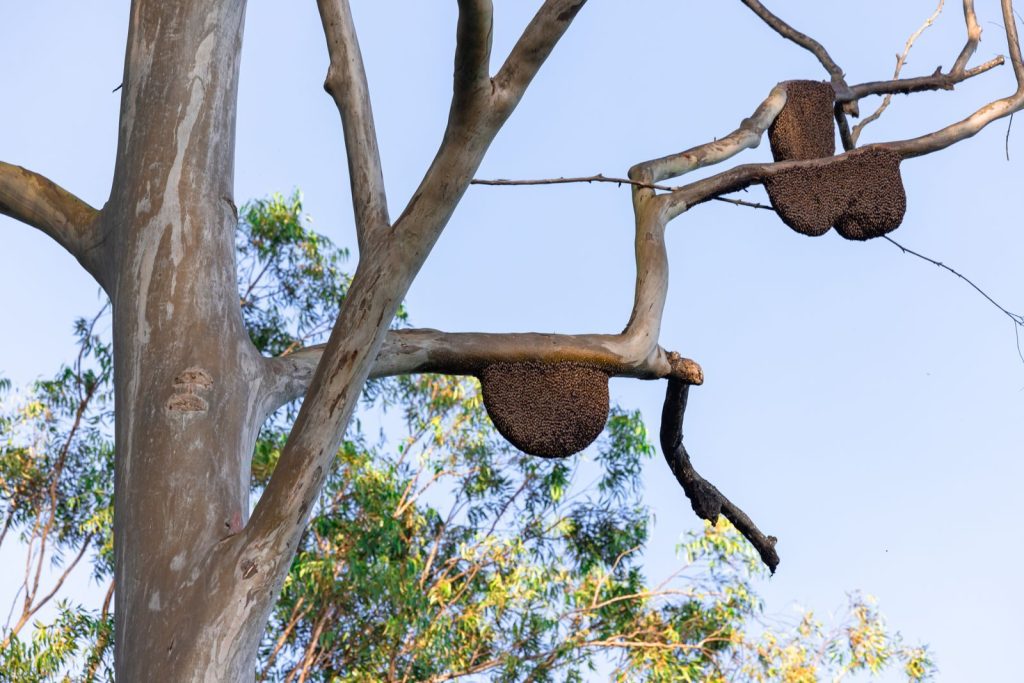
The name honey badger comes from its habit of raiding bee colonies, but honey itself is only part of the reward. Badgers can dig into nests to eat bee brood, larvae, pupae, wax, and honey. Their thick skin and hair provide some protection from stings, though they are not completely unaffected. This feeding behavior reinforces the animal’s tough reputation because it involves deliberately entering a heavily defended food source. From the badger’s perspective, however, the calculation is nutritional: a bee nest contains concentrated food worth working to reach.
Larger Predators

Honey badgers do have predators. Animal Diversity Web lists lions, leopards, and spotted hyenas among animals known to kill them, particularly older or weaker individuals. That fact is important because viral descriptions often treat the species as biologically unstoppable. A honey badger’s defenses may discourage many attacks, but they cannot erase differences in size and power. Survival depends on choosing when to fight, when to threaten, when to use cover, and when to escape. Boldness is useful only when it does not become a fatal mistake.
Fearless Myth

Calling the honey badger fearless is memorable, but it oversimplifies animal behavior. Fear is an adaptive response that helps animals avoid injury, and there is no evidence that honey badgers are missing that system. Their apparent fearlessness is better explained by anatomy, defensive behavior, experience, and the confidence that comes from being difficult to subdue. A small carnivore that can twist inside loose skin, dig rapidly, bite hard, resist some venom, and threaten attackers has more options during danger than its size alone would suggest.
Featured Image: Photo by Vincent van Zalinge on Unsplash