Mythical creatures do not have single scientific origin stories. Legends change as they move between cultures, and many were shaped by imagination, symbolism, old texts, travelers’ tales, and genuine encounters with unfamiliar wildlife. Still, historians and natural-history museums have identified several plausible connections between real animals and famous monsters. Some links are strongly documented, while others are best treated as informed possibilities rather than proven beginnings.
Sailors could glimpse an animal briefly in bad weather, find a strange carcass on shore, or purchase a body part without ever seeing the living species. Those fragments left plenty of room for storytelling. Narwhal tusks became unicorn horns in European markets, giant squid fit kraken traditions, and long oarfish resemble sea serpents. The real animals are less supernatural than the legends, but often just as remarkable.
Manatee Mermaids

Manatees have one of the best-known links with mermaid stories. Smithsonian Ocean explains that sailors encountering sirenian mammals could interpret distant shapes through expectations about merfolk, especially after long voyages filled with stories about strange creatures. Christopher Columbus famously recorded seeing “mermaids” in the Caribbean in 1493, and historians generally identify the animals as manatees. Their rounded bodies and forelimbs do not look especially human at close range, but a brief surface view from a moving ship can produce a very different impression.
Dugong Mermaids
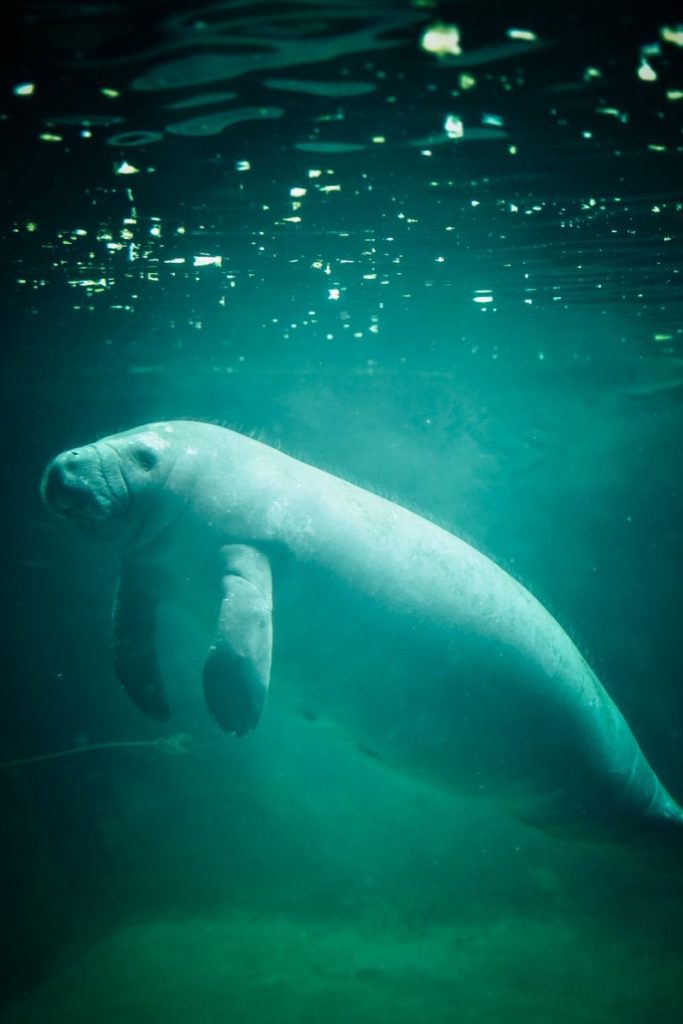
Dugongs belong to the same mammalian order as manatees, Sirenia, a name itself connected with the sirens of mythology. Smithsonian Ocean discusses dugongs alongside manatees when explaining how real marine mammals may have reinforced mermaid traditions. A dugong surfaces to breathe, has forelimbs, nurses its young, and can appear unexpectedly near boats in warm coastal waters. None of this proves that every mermaid tale came from a dugong. It does show why sailors unfamiliar with sirenians could fold genuine sightings into stories they already knew.
Narwhal Unicorns

Narwhal tusks created an especially direct bridge between a real animal and a mythical one. Smithsonian sources explain that during the Middle Ages, narwhal tusks reached European markets and were sold or displayed as unicorn horns. The long spiral structure fit artistic expectations so well that it became physical “evidence” for an animal Europeans had never seen alive. A narwhal tusk is actually an elongated tooth, usually associated with males. The trade shows how a genuine animal part can strengthen belief in a creature that never existed.
Giant Squid Kraken

The giant squid is one of the strongest natural candidates behind stories of enormous tentacled sea monsters. Natural History Museum experts note that large squid were rarely seen alive, while damaged or decomposing remains could wash ashore and invite imaginative explanations. Scandinavian kraken traditions grew in a world where the deep ocean was largely inaccessible. Giant squid can reach extraordinary lengths, but there is no evidence that they attack and sink ships. The myth enlarged real deep-sea anatomy into a much more destructive creature.
Oarfish Serpents

For sea-serpent stories, Natural History Museum experts put the oarfish near the top of the list of plausible real-world inspirations. Giant oarfish are long, ribbon-shaped, silvery fish with a red crest and can reach several meters in length. They normally live deep below the surface, so encounters are unusual and memorable. When distressed near the surface, their undulating movements can look especially serpentine. An unfamiliar sailor seeing part of such an animal between waves could easily describe something far more monstrous after returning to shore.
Guitarfish Merfolk

Not every supposed mermaid specimen began with a living animal sighting. Natural History Museum collections include the tradition of “Jenny Hanivers,” artificial creatures made by drying and reshaping rays or guitarfish into humanoid or dragon-like forms. These objects circulated in Europe from at least the early modern period and were displayed as curiosities. The real fish are flattened bottom dwellers with ordinary marine lives. Human hands transformed their bodies after death, creating physical objects that could reinforce belief in fantastical beings among people unfamiliar with the source animal.
Whale Sea Monsters
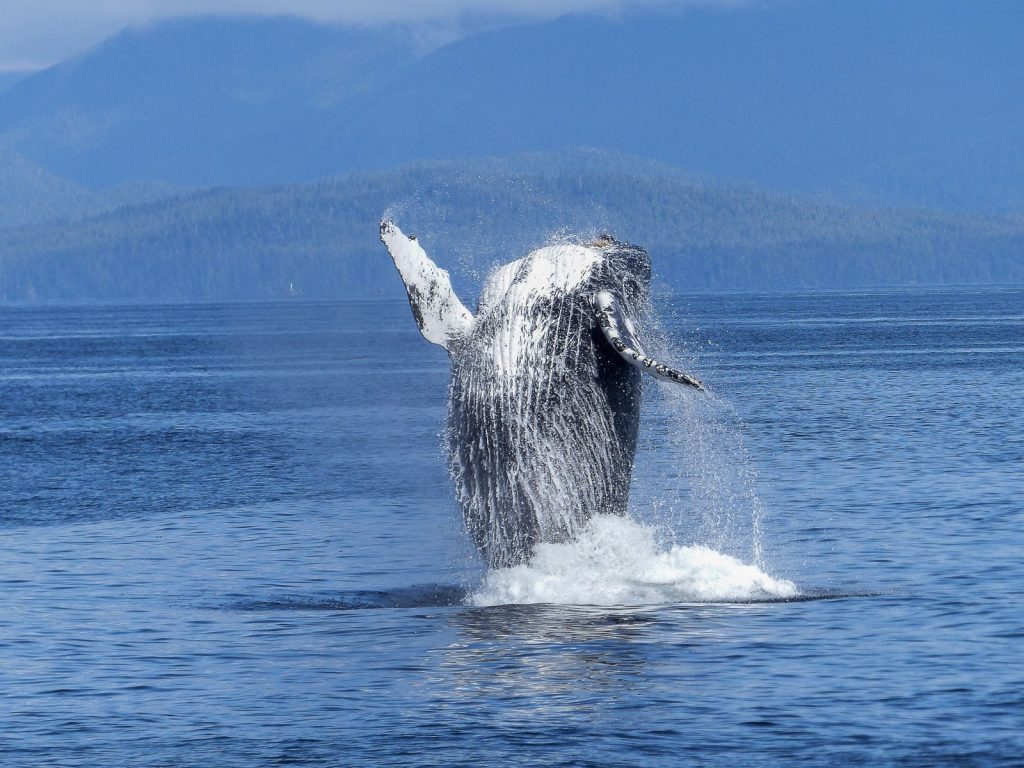
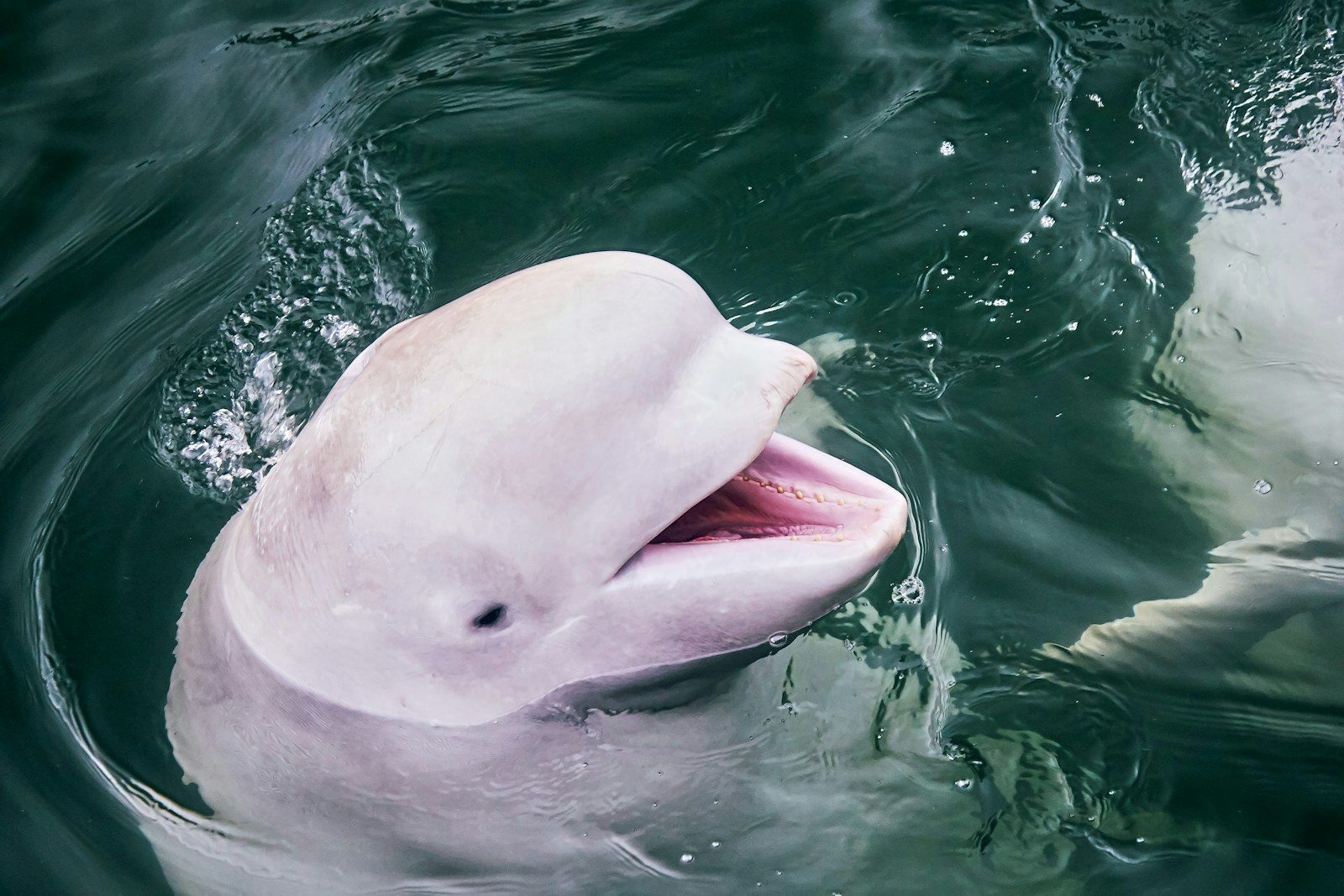
Some ancient sea-monster descriptions may preserve observations of real whale behavior. Natural History Museum reporting on recent research notes that old Norse and classical texts describe creatures whose feeding resembles what scientists now call trap feeding, in which whales remain near the surface with mouths open while prey enter. Researchers cannot prove that every old account described a whale, but the behavioral similarity is striking. A huge mouth appearing suddenly at the sea surface would have provided memorable raw material for stories about creatures capable of swallowing ships or sailors.
Elasmotherium Unicorn

The extinct rhinoceros Elasmotherium sibiricum is often called the Siberian unicorn because its skull suggests a large single horn once rose from the head. Natural History Museum research shows that the species survived until at least about 39,000 years ago, overlapping in time with modern humans. The museum has suggested that spectacular real animals such as Elasmotherium may have contributed to later unicorn ideas, but direct cultural transmission is difficult to prove. It remains a plausible connection rather than a settled origin story for the unicorn myth.
Featured Image: Photo by Олег Мороз on Unsplash