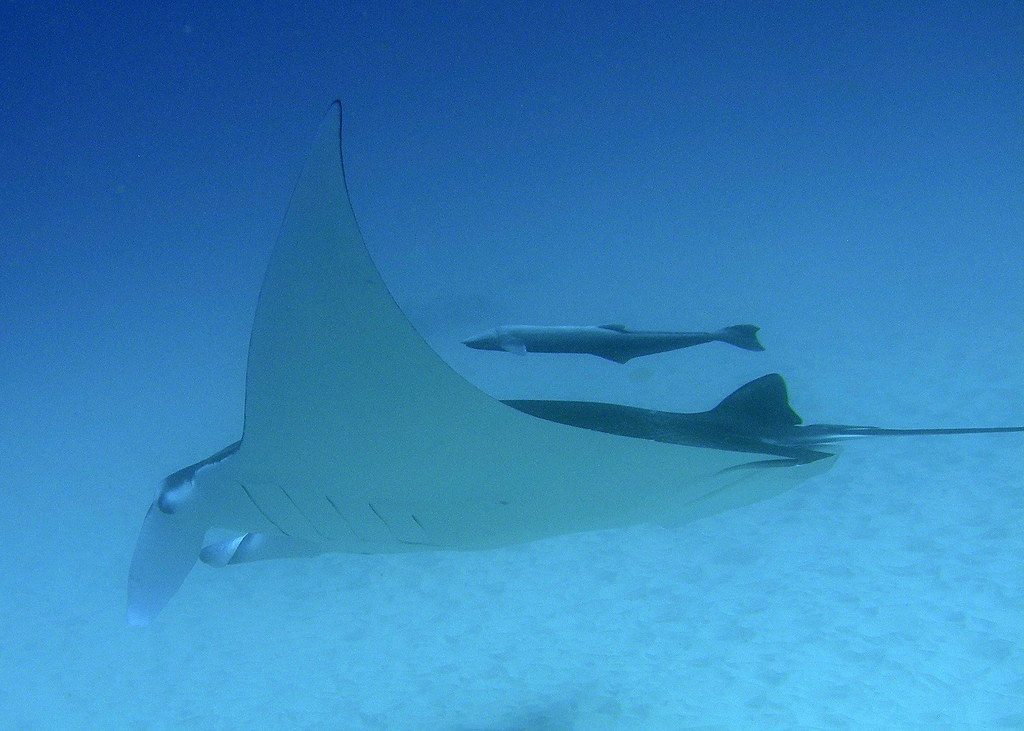
For years, remoras and manta rays were believed to share one of the ocean’s best examples of a mutually beneficial relationship. Remoras cleaned parasites and dead skin from manta rays while receiving protection and transportation in return.
A Relationship Once Seen as Harmless
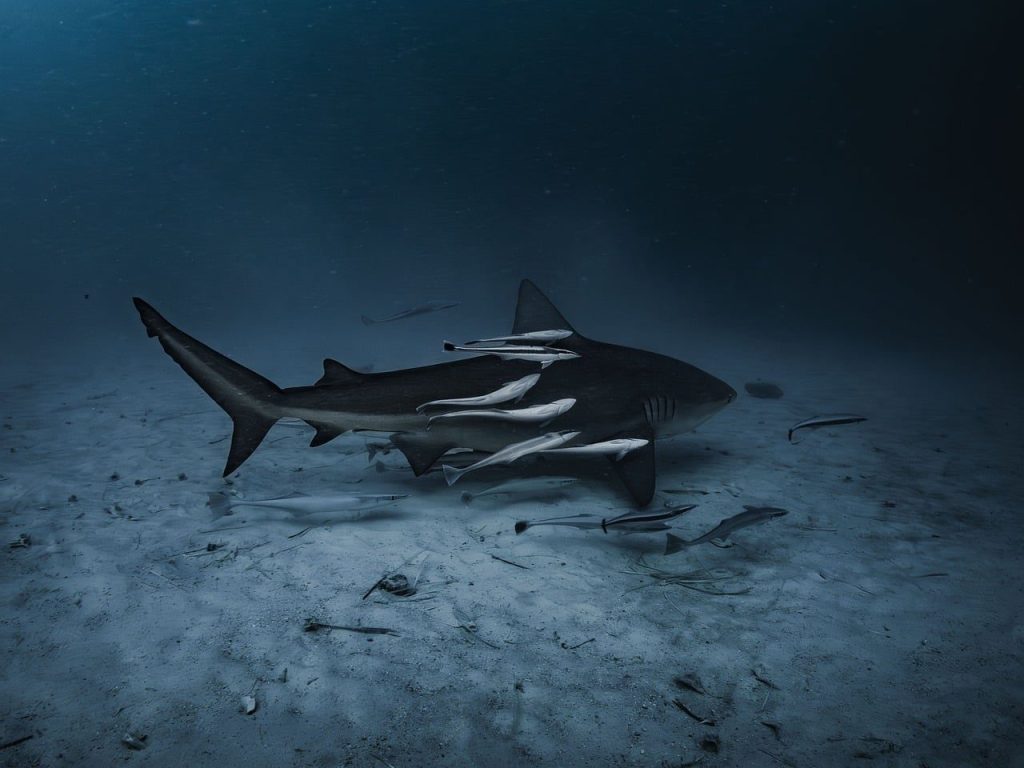
Remoras, often called suckerfish, attach themselves to larger marine animals using a suction-like disc on their heads. They commonly travel alongside sharks, whales, sea turtles, and manta rays.
Scientists long believed the relationship mostly benefited both animals. The remoras received food and safety while helping clean the skin of their hosts.
Strange New Footage Changed Everything
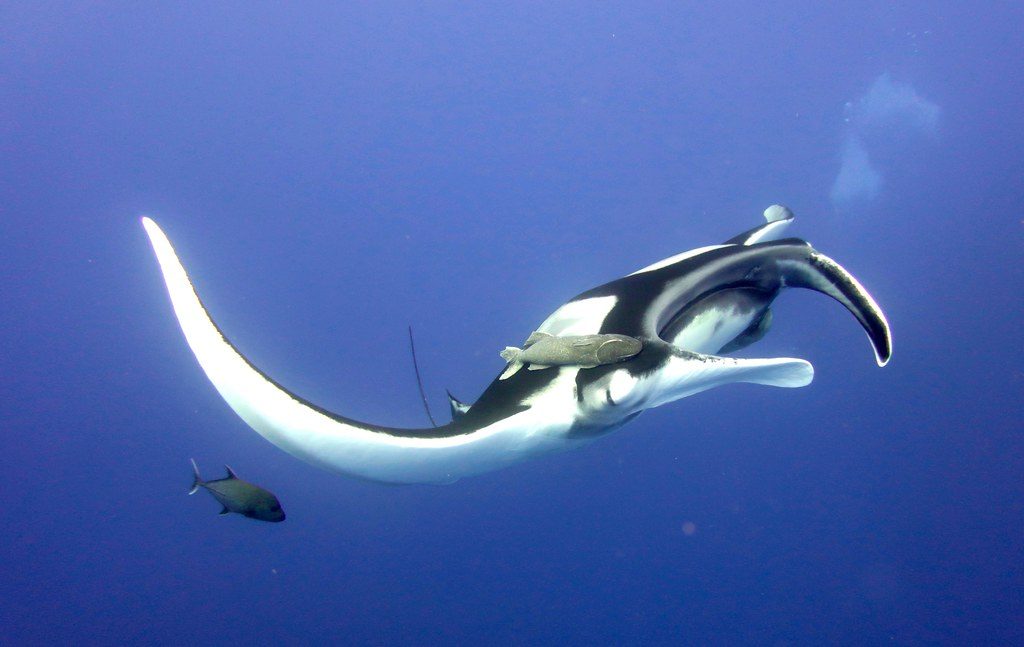
Researchers studying manta rays in places like the Maldives, Mozambique, and Florida recently documented unusual behavior from remoras. In several cases, remoras appeared to squeeze themselves into the cloaca of manta rays.
The cloaca is an opening used for reproduction and waste removal, making it an extremely sensitive part of the ray’s body. Scientists say this behavior had never been formally documented before.
Manta Rays Appeared Distressed
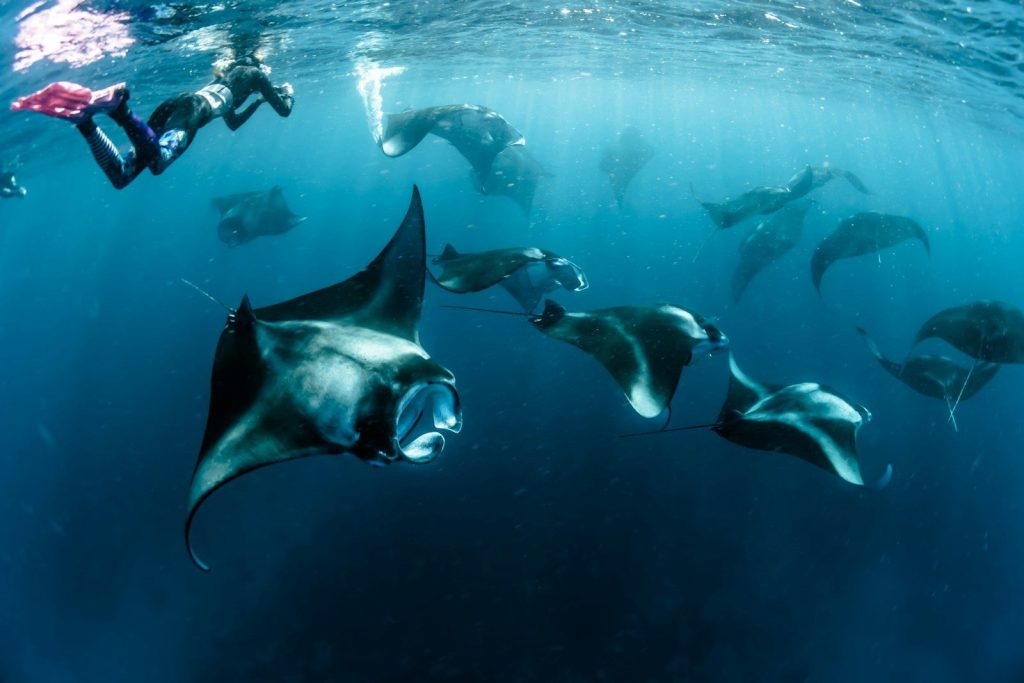
Researchers noticed that manta rays reacted visibly when remoras entered the opening. Some rays twitched, jerked, or attempted to shake the fish loose.
These reactions suggest the behavior may cause discomfort or irritation. Scientists now believe the relationship between the two species may not be entirely harmless after all.
The Behavior May Be More Common Than Expected
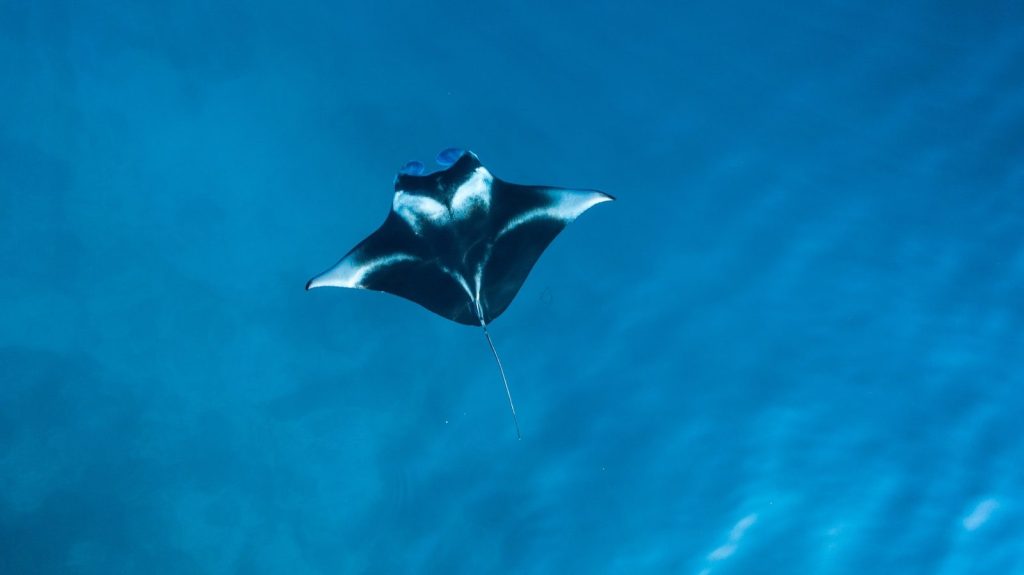
After reviewing years of footage, researchers identified multiple examples involving different species of manta rays. Because these sightings occurred in separate oceans and environments, scientists think the behavior may be widespread.
The discovery has raised questions about how often remoras use body cavities as hiding places. Researchers also suspect the fish may behave similarly with other marine animals.
Are Remoras Becoming Parasites?
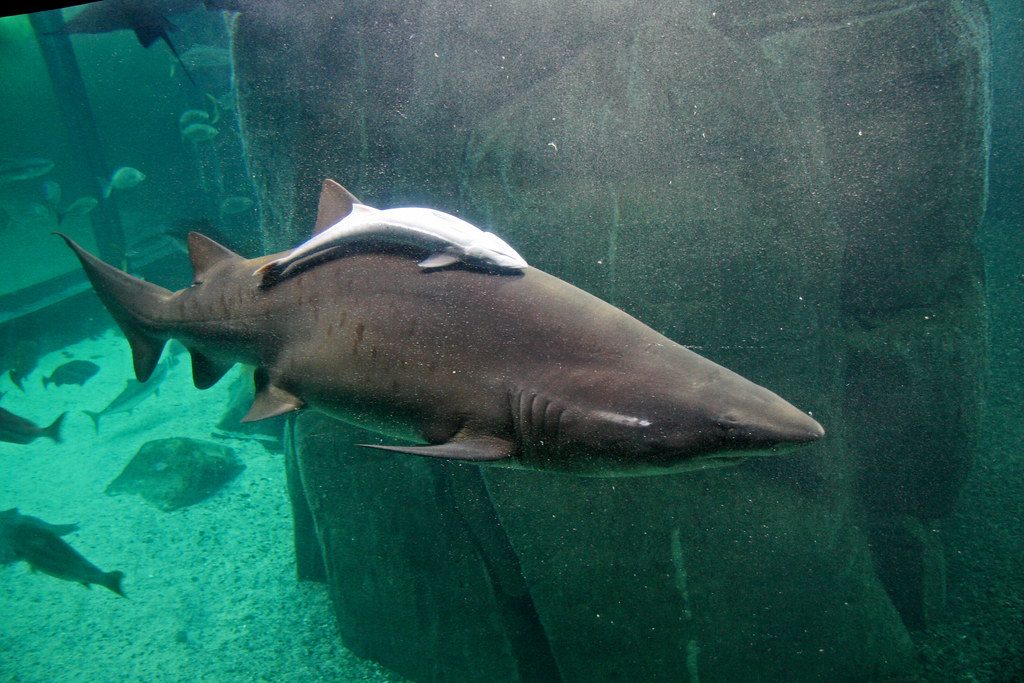
Remoras are usually classified as harmless hitchhikers rather than parasites. But these new observations suggest the fish may sometimes prioritize their own protection or feeding opportunities at the expense of their hosts.
Some scientists think remoras may hide inside manta rays to reduce drag while swimming or avoid predators. Others believe the behavior could represent a more parasitic relationship than previously understood.
Researchers Still Have Many Questions

Marine scientists say much more research is needed to understand why remoras behave this way. The discovery highlights how even well-studied ocean relationships can still surprise researchers.
As underwater technology improves, scientists continue uncovering behaviors that were previously impossible to observe. For now, the strange relationship between remoras and manta rays remains one of the ocean’s most unusual mysteries.