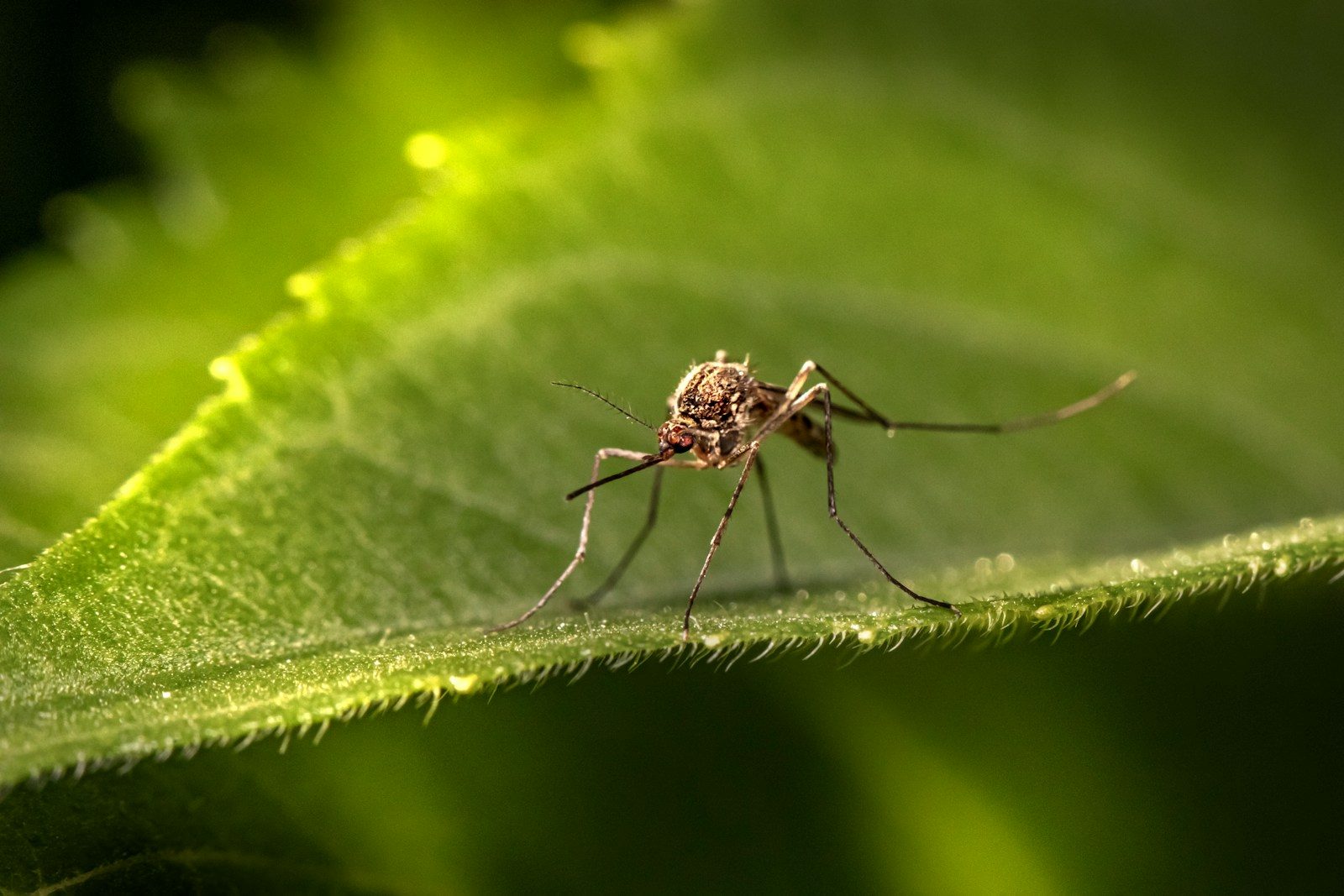
Mosquitoes may be turning to humans more often because forests are losing the wildlife they once fed on, according to new research from Brazil’s Atlantic Forest.
Scientists say shrinking biodiversity and habitat destruction are changing mosquito behavior in alarming ways. As animals disappear from damaged ecosystems, mosquitoes are increasingly feeding on people instead.
Researchers warn that this shift could raise the risk of dangerous disease outbreaks.
A Dangerous Change Inside the Forest
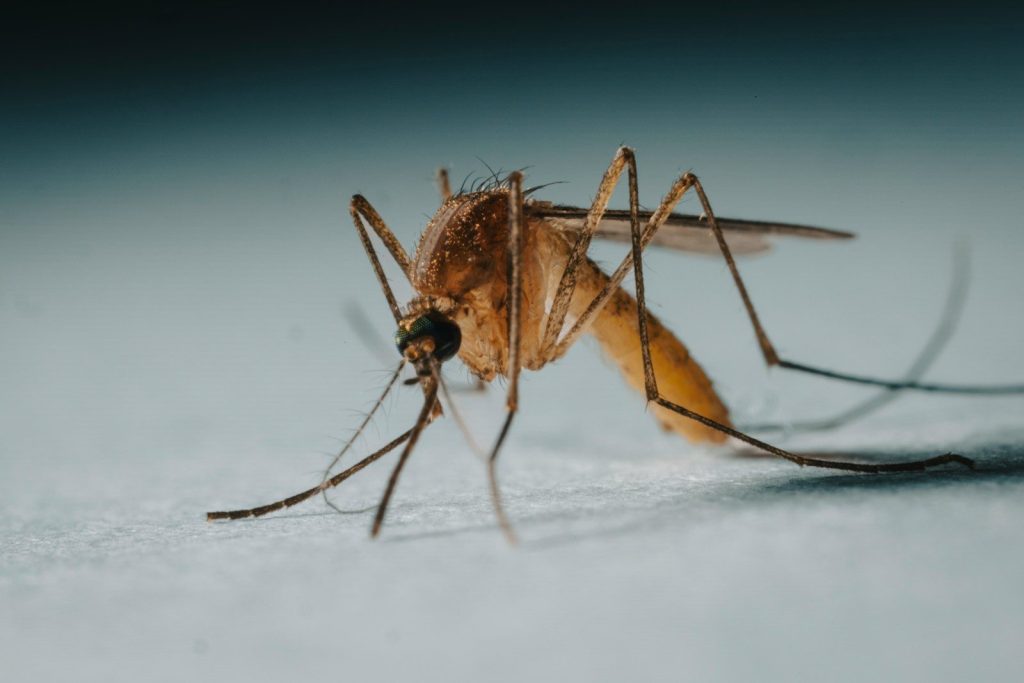
The study focused on Brazil’s Atlantic Forest, one of the most biodiverse ecosystems on Earth. Despite being protected in some areas, the region has suffered extensive habitat loss over the years due to deforestation and human expansion.
Scientists discovered that mosquitoes living in these forest remnants showed a surprisingly strong preference for human blood.
This is concerning because the Atlantic Forest normally contains a huge variety of animals that mosquitoes could feed on instead.
Researchers believe the growing lack of wildlife is forcing mosquitoes to seek alternative blood sources, with humans becoming the easiest and most available target.
How Scientists Tracked Mosquito Feeding
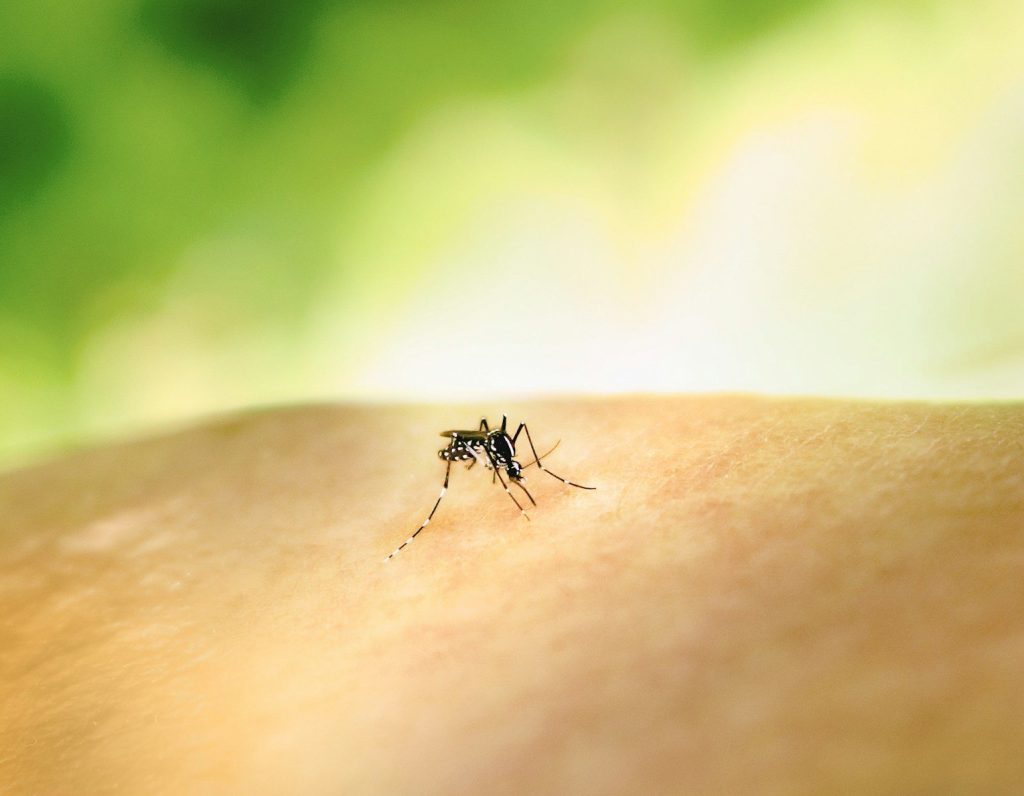
To understand mosquito behavior, researchers collected female mosquitoes from two protected forest reserves in Rio de Janeiro state.
In the laboratory, they analyzed blood samples taken from mosquitoes that had recently fed. Using DNA sequencing technology, scientists were able to identify which species the blood came from.
The results showed that many mosquitoes had recently fed on humans.
Out of the blood meals successfully identified, most came from people rather than wildlife. Researchers also found evidence of mosquitoes feeding on birds, dogs, mice, and amphibians.
Some mosquitoes had even fed on multiple species.
Why Biodiversity Matters
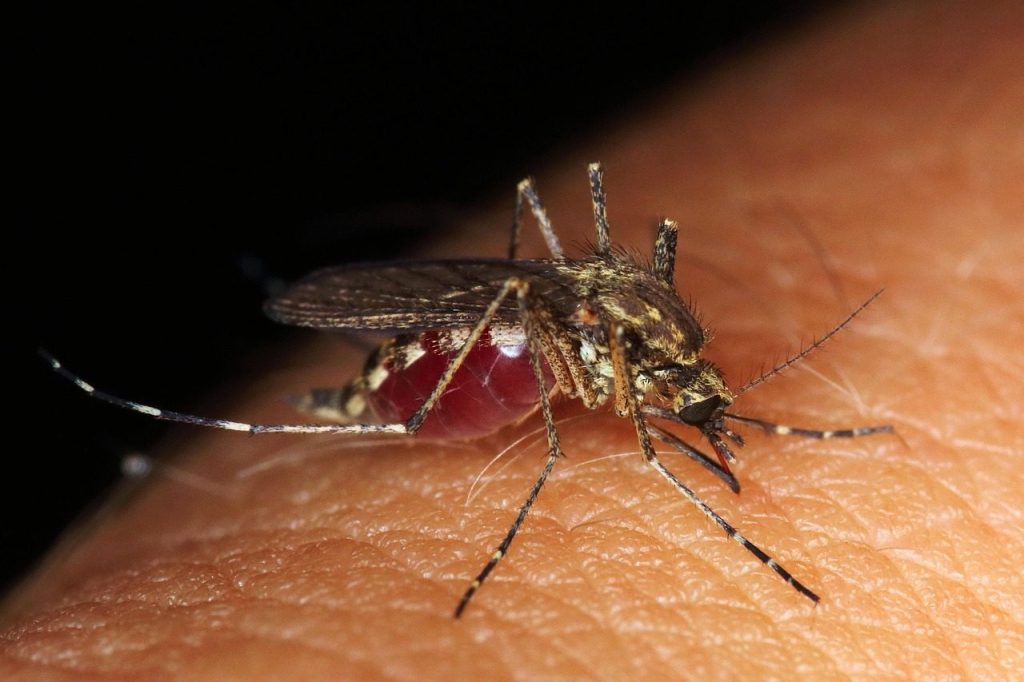
Healthy ecosystems naturally limit disease risks in many ways.
When forests contain a wide range of animals, mosquitoes spread their feeding across many hosts instead of concentrating heavily on humans. But when biodiversity declines, that balance begins to collapse.
As forests lose mammals, birds, reptiles, and amphibians, mosquitoes may increasingly rely on people for survival.
Scientists say this could increase the transmission risk for several dangerous viruses carried by mosquitoes in Brazil, including dengue, Zika, yellow fever, chikungunya, Mayaro, and Sabiá virus.
The closer mosquitoes move toward humans, the easier it becomes for diseases to spread.
The Atlantic Forest Is Rapidly Shrinking
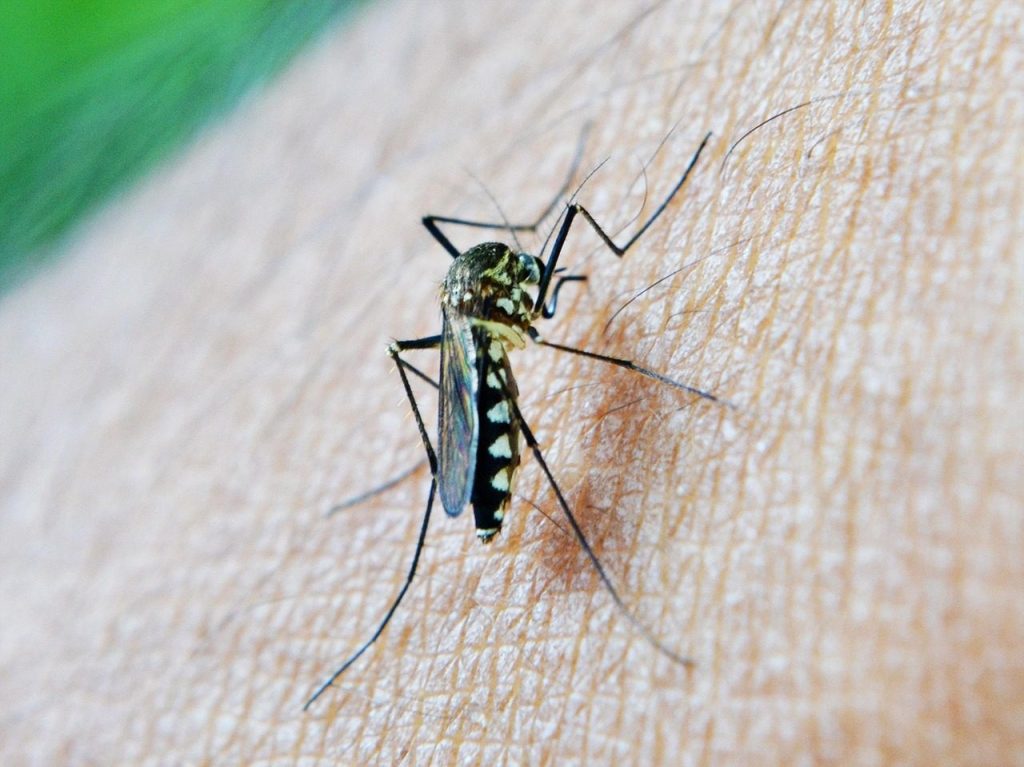
The Atlantic Forest once covered enormous stretches of Brazil’s coastline and supported thousands of species.
Today, only a fraction of the original forest remains intact.
Urban development, agriculture, logging, and habitat fragmentation have dramatically reduced wildlife populations across the region.
Researchers say these environmental changes are not only threatening biodiversity but also reshaping how disease-carrying insects behave inside damaged ecosystems.
A Warning About Ecosystem Health
Scientists involved in the study say the findings highlight the connection between environmental destruction and public health.
The loss of wildlife does not only affect animals living in forests. It may also increase disease risks for nearby human populations.
Researchers believe understanding mosquito feeding patterns could help improve future disease surveillance and prevention strategies.
Protecting biodiversity may ultimately become an important tool for reducing the spread of mosquito-borne illnesses.