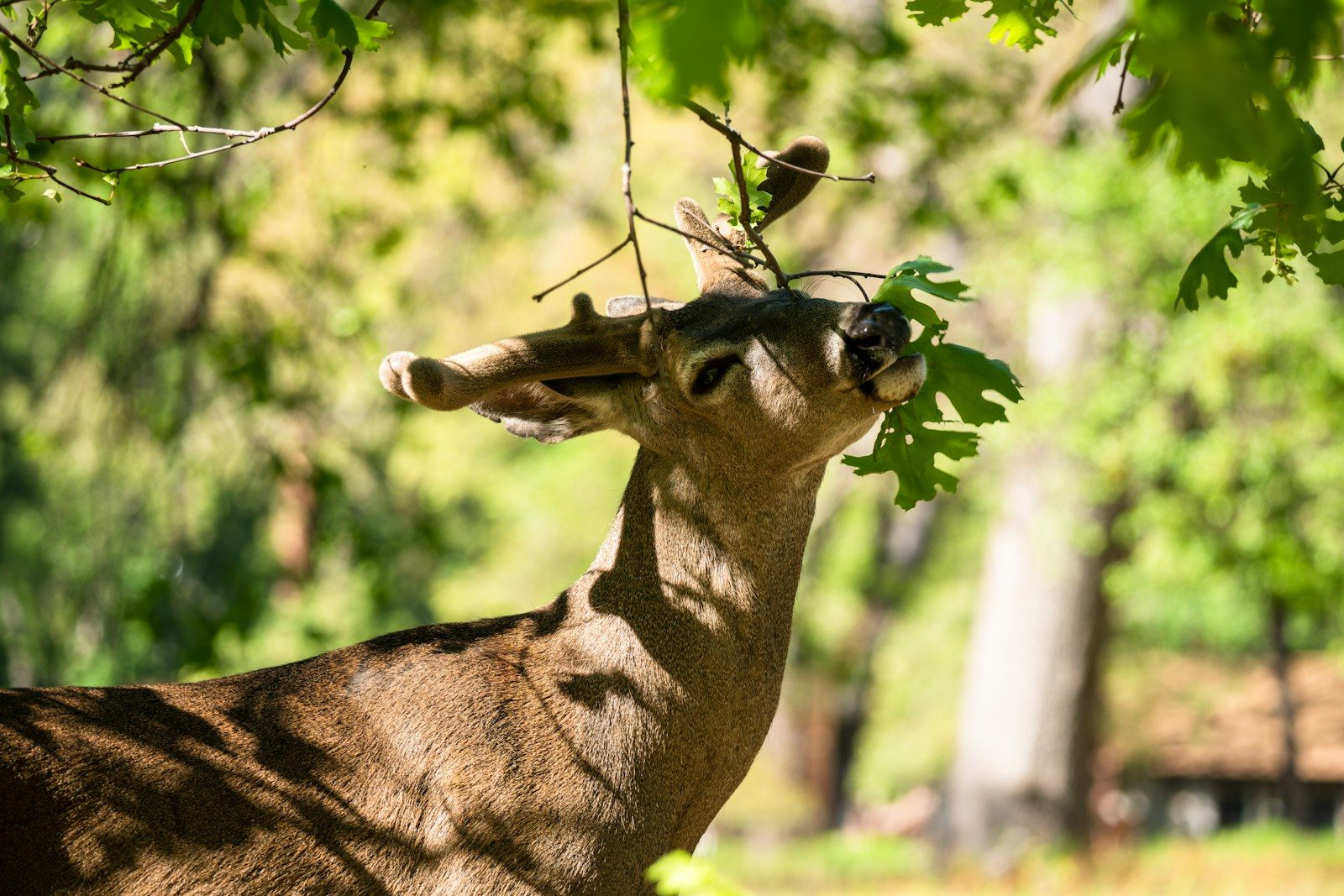
Deer can quickly turn a healthy garden into a buffet, especially in areas near woods or open land. While no method works perfectly all the time, combining several deterrents usually gives the best results.
Choose Deer-Resistant Plants
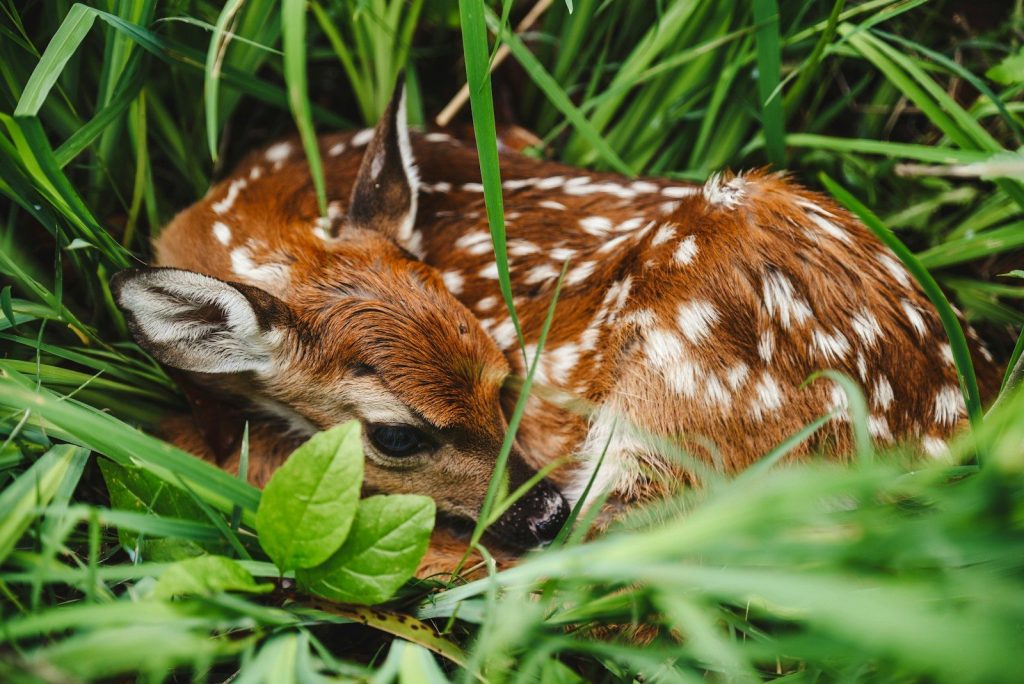
One of the easiest ways to reduce damage is by planting species deer tend to avoid. Deer are less likely to eat plants with strong scents, fuzzy textures, or bitter flavors.
Popular deer-resistant options include:
- Lavender
- Rosemary
- Marigolds
- Daffodils
- Sage
- Boxwood
- Russian sage
- Lamb’s ear
Even resistant plants can occasionally be eaten during food shortages, but they are usually safer choices.
Install Proper Fencing
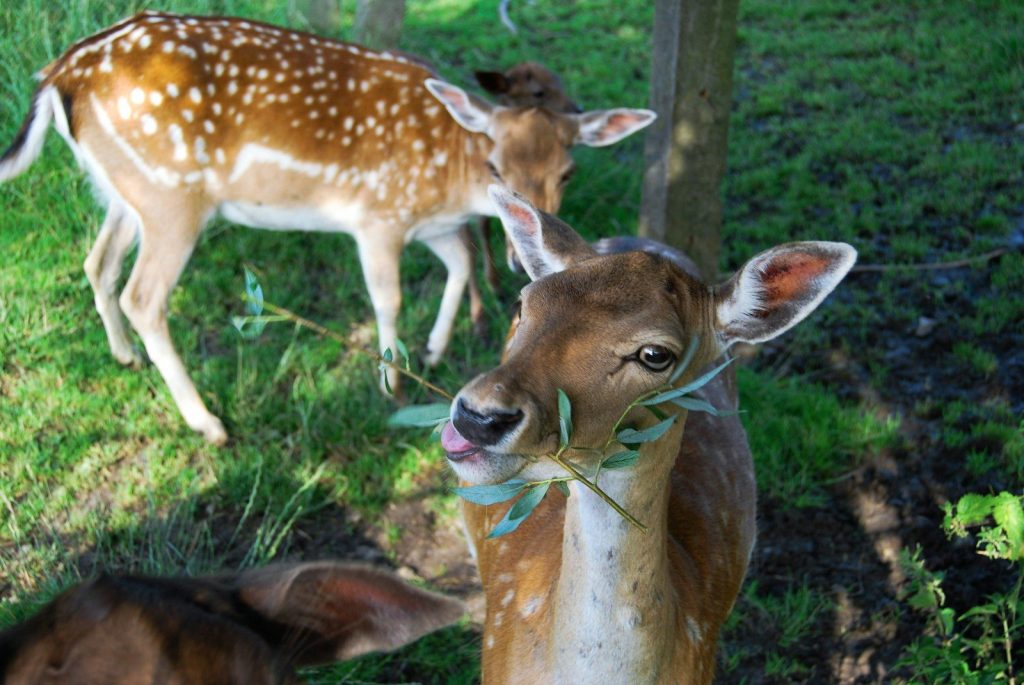
Fencing remains the most effective long-term solution.
Because deer can jump surprisingly high, garden fences should ideally be:
- At least 8 feet tall
- Made from mesh wire, polypropylene, or wood
- Properly secured at the bottom
For smaller gardens, double fencing can also work since deer struggle to judge depth when jumping.
Use Scent-Based Repellents
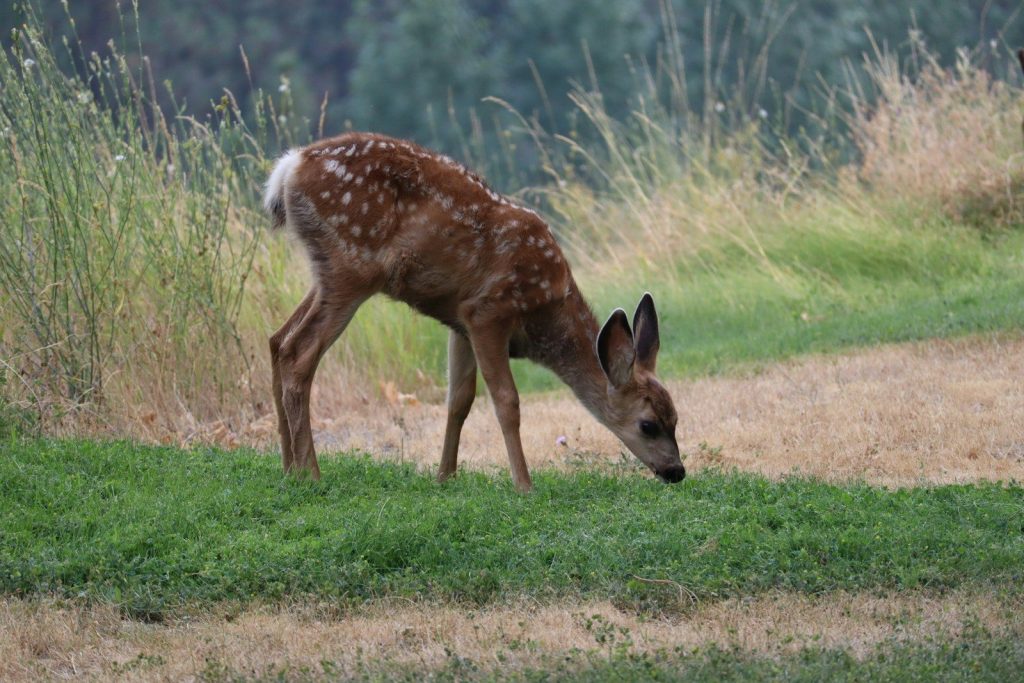
Commercial deer repellents often use scents or tastes deer dislike, such as garlic, rotten egg solids, or predator odors.
Sprays should be:
- Applied regularly
- Reapplied after rain
- Rotated occasionally so deer do not adapt
Some gardeners also use homemade mixtures containing garlic, soap, or hot pepper.
Add Motion And Noise Deterrents

Deer are naturally cautious animals, so sudden movement or sound can scare them away.
Common deterrents include:
- Motion-activated sprinklers
- Wind chimes
- Reflective tape
- Flashing garden lights
- Ultrasonic devices
These methods tend to work best when changed frequently, since deer can become used to stationary objects.
Protect Young Plants Individually
Young shrubs and flowers are especially vulnerable.
You can shield them using:
- Tree guards
- Netting
- Wire cages
- Cloches or plant covers
This is particularly useful during spring growth and winter feeding seasons.
Keep Gardens Less Attractive
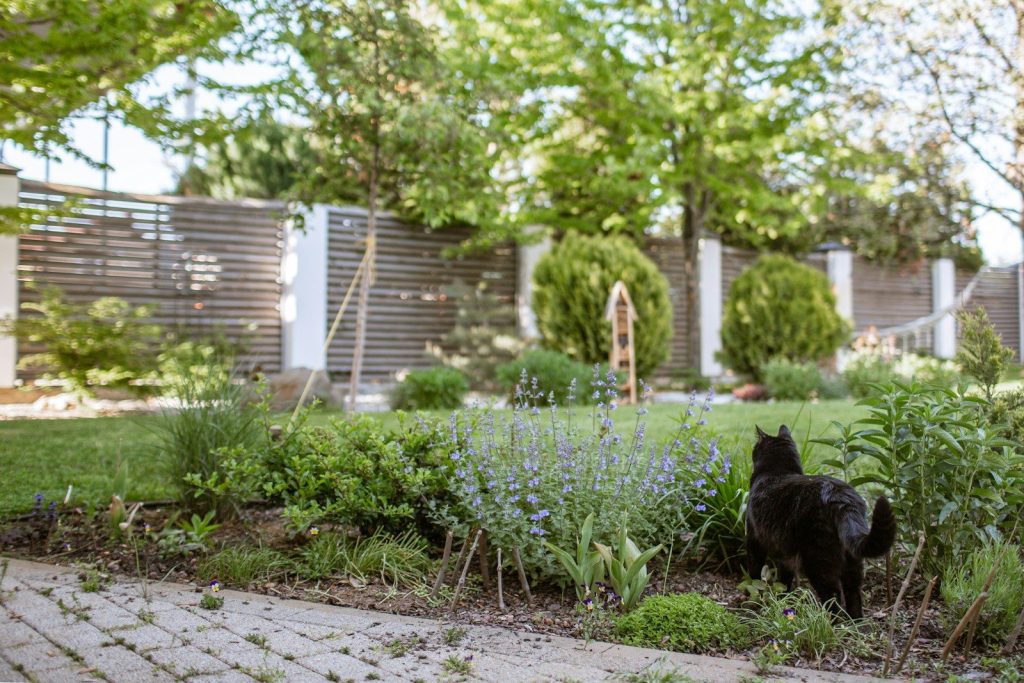
Reducing easy food sources can discourage repeat visits.
Helpful steps include:
- Cleaning fallen fruit promptly
- Avoiding bird seed spills
- Trimming dense hiding spots
- Bringing pet food indoors
The less welcoming the area feels, the less likely deer are to linger.
Combine Multiple Methods For Best Results

Most gardening experts recommend using several strategies together rather than relying on one fix alone.
A combination of fencing, repellents, resistant plants, and motion deterrents usually creates the strongest defense against persistent deer populations.