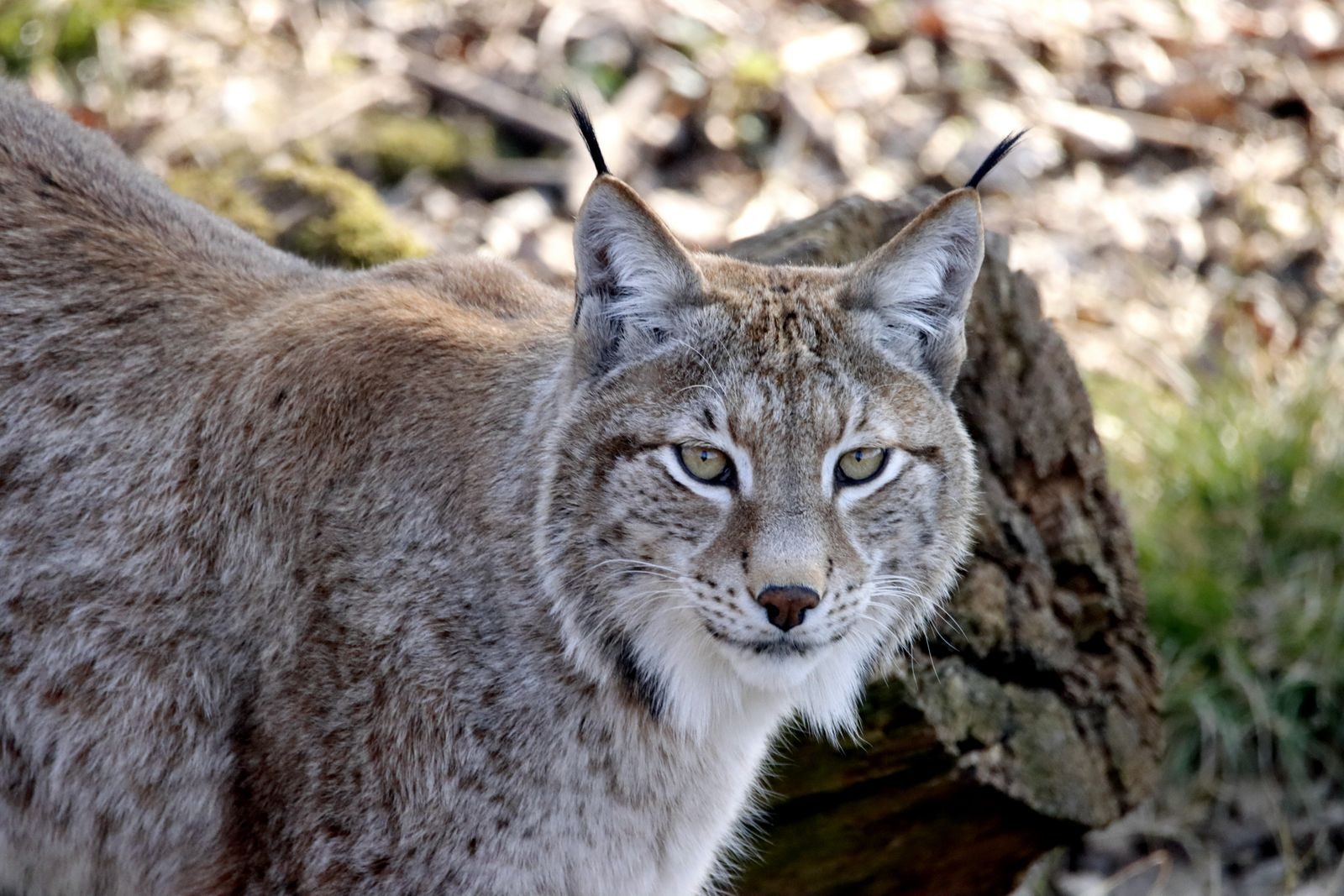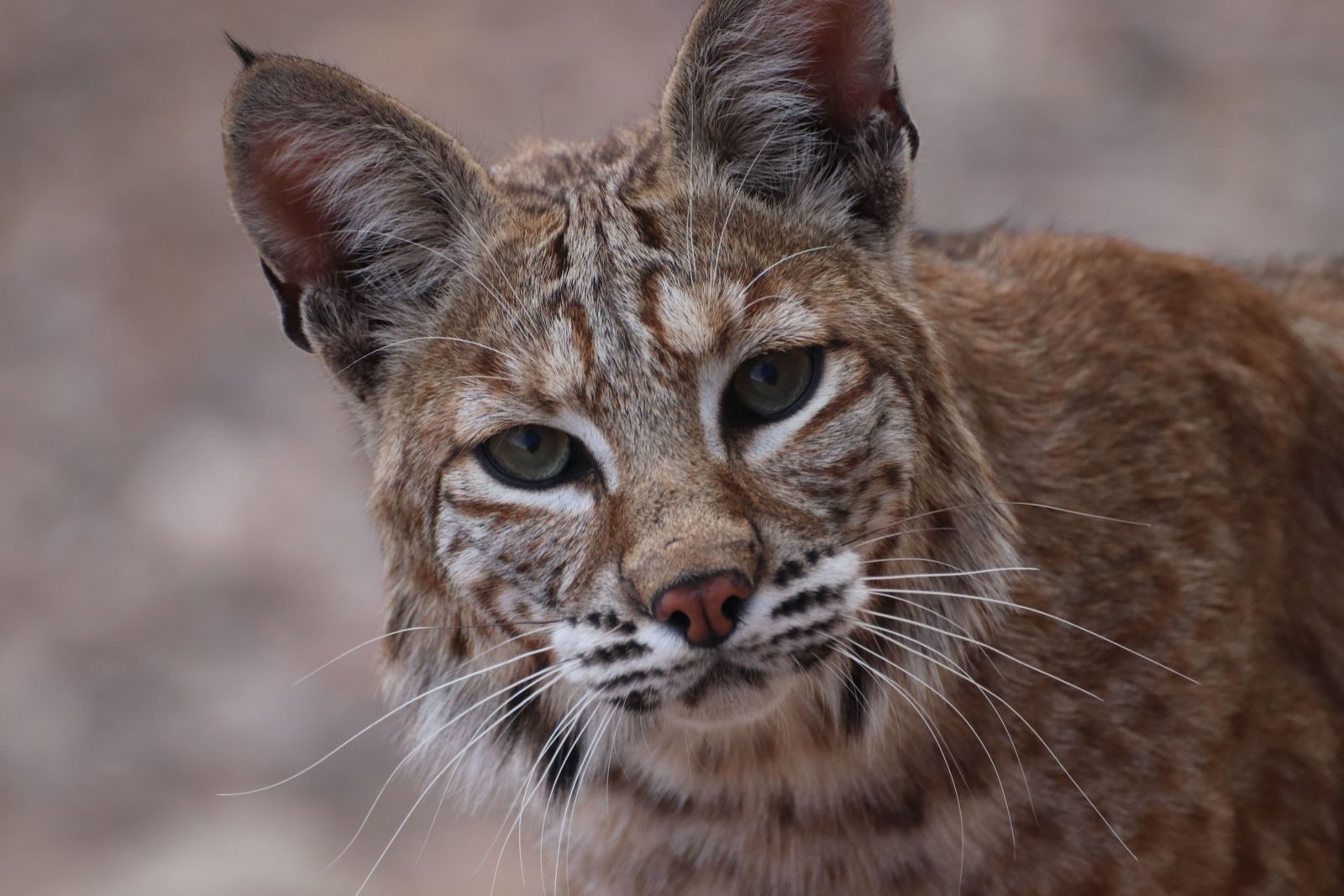
Bobcats are one of the most widespread wild cats in North America, found in forests, deserts, mountains, and even areas close to cities. As human development continues to expand, sightings are becoming more common, raising interest in how many of these elusive predators actually live in each state.
Bobcats Are Far More Common Than Most People Realize
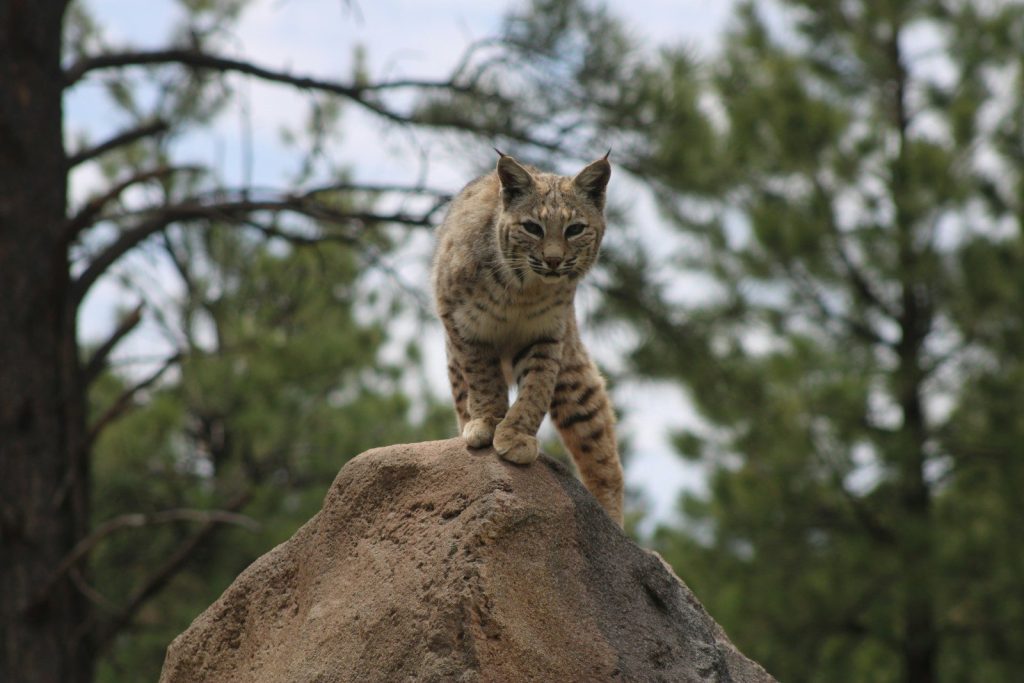
Bobcats are found across nearly all of the United States, as well as parts of Canada and Mexico. Despite their wide range, they are extremely secretive animals that rarely make themselves visible to humans.
They are highly adaptable hunters that thrive in forests, grasslands, and even suburban edges. Their ability to survive in diverse environments has helped their populations remain stable in many regions.
Ohio: A Small but Growing Population
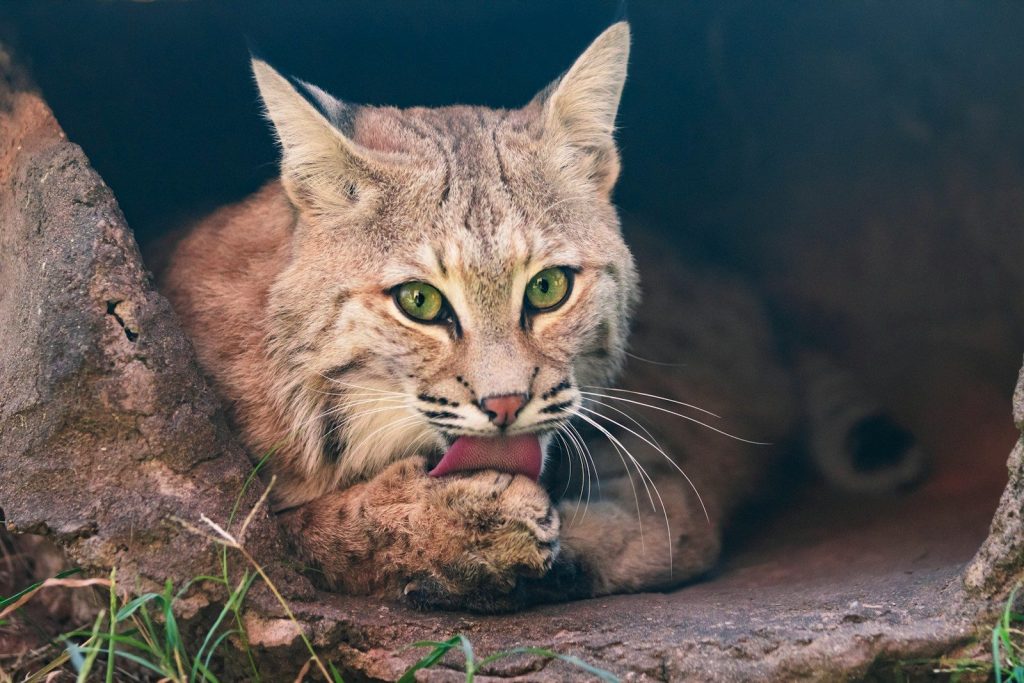
Ohio has one of the smaller recorded bobcat populations, estimated at around 500 animals. The species was once completely wiped out in the state but began returning naturally from nearby regions in recent decades.
Today, bobcats are mostly found in southeastern Ohio’s wooded and rural landscapes. Their gradual return is seen as a sign of improving habitat conditions.
Indiana and Nebraska: Expanding Territory
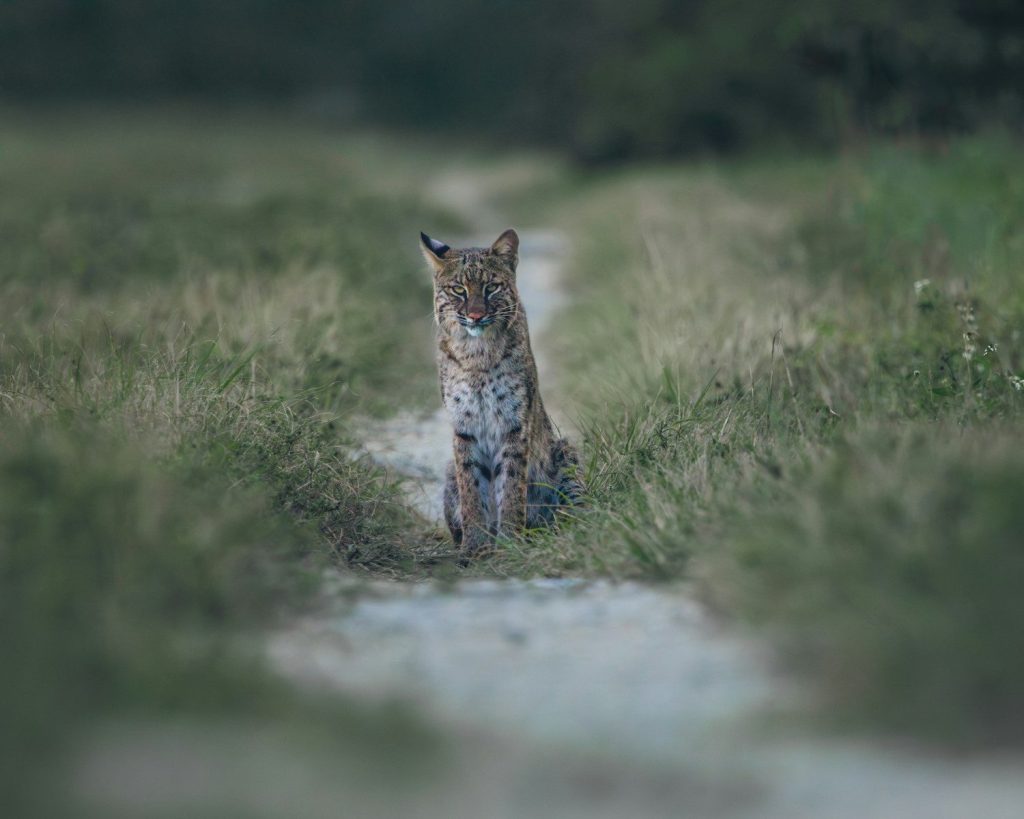
Indiana is home to roughly 1,000 bobcats, mostly concentrated in the southern part of the state. These animals are often mistaken for large domestic cats or even small coyotes when spotted briefly.
Nebraska also reports about 1,000 bobcats, with populations spread across central and eastern regions. Occasional sightings near suburban areas highlight how adaptable these predators have become.
Connecticut and New Hampshire: Small States, Surprising Numbers
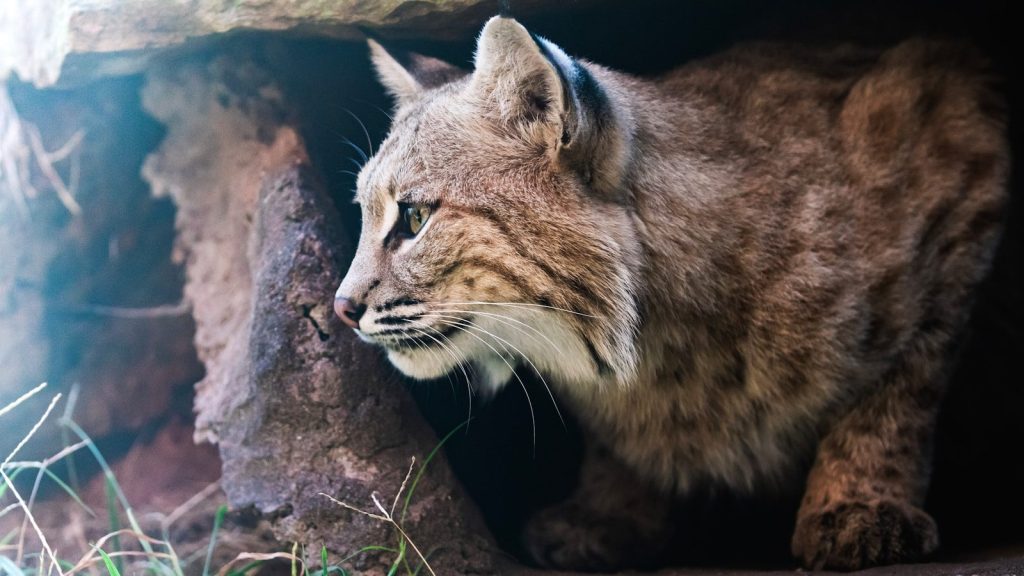
Connecticut supports a relatively small land area but still has around 2,000 bobcats. Despite the density, these animals remain rarely seen due to their secretive behavior.
New Hampshire also hosts about 1,400 bobcats after populations rebounded from historic declines. Conservation efforts and reduced hunting pressure have helped the species recover.
Minnesota: One of the Strongholds
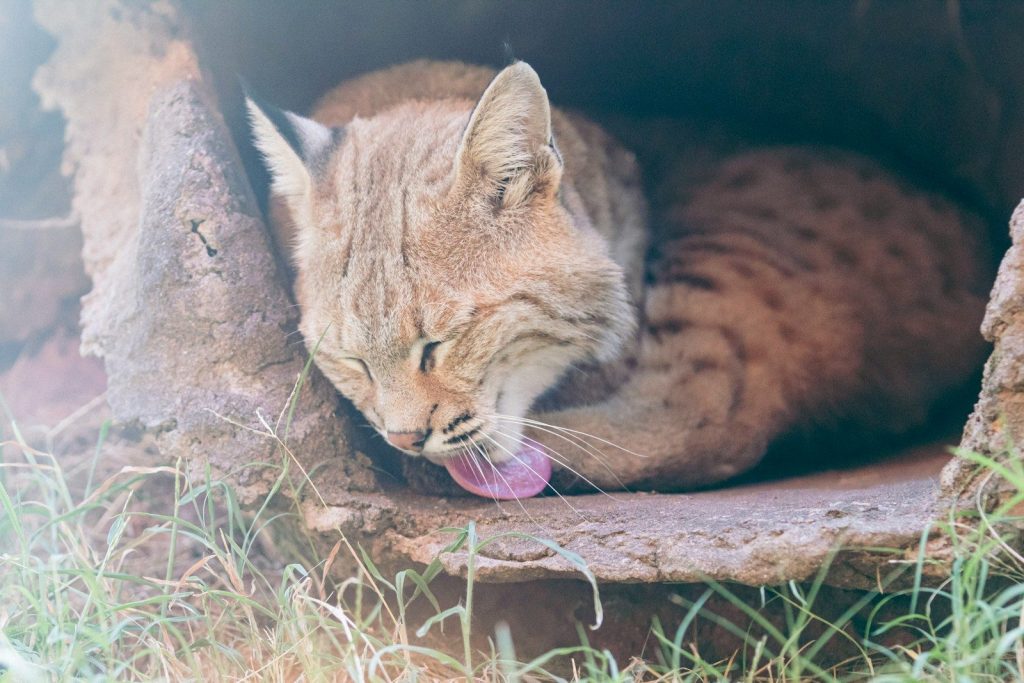
Minnesota has one of the more stable bobcat populations, estimated at around 2,000. Most of these animals are concentrated in the northern forest regions where human activity is limited.
Male bobcats can maintain large territories that overlap with multiple females. This territorial structure helps maintain a balanced population across the landscape.
Why Bobcats Are Thriving in Some Areas
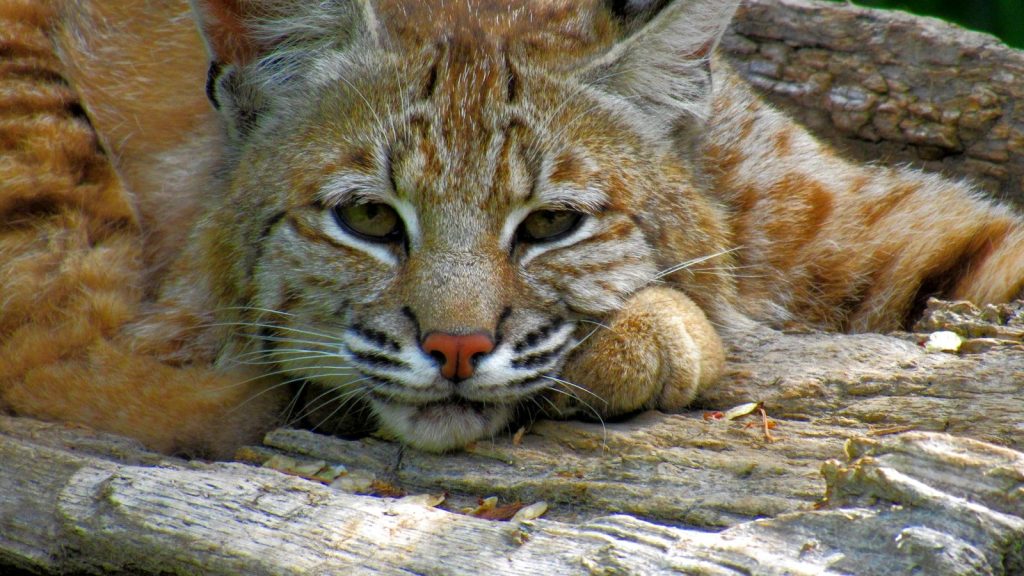
Bobcats are opportunistic hunters that feed on rabbits, rodents, birds, and occasionally small deer. Their adaptability allows them to survive even in fragmented habitats where other predators struggle.
As long as food and shelter are available, bobcats can continue expanding their range. This is why sightings in suburban and rural-edge areas are becoming more common.
A Quiet but Successful Predator
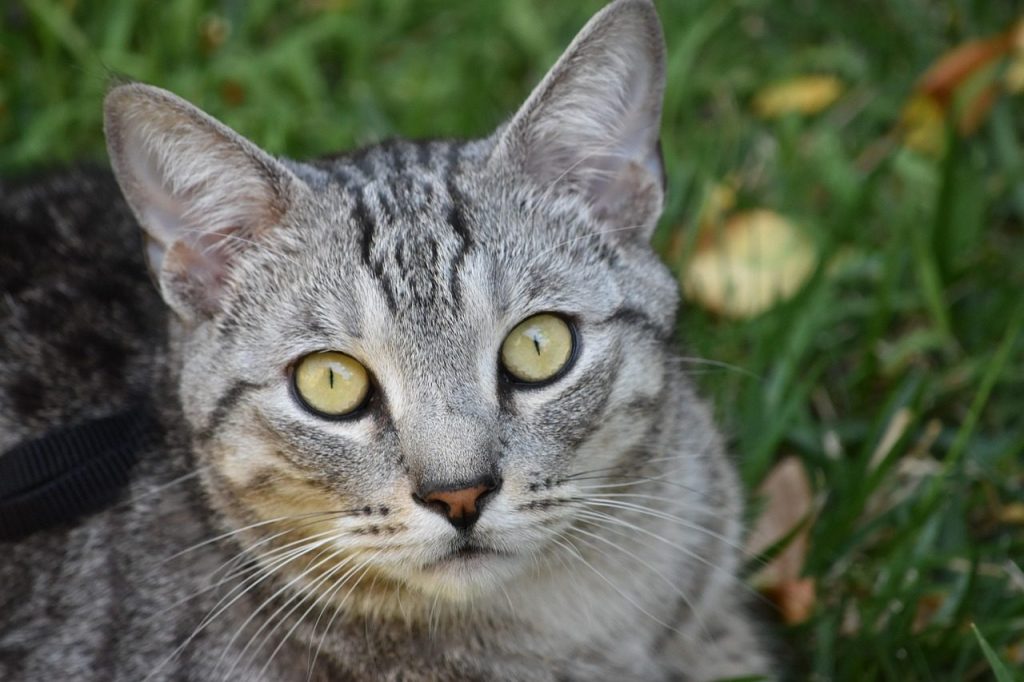
Although rarely seen, bobcats play an important role in controlling small animal populations. Their stealth and independence make them one of the most efficient predators in North America.
While their presence can surprise homeowners, bobcats generally avoid human contact whenever possible. Their quiet success across the U.S. shows how well they have adapted to a changing landscape.