The ocean contains animals capable of delivering venom, deep puncture wounds, severe lacerations, or powerful bites. But “most dangerous” is not a simple scientific ranking: human risk depends on where people swim, how often encounters happen, and whether an animal is disturbed.
These eight creatures deserve caution because their defenses or hunting tools can seriously injure people. Most do not seek humans as prey. The safest habits are simple: avoid touching marine wildlife, follow local warnings, wear appropriate protection, and seek urgent medical help after a serious bite or sting.
Australian Box Jellyfish
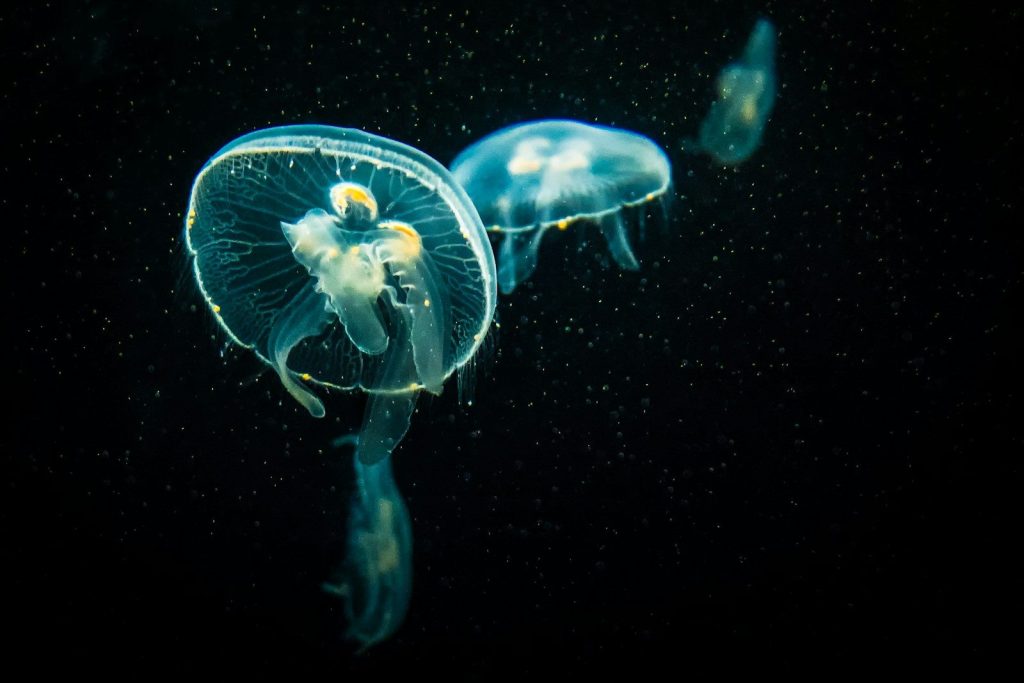
The Australian box jellyfish, Chironex fleckeri, is one of the ocean’s most medically dangerous animals. NOAA describes it as the most venomous marine animal, with tentacles armed with nematocysts that inject venom on contact. Severe stings can cause intense pain, cardiovascular collapse, and death within a very short time. The highest risk occurs in warm Indo-Pacific waters, especially northern Australia during stinger season. This jellyfish does not pursue swimmers as prey, but its nearly transparent body and trailing tentacles make accidental contact possible. Local beach warnings and protective swimming measures should always be taken seriously.
Blue-ringed Octopus
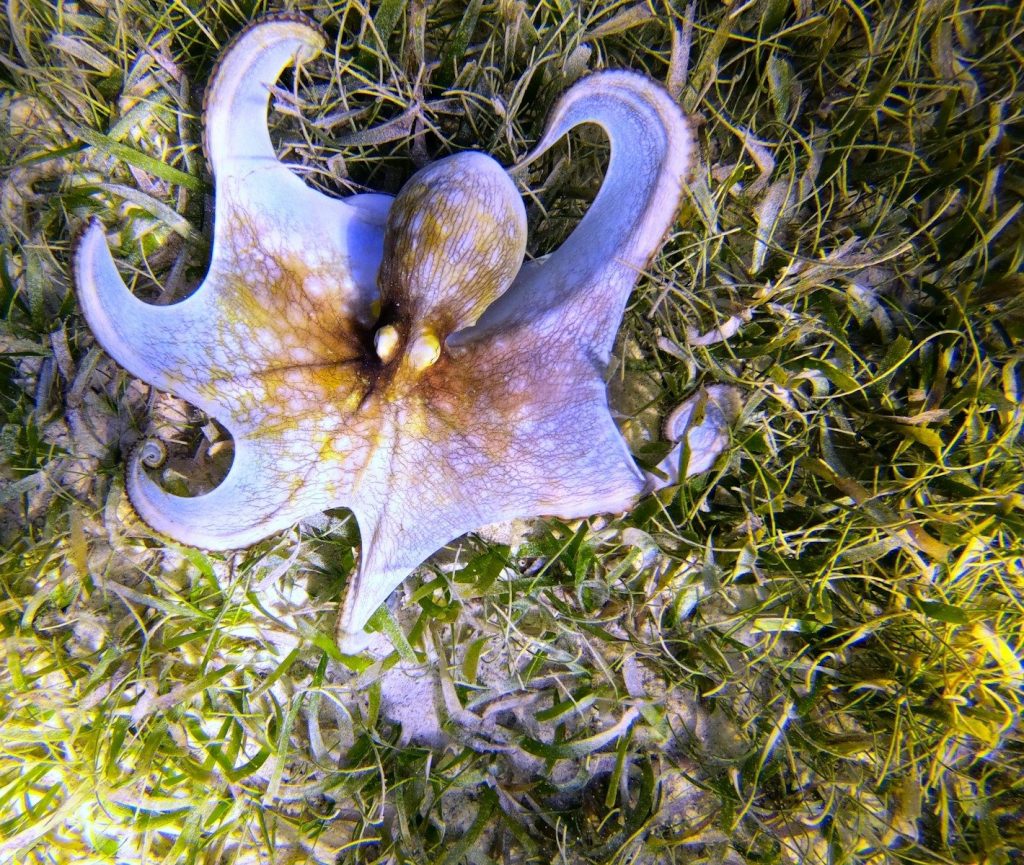
Blue-ringed octopuses are small enough to hide in shells, crevices, and rock pools, yet their venom can cause life-threatening paralysis. Australian Museum sources describe their venom as extremely powerful, while Healthdirect warns that bites may initially be painless and can later produce numbness, chest tightness, weakness, and breathing difficulty. The bright blue rings often become more obvious when the animal is disturbed. These octopuses are not aggressive hunters of humans; serious incidents usually involve close contact or handling. Never pick up a small octopus found in a tide pool, shell, or reef crevice.
Reef Stonefish
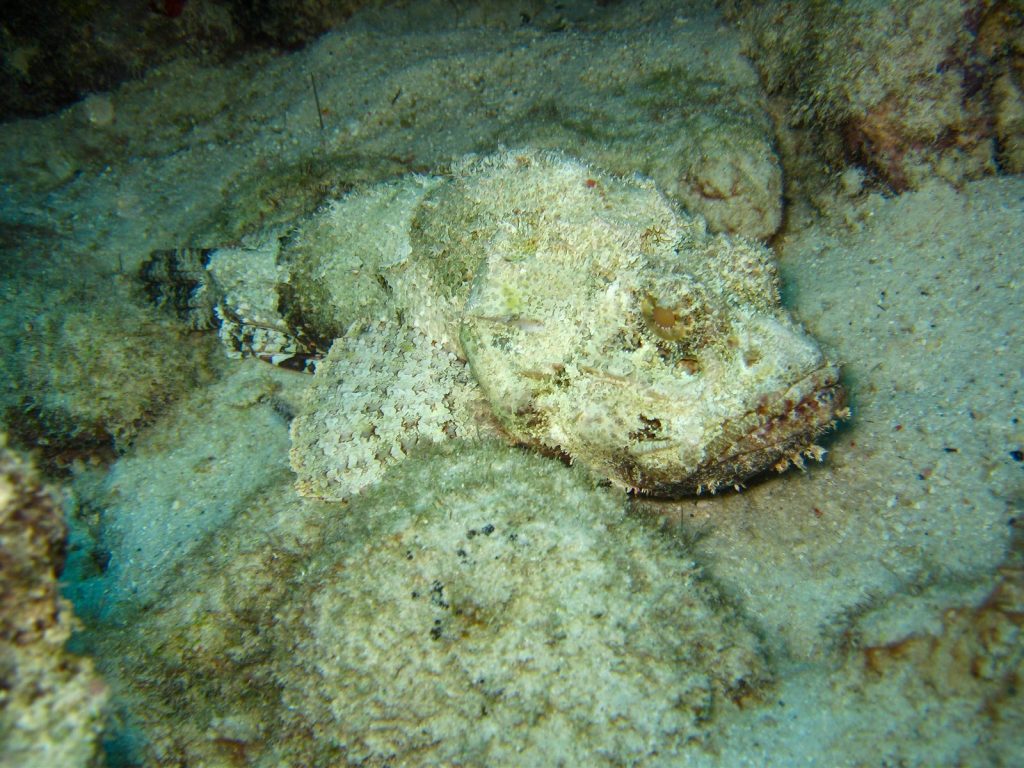
Reef stonefish rely on camouflage so effective that they can resemble rocks or coral on the seafloor. The Australian Museum identifies the reef stonefish as the world’s most venomous fish and notes thirteen stout dorsal spines capable of injecting venom. Stings usually happen when someone steps on or presses against the hidden fish, triggering a defensive injury rather than an attack. The result can be excruciating pain, swelling, and a medical emergency. In areas where stonefish occur, sturdy footwear and careful movement in shallow water can reduce risk, while suspected stings require urgent professional treatment.
Cone Snails
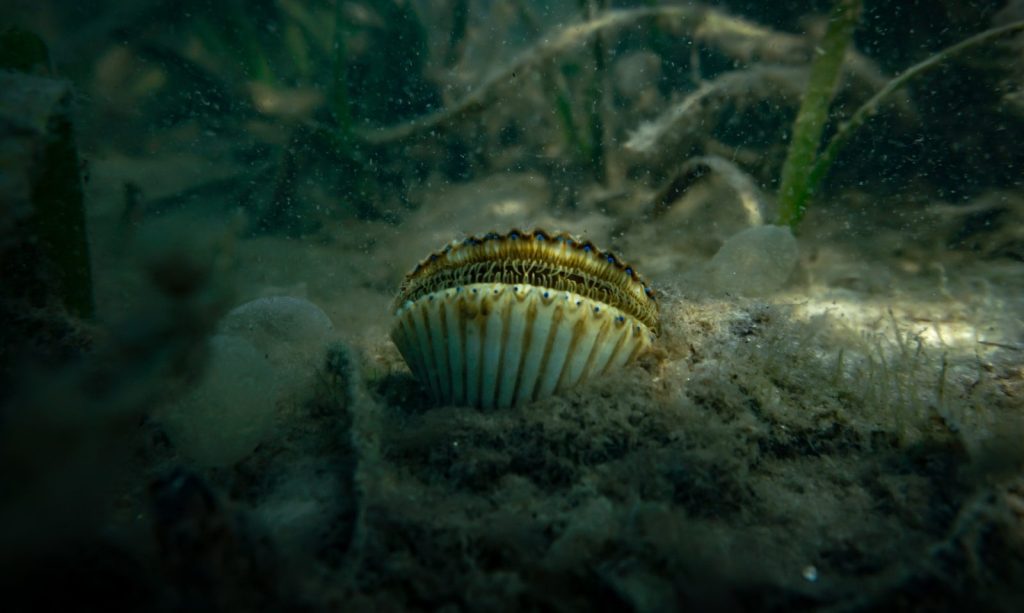
Cone snails look like attractive shells, which is exactly why they can be dangerous to curious beachgoers. Australian Museum information explains that cone shells use venom to immobilize prey such as worms, other snails, and small fish. Some fish-hunting species can deliver medically serious stings to humans using a harpoon-like tooth. A live cone snail should never be handled, even if it appears slow or harmless. The safest rule is to leave occupied shells where they are. Severe envenomation can affect muscles and breathing, so a suspected cone-snail sting requires emergency medical attention rather than home treatment.
Sea Snakes
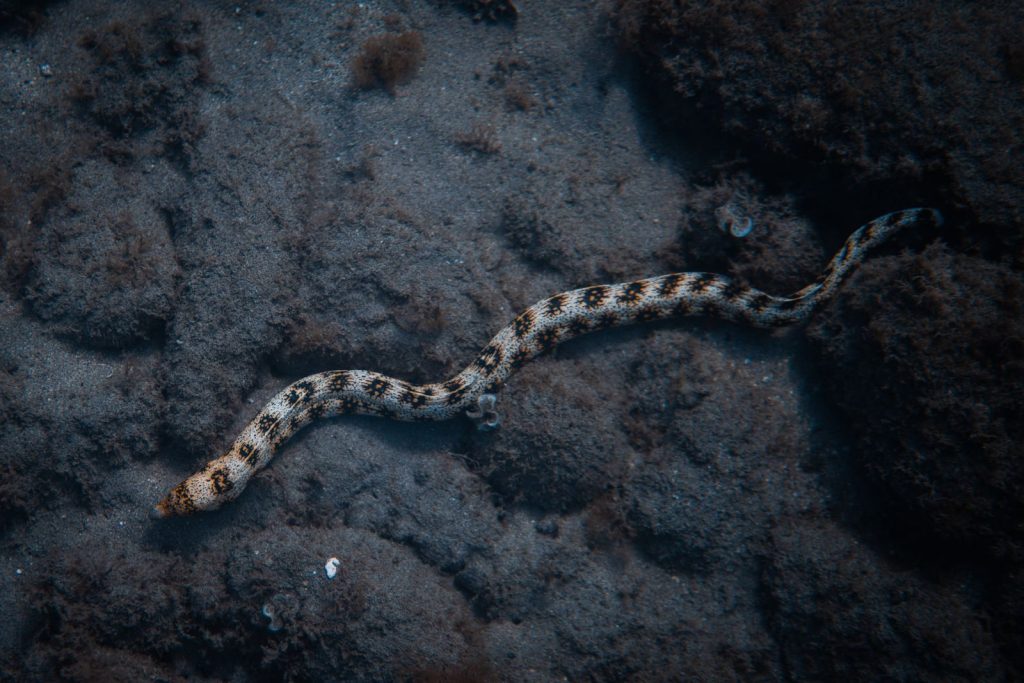
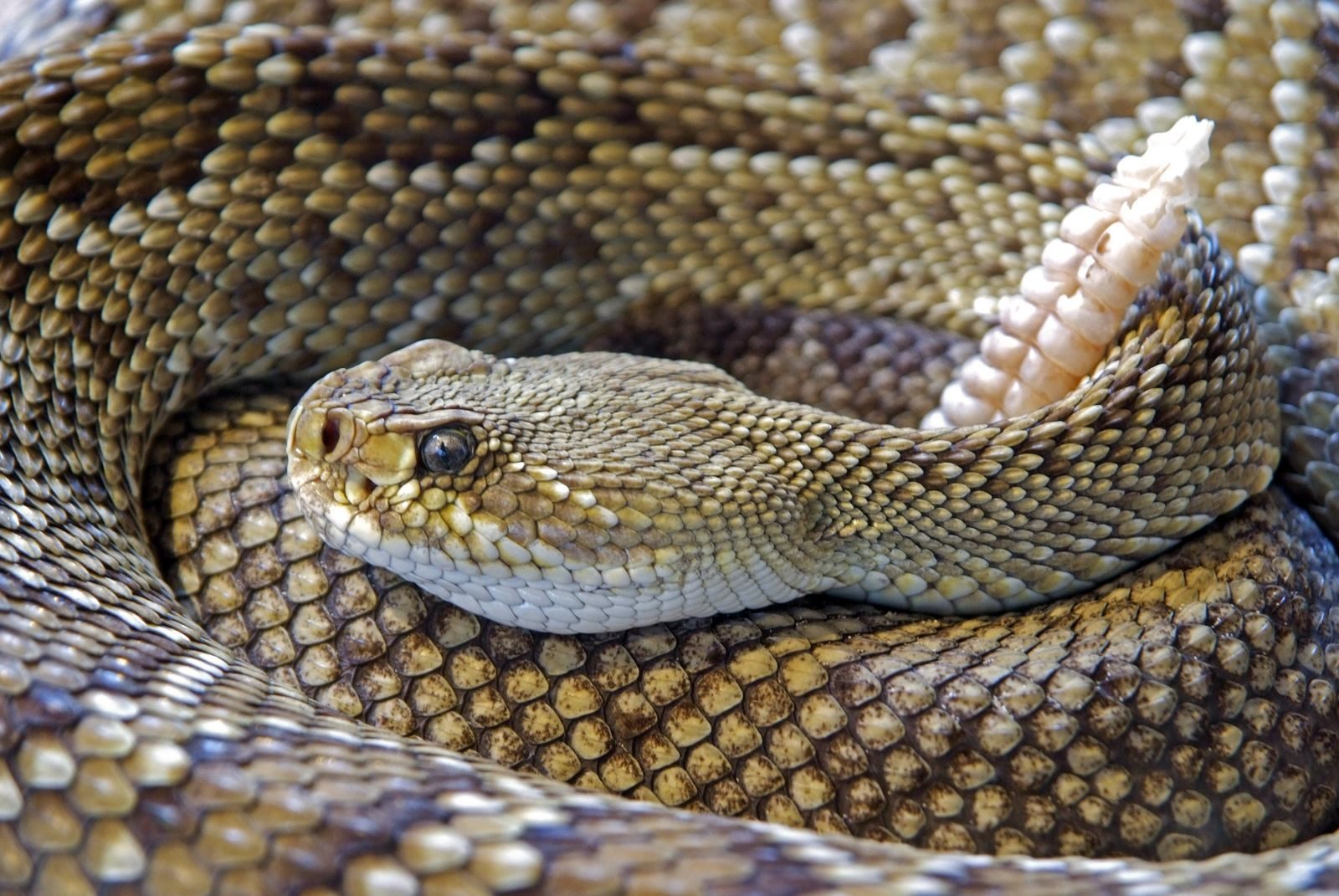
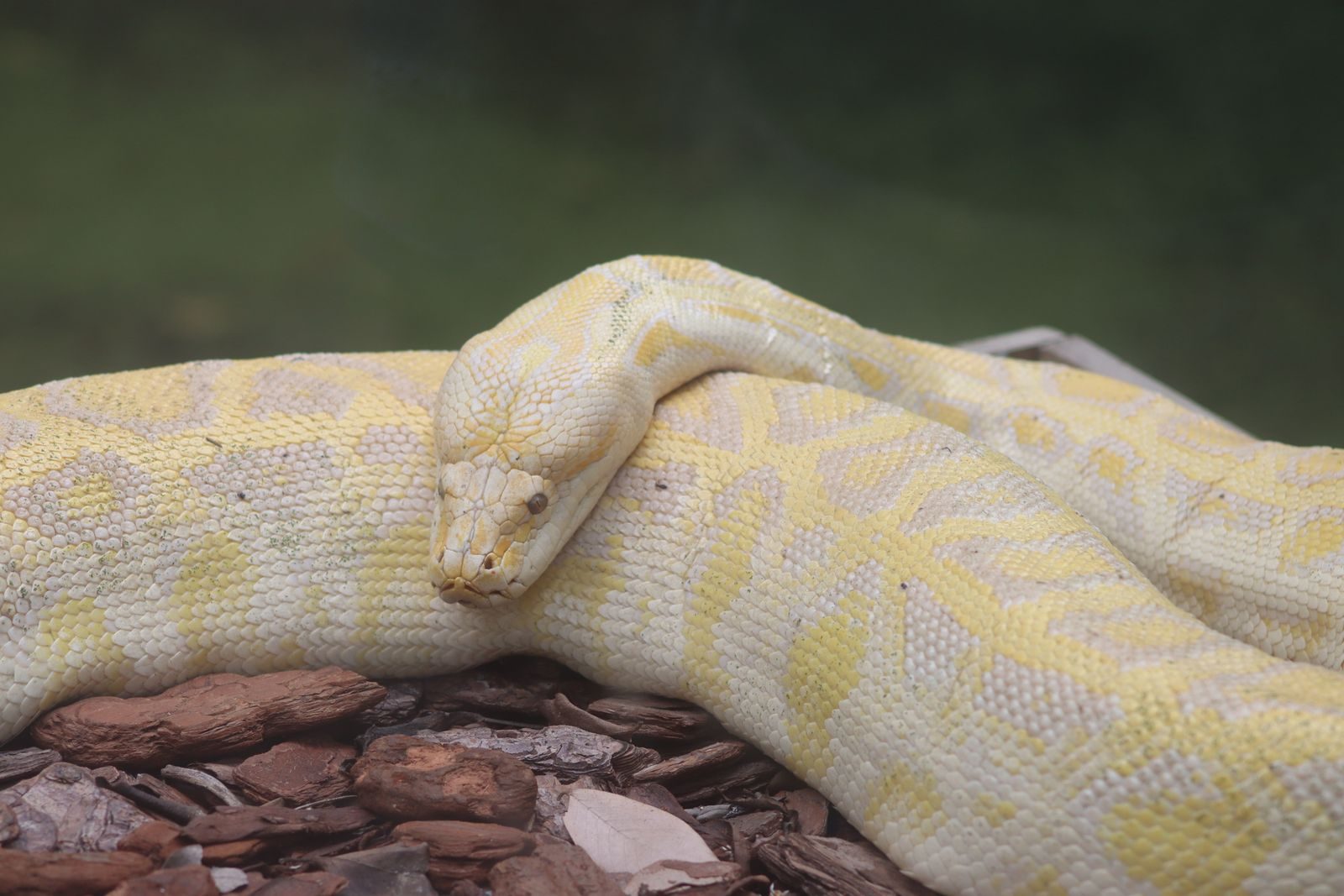
Sea snakes are highly venomous marine reptiles found mainly in tropical Indo-Pacific waters. Despite their potent venom, they generally do not behave like roaming threats to swimmers, and bites are uncommon compared with ordinary encounters at sea. Risk rises when a snake is handled, trapped in fishing gear, or otherwise unable to escape. Healthdirect treats suspected sea-snake bites as medical emergencies and recommends pressure immobilisation for a bitten limb while emergency help is arranged. The important distinction is between capability and likelihood: sea snakes can cause severe envenomation, but avoiding handling greatly reduces the chance of being bitten.
Stingrays
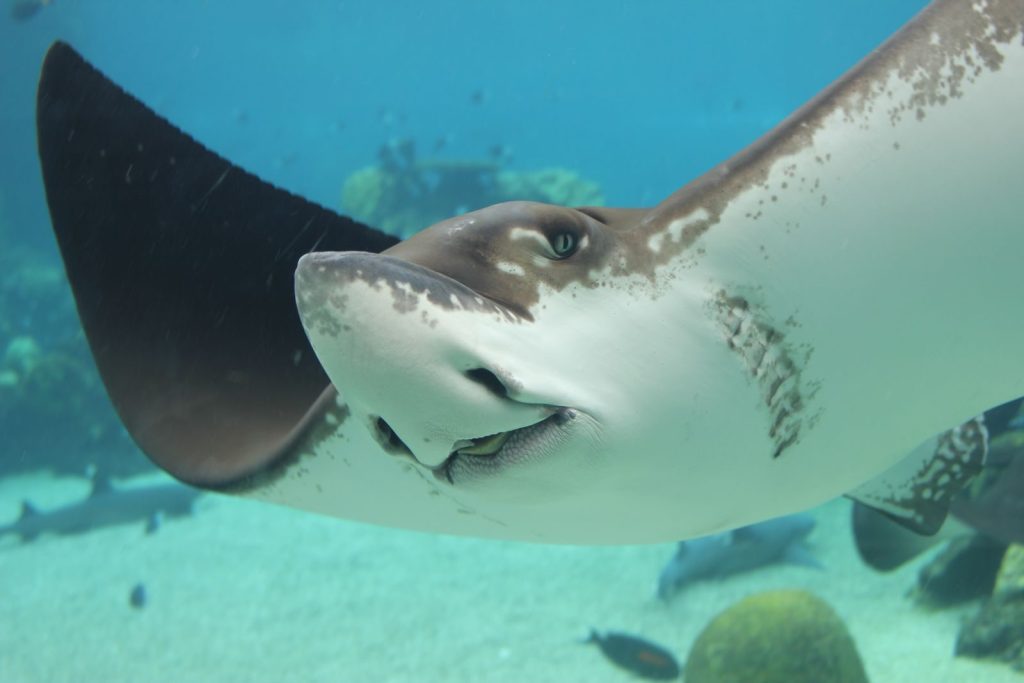
Stingrays usually rest or feed on the seafloor and are not looking for people to attack. The danger comes from the venomous spine on the tail. The Australian Museum notes that smooth stingrays can inflict severe or potentially fatal wounds, especially when a barb penetrates a vulnerable part of the body. Many injuries occur when a person accidentally steps on a buried ray and the animal lashes defensively. In shallow sandy water, shuffling rather than stomping can give rays a chance to move away. Deep puncture wounds require prompt medical care because both mechanical injury and venom may be involved.
Large Sharks
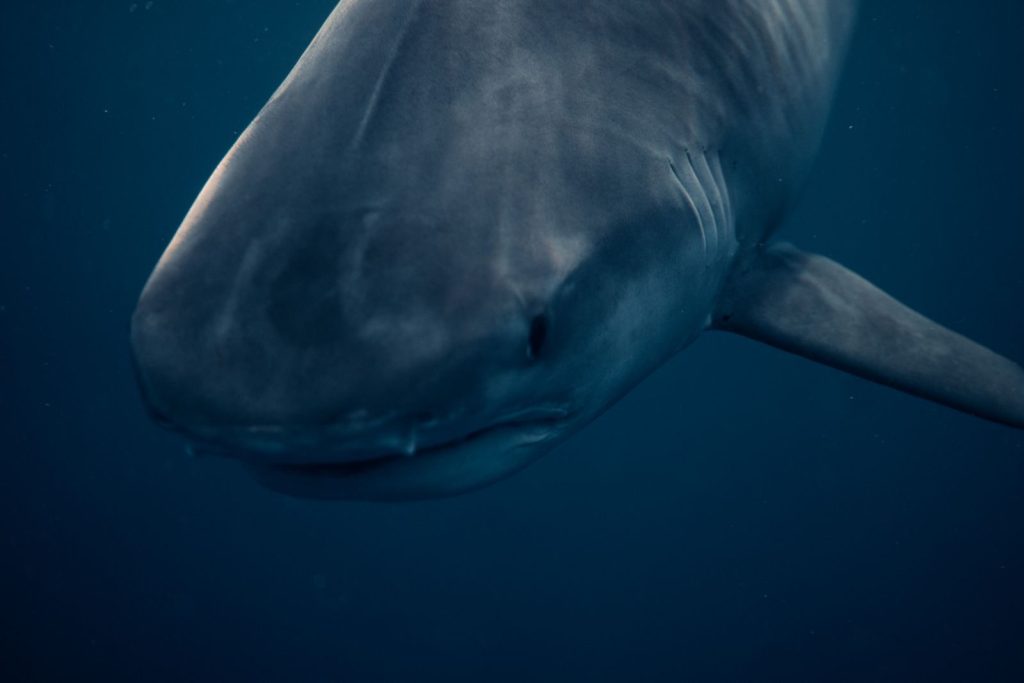
Large predatory sharks can inflict devastating injuries, but the actual frequency of unprovoked bites remains low compared with the number of people entering the ocean. The International Shark Attack File confirmed 65 unprovoked shark bites worldwide in 2025, with nine fatalities. White, tiger, and bull sharks are associated with many serious incidents because of their size, habitat overlap with people, and feeding ecology. Sharks should therefore be respected without being portrayed as routine human hunters. Following local beach advice, avoiding known high-risk conditions, and leaving sharks space are more useful than sensational fear.
Portuguese Man o’ War
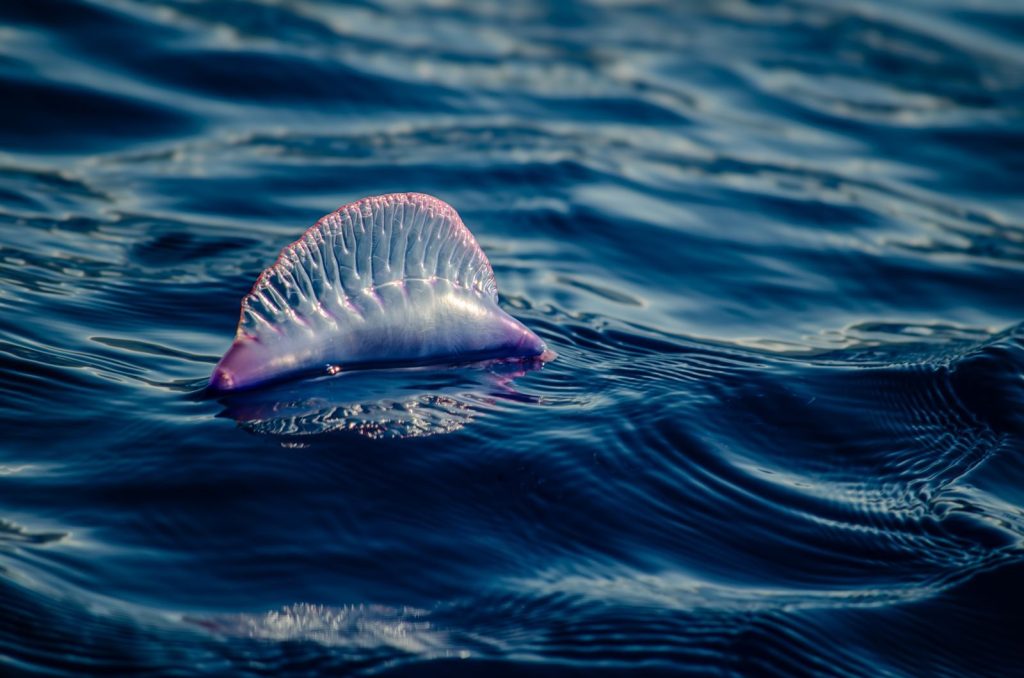
The Portuguese man o’ war is often called a jellyfish, but NOAA explains that it is actually a siphonophore: a colony of specialized organisms functioning together. Its floating blue or purple bladder trails long tentacles packed with stinging nematocysts. Contact can produce immediate pain and welts, and detached tentacles may still sting after the animal washes ashore. Human deaths are rare, so it should not be equated with the Australian box jellyfish, but its sting can still be medically significant. Beachgoers should avoid touching stranded specimens and follow local advice when large numbers drift ashore.
Featured Image: Photo by Gerald Schömbs on Unsplash