Parrots are instantly recognizable for their curved bills, expressive behavior, remarkable feet, and often spectacular plumage. Yet the parrot family is far more diverse than the familiar macaws and cockatoos seen in popular culture. BirdLife International recognizes 389 species, ranging dramatically in size, color, diet, habitat, and way of life.
Behind those brilliant feathers lies an equally fascinating collection of adaptations. Some parrots manipulate food with their feet, some imitate complicated sounds, and lorikeets possess specialized tongues for collecting nectar. Their intelligence and beauty have made parrots enormously popular with humans, but those same qualities have also contributed to serious conservation pressures in the wild.
Brilliant Plumage

Parrot colors range from deep greens that disappear into forest leaves to electric blues, reds, yellows, oranges, and intricate combinations of several shades. Color differs dramatically among the world’s 389 recognized species, making the group one of the most visually varied among birds. Their appearance is not simply decoration. Plumage can play roles in recognition, communication, and camouflage depending on the species and habitat. A scarlet macaw may seem impossible to overlook, yet even brilliantly colored parrots can become surprisingly difficult to spot among broken rainforest light.
Powerful Curved Beaks

A parrot’s strongly curved bill is one of its defining features. It can crack seeds, break into nuts, tear plant material, manipulate objects, and assist the bird as it climbs. Different species have diets shaped by their environments, including fruits, seeds, nuts, flowers, and other foods. The bill works together with a muscular tongue and remarkably dexterous feet, allowing parrots to investigate and handle food in ways that look almost hand-like. That versatility helps explain why parrots can exploit so many different ecological niches.
Gripping Parrot Feet

Parrots possess zygodactyl feet, with two toes directed forward and two backward. This arrangement creates an exceptionally useful grip for climbing branches and holding objects. Many parrots use one foot to lift food toward the bill while balancing on the other, a level of manipulation unusual among birds. San Diego Zoo notes that parrots may even favor one foot over the other, much as people show handedness. Their feet therefore function as far more than simple perches, becoming essential tools for feeding and exploration.
Clever Problem Solvers

Parrot intelligence is one reason the birds attract so much scientific attention. Their combination of strong bills, dexterous feet, social lives, and exploratory behavior allows many species to solve complicated feeding challenges. Thick-billed parrots, for example, can hold and rotate pine nuts while extracting food, and young birds learn complex feeding behavior from adults. Intelligence varies among species and individuals, but parrots repeatedly demonstrate that a bird brain can support sophisticated learning, manipulation, memory, and social interaction without resembling a mammalian brain.
Remarkable Mimicry
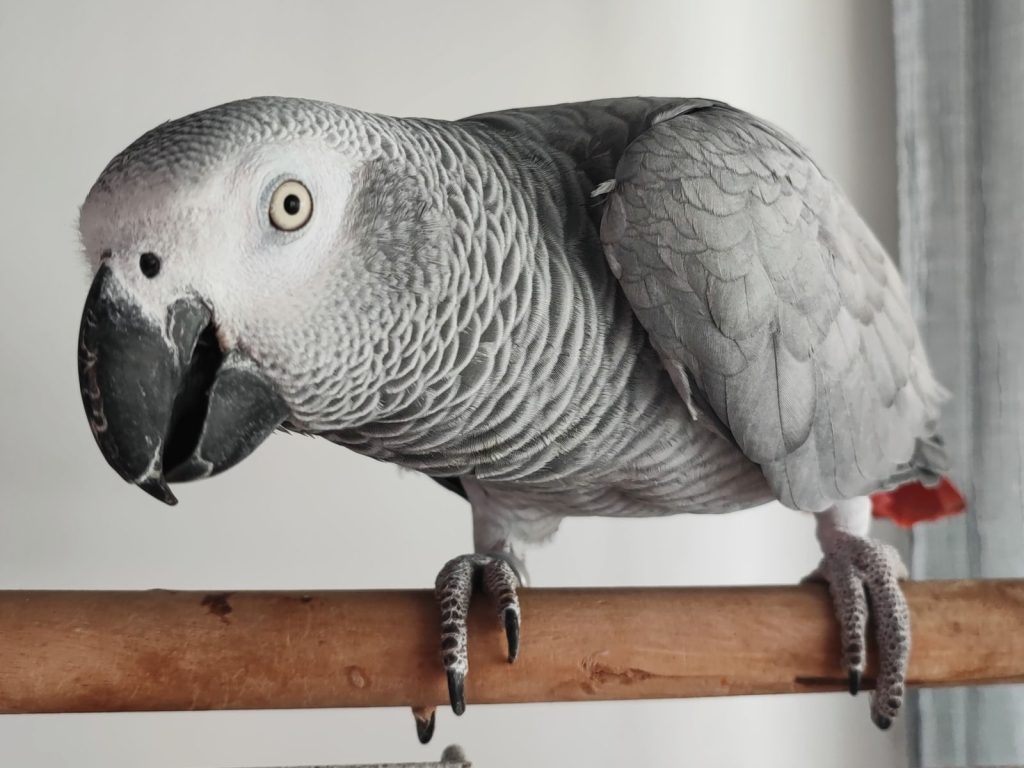
Some parrots have an extraordinary ability to copy sounds. African grey parrots are especially famous for vocal imitation, while many other species reproduce environmental noises or elements of human speech in captivity. San Diego Zoo notes that some African greys have learned very large sound vocabularies. Mimicry should not be confused automatically with understanding every copied word, but research and observation show parrots are capable learners. Their natural vocal flexibility makes sense for highly social birds that depend heavily on calls to communicate with companions.
Lorikeet Tongues
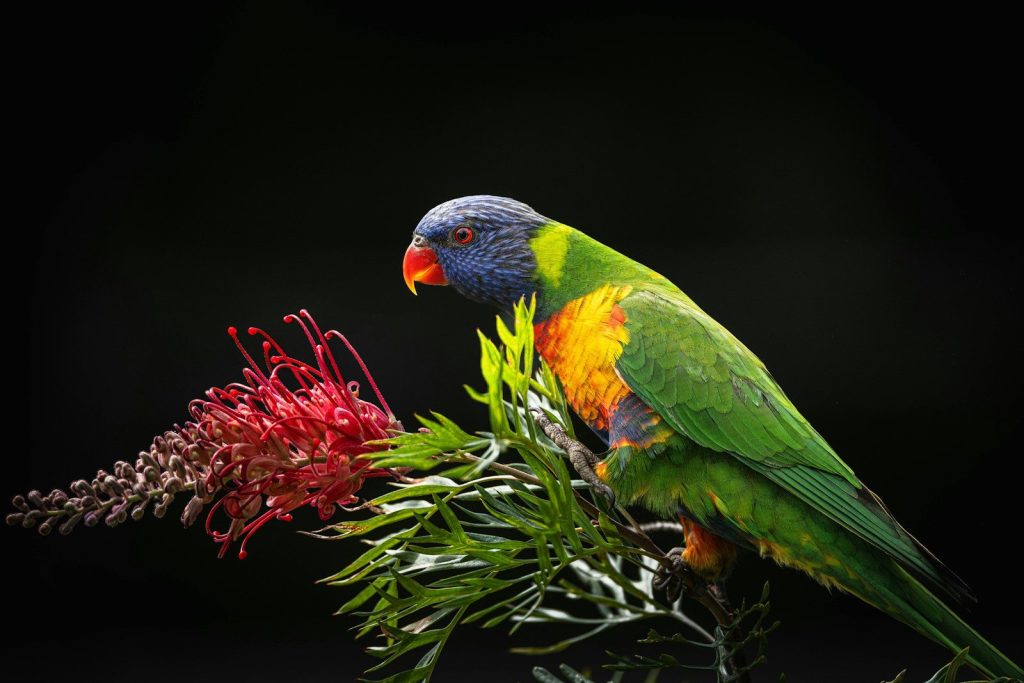
Lories and lorikeets reveal just how specialized parrots can become. Instead of relying mainly on hard seeds and nuts, many feed heavily on flowers, pollen, and nectar. Their tongues have brush-like structures that help collect liquid nectar from blossoms. Their digestive anatomy also differs from that of parrots adapted to processing tougher seed-based foods. These brightly colored birds demonstrate that the parrot body plan can be modified for a very different diet, allowing closely related birds to make a living from entirely different resources.
Size Extremes
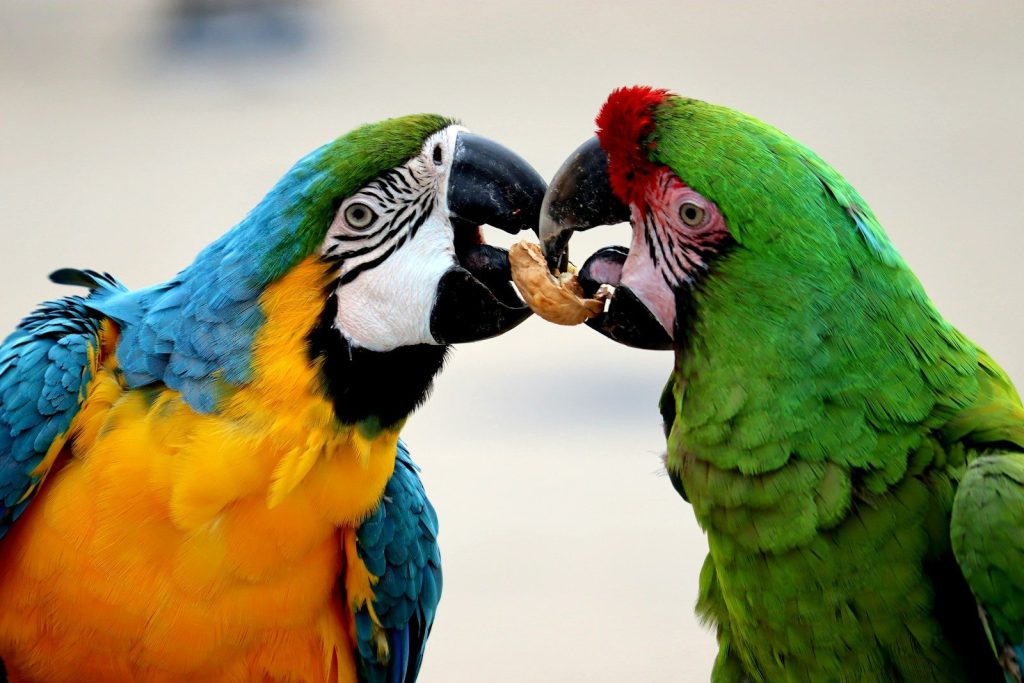
Parrots range from tiny species under about 10 centimeters long to enormous birds such as the hyacinth macaw, which can approach a meter in length. The flightless kakapo of New Zealand represents another extreme, weighing several kilograms and becoming the heaviest living parrot. These differences show why it is misleading to imagine parrots as one uniform type of tropical bird. Evolution has produced miniature forest species, powerful macaws, alpine parrots, cockatoos, nectar specialists, and even a nocturnal flightless giant within the same remarkable order.
Parrots in Trouble

Their colorful world is increasingly fragile. BirdLife International describes parrots as one of Earth’s most threatened bird groups and reports that 16 species have already been lost, including one classified as extinct in the wild. Major pressures include habitat destruction, hunting, trapping for the pet trade, and introduced predators on islands. Conservation programs range from protecting forests to controlling invasive species and carefully managing threatened populations. Saving parrots means preserving not only beautiful birds, but also seed dispersers that help maintain diverse ecosystems.
Featured Image: Photo by Jeffry Surianto on Pexels