Across forests, oceans, and grasslands, some of the world’s most incredible animals are vanishing at an alarming rate. Habitat destruction, climate change, pollution, and illegal hunting are pushing many species closer to extinction every year.
Scientists warn that some animals could disappear completely within our lifetime if conservation efforts fail. These species are not only important for ecosystems, they are also living symbols of Earth’s biodiversity crisis.
The Amur Leopard: One of the Rarest Big Cats
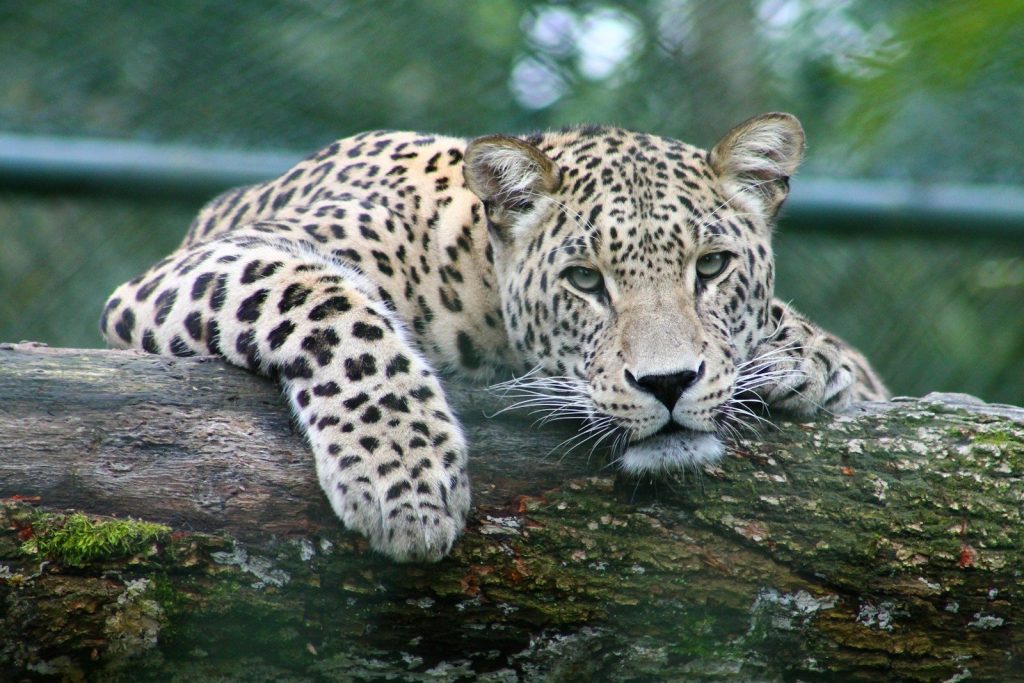
The Amur leopard is one of the rarest wild cats on Earth, living mainly in remote forests of eastern Russia and northeastern China. Its thick spotted coat helps it survive freezing temperatures.
Poaching and habitat loss have pushed the species to critically endangered status, leaving only a small population in the wild.
Vaquita: The World’s Rarest Marine Mammal
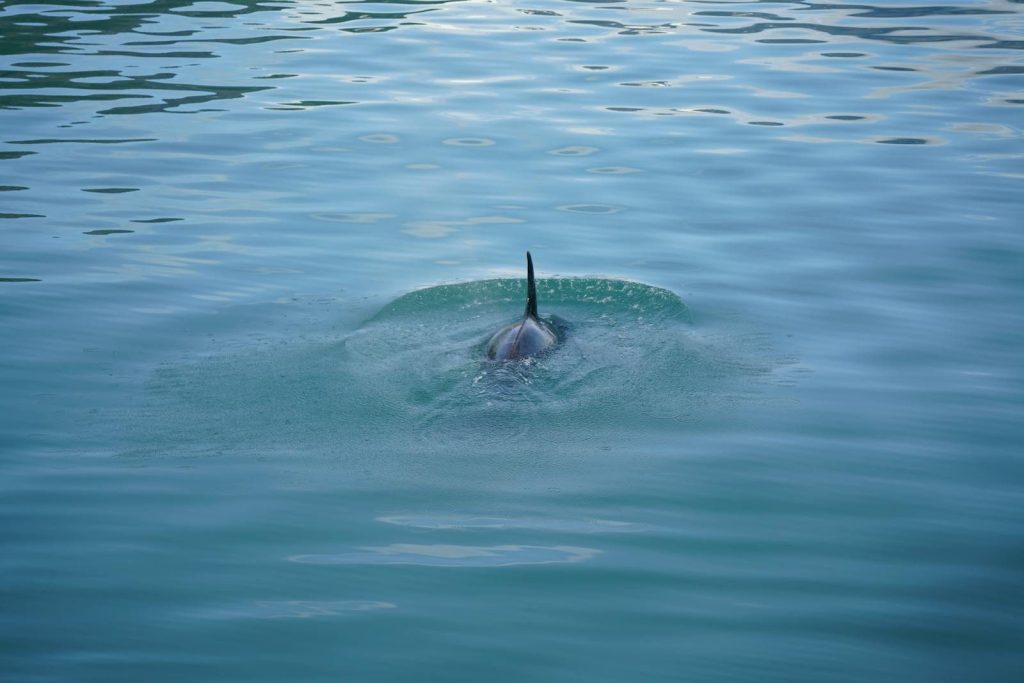
The vaquita is a tiny porpoise found only in Mexico’s Gulf of California. Scientists estimate that only a handful remain alive today.
Most deaths are caused by illegal fishing nets, which accidentally trap the animals underwater. The species is now considered extremely close to extinction.
Orangutans Are Losing Their Forest Homes
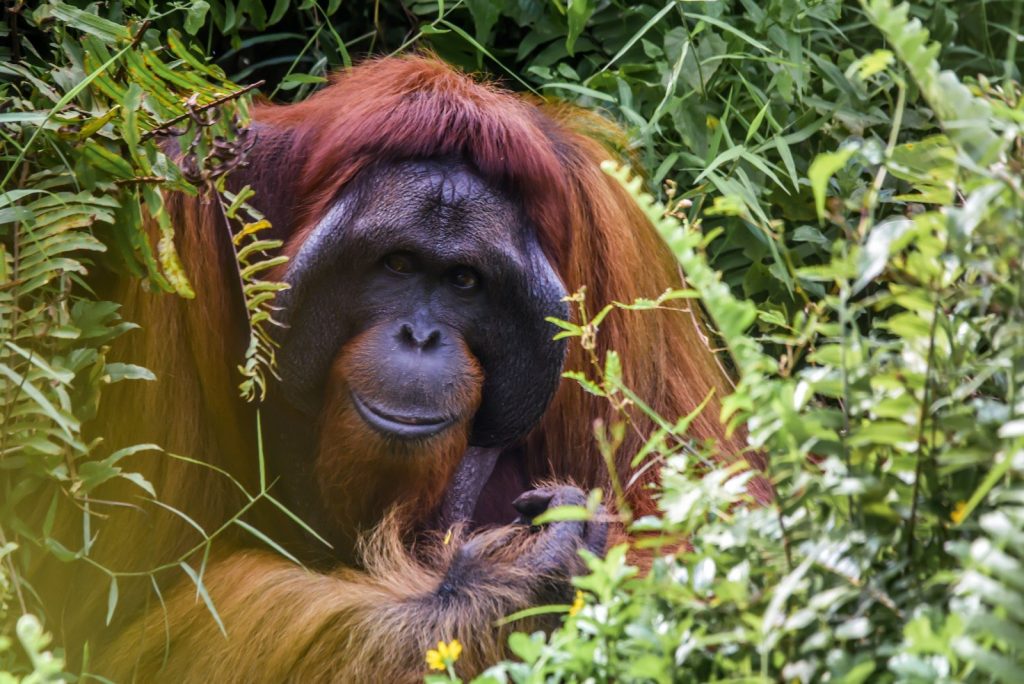
Orangutans once thrived across Southeast Asia, but large areas of rainforest have been destroyed for palm oil plantations and logging.
These intelligent primates depend heavily on forest ecosystems, and shrinking habitats continue to threaten their survival.
African Forest Elephants Are Declining Fast
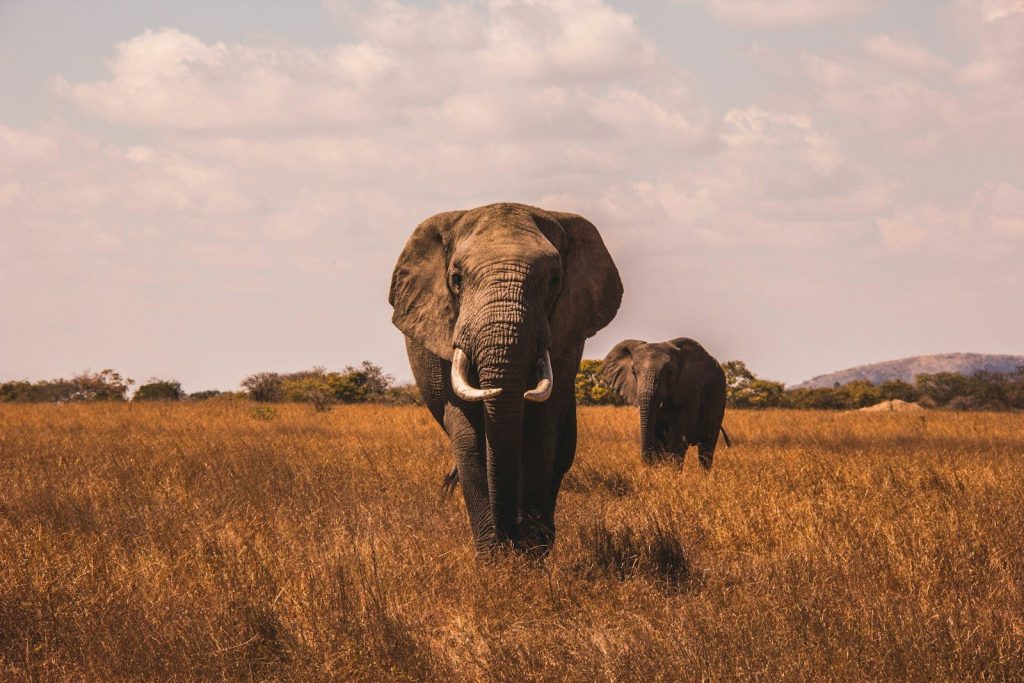
African forest elephants play a major role in maintaining healthy rainforest ecosystems. However, ivory poaching and habitat destruction have devastated their populations.
Compared to savanna elephants, forest elephants are smaller and more elusive, making population monitoring difficult.
Pangolins: The Most Trafficked Mammals on Earth
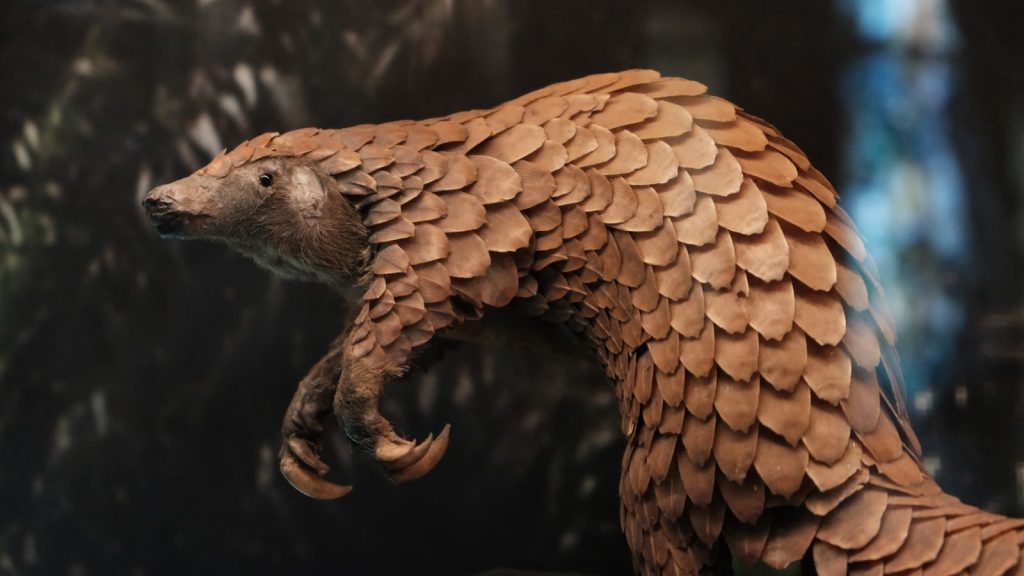
Pangolins are shy, scale-covered mammals found in Asia and Africa. Despite their unusual appearance, they are heavily targeted by illegal wildlife trafficking networks.
Their scales and meat are sold illegally, causing massive population declines across several species.
The Northern White Rhino’s Final Struggle
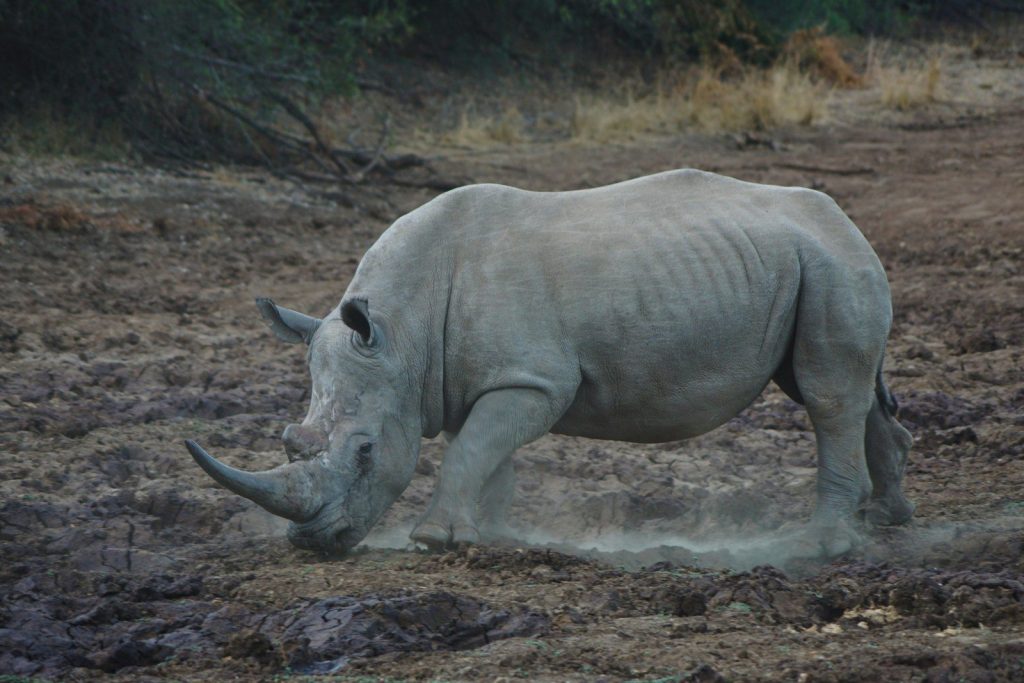
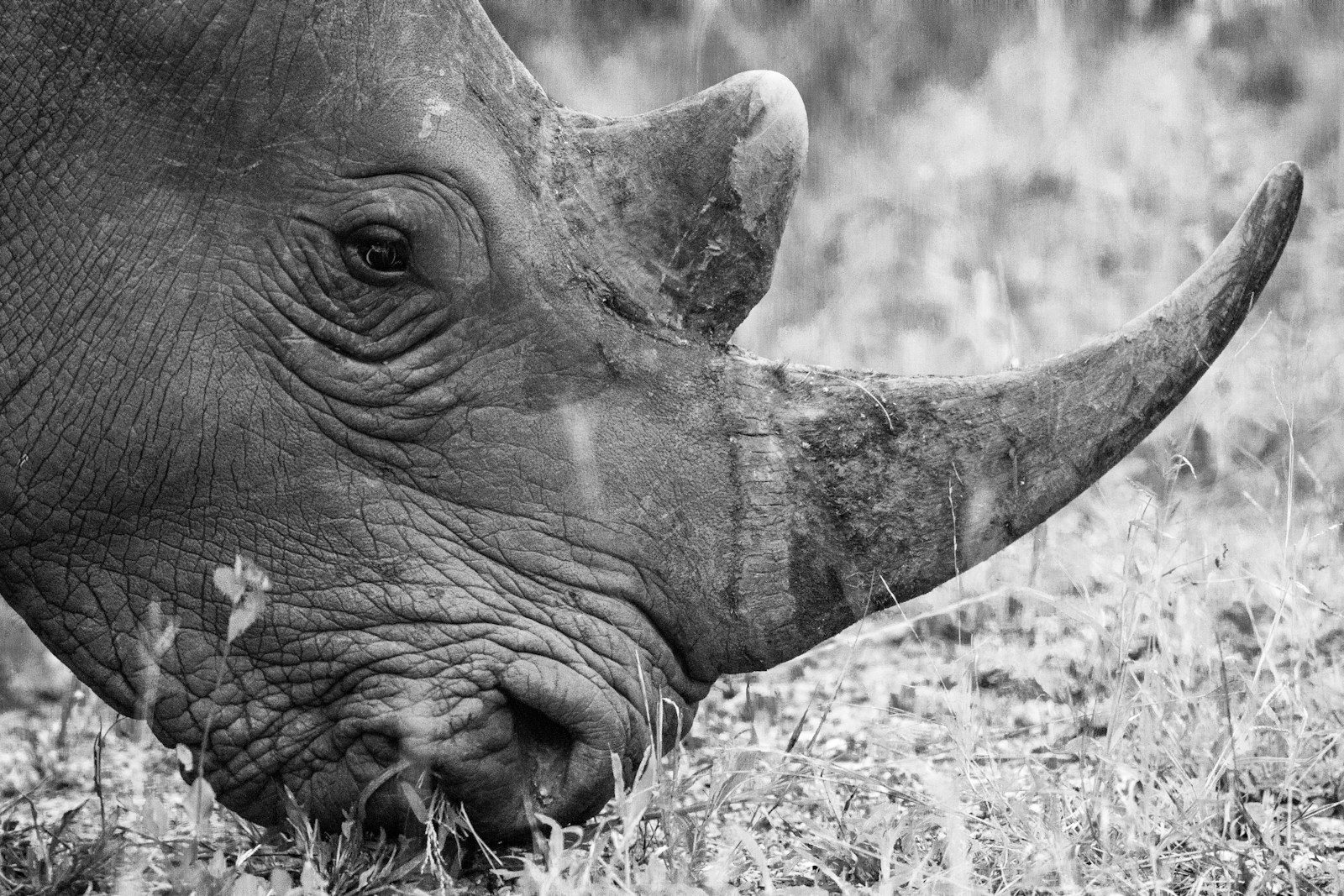
The northern white rhino is now functionally extinct, with only two females remaining under constant protection. Decades of poaching pushed the species to collapse.
Scientists are attempting advanced breeding programs in hopes of saving the subspecies from disappearing completely.
Why Extinction Is Accelerating

Human activity is changing ecosystems faster than many species can adapt. Deforestation, pollution, overfishing, and climate shifts continue to increase pressure on wildlife worldwide.
Experts warn that protecting habitats and reducing illegal wildlife trade are critical if future extinctions are to be prevented.