Skip to content

Recent Posts

  • What Happens When a Hungry Polar Bear Approaches Humans in the Arctic
  • Are We Living Through Earth’s Sixth Mass Extinction?
  • Cows Shock Farmer by Protecting Wild Duck Eggs From Predators
  • The Snake Filled National Parks Every Hiker Should Know About
  • Powerful Animals That Can Defeat a Crocodile

Most Used Categories

  • Nature & Wildlife (51)
  • Risk (19)
  • Hunting (15)
  • Bees/Swarms fear (10)
  • Survival (9)
  • Exotic Animals (7)
  • Suspense (6)
  • Human Interest (4)
  • Adventure (3)
  • Gears (2)
Skip to content
  • About Us
  • Contact Us
  • Disclaimer
  • Privacy Policy
  • Terms & Conditions

Hive Hunters Tales

  • Suspense
  • Nature & Wildlife
  • Human Interest
  • Hunting
  • Bees/Swarms fear
  • Exotic Animals
  • Risk
  • Survival
  • Adventure
  • Gears
  • Home
  • Nature & Wildlife
  • The Snake Filled National Parks Every Hiker Should Know About
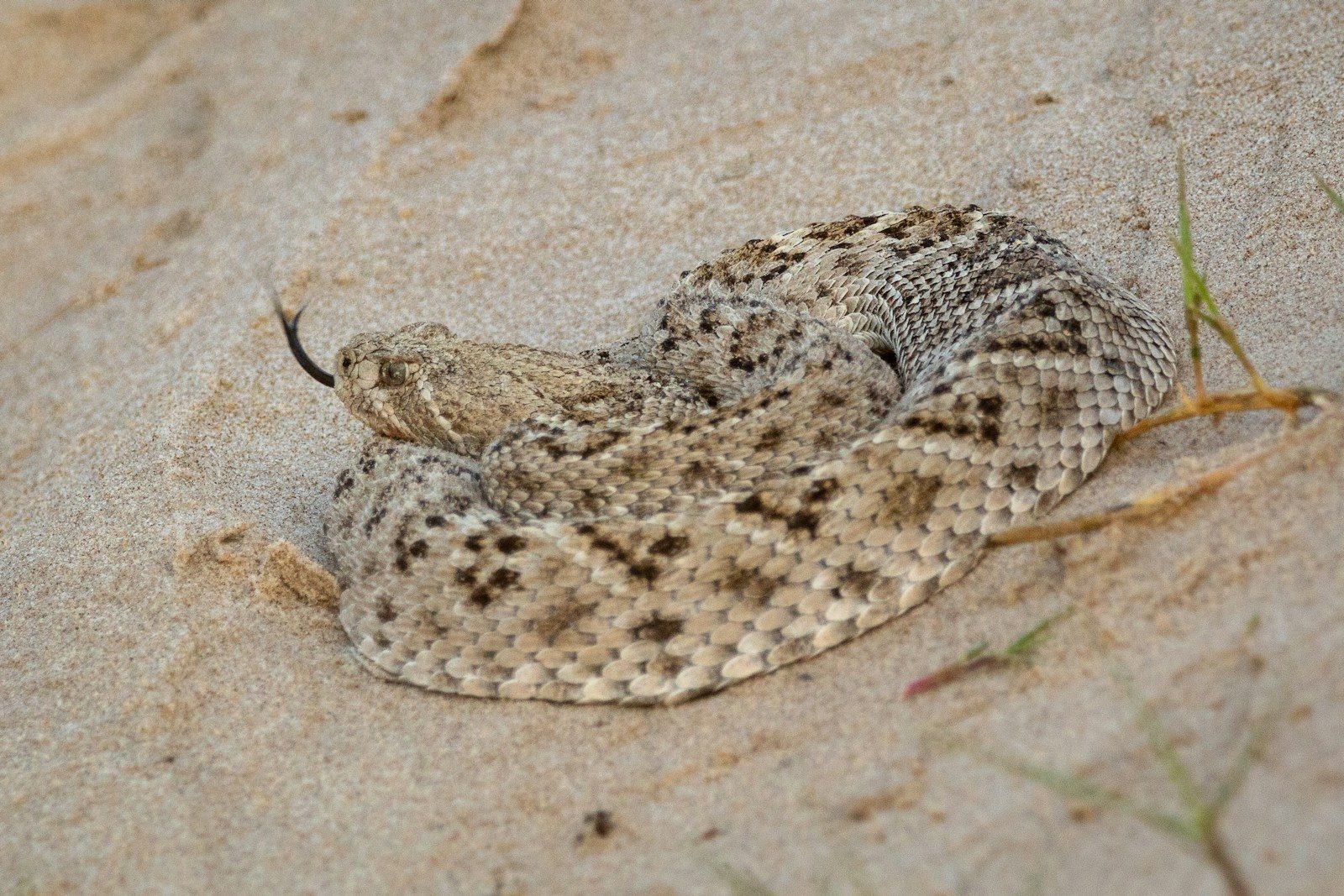
white and brown snake on brown sand

The Snake Filled National Parks Every Hiker Should Know About

JakeMay 25, 2026May 25, 2026

Snakes are among the most misunderstood animals in the wild. While many people fear them, these reptiles play a critical role in healthy ecosystems by controlling rodent populations and maintaining natural balance. Across the United States, several national parks are especially well known for their large variety of snakes, including venomous species.

Wildlife experts say most snake encounters are harmless as long as visitors remain calm and keep their distance.

Big Bend National Park
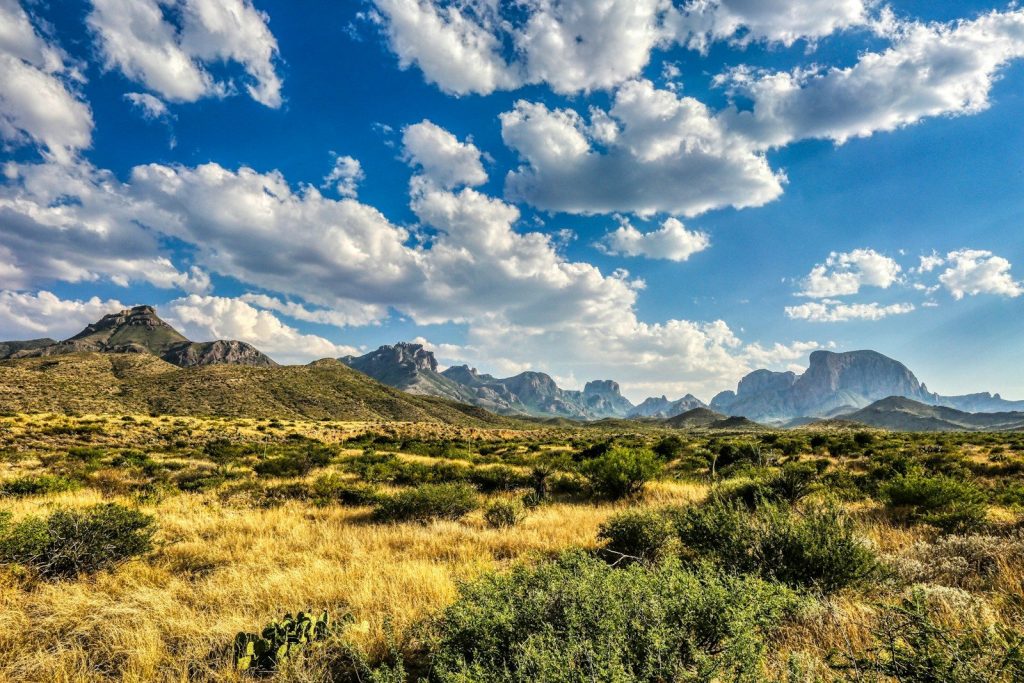
green grass field near mountains under blue sky and white clouds during daytime
Photo by Mick Haupt on Unsplash

Big Bend National Park is often considered one of the snake richest national parks in North America. Located in the deserts of Texas, the park contains a huge diversity of reptile species thanks to its warm climate and varied habitats.

Visitors may encounter western diamondback rattlesnakes, copperheads, and several nonvenomous species throughout the park.

Everglades National Park
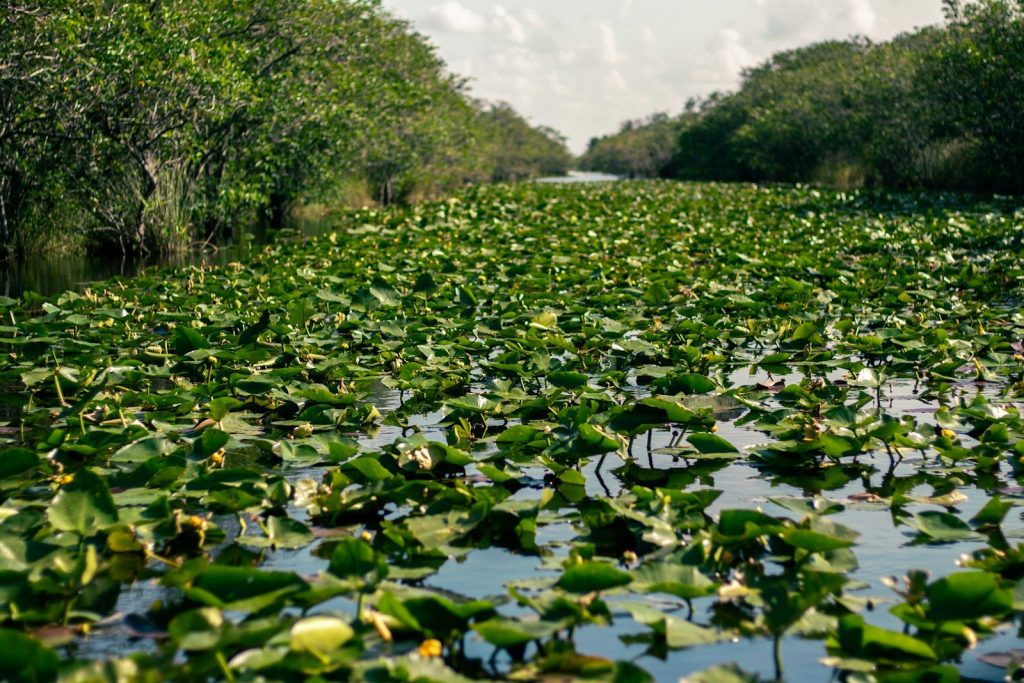
a river filled with lots of water lilies
Photo by Andy Cheng on Unsplash

Everglades National Park is famous for its reptiles, including both native snakes and invasive species like Burmese pythons. The wetlands provide ideal conditions for snakes that thrive in humid environments.

Many snakes in the Everglades are harmless, but venomous species such as cottonmouths and coral snakes also live there.

Great Smoky Mountains National Park
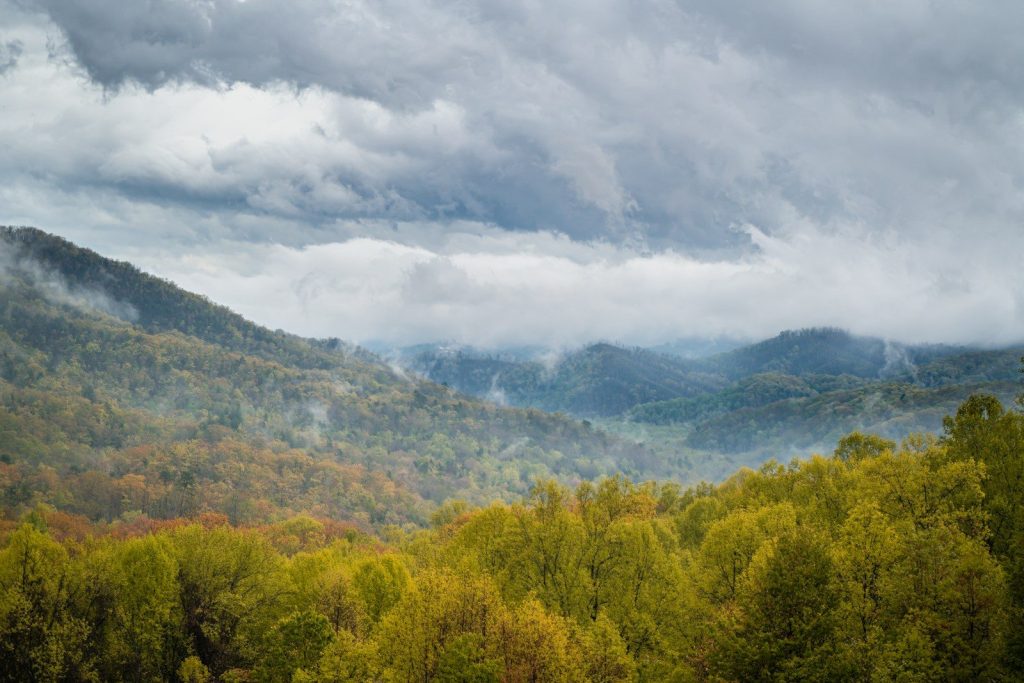
green trees on mountain under white clouds during daytime
Photo by A n v e s h on Unsplash

Great Smoky Mountains National Park and North Carolina contain dozens of snake species living among forests, streams, and rocky terrain.

Although the park has venomous snakes like timber rattlesnakes and copperheads, experts say bites remain extremely rare because snakes generally avoid people.

Saguaro National Park
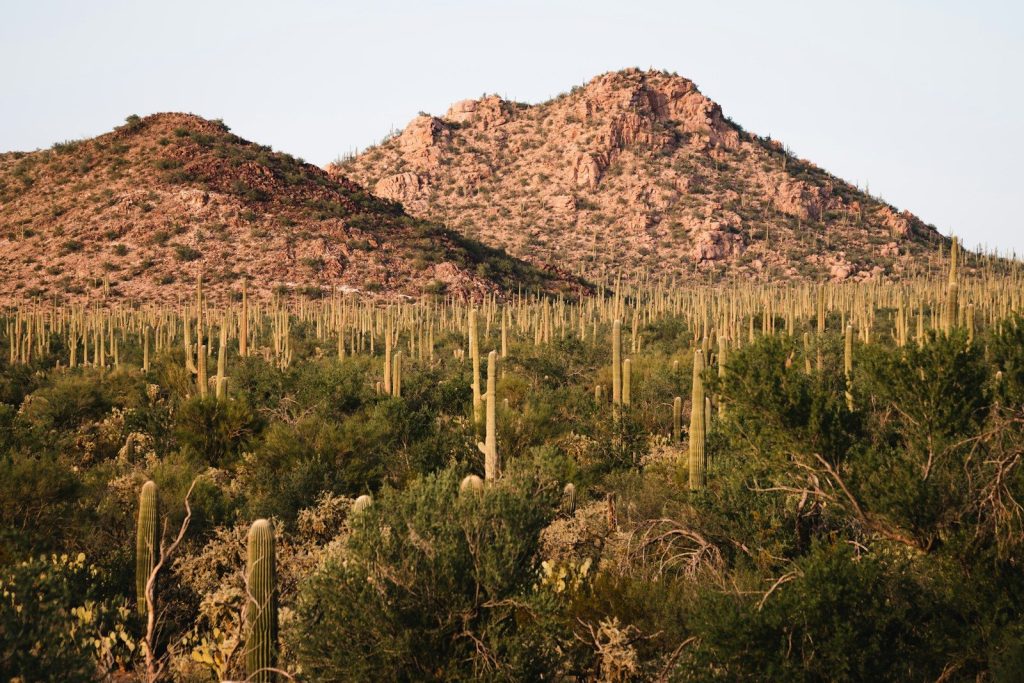
a desert landscape with a mountain in the background
Photo by Jacob Diehl on Unsplash

Saguaro National Park is home to several desert adapted snakes, including rattlesnakes that blend almost perfectly into rocky landscapes.

Hikers are encouraged to stay alert on trails, especially during warmer months when snakes are more active.

Congaree National Park
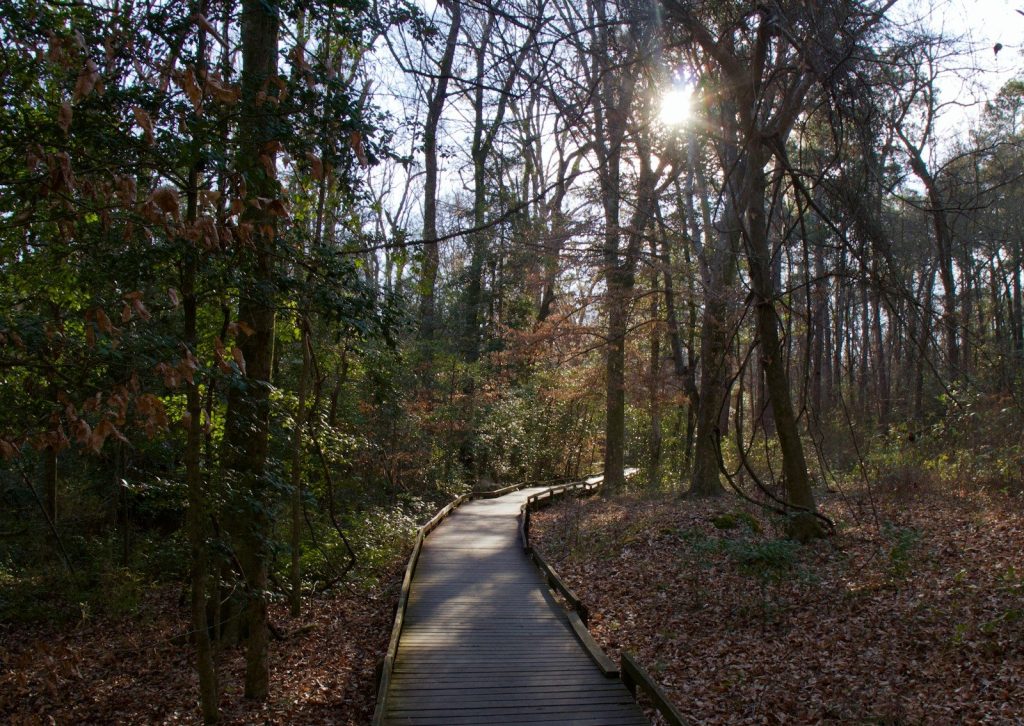
brown wooden pathway between trees during daytime
Photo by Leslie Cross on Unsplash

Congaree National Park contains swampy forests and wetlands that support a wide range of reptiles. Water loving snakes are especially common in the park’s floodplain ecosystem.

Wildlife experts stress that snakes are an important part of maintaining ecological balance in these habitats.

What To Do If You Spot a Snake
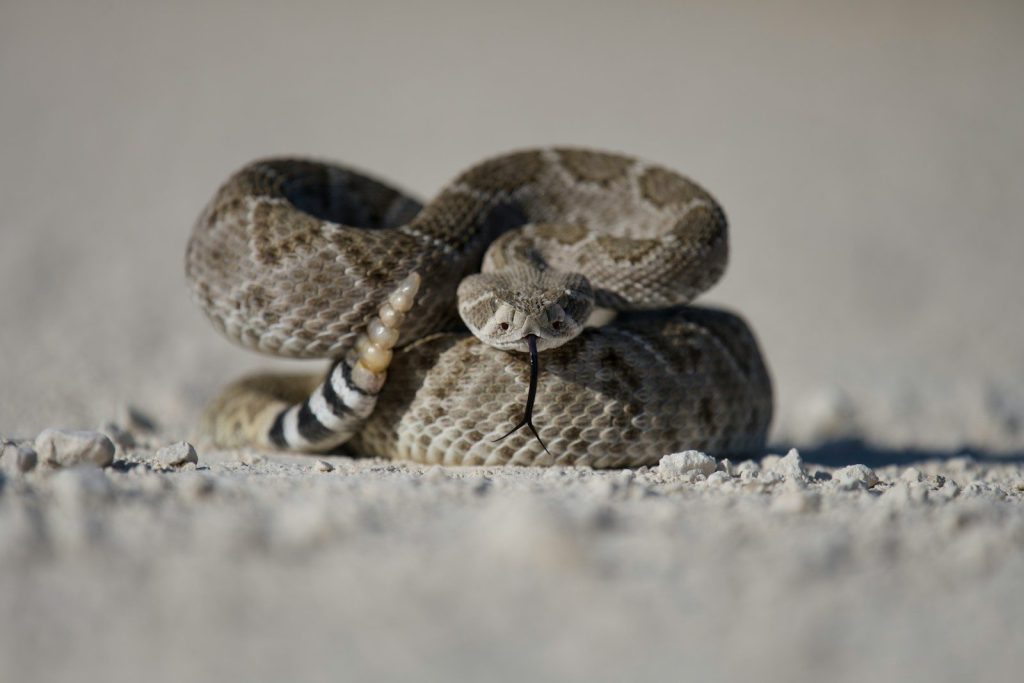
brown and black snake on white sand
Photo by Duncan Sanchez on Unsplash

Experts recommend staying calm and keeping at least six feet away from any snake you encounter. Most bites happen when people try to touch, move, or kill snakes.

Using binoculars or zoom lenses is the safest way to observe wildlife without disturbing it.

If You’re Bitten by a Snake
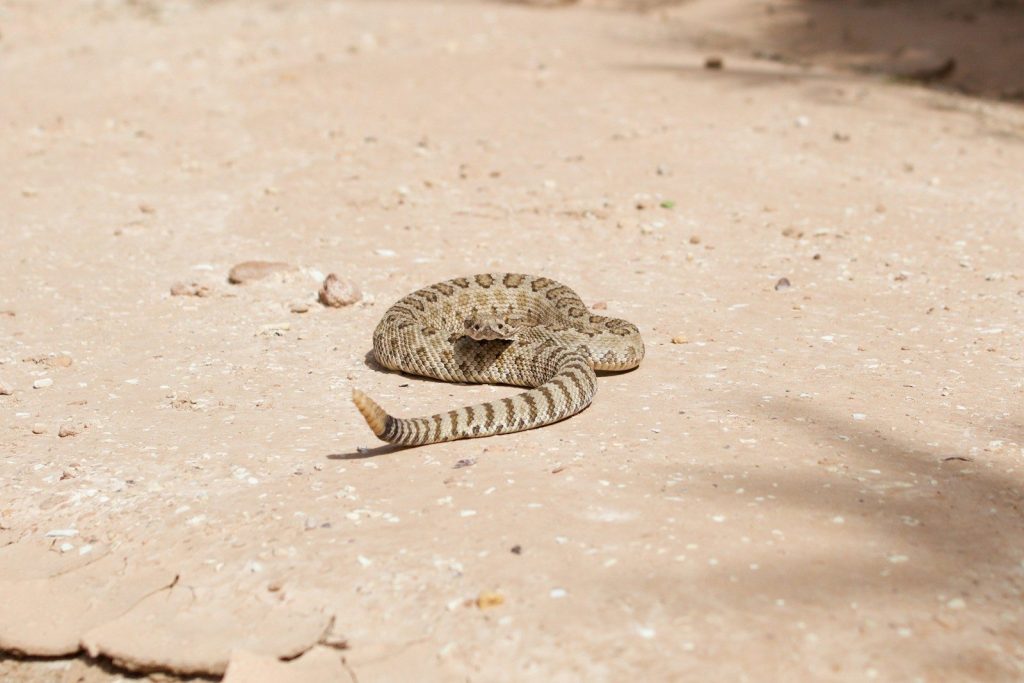
brown and black snake on brown sand during daytime
Photo by Cy Lindberg on Unsplash

Medical experts advise seeking emergency care immediately after any venomous snakebite. Trying outdated methods like cutting the wound or using suction devices can make the situation worse.

The best response is to stay calm, limit physical activity, and get professional medical help as quickly as possible.

Post navigation

Previous: Powerful Animals That Can Defeat a Crocodile
Next: Cows Shock Farmer by Protecting Wild Duck Eggs From Predators

Related Posts

a cow standing in a field with a bird on top of it

Cows Shock Farmer by Protecting Wild Duck Eggs From Predators

May 25, 2026May 25, 2026 Jake
A crocodile rests on the sandy shore of a river in Puerto Vallarta, Jalisco, Mexico.

Powerful Animals That Can Defeat a Crocodile

May 25, 2026May 25, 2026 Jake
two white-and-pink flamingoes running on water

Wildlife Facts That Sound Too Strange To Be Real

May 25, 2026May 25, 2026 Jake

Leave a Reply Cancel reply

Your email address will not be published. Required fields are marked *

Recent Posts

  • What Happens When a Hungry Polar Bear Approaches Humans in the Arctic
  • Are We Living Through Earth’s Sixth Mass Extinction?
  • Cows Shock Farmer by Protecting Wild Duck Eggs From Predators
  • The Snake Filled National Parks Every Hiker Should Know About
  • Powerful Animals That Can Defeat a Crocodile
Copyright All Rights Reserved | Theme: BlockWP by Candid Themes.