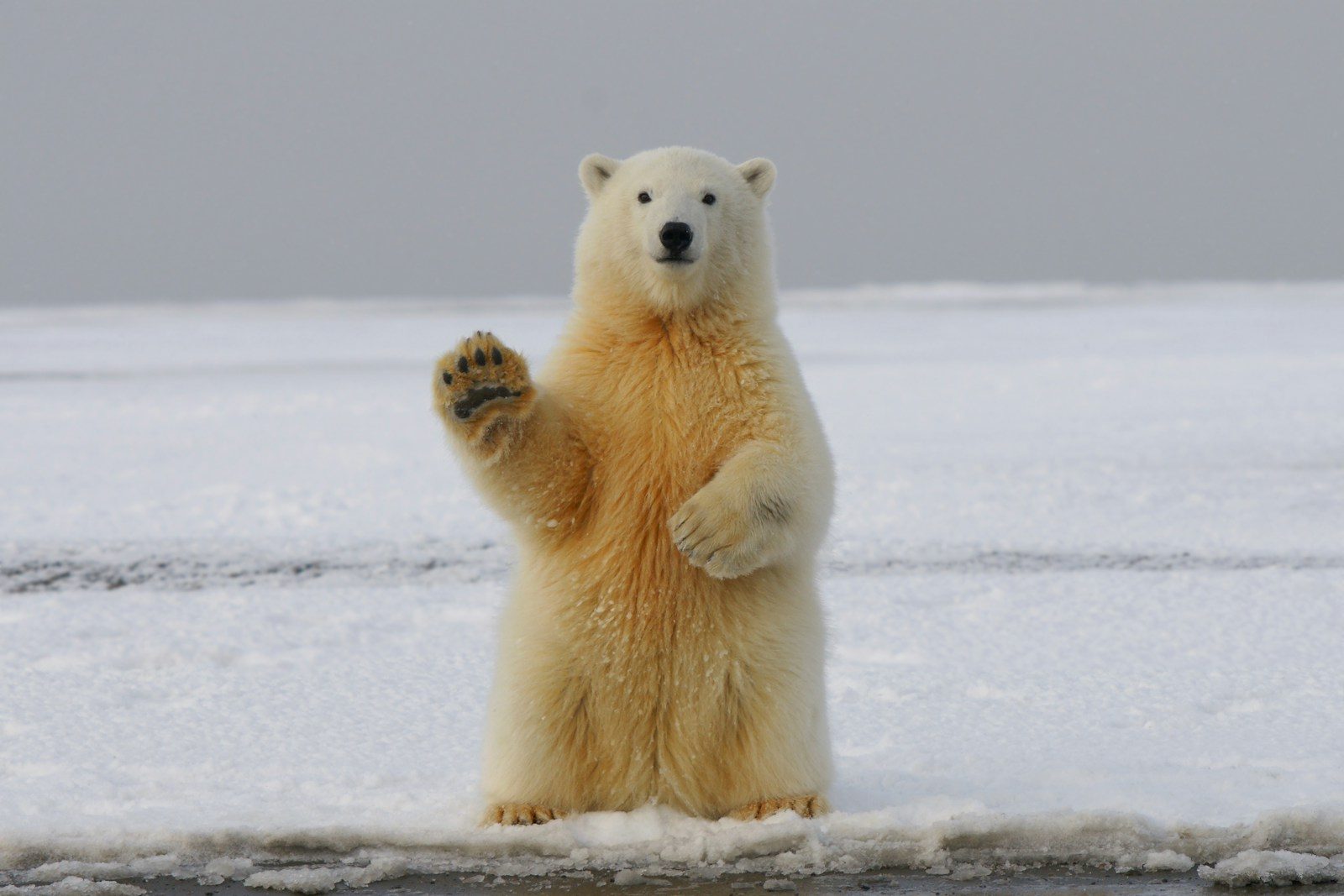
Polar bears are among the most powerful predators on Earth, perfectly adapted to survive in some of the harshest environments imaginable. But as Arctic ice continues shrinking and food becomes harder to find, dangerous encounters between polar bears and humans are becoming more common.
In rare situations, hungry polar bears may begin viewing people as potential prey.
Why Polar Bears Are Approaching Humans
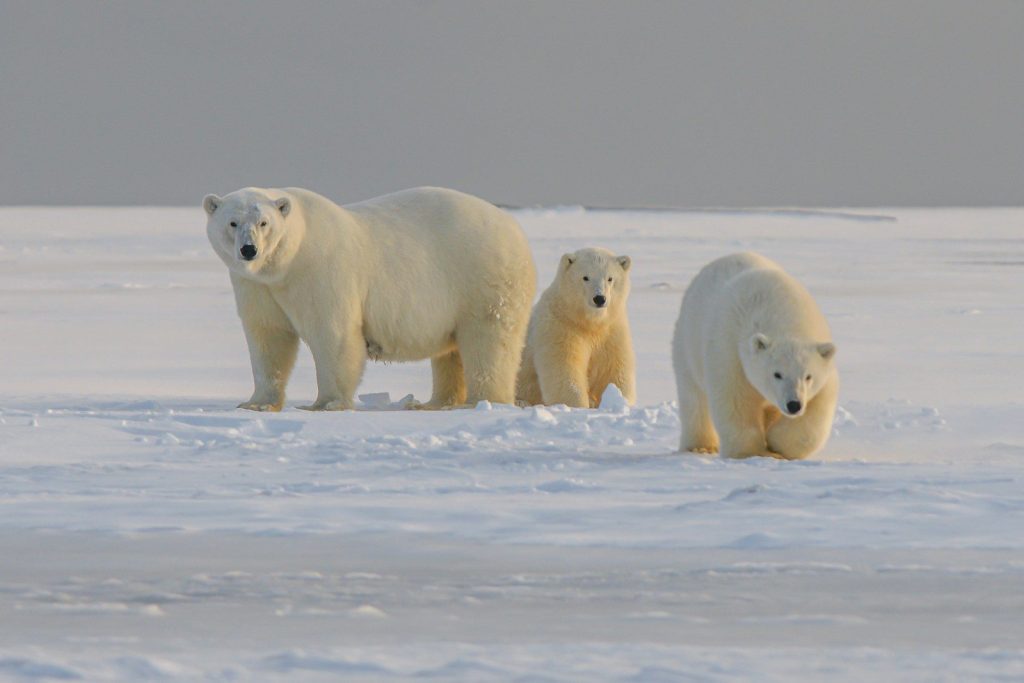
Polar bears rely heavily on sea ice to hunt seals, their primary food source. As warming temperatures reduce Arctic ice coverage, bears are being forced to travel longer distances and spend more time on land searching for food.
This increases the chances of encounters near research stations, villages, camps, and tourists exploring the Arctic.
Polar Bears Are Different From Other Bears
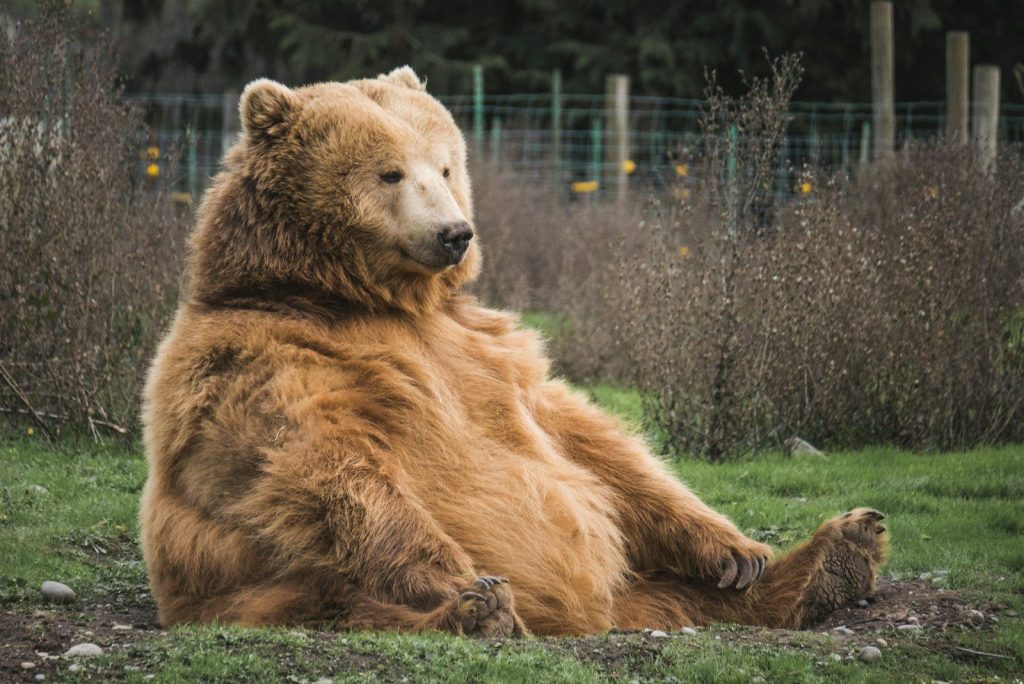
Wildlife experts warn that polar bears behave differently from species like black bears or grizzlies. While many bears attack defensively, polar bears are natural hunters that may approach humans out of curiosity or hunger.
Because they are apex predators, they can become extremely dangerous if they decide to investigate people closely.
Signs a Polar Bear May Be Hunting
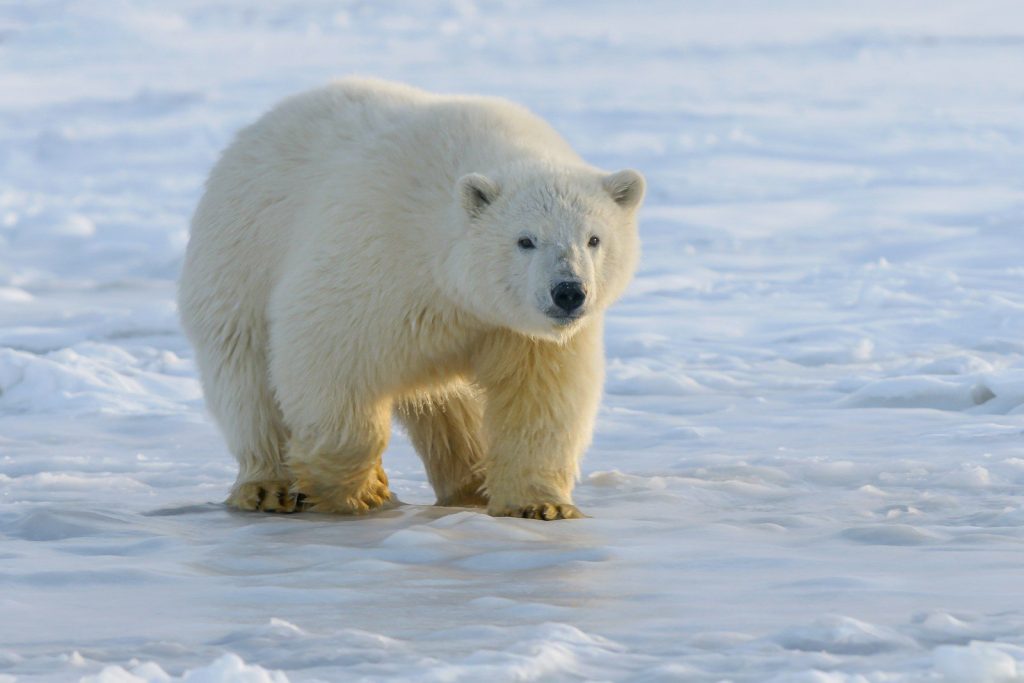
Researchers say a curious bear often moves cautiously and may keep its distance. A hunting polar bear, however, may quietly follow humans, approach directly, or show unusual persistence.
Experts stress that any close encounter with a polar bear should be treated seriously.
How Arctic Communities Protect Themselves
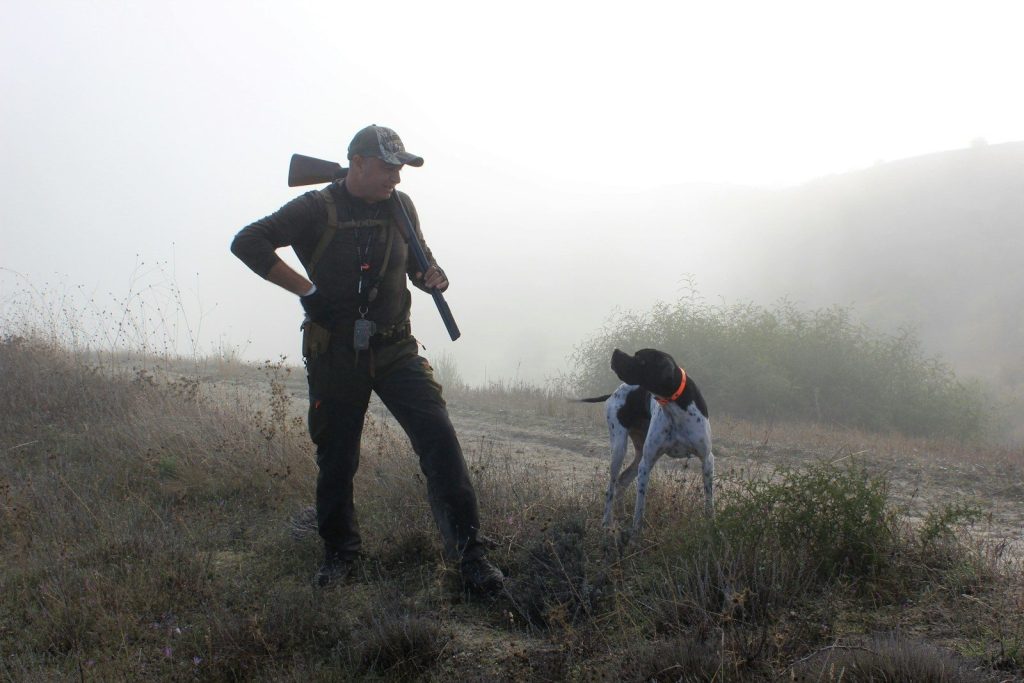
People living in Arctic regions use several methods to discourage polar bears from approaching settlements. These include patrol teams, noise deterrents, flares, trained dogs, and secure food storage systems.
In some remote areas, guards are assigned to watch for bears during outdoor activities.
What To Do During an Encounter
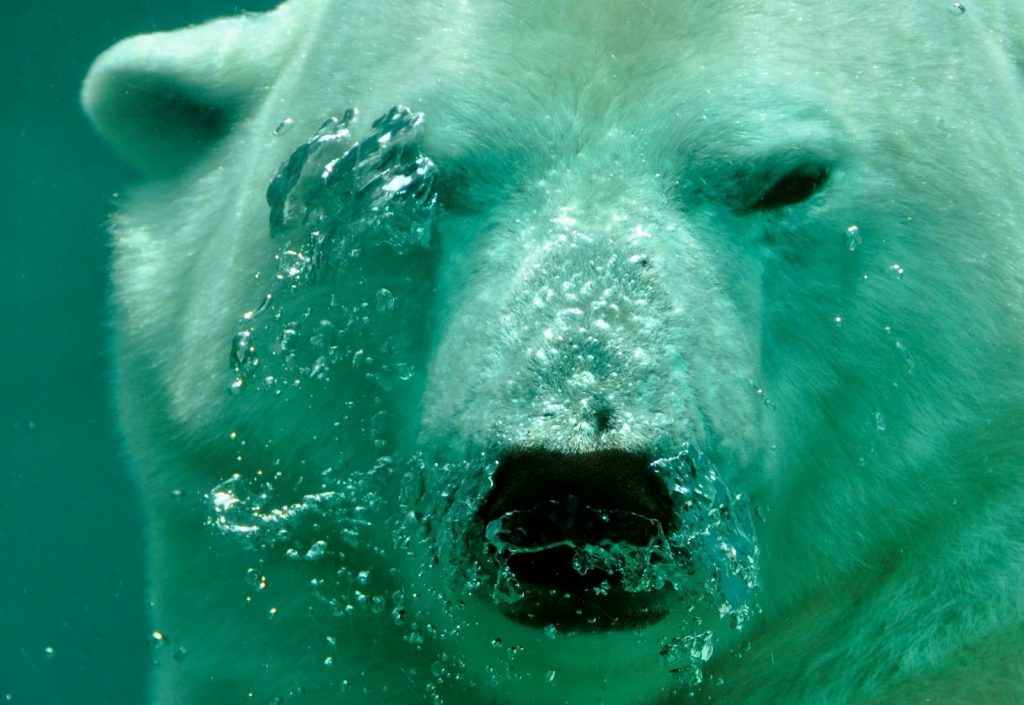
Wildlife officials advise staying calm and never running from a polar bear. Running can trigger a chase response. People are encouraged to group together, appear large, make noise, and slowly back away while keeping eyes on the animal.
If deterrents such as bear spray or flares are available, they should only be used when necessary and by trained individuals.
Climate Change and Rising Encounters
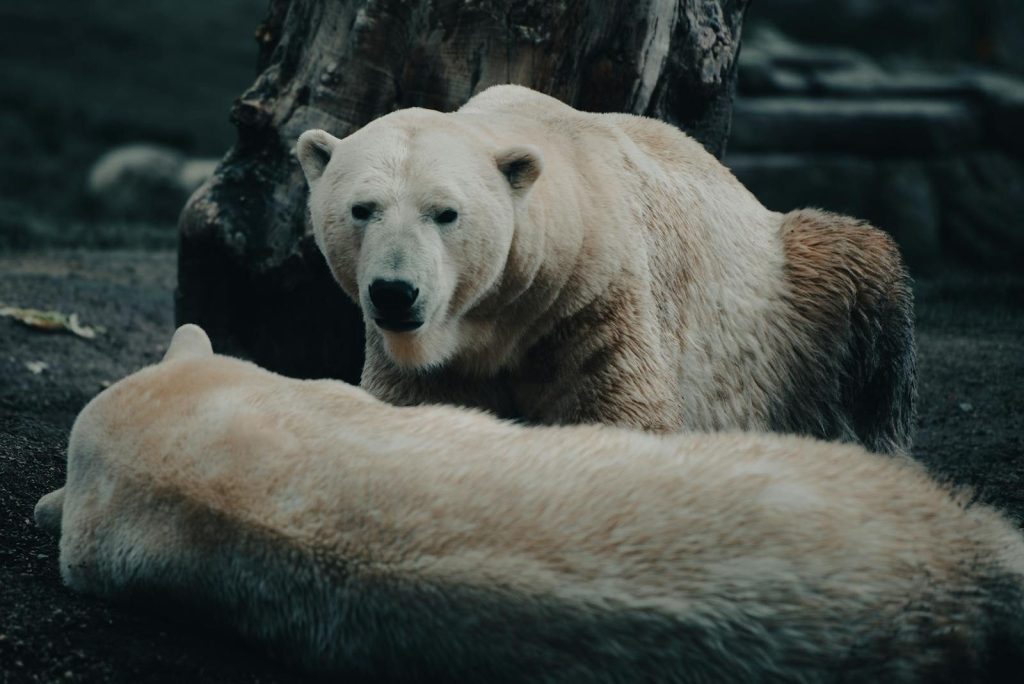
Scientists believe climate change is increasing stress on polar bear populations by reducing access to hunting grounds. Hungry bears may become bolder as they struggle to find enough food.
This growing overlap between humans and polar bears is becoming one of the Arctic’s most serious wildlife challenges.
Final Thoughts
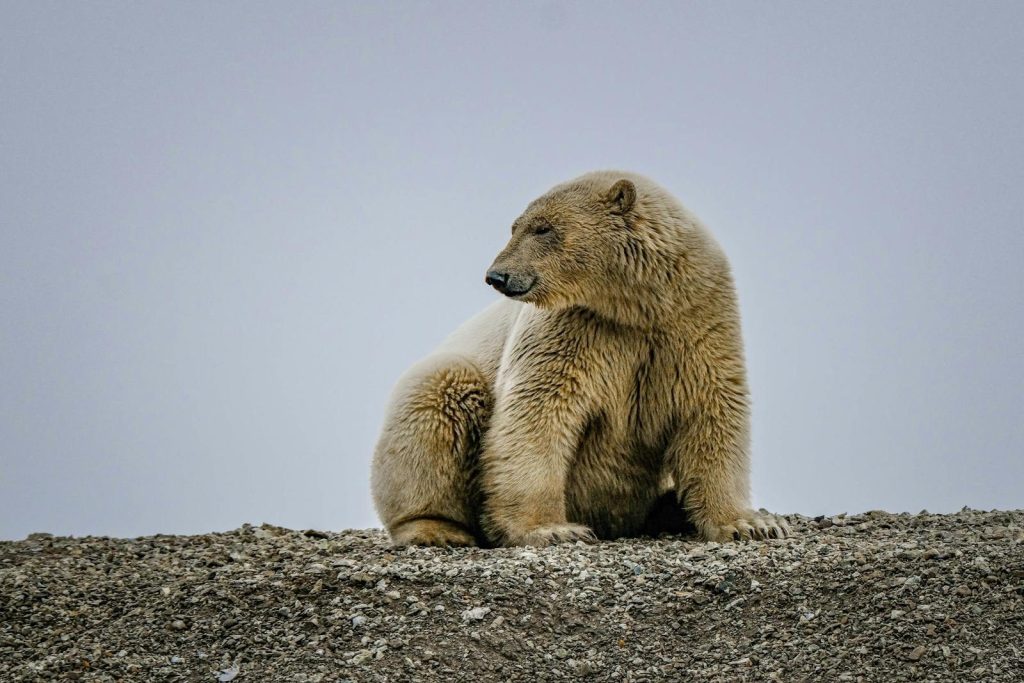
Polar bears remain one of nature’s most iconic predators, but they are also increasingly vulnerable animals facing rapid environmental change. While attacks on humans are still rare, experts warn that shrinking Arctic habitats may continue pushing bears closer to people in search of survival.
For those visiting or living in polar bear territory, awareness and caution are more important than ever.