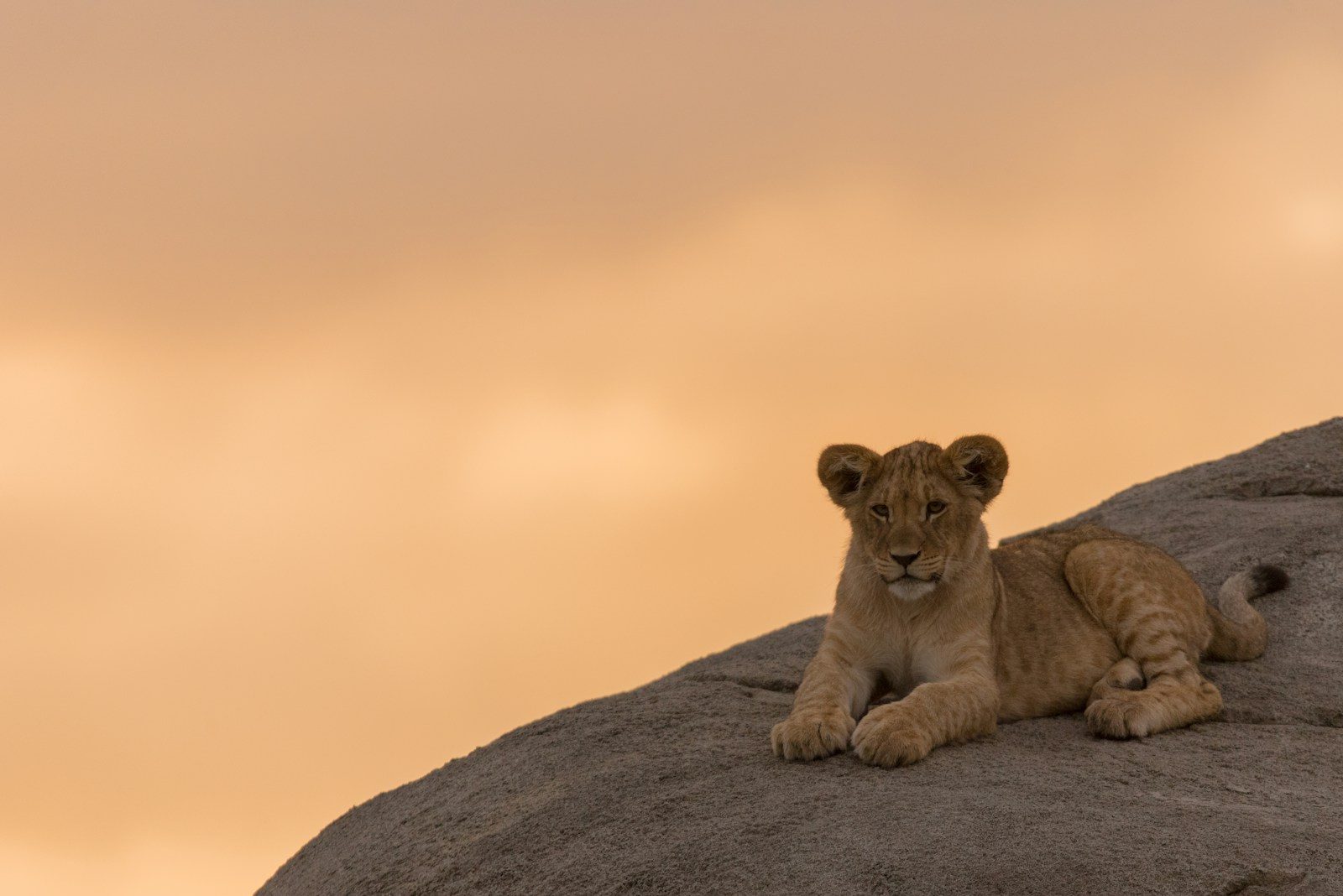
A young lion cub was separated from her mother after concerns for her safety, leaving her vulnerable and alone at a very early stage of life. Without the care of a lioness, her chances of survival in a natural setting would have been extremely low.
What happened next, however, became an unexpected story of cross-species bonding that surprised even animal caretakers.
Why the Cub Was Separated From Her Mother
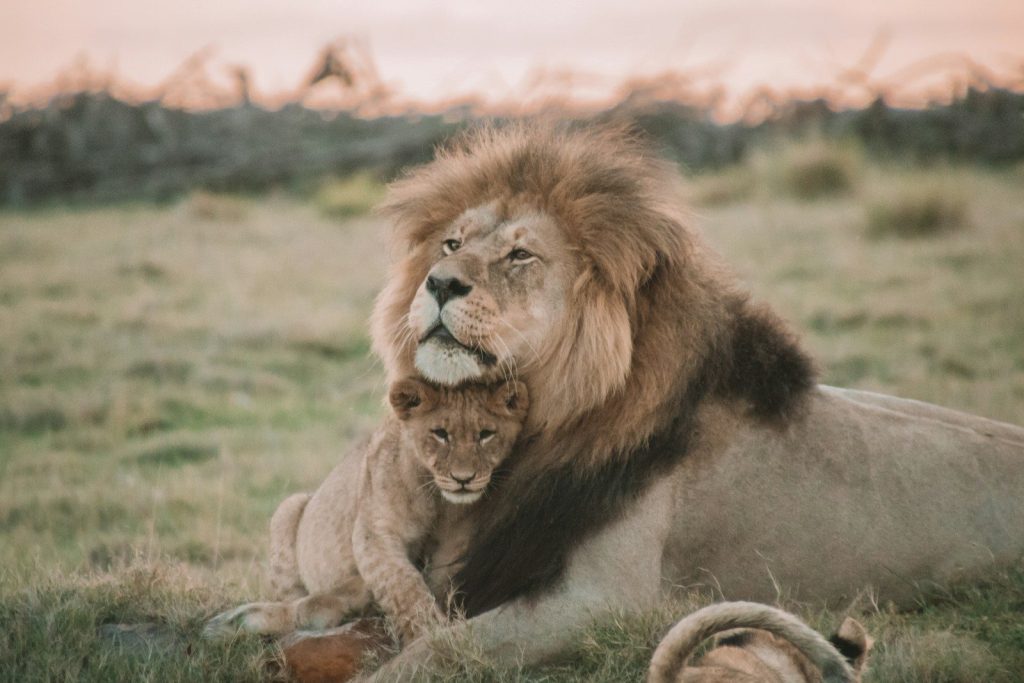
In some cases, lion cubs are removed from their mothers when keeping them together poses a risk to their survival. This can happen if the mother becomes aggressive, stressed, or unable to care for the cub properly.
The goal in such situations is not abandonment, but protection and long-term survival.
A Fragile Start to Life
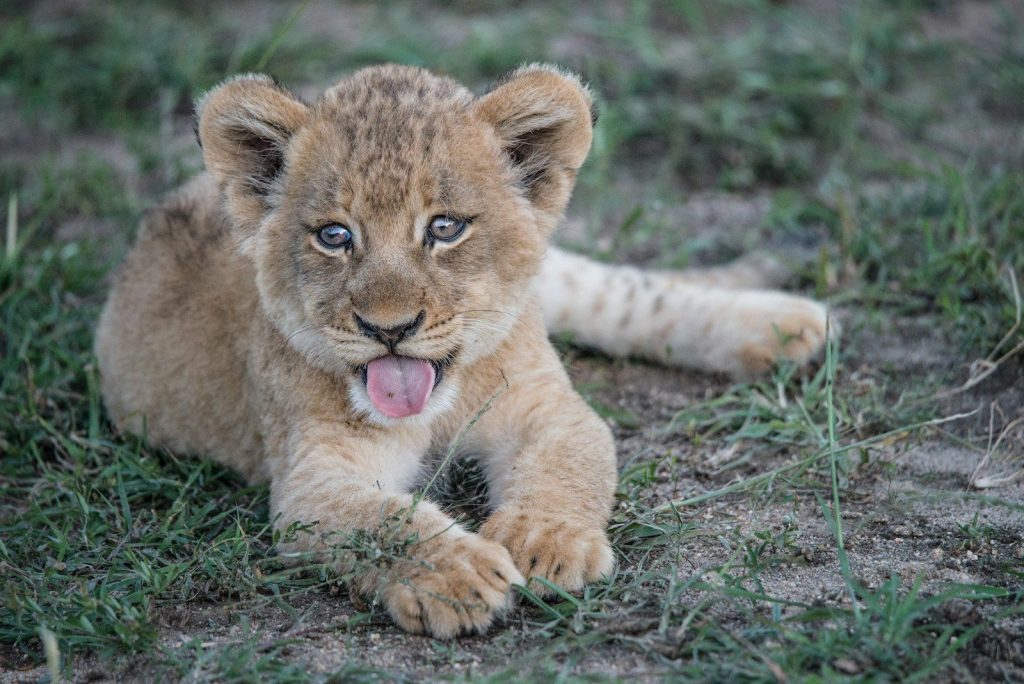
Separated from her mother, the cub was left without the warmth, protection, and feeding support she needed. At this stage, young lions are completely dependent on adult care for both nutrition and emotional comfort.
Caretakers had to step in immediately to prevent her condition from worsening.
An Unexpected Surrogate Parent
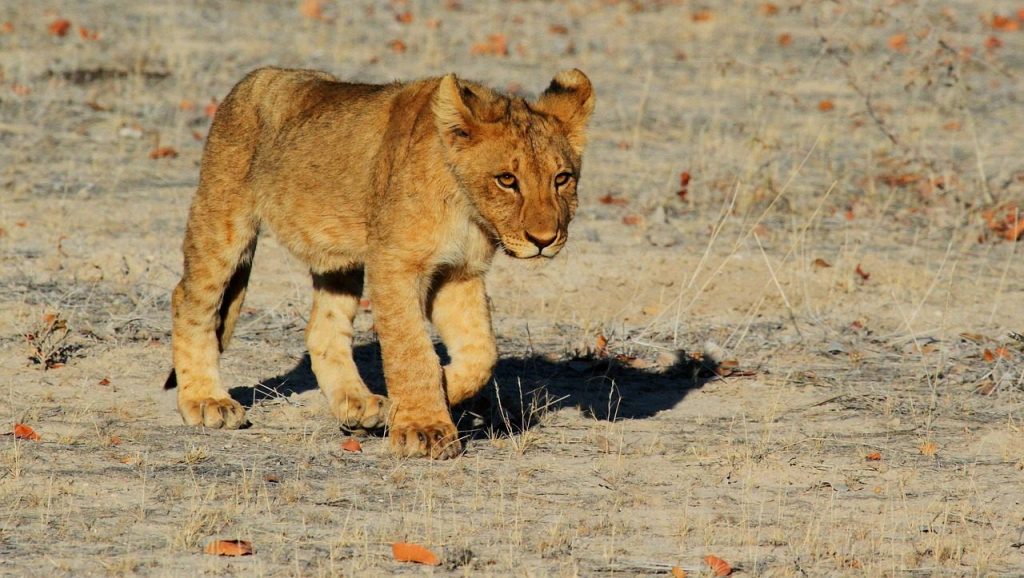
Instead of being raised by another lion, the cub was introduced to a calm and gentle dog. The dog quickly became a source of comfort and stability for the young animal.
This unusual pairing created a nurturing environment that helped the cub adjust to her new surroundings.
Building an Unlikely Bond
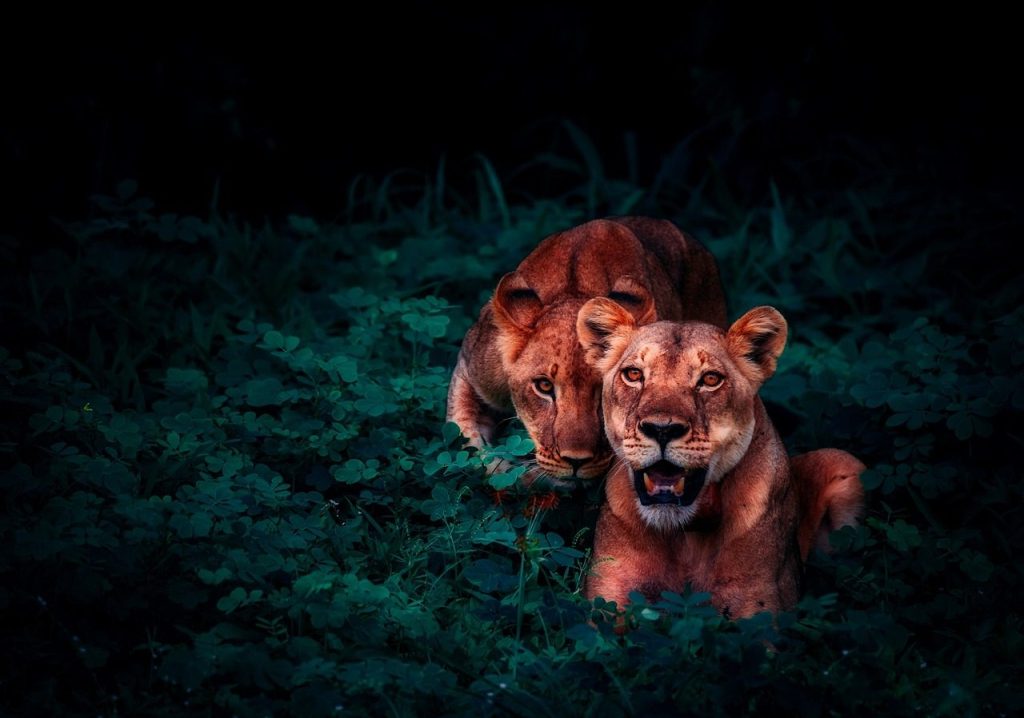
Over time, the lion cub began to follow the dog closely, mimicking behavior and seeking physical closeness. The dog, in return, showed patience and protective instincts that helped the cub feel secure.
Animal caretakers observed growing trust between the two despite their natural differences.
Why Cross-Species Bonds Sometimes Work
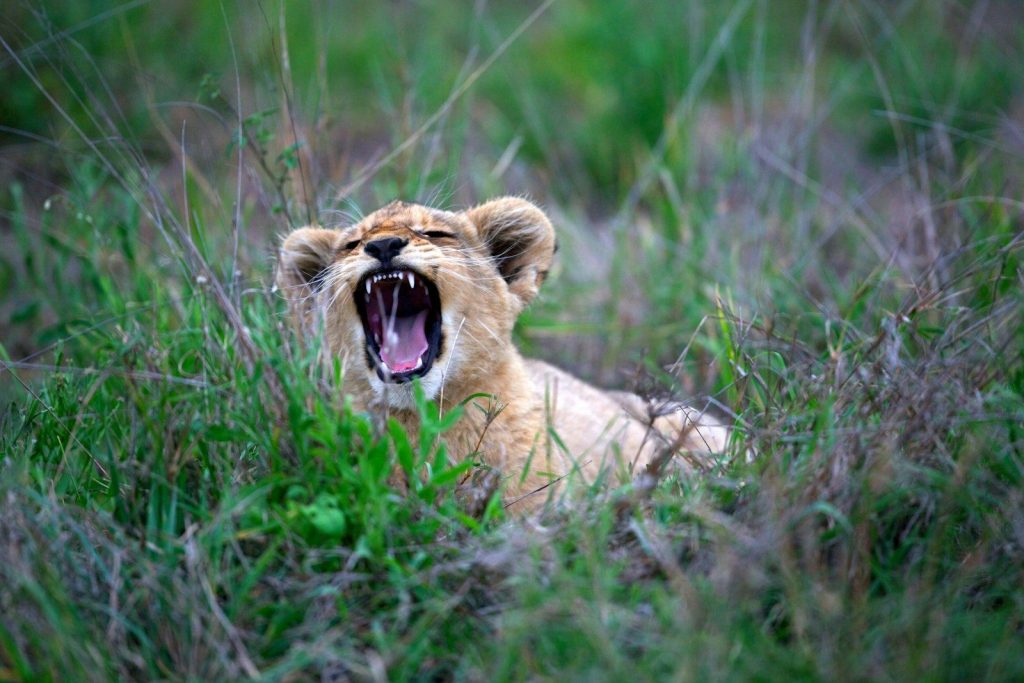
Experts say cross-species relationships can form when animals are raised together during early development stages. At that age, social bonding is based more on behavior and familiarity than species identity.
This is especially true in controlled environments like sanctuaries or wildlife centers.
The Role of Human Caretakers
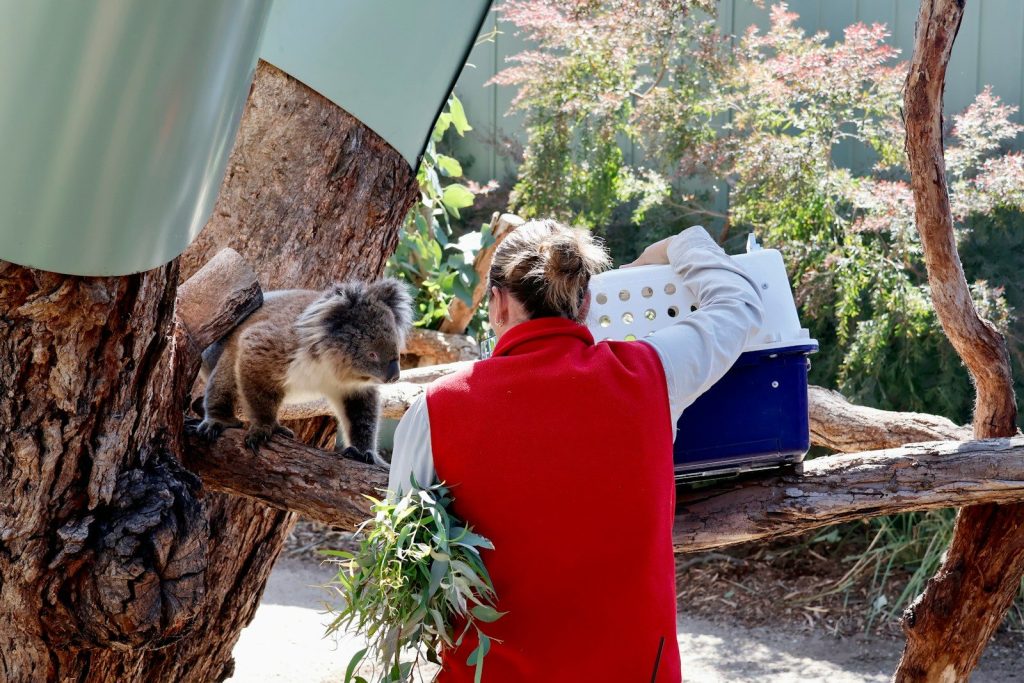
Behind the scenes, humans played a key role in ensuring both animals were safe and properly cared for. Feeding, supervision, and medical attention were all carefully managed to support the cub’s development.
The dog’s presence complemented, rather than replaced, professional animal care.
Emotional Bonds in the Animal World
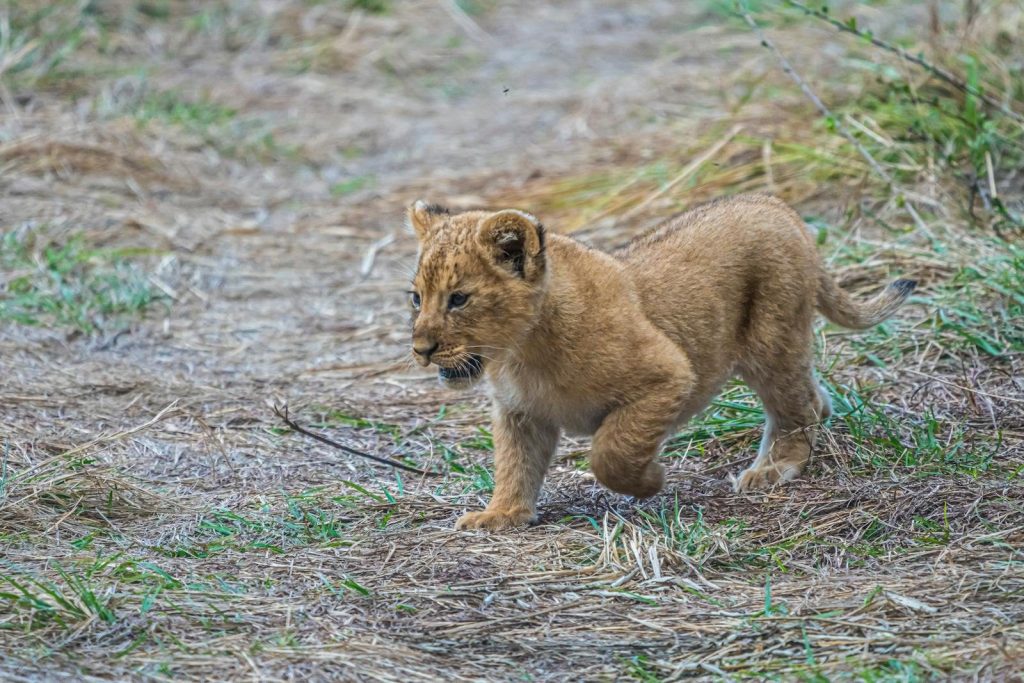
Stories like this highlight the emotional intelligence of many animals. Lions and dogs may be very different species, but both can form strong social attachments when raised in close contact.
These bonds often provide comfort, security, and stability during early life.
A Rare but Powerful Survival Story
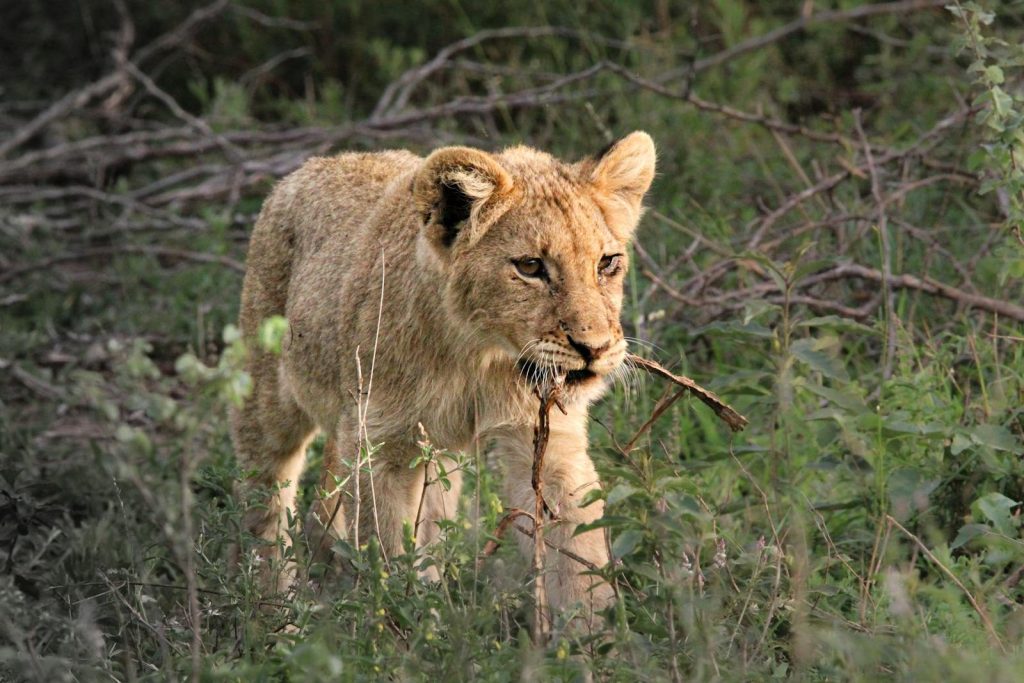
While such cases are uncommon, they show how adaptable animals can be when placed in supportive environments. The lion cub’s journey reflects resilience and the unexpected ways nature can respond to care.
Even in unusual circumstances, survival often depends on connection and protection.