Earth has experienced catastrophic extinction events before, but scientists now warn that another one may already be unfolding — and this time, humans could be at the center of it. Known as the possible “Sixth Mass Extinction,” this modern biodiversity crisis is raising alarms among researchers worldwide as species disappear at rates far faster than normal.
Unlike previous extinction events caused by asteroids, volcanic eruptions, or dramatic climate shifts, today’s crisis is largely linked to human activity.
Understanding the Big Five Extinctions
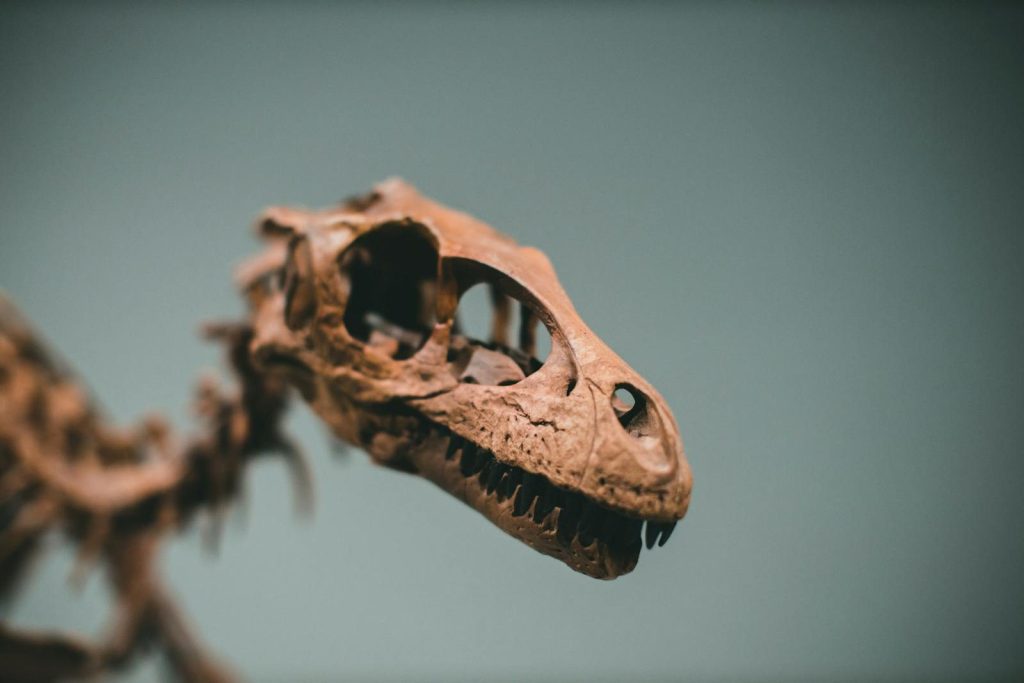
Over the past 500 million years, Earth has gone through five major mass extinctions. These catastrophic events wiped out huge portions of life in relatively short geological periods.
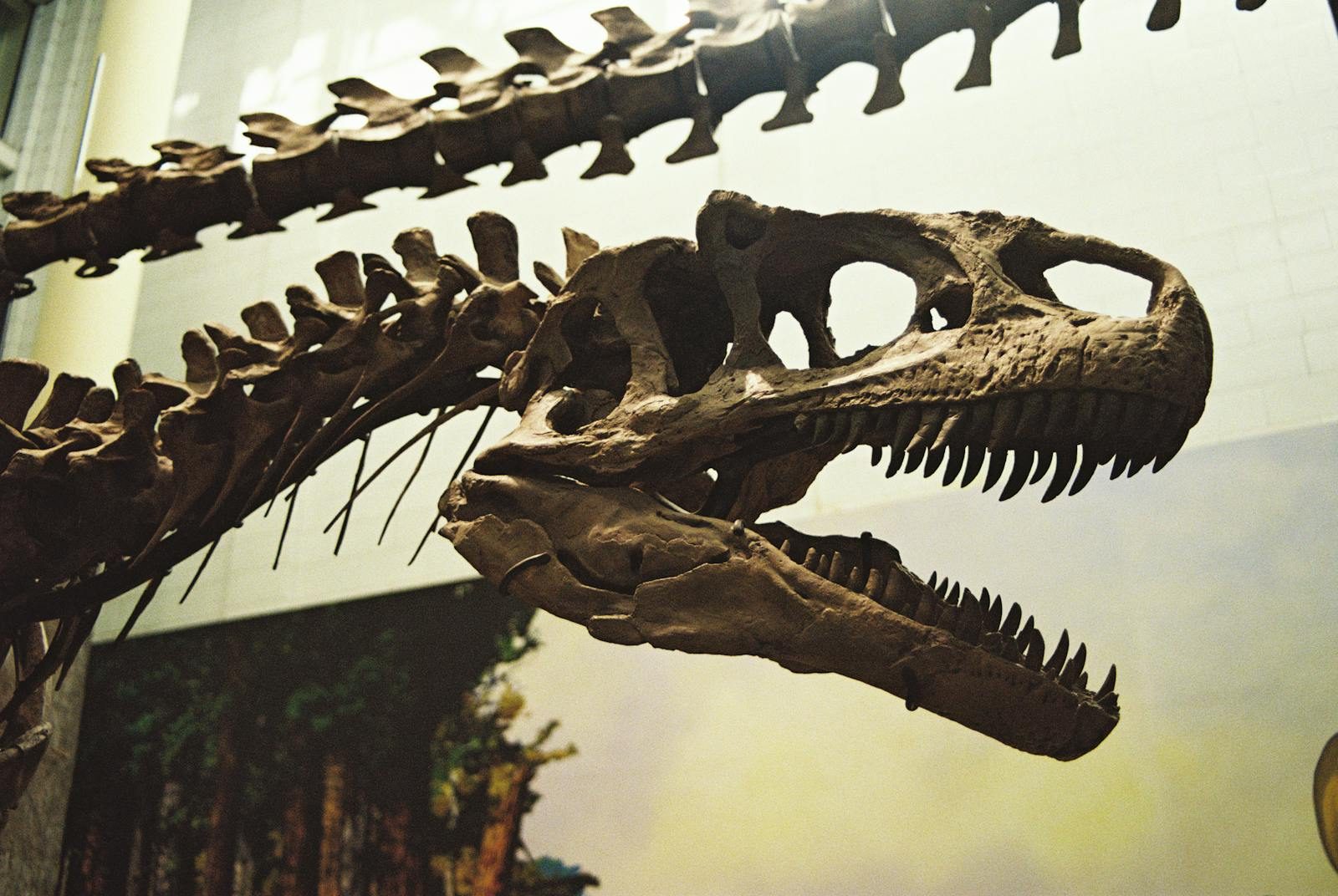
The most famous occurred about 66 million years ago when an asteroid impact contributed to the extinction of the dinosaurs. Another, known as the “Great Dying,” eliminated nearly all marine life around 252 million years ago.
Each event reshaped life on Earth forever.
What Makes Today Different
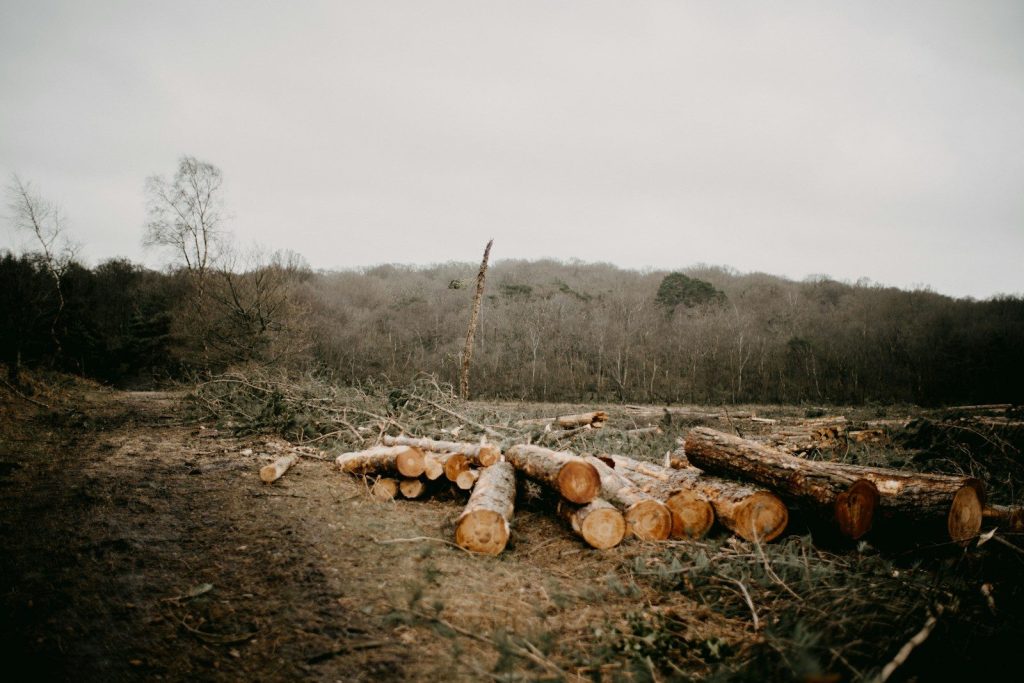
Scientists say the current extinction pattern differs from past events because it is happening unusually fast and appears strongly connected to human actions.
Deforestation, pollution, climate change, overfishing, habitat destruction, and illegal wildlife trade are placing enormous pressure on ecosystems worldwide.
Many species are disappearing before researchers even fully study them.
Species Are Vanishing at Alarming Rates

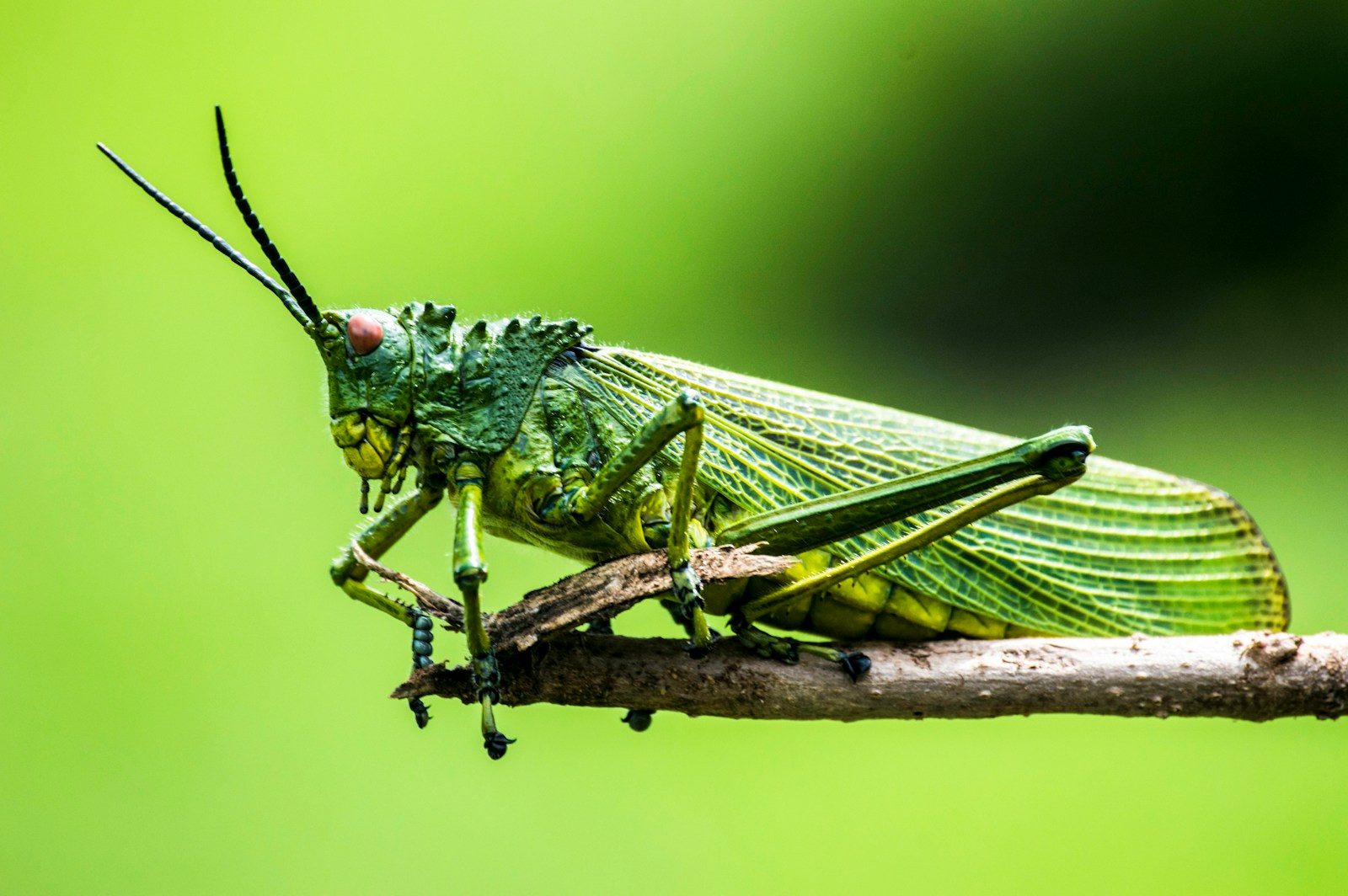
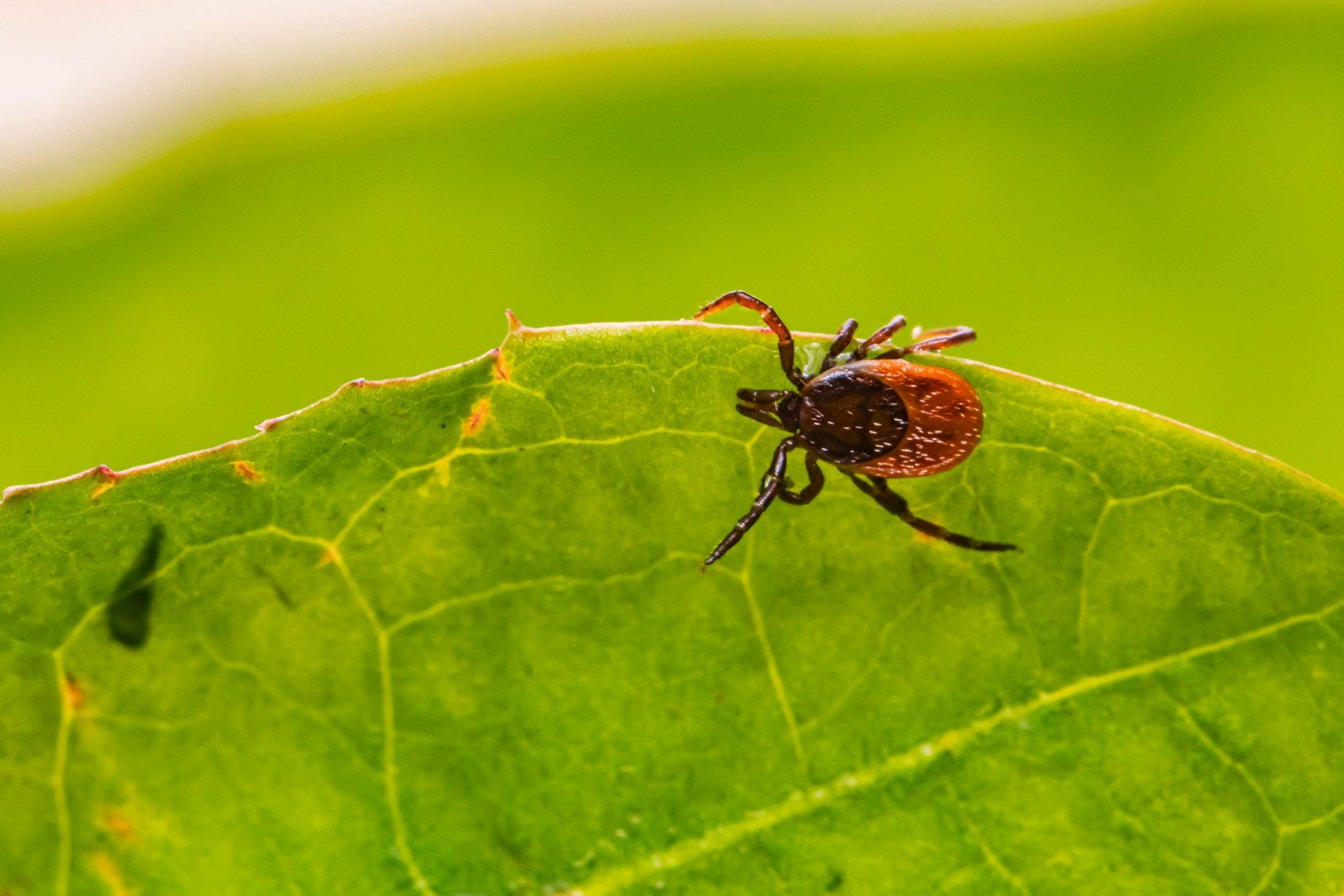
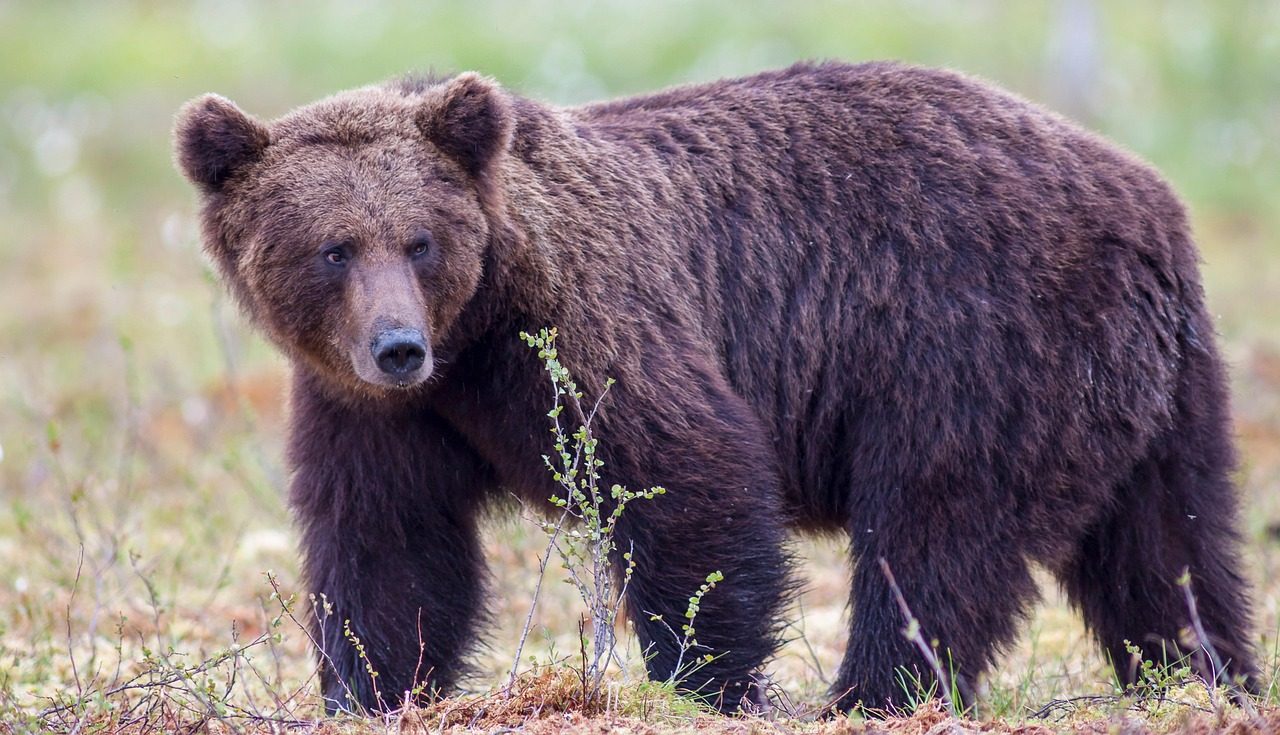
Researchers estimate that extinction rates today are far higher than natural background levels. Amphibians, insects, birds, marine animals, and large mammals are all facing serious population declines.
Some scientists warn that entire ecosystems could become unstable if too many key species disappear.
Why Biodiversity Matters
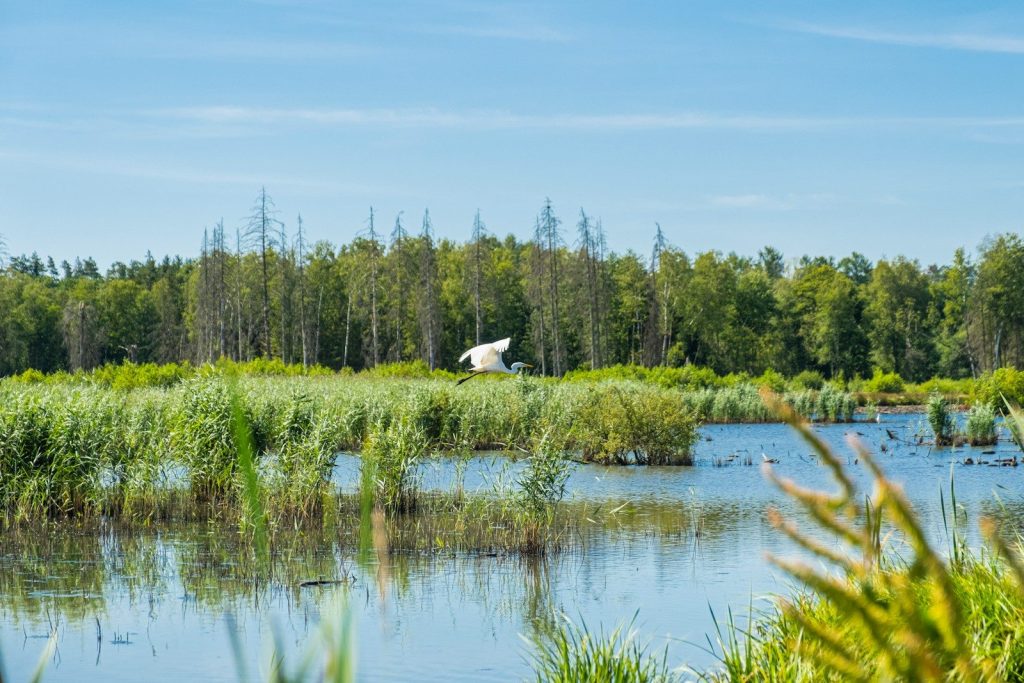
Biodiversity supports the balance of life on Earth. Healthy ecosystems provide clean water, food production, pollination, climate regulation, and disease control.
When species vanish, these natural systems become weaker and less stable. Even small losses can trigger chain reactions throughout entire environments.
Climate Change Is Accelerating the Crisis
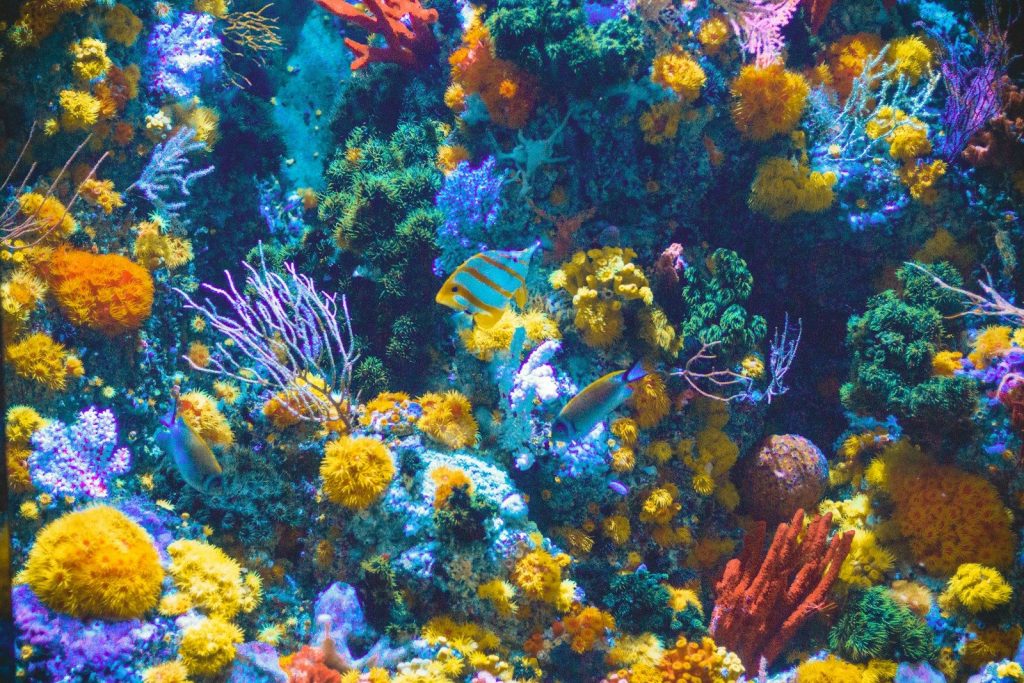
Rising global temperatures are forcing animals and plants to adapt faster than many species can manage. Coral reefs are bleaching, polar habitats are shrinking, and weather patterns are becoming more extreme.
Species already struggling from habitat loss often cannot survive additional climate stress.
Could Humans Be Affected Too?

Humans depend heavily on stable ecosystems for survival. Agriculture, fisheries, forests, and freshwater systems all rely on biodiversity.
Scientists warn that large scale ecological collapse could eventually affect food security, economies, and public health around the world.
Is There Still Time to Slow It Down?

Conservation efforts have already helped save some endangered species from extinction. Protected habitats, anti poaching laws, sustainable practices, and wildlife restoration projects can make a major difference.
Experts say the next few decades may determine how severe this extinction event ultimately becomes.