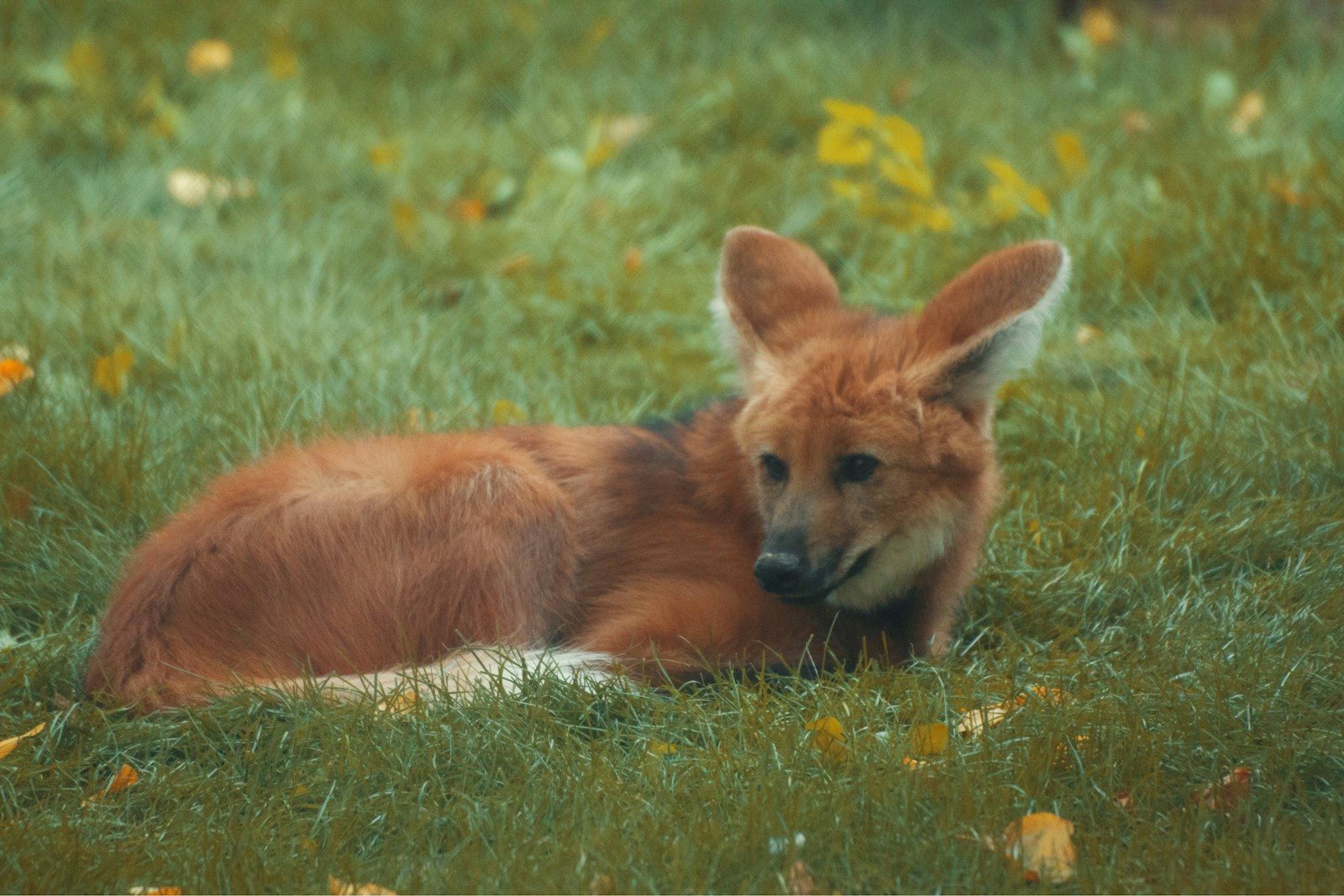
The maned wolf is one of the strangest predators in the animal kingdom. With long stilt-like legs, oversized ears, and the appearance of a fox mixed with a deer, it looks unlike any other carnivore on Earth.
Despite its name, the maned wolf is not a true wolf at all. It evolved separately in South America’s grasslands, where survival required stealth, height, and adaptability instead of brute strength.
The Predator Built for Tall Grasslands
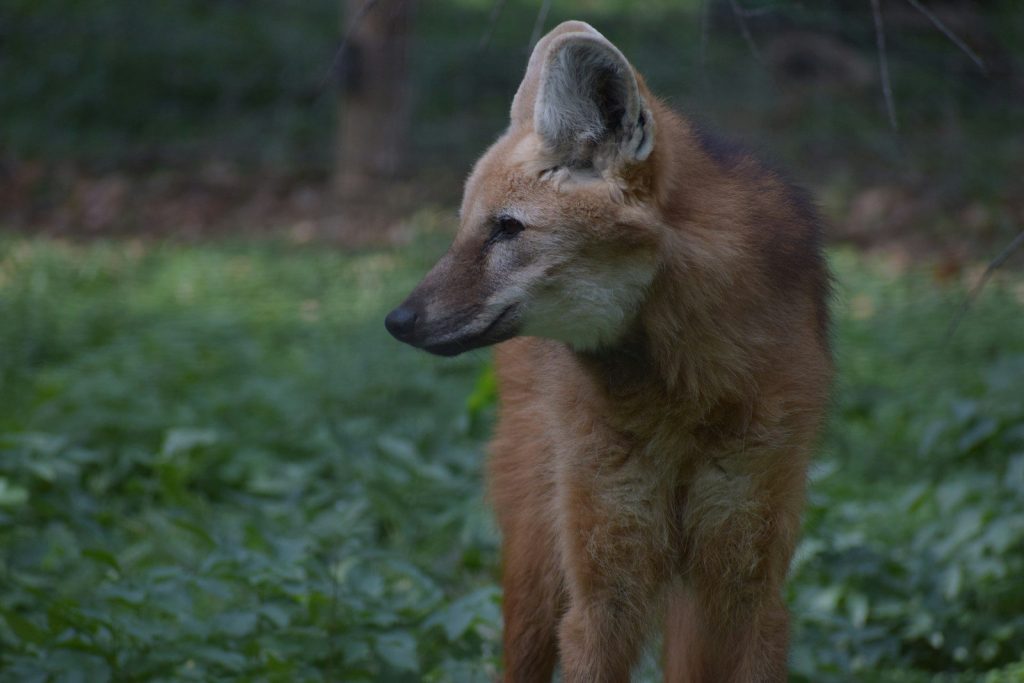
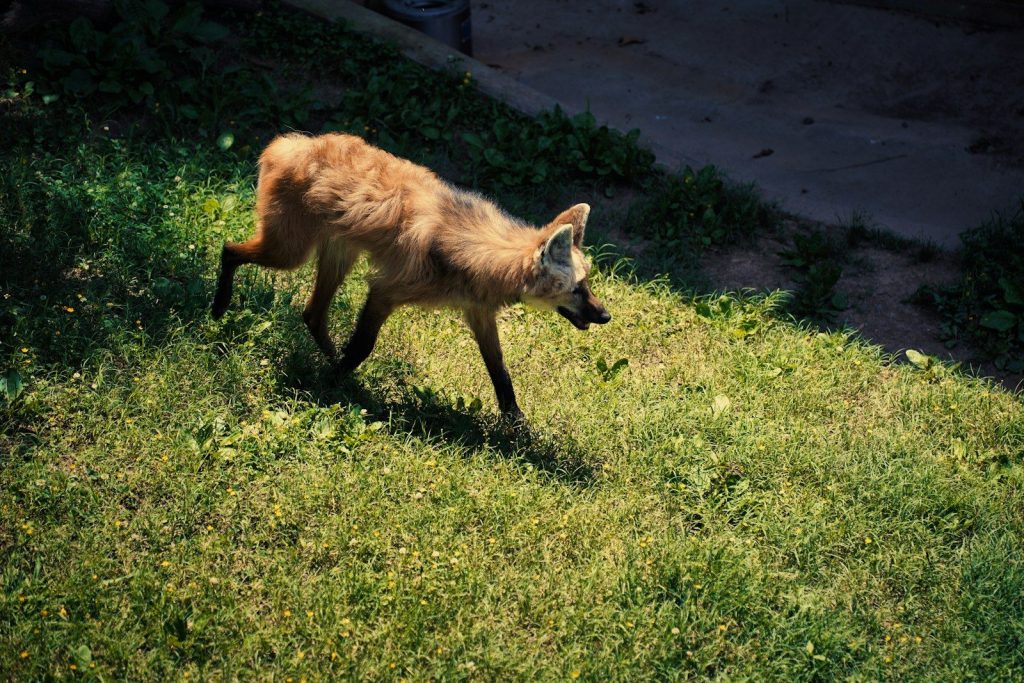
The maned wolf’s unusually long legs help it move through dense savannah vegetation with ease. Standing taller than most wild canines, it can spot prey above tall grass while remaining hidden itself.
Its body is perfectly adapted for open grasslands, allowing it to travel silently across enormous territories during nighttime hunts.
Not Actually Related to Wolves
Although called a “wolf,” this animal belongs to its own unique evolutionary branch. Scientists consider it one of the most unusual canids in the world.
Its appearance may resemble a fox or wolf, but genetically it is very different from the pack-hunting predators most people know.
A Hunter That Prefers to Work Alone
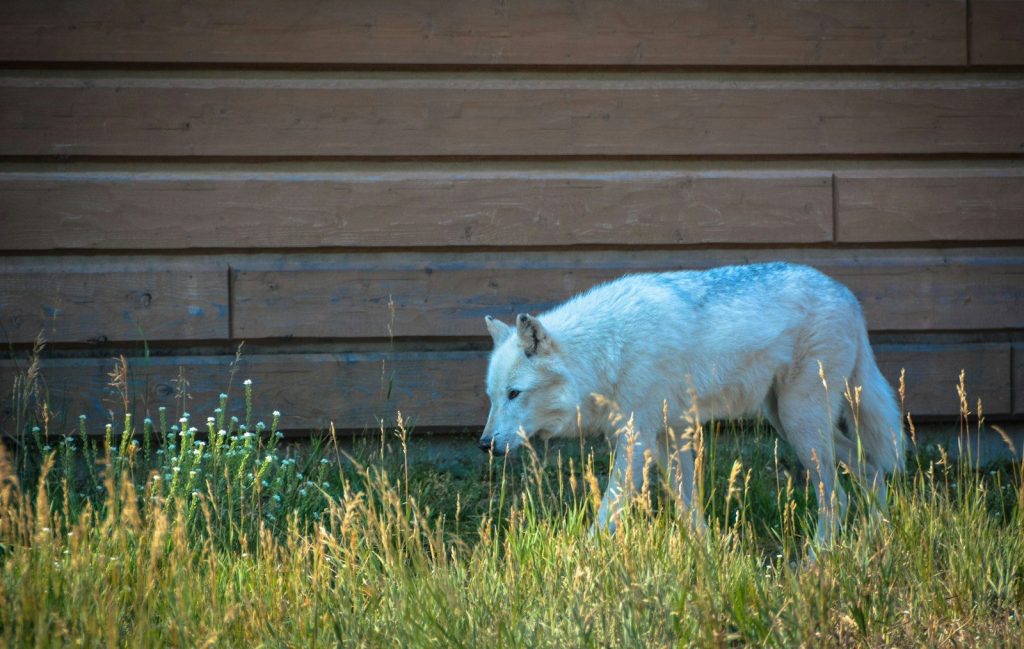
Unlike wolves that depend on teamwork, maned wolves are solitary hunters. They roam alone across large territories, relying on stealth and patience instead of coordinated attacks.
This peaceful lifestyle helps them avoid unnecessary conflict while conserving energy in vast grassland environments.
The Strange Diet That Makes It Unique
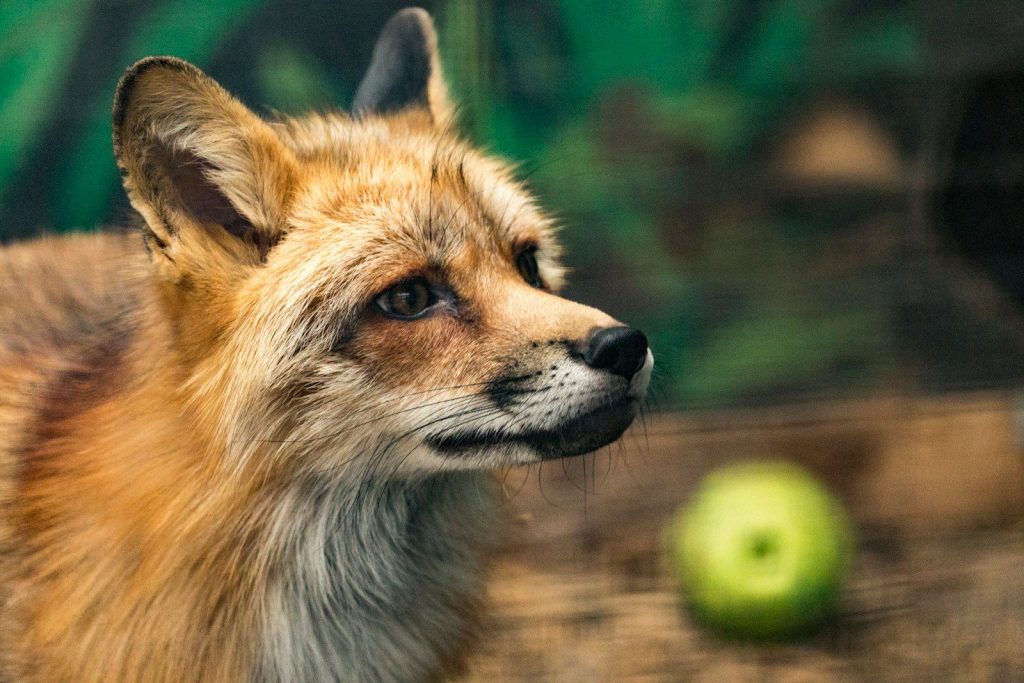
The maned wolf does not survive on meat alone. In fact, a large portion of its diet comes from fruits, especially a plant known as the “wolf apple.”
By eating fruit and spreading seeds through its scat, the animal unintentionally helps maintain the ecosystem around it.
The Eerie Sound of the Roar-Bark
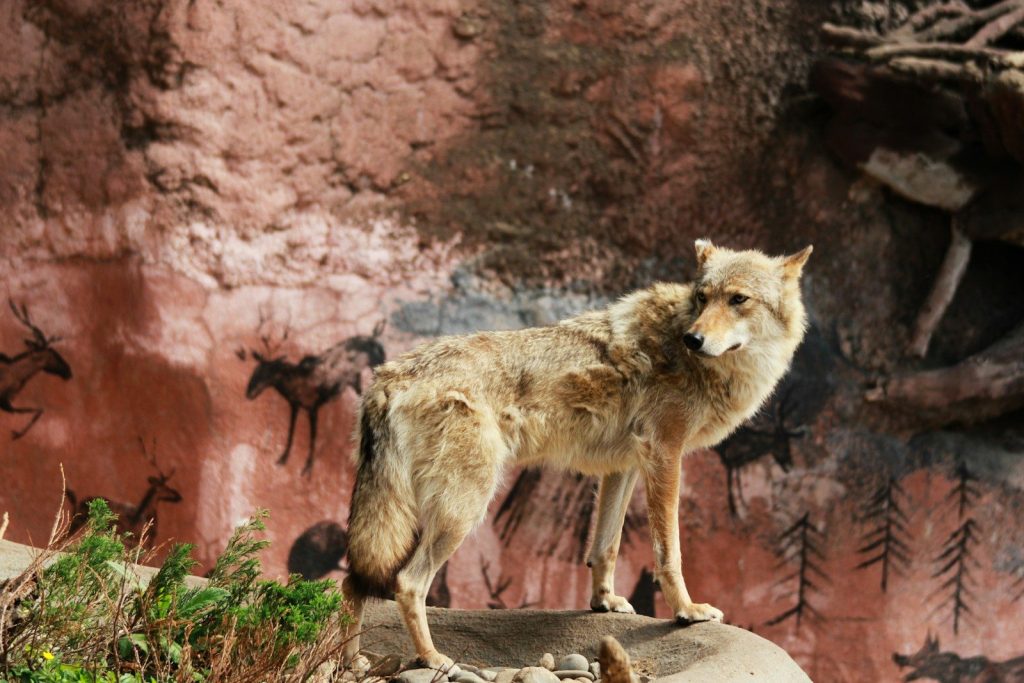
Instead of howling like true wolves, maned wolves produce a deep sound known as a “roar-bark.” The noise can travel long distances across open grasslands.
Scientists believe this vocalization helps individuals communicate without needing to gather in packs.
Why This Predator Avoids Violence
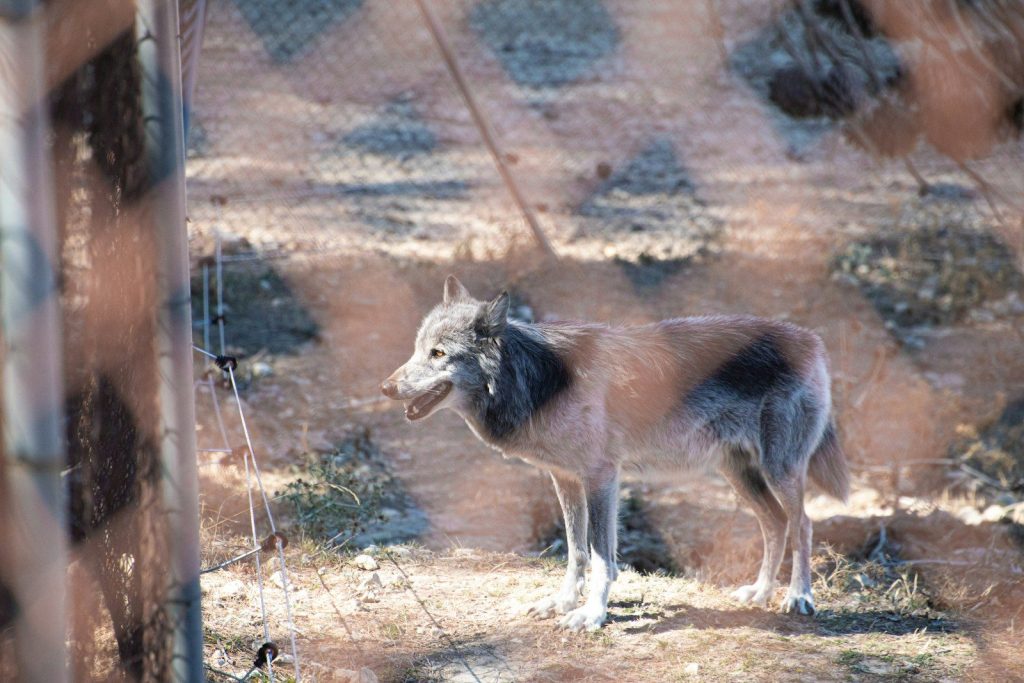
Despite its intimidating appearance, the maned wolf is known for avoiding direct fights whenever possible. It relies more on scent marking and distance than aggression.
Its calm nature makes it one of the least confrontational predators in South America’s wild ecosystems.
A Species Facing a Shrinking World
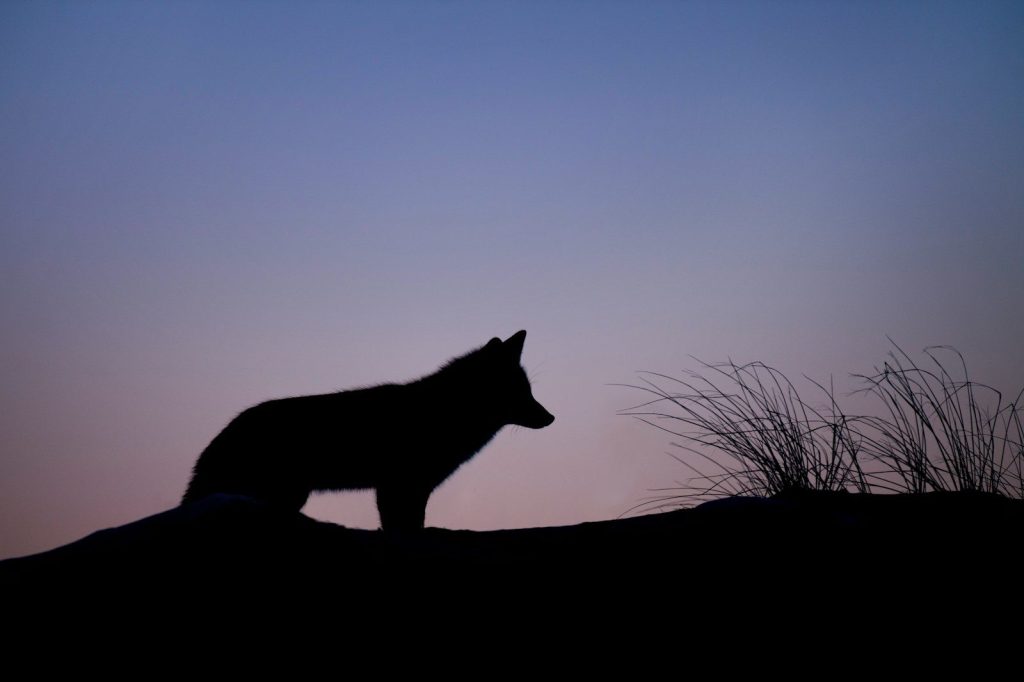
Road expansion, farming, and habitat destruction are rapidly reducing the grasslands the maned wolf depends on. Climate change is creating even more pressure on already fragile habitats.
Conservationists fear that without protection, one of South America’s strangest and most unique predators could slowly disappear from the wild forever.