The Amazon rainforest is one of the most biologically rich places on Earth. Spanning millions of square miles across South America, it shelters countless species found nowhere else. But despite its enormous size and importance, the Amazon is under increasing pressure from deforestation, climate change, mining, wildfires, and illegal hunting.
As the rainforest changes, many animals are being pushed closer to extinction. Here are some of the Amazon’s most threatened species and the dangers they face.
Jaguar
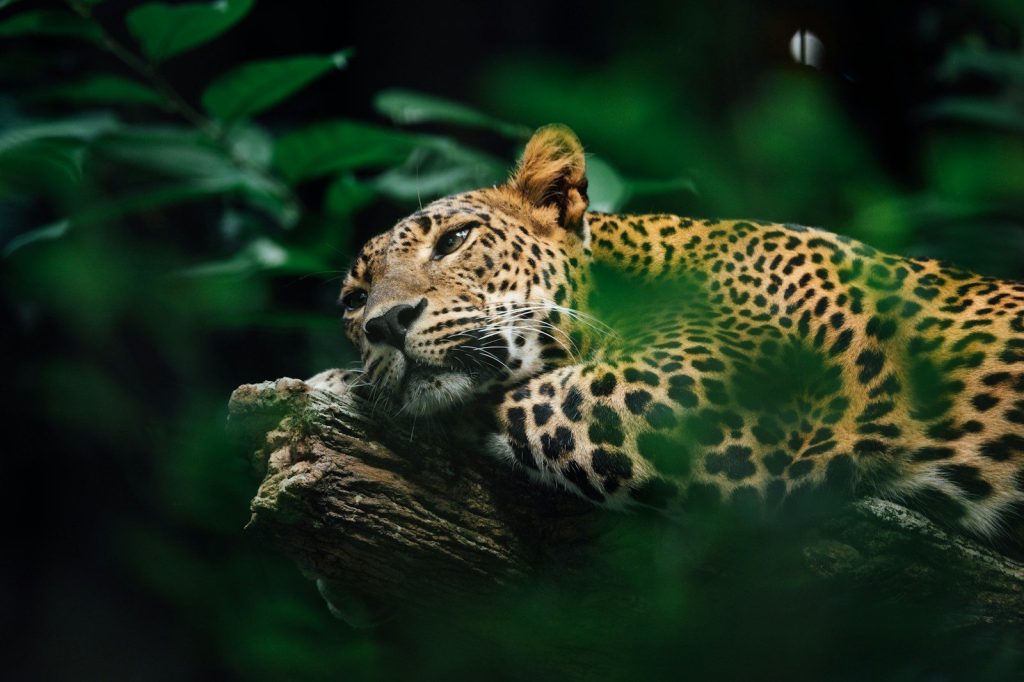
The jaguar is the largest big cat in the Americas and one of the Amazon’s most iconic predators. These powerful hunters rely on large territories filled with dense forest and healthy prey populations.
Deforestation and habitat fragmentation are shrinking the spaces jaguars need to survive. Conflicts with livestock farmers have also led to illegal killings in some regions.
Amazon River Dolphin
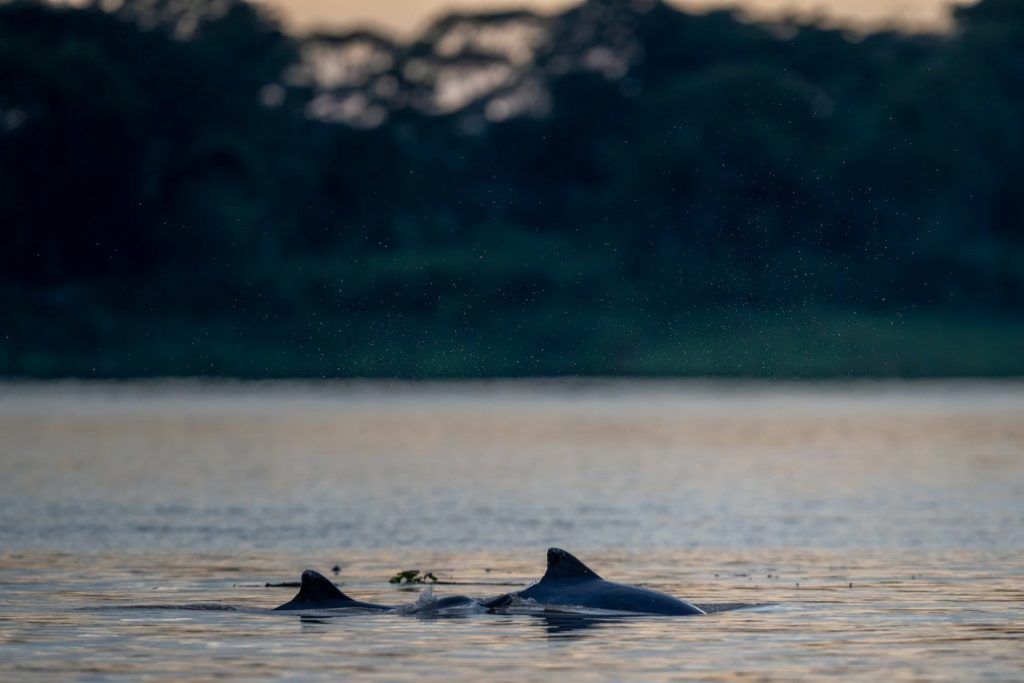
The pink Amazon river dolphin is one of the most unusual freshwater mammals in the world. It depends on clean river systems and flooded forest habitats.
Pollution, dam construction, and accidental entanglement in fishing gear are serious threats to these intelligent animals. In some areas, they are also hunted illegally.
Harpy Eagle
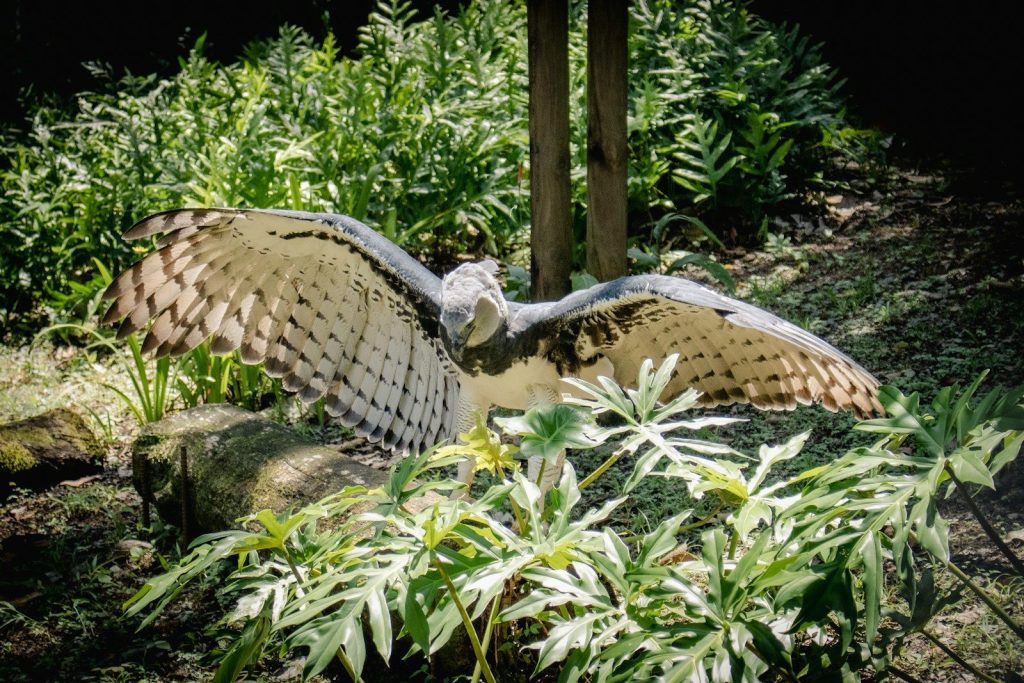
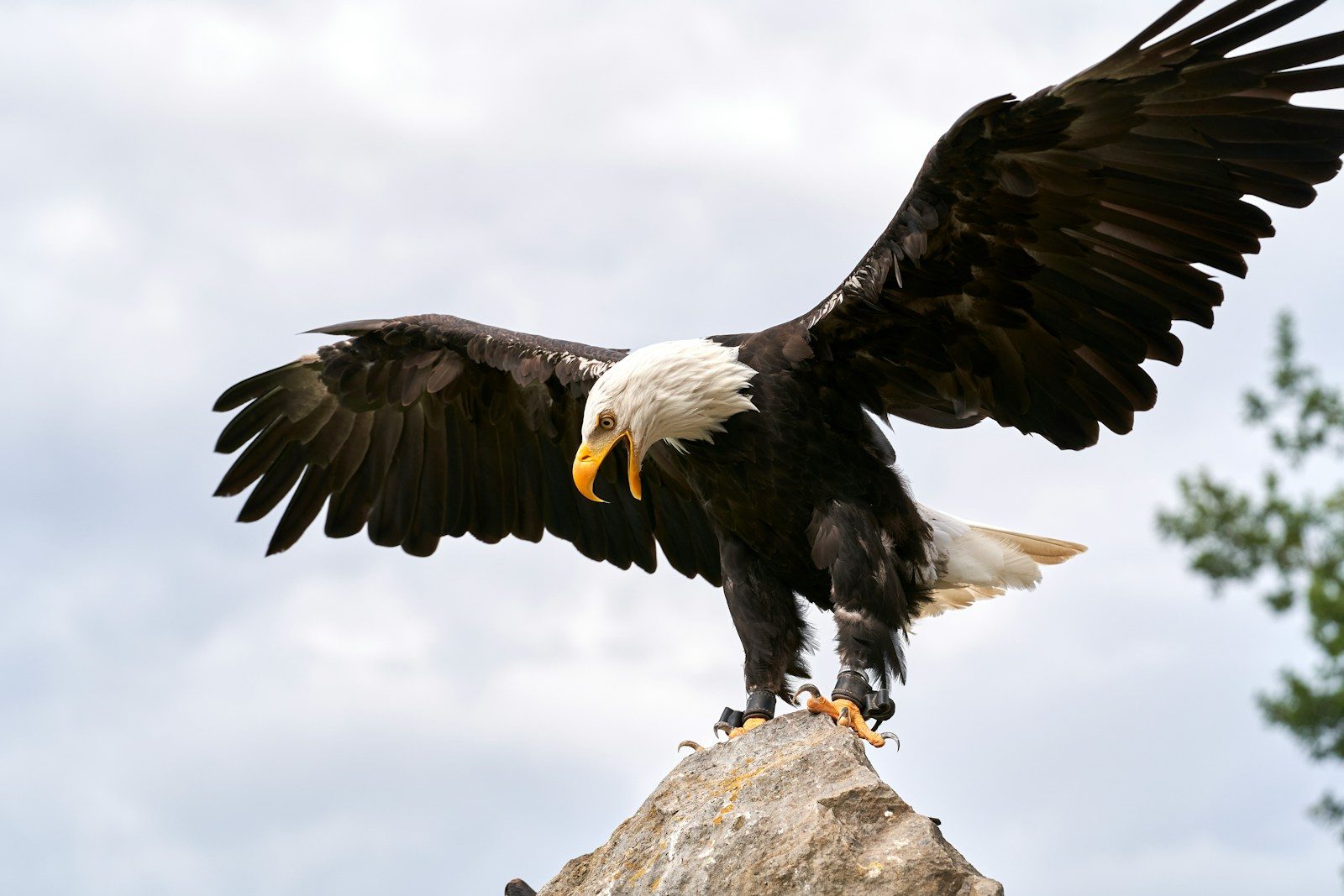
The harpy eagle is among the largest and most powerful eagles on Earth. It nests high in towering rainforest trees and hunts monkeys, sloths, and other animals from above.
When forests are cleared, harpy eagles lose both nesting sites and hunting grounds. Their low reproduction rate makes recovery especially difficult.
Giant Otter
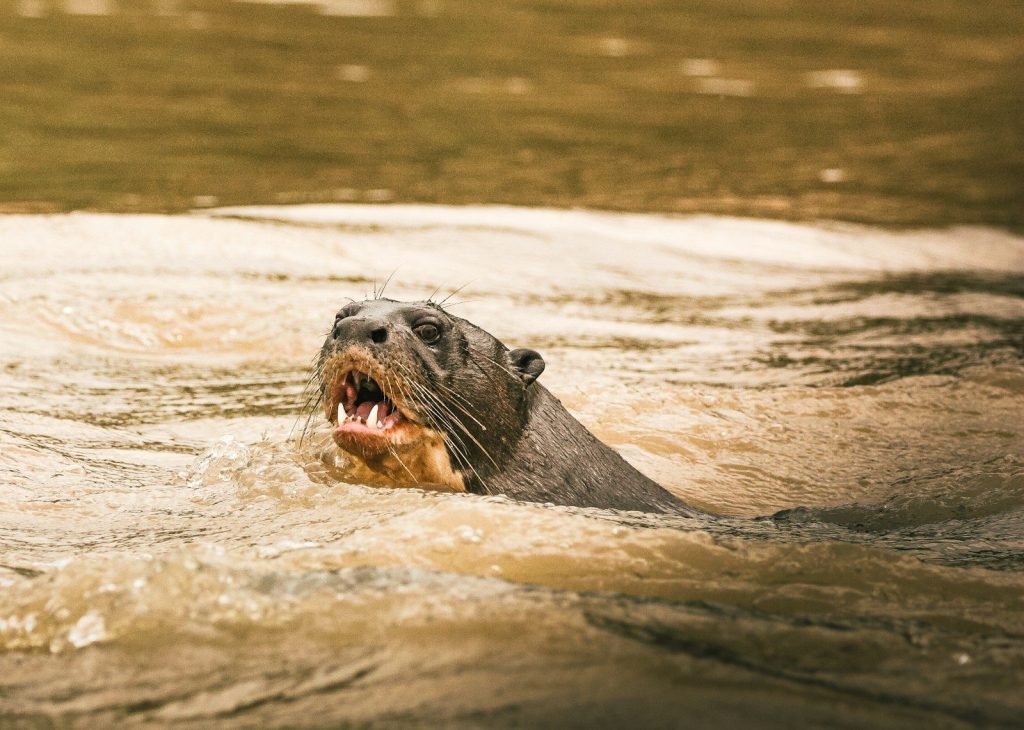
Giant otters once ranged widely across the Amazon Basin, but hunting and habitat destruction caused dramatic population declines. These social predators need healthy rivers filled with fish and protected shoreline habitat.
Water pollution and increasing human activity continue to threaten their recovery.
Poison Dart Frogs
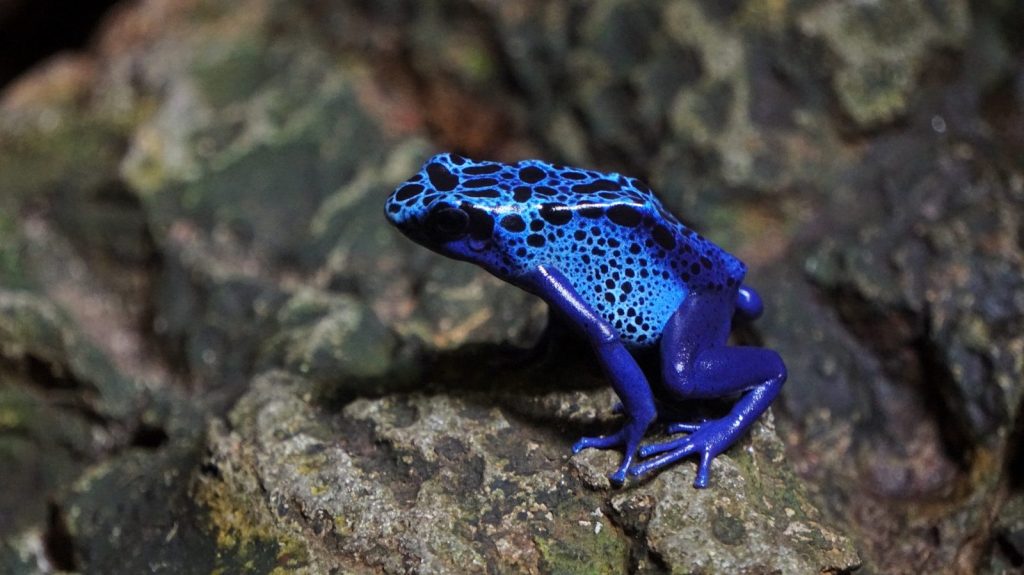
The Amazon is home to many brightly colored poison dart frogs, some found only in very small regions of rainforest. These tiny amphibians are extremely sensitive to environmental changes.
Deforestation, climate shifts, and disease outbreaks are placing growing pressure on their populations.
Sloths

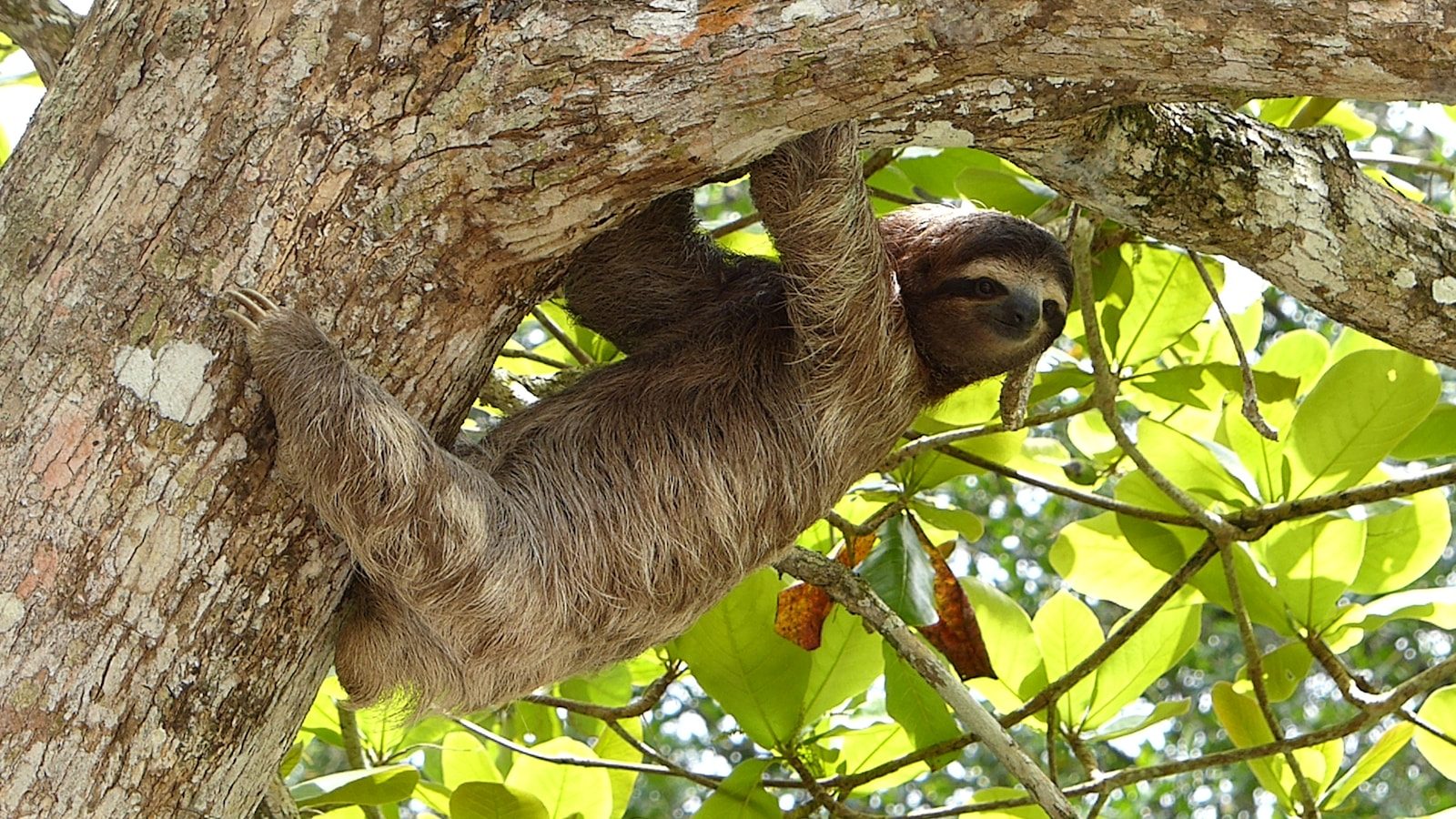
Sloths may appear slow and relaxed, but they are highly dependent on stable rainforest ecosystems. Tree clearing forces them into open areas where they become vulnerable to predators, vehicles, and human activity.
Illegal wildlife trade has also harmed some sloth populations.
Macaws
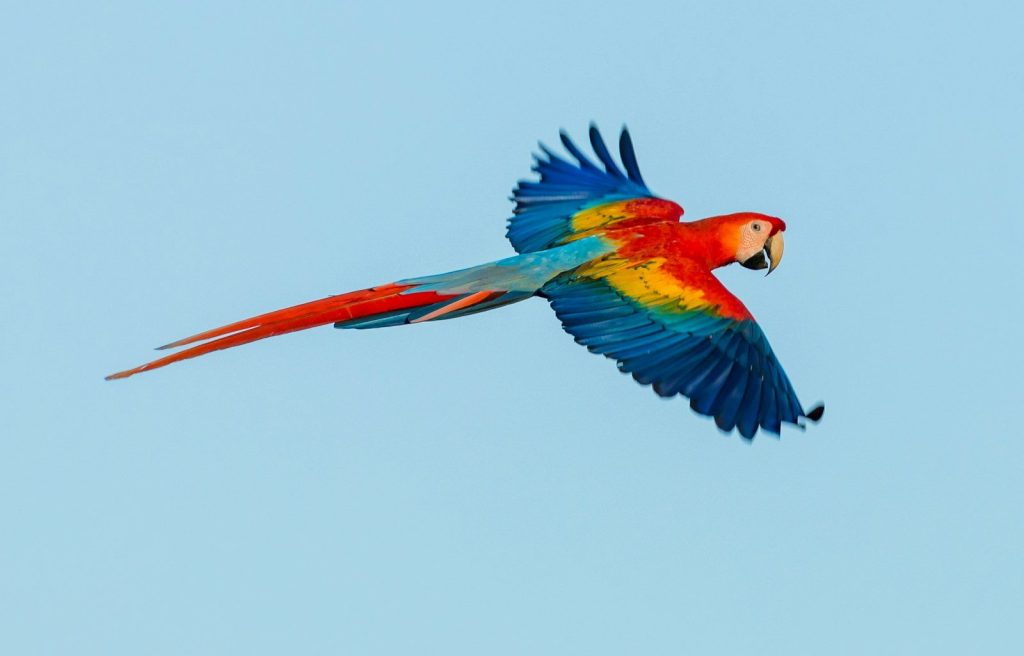
Macaws are among the Amazon’s most recognizable birds with their brilliant feathers and loud calls. Many species face pressure from habitat destruction and illegal trapping for the exotic pet trade.
Loss of nesting trees is becoming a major problem in heavily deforested areas.