Human activity has been responsible for the extinction of countless animal species across the world. From habitat destruction and overhunting to direct human conflict with wildlife, these pressures have reshaped ecosystems and erased species that once played important ecological roles. Today, advances in genetic engineering are raising a controversial question: can extinct animals be brought back to life?
One of the most discussed efforts in this field comes from Colossal Biosciences, a biotechnology company working on what it calls “de-extinction” projects. The company recently claimed progress in creating animals resembling the extinct dire wolf. However, scientists emphasize that these are not true dire wolves but genetically engineered proxies developed using advanced gene-editing tools.
The Growing Debate Over De-Extinction Science
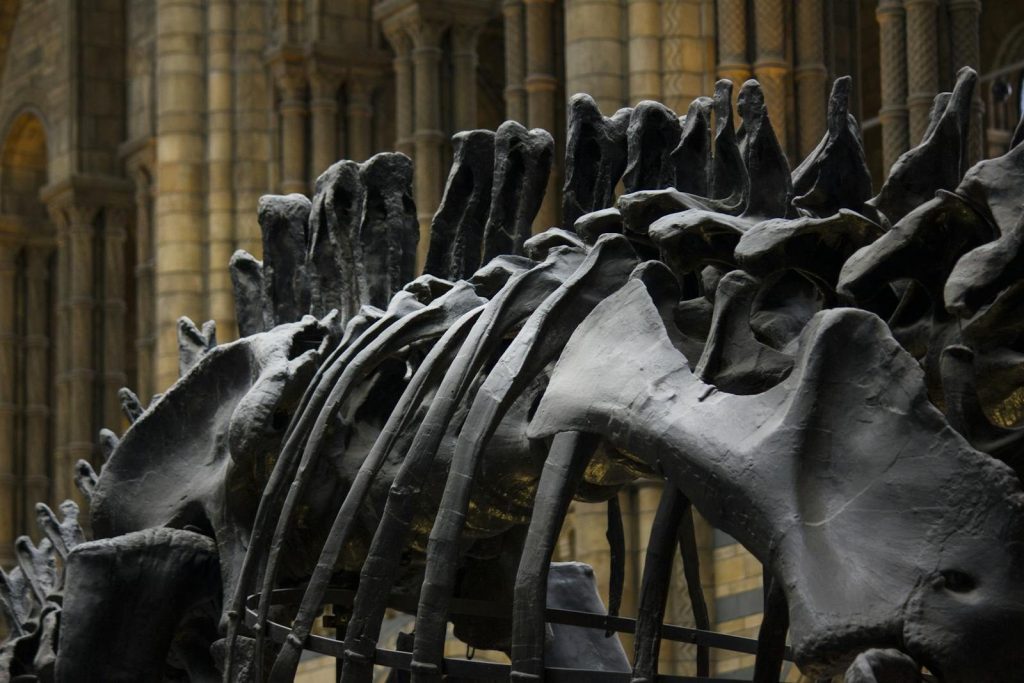
The idea of bringing extinct species back to life is highly divisive in the scientific community. Supporters believe de-extinction could help restore ecosystems damaged by human activity and revive ecological functions lost over time. They argue that science now has the tools to correct past environmental harm.
Critics, however, question whether revived species would truly belong in modern ecosystems. They also raise ethical concerns about whether resources should be directed toward de-extinction instead of protecting species that are currently endangered.
Why the Bluebuck Became the Next Target
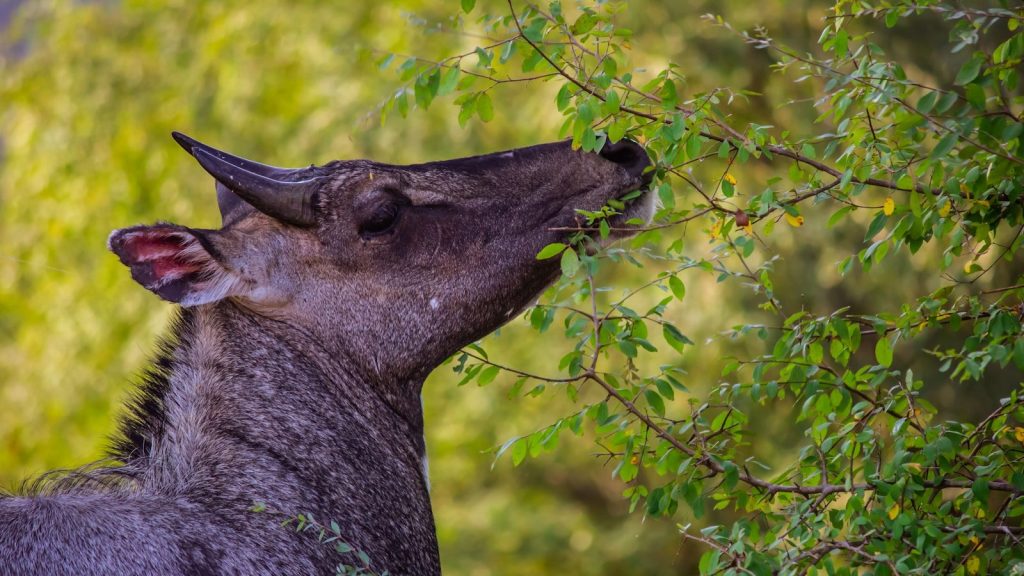
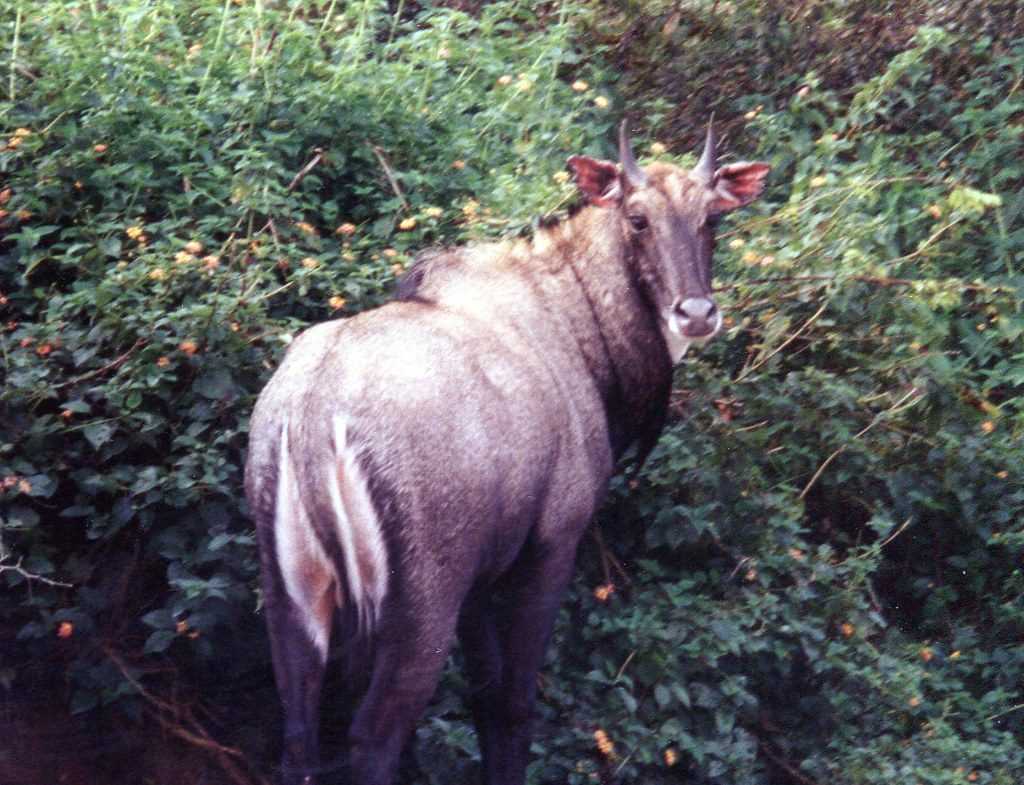
Despite the controversy, Colossal Biosciences has turned its attention to the bluebuck, an antelope species that once lived in southern Africa. The bluebuck went extinct roughly 200 years ago, making it a relatively recent loss in ecological terms.
Because its environment still exists in a recognizable form today, scientists believe the bluebuck may be a more realistic candidate for reintroduction than long-extinct species from prehistoric eras.
The Bluebuck’s Ecological Role in Grasslands
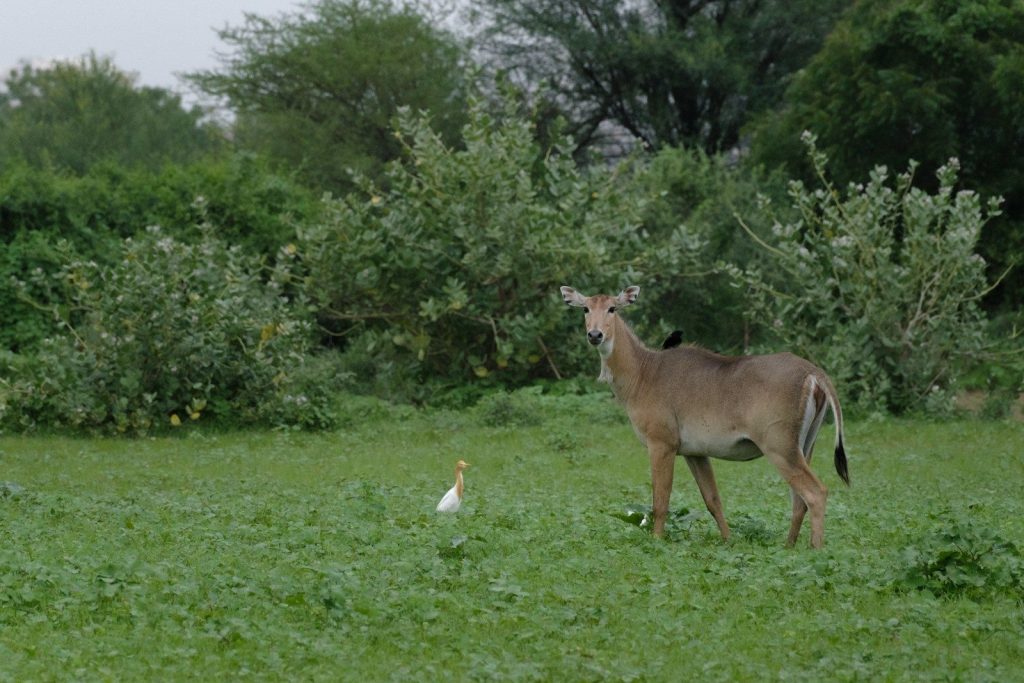
The bluebuck was named for the bluish tint of its coat and was once an important part of southern African grassland ecosystems. It helped maintain healthy vegetation through grazing and played a role in nutrient cycling through manure deposition.
These ecological functions supported plant diversity and soil health. Its disappearance left a gap in the ecosystem that may still influence grassland dynamics today.
How Human Activity Led to Its Extinction

The extinction of the bluebuck was largely driven by European settlers who viewed the species as competition for livestock. Intensive hunting, combined with habitat pressure, led to a rapid population decline.
By the early 19th century, the species had completely disappeared from the wild. Unlike some ancient extinctions, the bluebuck’s loss is closely tied to relatively recent human activity.
The Role of the Roan Antelope in Genetic Research

To explore the possibility of reviving the bluebuck, researchers are considering the roan antelope as a genomic donor species. The roan antelope is one of Africa’s largest bovids and shares genetic similarities with the extinct bluebuck.
Scientists also plan to use the roan antelope as a surrogate species in reproductive processes. This approach relies on advanced gene-editing techniques and reproductive biology to create animals that closely resemble the extinct species.
Conservation Promise and Ongoing Skepticism

Supporters of de-extinction argue that such technologies could eventually strengthen conservation efforts. They believe genetic science might help restore ecosystem balance and provide new tools to protect endangered species from extinction.
However, skepticism remains strong. Many scientists caution that reintroducing extinct species could have unpredictable ecological effects, and that conservation efforts may be better focused on protecting existing wildlife before it disappears.