Herbivores are often pictured as the peaceful side of nature, but plant eaters can be formidable when a predator closes in. Hooves, horns, tusks, body mass, group defense, and sudden charges can turn a hunting attempt into a serious risk. Predators therefore have to judge not only whether prey can be caught, but whether the meal is worth the chance of injury.
The animals below are not ranked by danger, and being capable of hurting a predator does not make them aggressive. Most defensive encounters happen because the herbivore is protecting itself, its young, or access to safety. From giraffe kicks to muskox circles, these examples show that prey animals can shape a hunt just as strongly as the carnivores pursuing them.
Giraffe Kicks

A giraffe’s long legs are not just useful for running. San Diego Zoo Wildlife Alliance notes that giraffes can defend themselves with a deadly kick when necessary, while lions and crocodiles are among their natural predators. A well-placed blow from such a large hoofed animal can make a close attack extremely dangerous. Giraffes also use speed and group awareness to avoid trouble before physical defense becomes necessary. Their size means predators must choose approach, timing, and target carefully rather than simply rushing any adult.
Zebra Kicks

Zebras look like classic prey animals, yet they are equipped with powerful hind legs and hard hooves. San Diego Zoo Wildlife Alliance says a zebra kick can seriously injure predators such as lions, hyenas, or African wild dogs. Herd structure adds another layer of protection, with a stallion sometimes remaining behind while mares and foals move away. A predator that gets too close to the wrong end of a zebra risks injury that could make future hunting difficult, so pursuit always involves a physical calculation.
Bison Defense
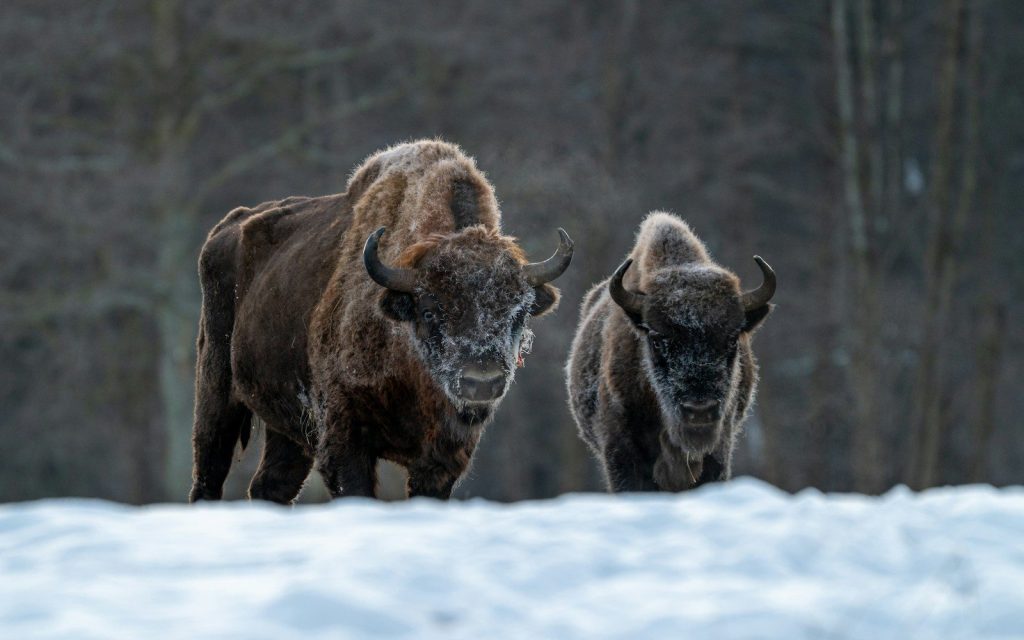
Bison can be exceptionally difficult prey for wolves because they combine size, horns, speed, and group defense. National Park Service research in Yellowstone notes that wolves kill relatively few bison compared with elk, partly because bison can defend themselves cooperatively. Groups may turn toward wolves, hold their ground, or use horns and body mass to discourage an approach. Wolves can still kill vulnerable bison, especially under difficult winter conditions, but a healthy group is a dangerous target that can make a hunt fail quickly.
Muskox Circle

Muskoxen have one of the most recognizable group defenses in the Arctic. When several wolves threaten a herd, adults can form a tight circle with their horns facing outward and calves protected inside. The National Park Service describes this formation as highly effective against wolves when the group stays together. Individuals may also charge briefly before returning to the formation. The strategy shows how prey animals can use cooperation rather than speed. A separated muskox becomes easier to attack, while a united herd presents a wall of horns.
Elephant Herds

Young elephants can be vulnerable to lions, hyenas, leopards, or crocodiles, but the presence of adults changes the risk dramatically. San Diego Zoo Wildlife Alliance describes an “alert circle” in which adults face outward while calves remain protected in the middle. Healthy adult elephants have few natural threats because of their enormous size and strength. A predator approaching a calf therefore has to account for the entire herd, not just the youngster. Collective defense can turn a seemingly vulnerable target into an extremely dangerous opportunity.
Hippo Jaws

Hippos are herbivores, but adult animals are massive and armed with enormous canine teeth used mainly in defense and fights with other hippos. San Diego Zoo Wildlife Alliance notes that full-grown hippos have few natural predators, although groups of lions can sometimes take them under certain conditions. A hippo can lunge, chase, open its jaws in threat displays, and defend access to water. For a predator, attacking such a heavy, powerful animal creates a high chance of serious injury before any feeding opportunity is secured.
Takin Horns
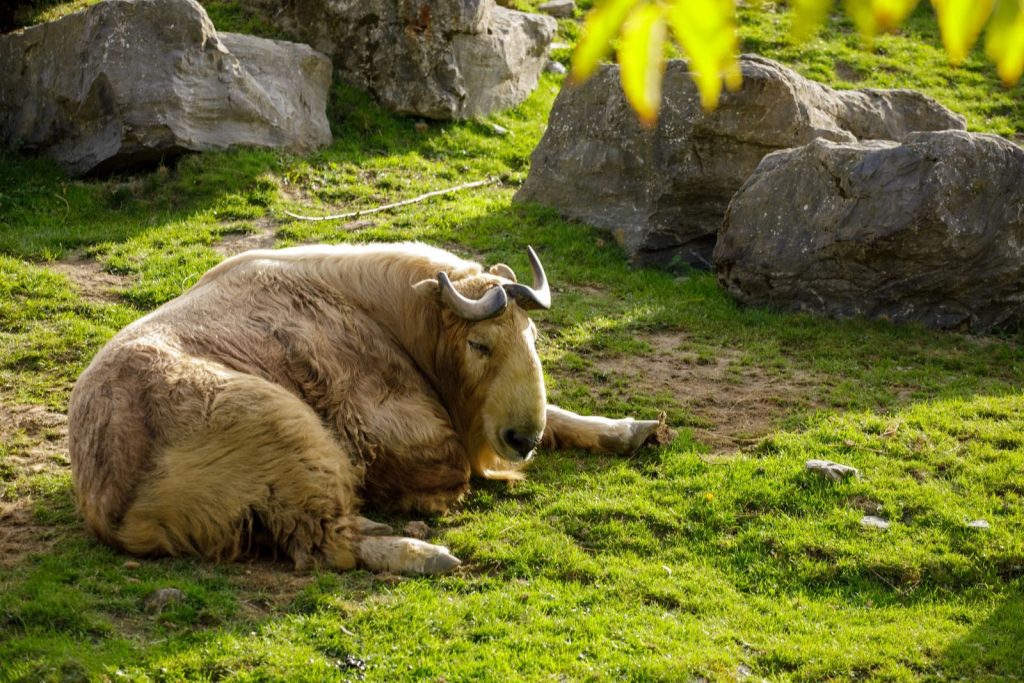
Takins are large hoofed mammals of mountainous Asian habitats, with powerful bodies and thick horns in both sexes. San Diego Zoo Wildlife Alliance says they have few natural predators beyond animals such as bears, wolves, leopards, and dholes. When threatened, takins can react quickly despite their heavy build, and their horns make close contact risky. Their main response may be to move toward dense cover, but the anatomy explains why a predator cannot treat one like defenseless prey. Size and weaponry create a meaningful deterrent.
Peccary Counterattack
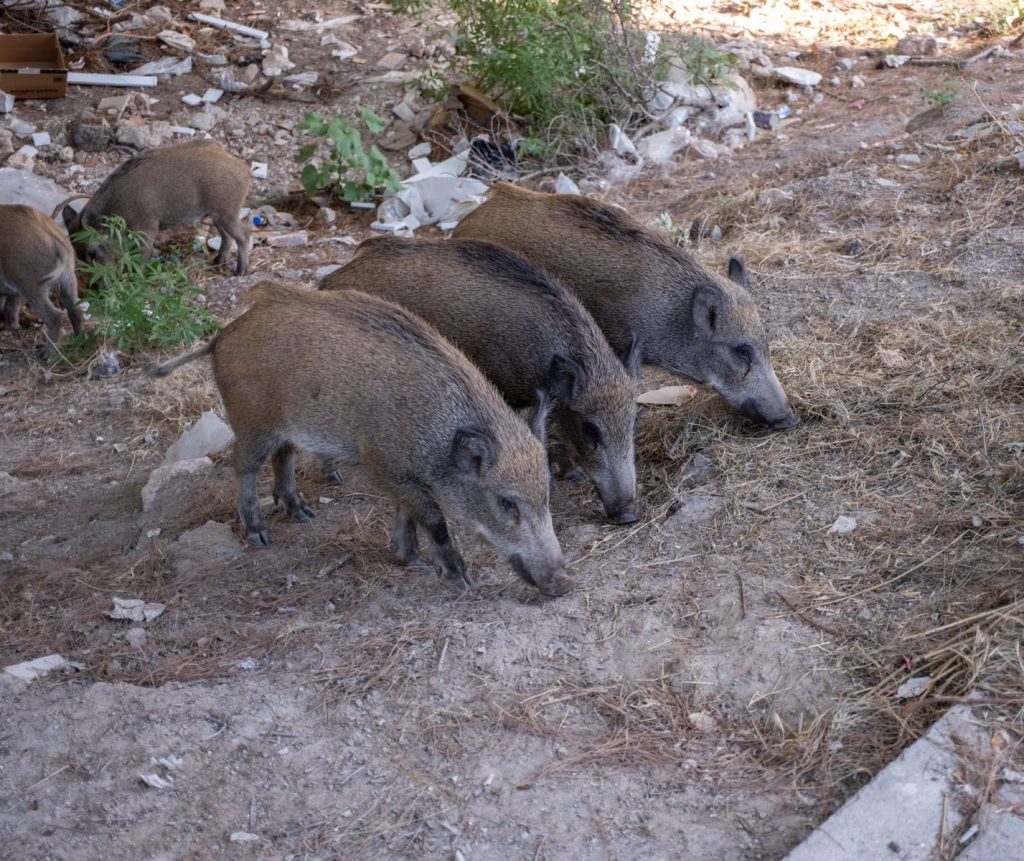
Most peccaries try to escape predators, but group living can sometimes turn defense into a counterattack. San Diego Zoo Wildlife Alliance reports that large groups of white-lipped peccaries have been known to confront jaguars, using alarm calls, teeth clashing, and coordinated aggression to drive the predator away. Their sharp canine teeth and numbers make close pursuit risky. This does not mean peccaries routinely kill jaguars, but it shows why a predator may abandon an attack when prey stop fleeing and begin defending themselves together.
Featured Image: Photo by jean wimmerlin on Unsplash