No scientific organization publishes a definitive ranking of the world’s most dangerous jungles. Risk changes with weather, disease exposure, river conditions, local security, remoteness, and a traveler’s preparation. A tropical forest can be extraordinary rather than threatening, yet some regions combine difficult terrain with hazards that become serious when help is far away. Preparation and local knowledge can change the risk dramatically.
The places below are better understood as demanding jungle environments, not as forests that are automatically deadly. Local communities navigate many of them successfully every day. For outsiders, the greatest risks often come from isolation, illness, flooding, heat, poor planning, or unsafe travel choices rather than from dramatic encounters with predators hidden in the vegetation. Context matters more than a sensational label.
Darién Gap

The Darién region between Panama and Colombia contains tropical forest, swamps, rivers, mangroves, and rugged mountains with very limited road access. UNESCO describes Darién National Park as an exceptional mixture of lowland and mountain ecosystems, while the broader gap is known for difficult travel and isolation. Heat, injury, dehydration, fast water, and delayed rescue can all become serious problems. Security conditions also vary outside protected tourism areas. The safest way to experience the region is through authorized, locally guided travel rather than an improvised overland crossing.
Sundarbans

The Sundarbans form a vast mangrove landscape across India and Bangladesh, cut by tidal channels and exposed to cyclones, storm surges, flooding, and shifting waterways. The area also supports Bengal tigers and estuarine crocodiles, but wildlife is only one part of the risk. Weather and tides can change conditions rapidly, especially for people traveling by boat or working near forest edges. Visitors should rely on licensed local operators, current weather information, and protected-area rules rather than treating the mangroves like an ordinary hiking destination.
Daintree Rainforest

Australia’s Daintree is heavily visited and accessible in many places, yet Queensland park guidance still warns about crocodiles, marine stingers, cassowaries, slippery tracks, and changing conditions. The forest itself is not unusually hostile, but tropical hazards become serious when visitors ignore signs or enter unsafe water. Official guidance encourages people to stay on tracks, check park alerts, respect wildlife, and take crocodile warnings seriously. A well-planned boardwalk visit is very different from swimming or wandering off-route in unfamiliar rainforest and coastal habitat.
Brazilian Amazon
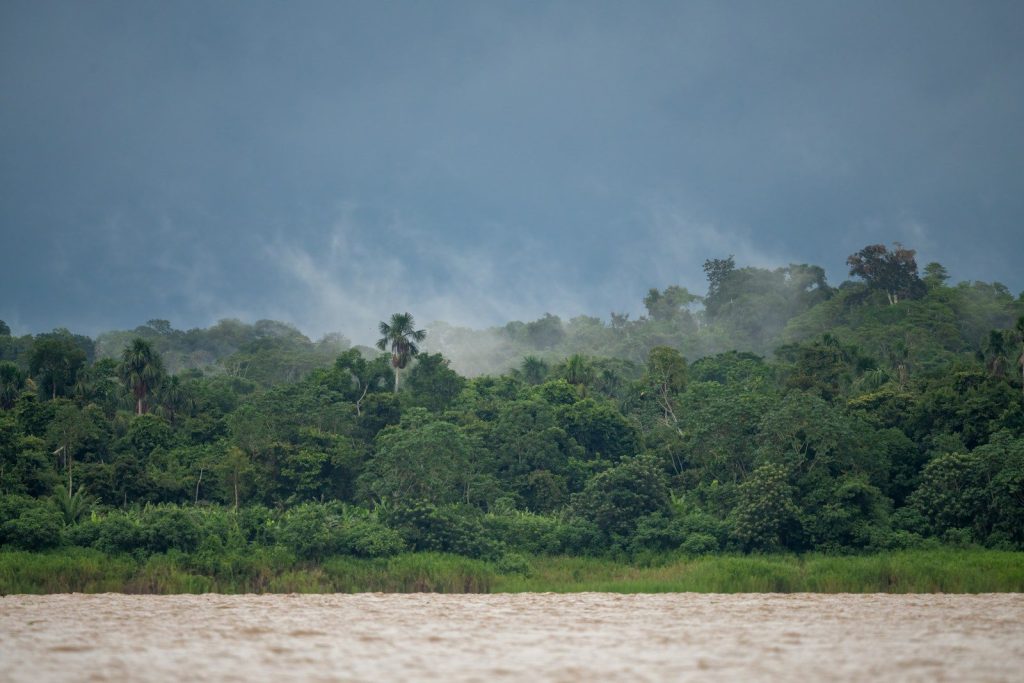
Brazil’s Amazon covers an enormous area, so danger varies greatly between cities, established lodges, river trips, and remote expeditions. CDC travel guidance identifies malaria risk in parts of the Amazon, along with other mosquito-borne infections. Heat, dehydration, contaminated food or water, river accidents, and delayed medical care may be more realistic threats than large predators. Travelers heading into remote forest should plan for vaccinations, insect protection, safe water, communications, guides, and reliable transport instead of assuming that wildlife is the main survival problem.
Peruvian Amazon
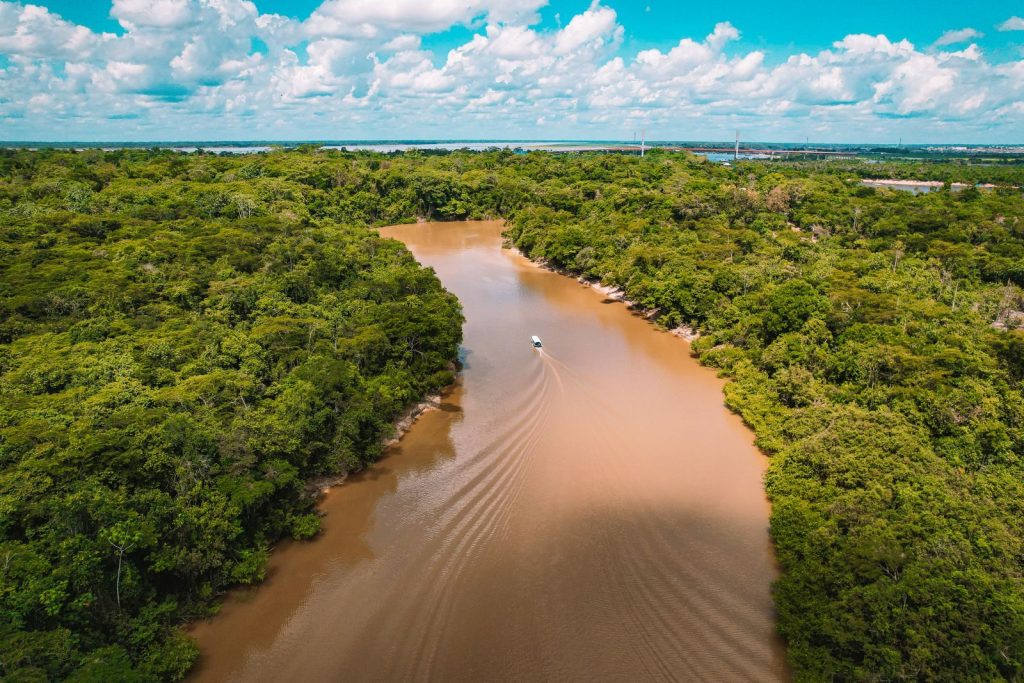
Peru’s Amazon contains famous reserves and organized tourism routes, but remote travel still requires preparation. CDC guidance identifies malaria and other tropical health risks in relevant parts of Peru, while rainforest trips can add intense heat, biting insects, river transport, slippery trails, and long distances from advanced medical care. Risk depends strongly on itinerary and season. Visitors using reputable operators and current medical advice face a very different situation from people entering remote forest without communications, emergency plans, or experienced local guidance.
Borneo Rainforest

Borneo’s rainforests extend across Malaysia, Indonesia, and Brunei, so there is no single hazard profile for the whole island. CDC guidance notes that Plasmodium knowlesi malaria occurs in rural, forested parts of Malaysia, including Malaysian Borneo. Remote trekking can also involve heavy rain, steep trails, leeches, river crossings, and limited access to medical care. Famous wildlife such as orangutans generally avoids people. For most visitors, disease prevention, weather awareness, guides, and realistic route planning matter more than fear of large animals.
Sumatran Rainforest
Sumatra contains tropical forests inhabited by tigers, elephants, orangutans, snakes, and many smaller species, but wildlife attacks are not the most likely problem for ordinary travelers. Current CDC guidance identifies malaria transmission in rural parts of Sumatra. Heavy rain, difficult trails, heat, landslides, river crossings, insects, and limited communications can complicate remote trips. Some areas also experience human-wildlife conflict where farms meet remaining habitat. Visitors should use established guides and current local advice instead of assuming every forest area is equally safe or equally accessible.
Papuan Rainforests

New Guinea contains some of the planet’s largest remaining tropical wilderness, and remoteness can make emergencies difficult to manage. CDC guidance identifies malaria risk across parts of Indonesian Papua, while travel conditions may involve mountains, dense forest, heavy rain, rivers, and limited medical access. Security conditions can also differ by province, so current official travel advice matters. The danger is not uniform, and local communities possess deep knowledge of these landscapes. Outsiders should plan routes carefully and rely on local expertise rather than improvising remote travel.
Featured Image: Photo by Eduardo Valdes on Pexels