Animals have been linked with devils, demons, witchcraft, death, and the supernatural in stories from many cultures. Those associations usually reflect human fears rather than animal behavior. Night activity, unusual calls, black coloring, horns, toxic skin, or unfamiliar anatomy can make a species seem mysterious, and folklore often turns that mystery into something frightening. Once attached, those ideas can survive for centuries.
These connections are cultural, not biological, and they vary widely between places and time periods. An animal feared in one tradition may be respected, sacred, or ordinary in another. The examples below show how appearance, religion, folklore, and popular entertainment can build a dark reputation around animals whose real lives are governed by ecology rather than morality. Understanding that distinction prevents folklore from being mistaken for zoology.
Bats

Bats became strongly connected with demons and supernatural imagery in parts of European art and later popular culture. Medieval and early modern artists sometimes gave devils batlike wings, contrasting them with feathered angel wings. Nocturnal activity, cave roosting, and later vampire fiction strengthened the association. The biology tells a very different story. Most bats eat insects, fruit, nectar, or other ordinary foods, and many provide valuable pollination, seed dispersal, or insect control. Their devilish reputation belongs to human storytelling, not to their natural behavior.
Owls

Owls have carried very different meanings across cultures, including wisdom, protection, death, witchcraft, and the underworld. National Wildlife Federation historical summaries note that Roman traditions sometimes linked owls with witches, while much older imagery also connected owls with supernatural figures. Silent flight, nighttime hunting, and eerie calls probably helped these ideas persist. Real owls are specialized predators equipped with sensitive hearing, low-light vision, and quiet feathers. Their association with evil is therefore cultural and highly variable rather than a universal interpretation of the birds.
Toads
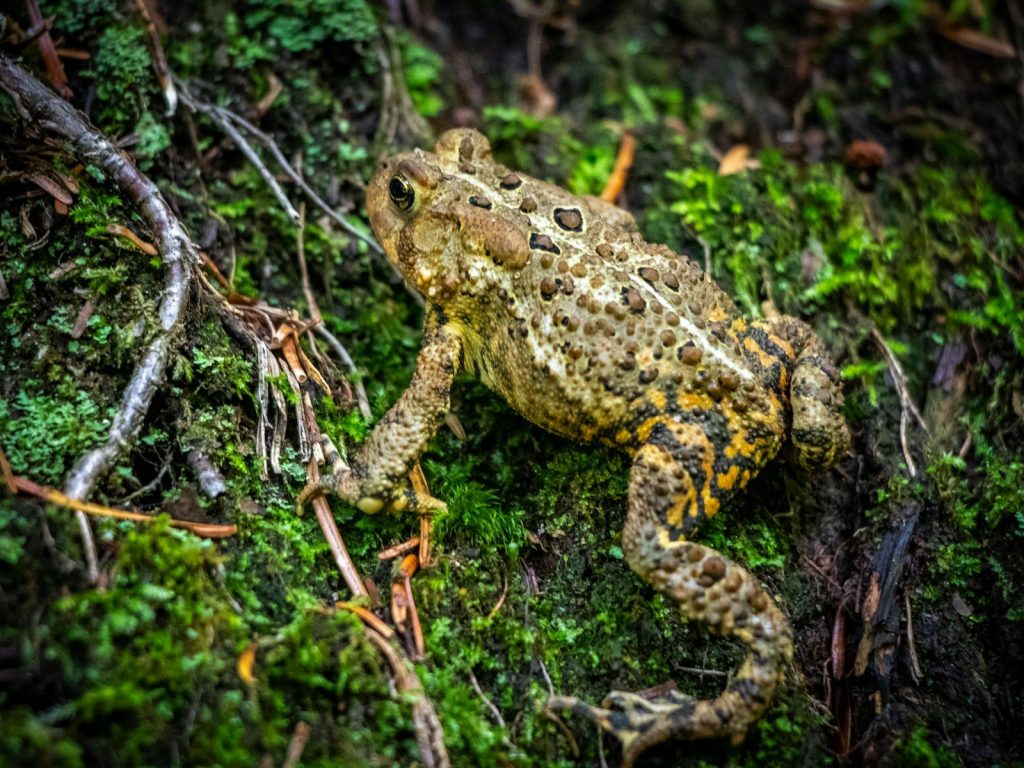
Toads became associated with witches and harmful magic in parts of European folklore, partly because some species produce defensive skin toxins and have a strongly textured appearance. Historical stories sometimes portrayed them as familiars or ingredients in imagined poisons and spells. Their real biology is far less sinister. Toads use skin secretions to discourage predators and spend much of their time eating insects and other small invertebrates. In gardens and natural ecosystems, they can be useful predators. The supernatural reputation grew from human symbolism rather than any unusual hostility toward people.
Ravens

Ravens often appear in stories involving death, battlefields, prophecy, gods, or supernatural knowledge. Their black plumage, intelligence, loud calls, and willingness to eat carrion made them powerful symbols across many traditions. Yet those meanings are not always negative. In Norse mythology, for example, ravens are closely connected with Odin and knowledge. Real ravens are highly adaptable omnivores with complex social behavior. Their habit of feeding on carcasses may have brought them into human stories about death, but scavenging is an ecological role, not evidence of anything evil.
Black Cats

Black cats became familiar symbols of witchcraft and bad luck in parts of Europe and North America, and they remain common in Halloween imagery. Smithsonian collections document how black cats appeared alongside witches, jack-o-lanterns, and other seasonal symbols in popular culture. The association has no biological basis. Black fur results from pigmentation genetics and does not make a cat more dangerous, mysterious, or aggressive. Attitudes also differ between cultures, showing that the meaning comes from tradition rather than from any consistent behavior shared by black-coated domestic cats.
Devil Rays
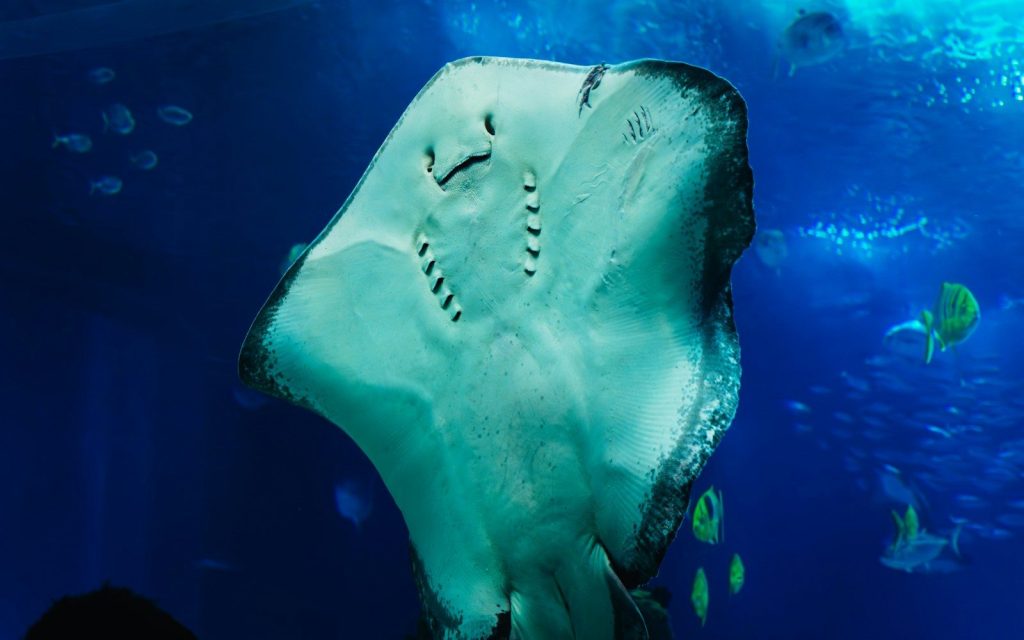
Devil rays received their dramatic common name from the paired cephalic fins at the front of the head. When curled, those fins can resemble horns, which probably inspired the label. Florida Museum explains that the fins can unfold and help funnel small prey toward the mouth during feeding. The animals are rays, not horned monsters, and their unusual head shape serves a practical purpose. Their name is a clear example of how a visual resemblance can create supernatural language around an animal whose feeding behavior is completely ordinary for its ecology.
Thorny Devil
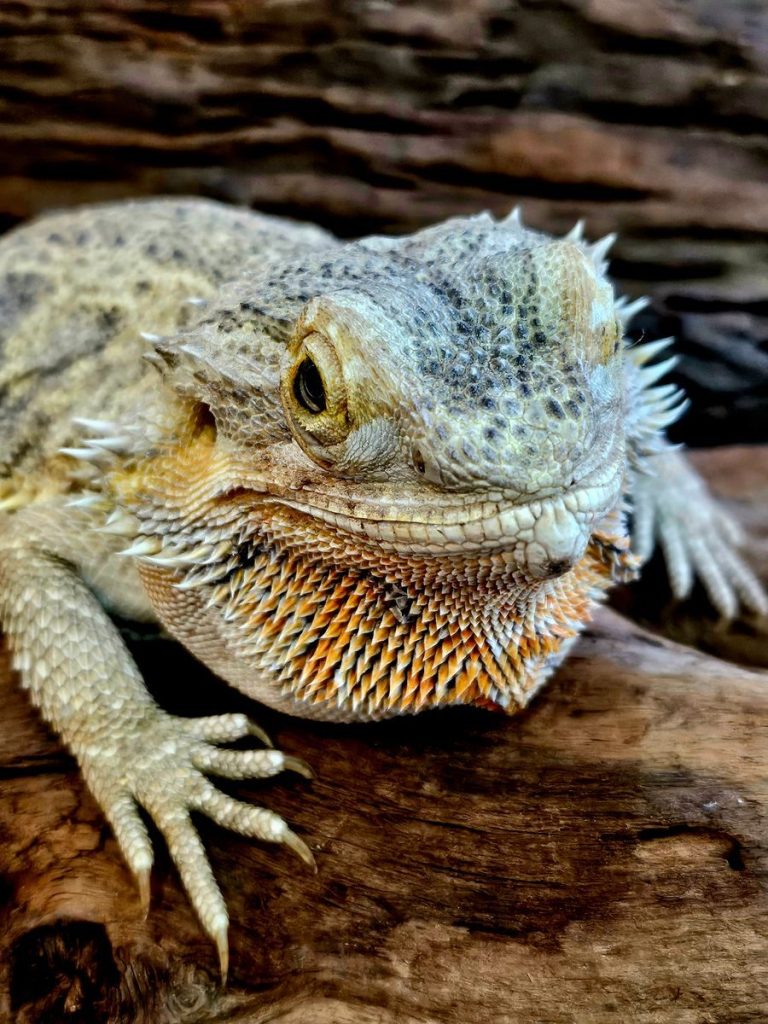
Australia’s thorny devil looks like a miniature fantasy creature, with spines covering much of its body and a common name that sounds deliberately sinister. In reality, it is a small desert lizard specialized largely for eating ants. Australian Museum describes tiny channels between its spines that move water across the skin toward the mouth through capillary action. The same spiny surface that inspires its name also helps with defense and water collection. Its frightening label reflects appearance, while its actual lifestyle is quiet, specialized, and strongly adapted to dry environments.
Vampire Squid

The vampire squid carries one of zoology’s most theatrical names, Vampyroteuthis infernalis, commonly translated as vampire squid from hell. Its dark color, webbed arms, and dramatic defensive posture inspired the name, but Monterey Bay Aquarium describes it as a gentle deep-sea scavenger that feeds mainly on marine snow and other drifting organic material. It does not drink blood. Its eerie appearance is useful in the dark ocean, where it can produce bioluminescence and conserve energy. The name is far more threatening than the animal’s actual feeding behavior.
Featured Image: Photo by Michael Jerrard on Unsplash