The “14 lions” count appears in viral and safari descriptions, but I could not independently verify that exact number for the specific rhino encounter from a strong primary source. I therefore would not present 14 as confirmed.
The underlying behavior is genuine: lions sometimes approach rhinos, while documented predation has mainly involved younger animals.
Lions Surround the Rhino

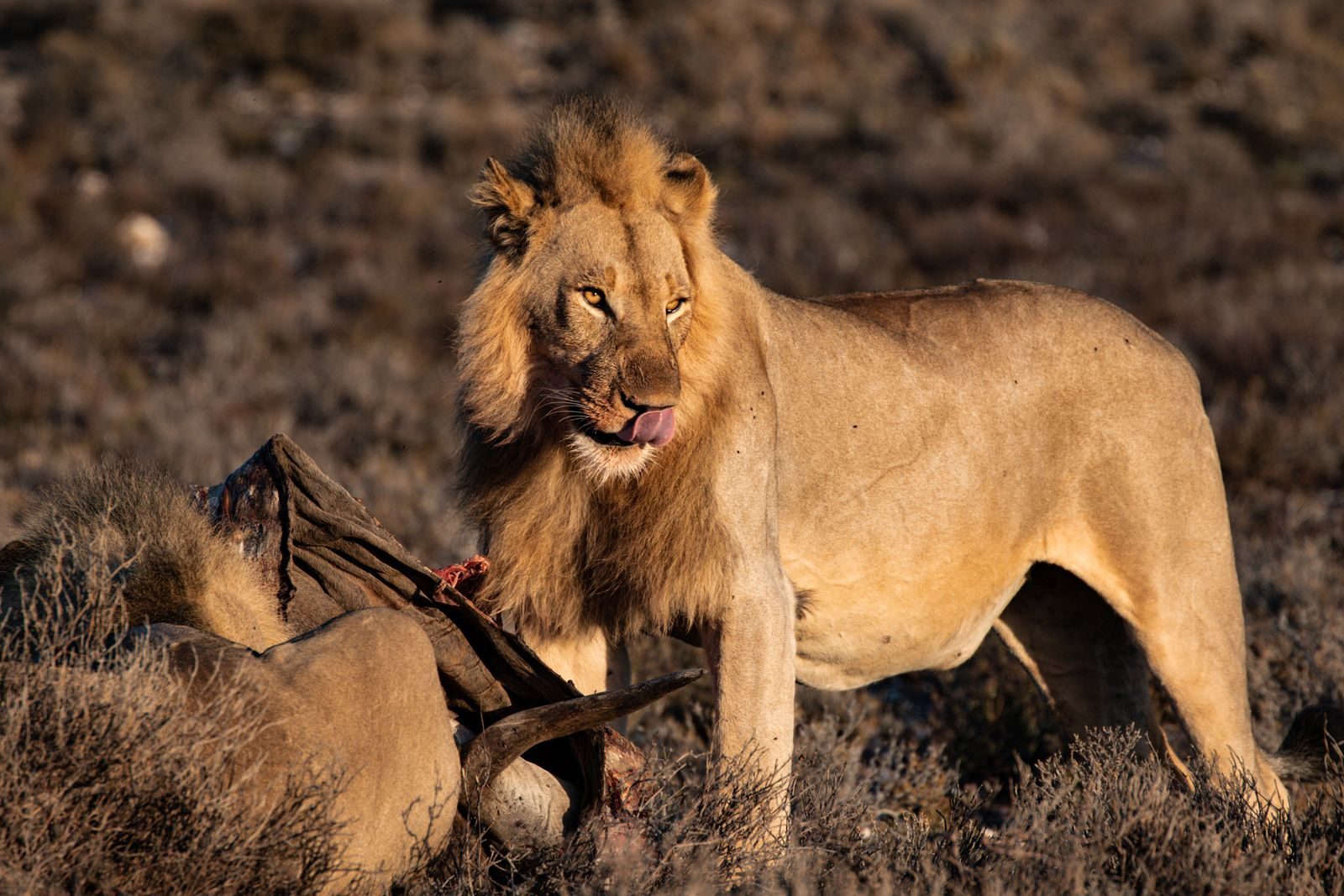
A group of lions can approach large prey from different directions, forcing the target to monitor several animals at once. That numerical advantage is useful against many herbivores.
Surrounding a black rhino does not mean the lions have already committed to attacking it. A healthy adult carries enormous body mass and dangerous horns, so getting close enough to make a kill could seriously injure a predator. Circling, following, or testing the rhino may therefore continue without the pride ever deciding that a direct attack is worth the risk.
Adult Black Rhino
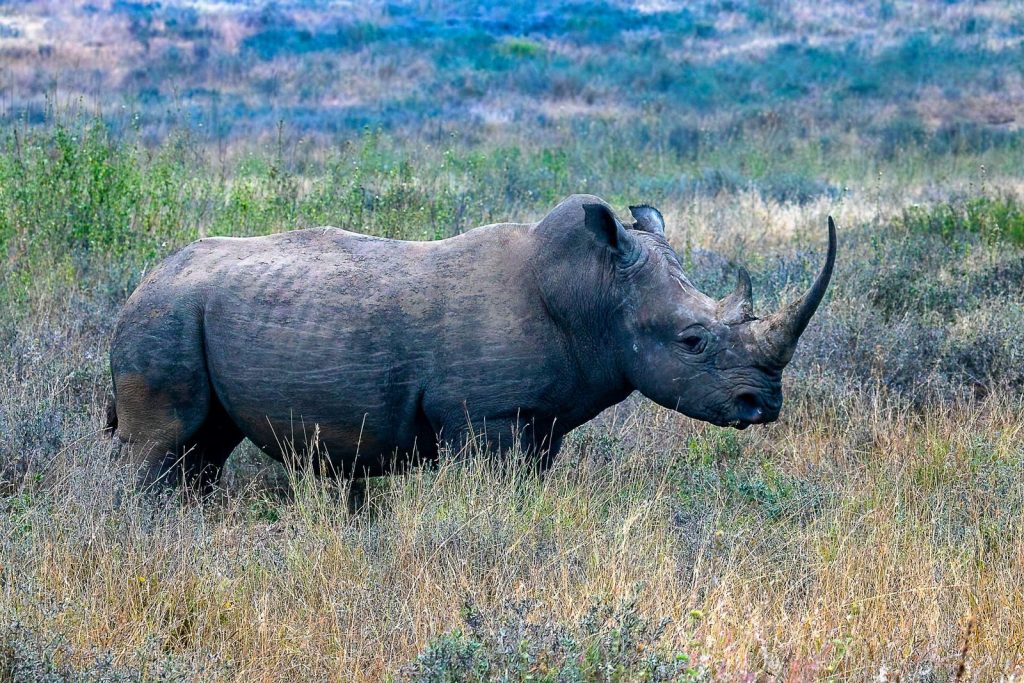
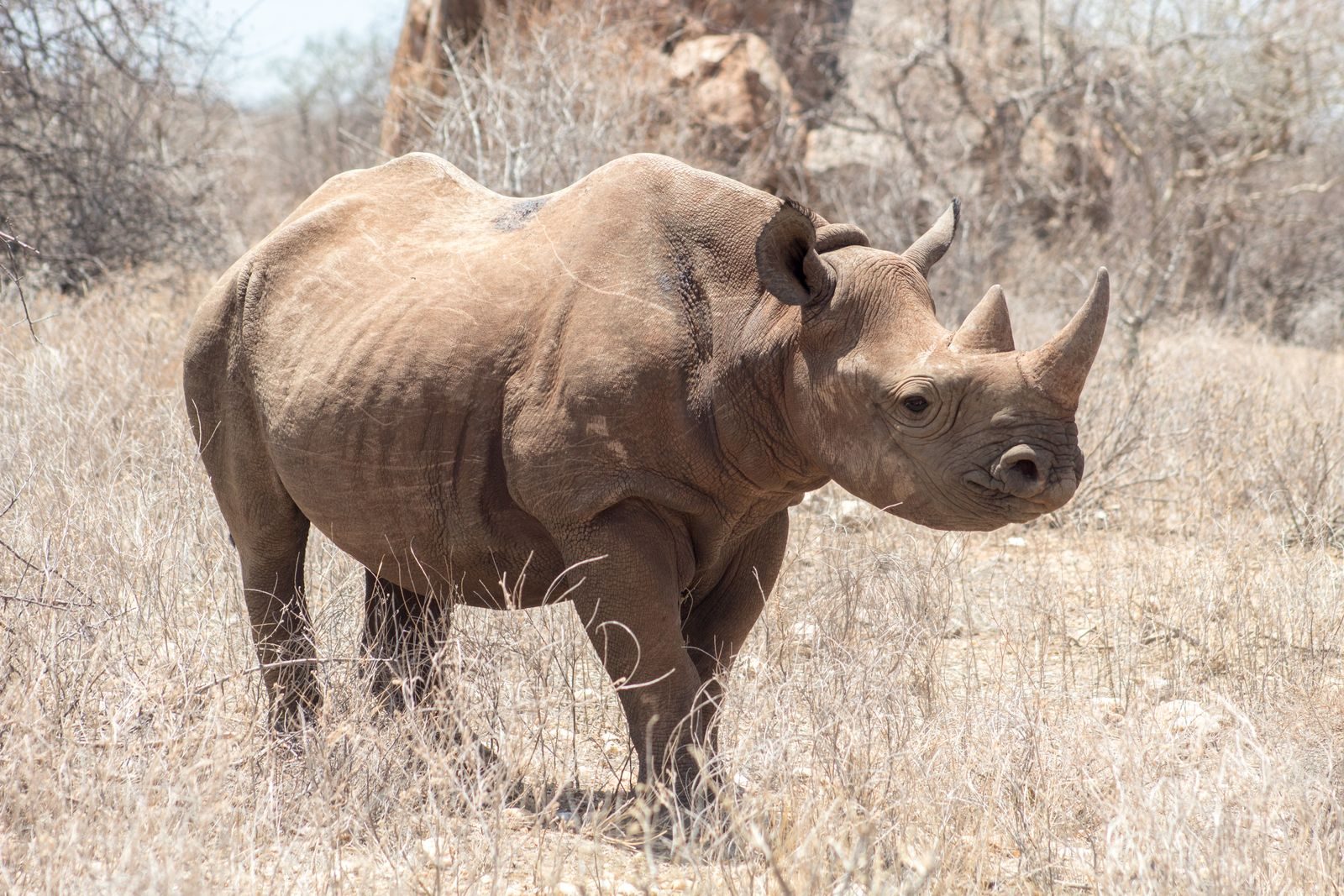
A healthy adult black rhino is fundamentally different from the smaller prey lions usually pursue. Its size, horn, and ability to charge make close contact dangerous.
National Geographic documented young lions investigating adult black rhinos guarding a calf in Kenya’s Maasai Mara. When the rhinos detected the threat, the larger adult charged and drove the lions away. The encounter illustrates why lions can show interest in rhinos without successfully attacking them. An adult rhino does not need to catch a lion; it only needs to make approaching too dangerous.
Black Rhino Calf

Young black rhinos face greater danger because they lack the size, experience, and defensive strength of adults. Peer-reviewed research has documented an approximately eight-month-old black rhino calf with injuries resembling a lion attack.
The calf’s tail had been amputated and it carried wounds on several parts of its body. Thirteen days later, researchers saw its mother alone repeatedly, suggesting the calf died from its injuries. The authors noted that confirmed observations of black rhino predation were rare, making the case scientifically important.
Rhino Horn Defense

The black rhino’s horn changes the risk of every close approach. A lion trying to reach the animal’s side or rear must avoid being caught by a sudden turn or charge.
National Geographic’s documented Maasai Mara encounter showed a large adult black rhino charging young lions away from a calf. This behavior demonstrates how a rhino can use aggression and body positioning defensively without needing a prolonged fight. One severe wound could compromise a lion’s ability to hunt later, giving predators a strong reason to remain cautious around a healthy adult.
Lions Test Young Rhinos
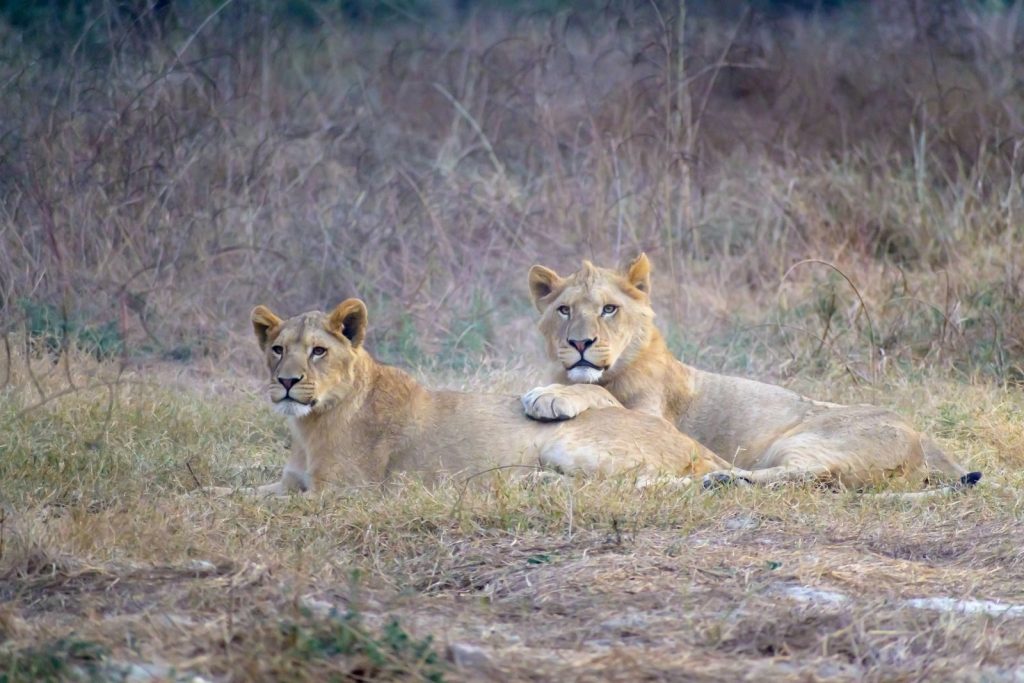
Lions do not need to attack every rhino they encounter. Investigating a family group can reveal whether a calf is vulnerable, whether adults will defend it, and whether the potential meal is worth approaching.
In the documented Maasai Mara scene, young lions began showing interest in two adult black rhinos and their calf, but the larger rhino responded by charging. The lions retreated rather than forcing a dangerous confrontation. Such encounters are important because they show predator decision-making as a balance between opportunity and injury risk, not a simple assumption that numbers guarantee success.
Lion Predation Evidence

Scientific evidence shows that lion predation on black rhinos can occur, but researchers describe direct observations as rare. The 2009 peer-reviewed case report noted that earlier confirmed reports were limited and involved younger rhinos.
That evidence supports careful wording. It is reasonable to say lions can prey on black rhinos, particularly calves or subadults. It would be misleading to imply that healthy adult black rhinos are routine lion prey. Viral footage often makes an unusual confrontation look ordinary because viewers see only the dramatic encounter rather than how rarely such events are documented.
Rhino Family Defense
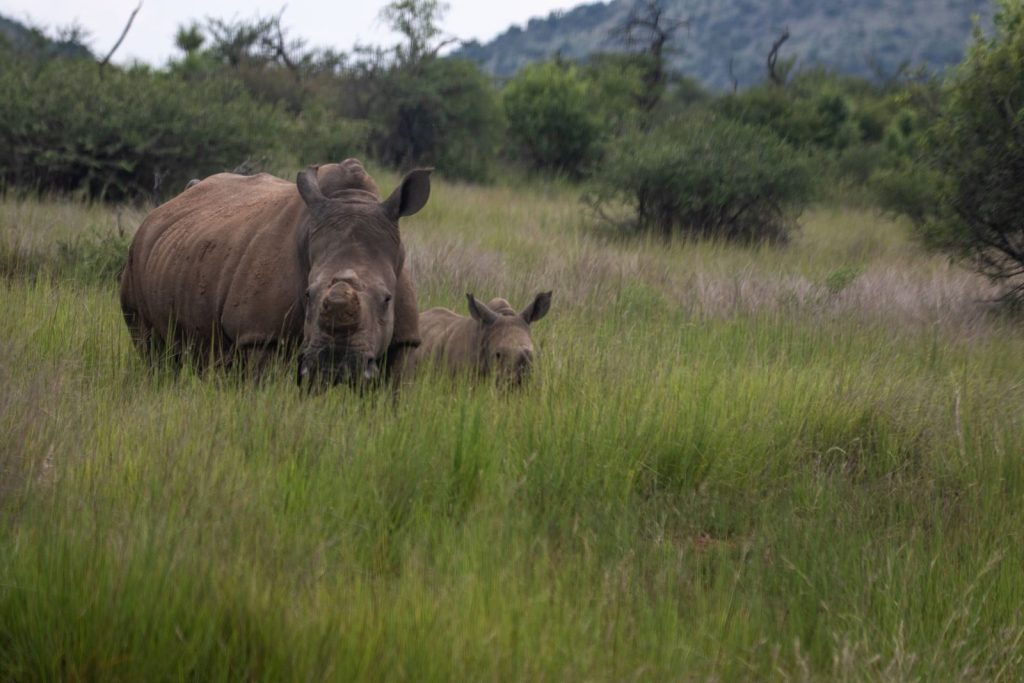
Adult rhinos can provide an important defensive barrier around a calf. In the Maasai Mara encounter reported by National Geographic, two adult black rhinos were with a youngster when lions began showing interest.
The larger adult detected the threat and charged the cats, causing them to retreat. That response does not guarantee every calf will be safe; the peer-reviewed predation case proves lions can sometimes inflict fatal injuries. Together, the two examples show the complete picture: calves are vulnerable, but attentive adults can make an attack far more difficult and dangerous.
The Rhino Is Not Doomed
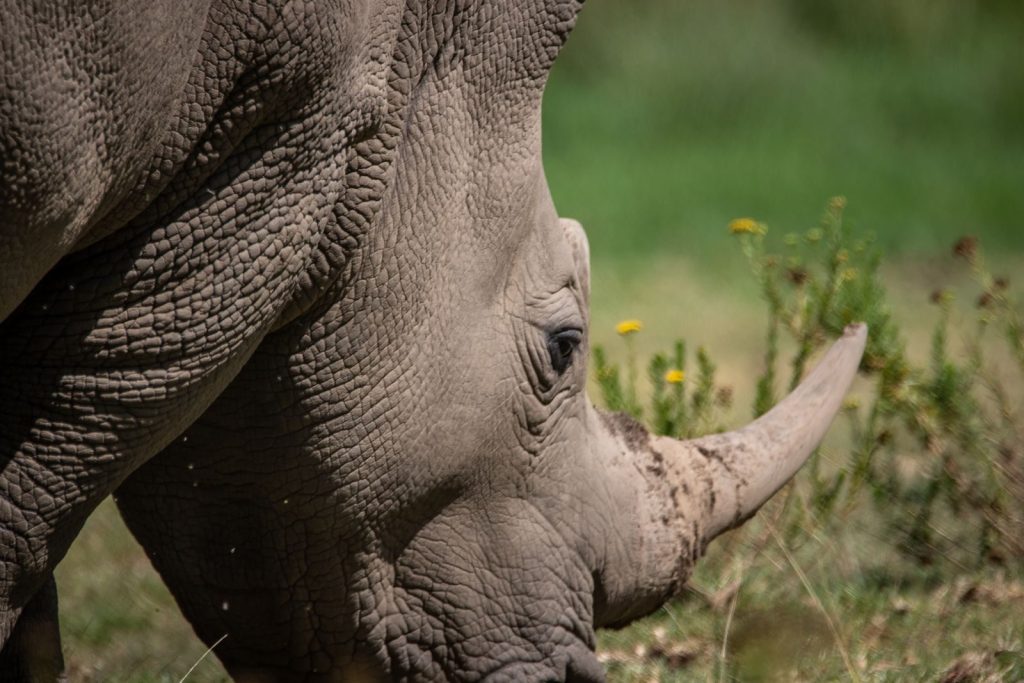
A dramatic circle of lions can make a rhino appear trapped, but numbers alone do not determine the outcome. The lions still need to approach closely enough to control the animal while avoiding horns, charges, and serious injury.
Documented encounters show both sides of that balance: lions have injured young black rhinos, while adult rhinos have successfully driven lions away from calves. The safest conclusion from an unverified viral clip is therefore not that the rhino was doomed or that 14 lions definitely attacked. It is that such confrontations involve genuine risk for both predator and prey.
Featured Image: Photo by ATHUMAN KOMORA GARISSE on Pexels