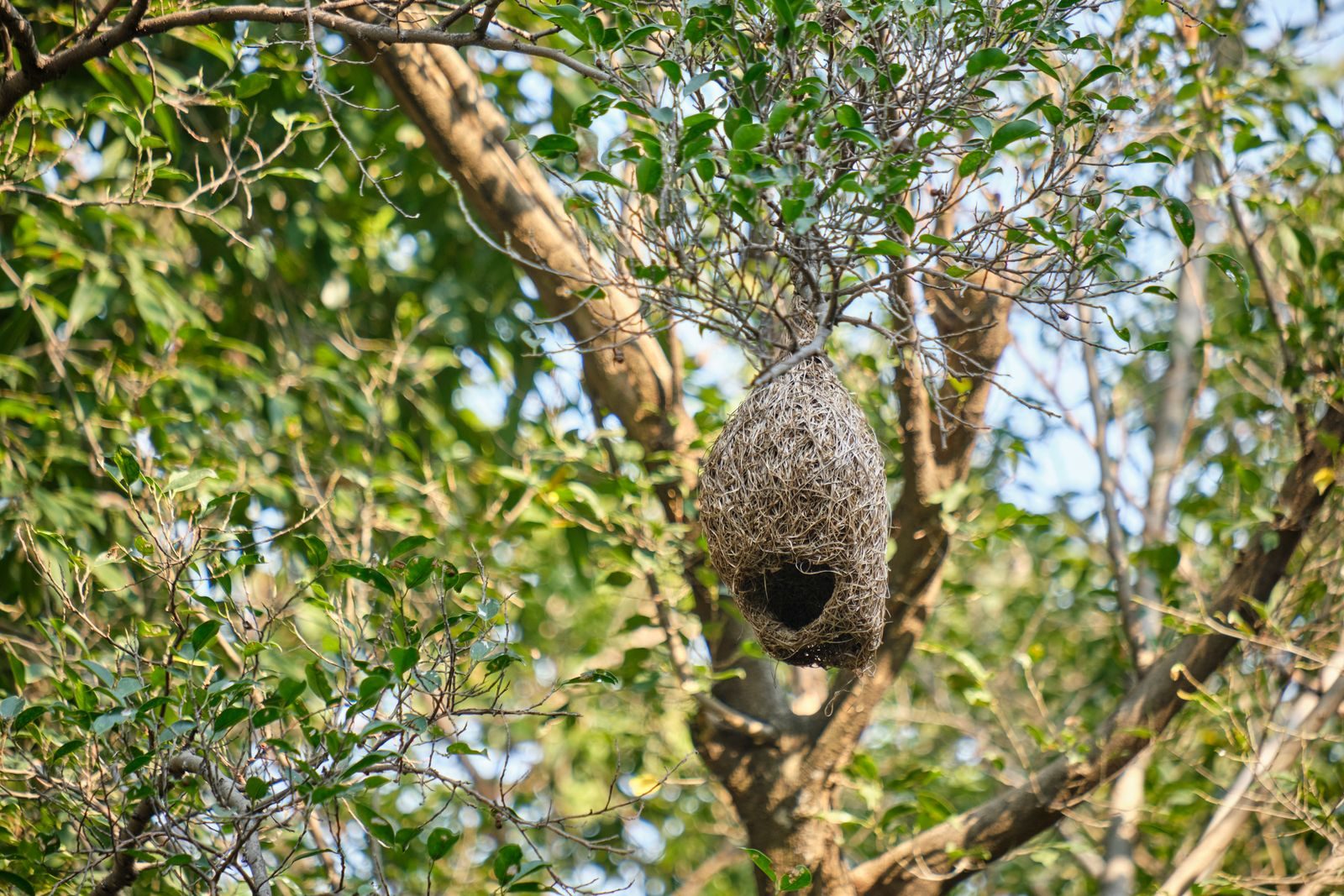
A dense ball of leaves high in a tree is easy to mistake for an oversized bird nest. In many cases, it is actually a tree-squirrel nest.
These shelters are often called dreys. What appears messy from below contains a constructed framework and softer inner lining designed to provide shelter.
Squirrel Leaf Nest
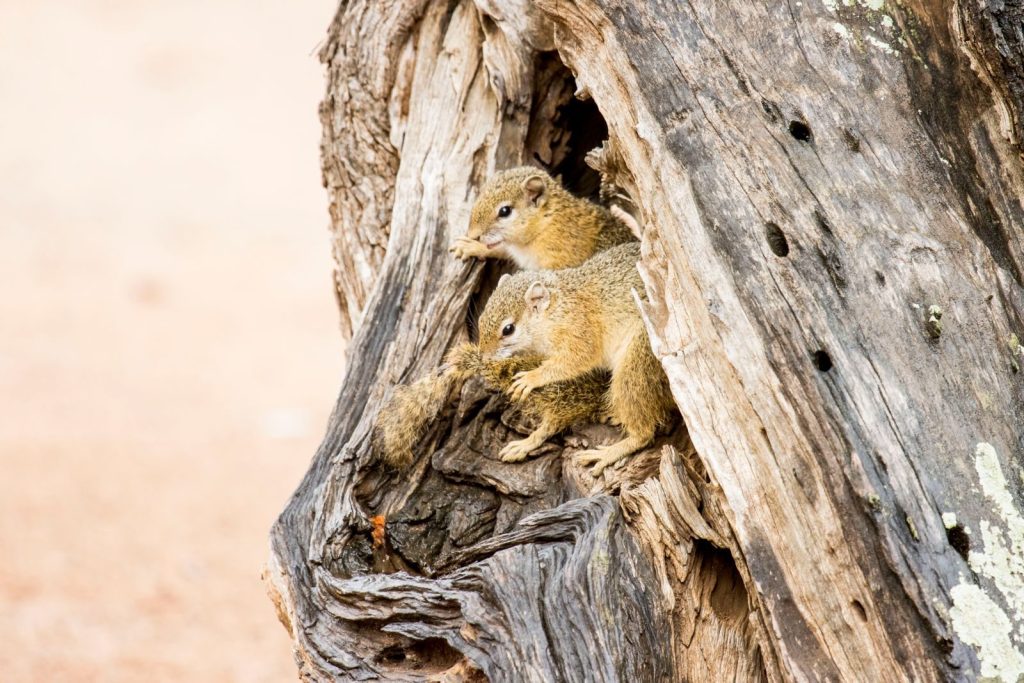
Tree squirrels can nest in natural cavities, nest boxes, or structures made from leaves and sticks. Penn State describes leaf nests as having a stick framework filled with dry leaves and lined with softer materials.
The result is much more enclosed than the open cup built by many familiar birds. From the ground, however, the individual layers are difficult to see, so the structure may simply resemble a ball of dead leaves trapped in the branches. That rounded, leafy appearance is one of the strongest clues that a squirrel built it.
Tree Fork Location
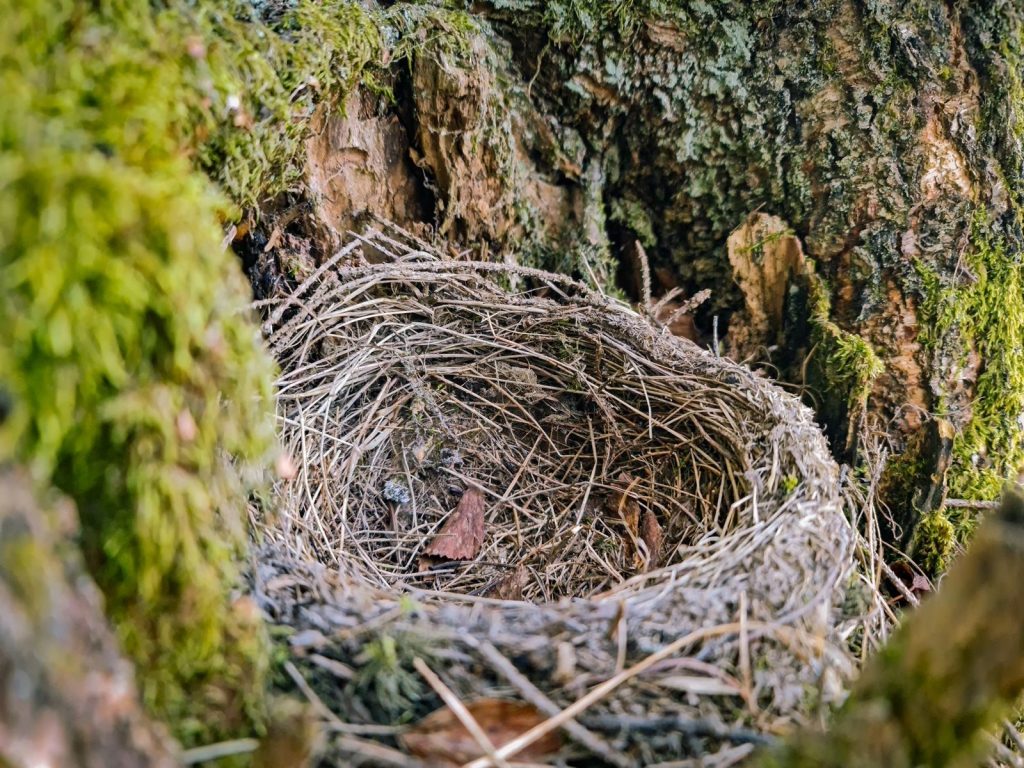
Squirrel dreys are commonly built where strong branches meet, often close to the trunk. These locations give the structure far better support than thin branches near the outer edge of the canopy.
The British Red Squirrel group describes dreys as dense balls of interwoven twigs, roughly football-sized, often located in a branch fork against the trunk. Although species and locations differ, the principle is straightforward: the nest needs a sturdy platform capable of supporting the squirrel and remaining intact during wind and rain.
Stick Nest Frame
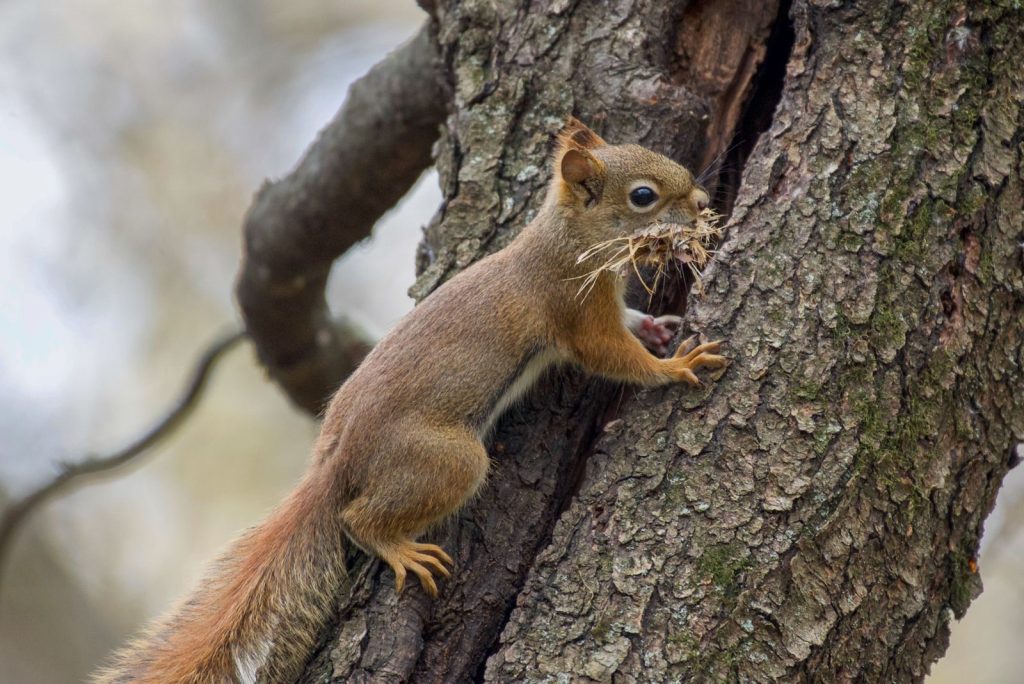
A squirrel leaf nest does not begin as a pile of loose leaves. Penn State explains that squirrels first create a framework from sticks, then fill and line the structure with other natural materials.
That framework helps the nest maintain its shape when weather would scatter ordinary debris. Leaves provide much of the visible outer covering, making the structure easy to overlook when the tree is fully leafed out. Dreys often become much more noticeable in autumn and winter after surrounding foliage falls away but the tightly constructed nest remains attached to the branches.
Soft Nest Lining

The inside of a squirrel nest is softer than its rough exterior suggests. Penn State lists materials such as dry leaves, bark strips, and corn husks, while other squirrel sources describe moss and grass in the lining.
These materials help create a protected resting chamber inside the stick frame. Tree squirrels remain active through winter rather than entering true hibernation, so access to sheltered sleeping places is important during cold or wet conditions. The drey acts as an enclosed refuge rather than simply a platform where the animal rests exposed to the weather.
Several Squirrel Dreys
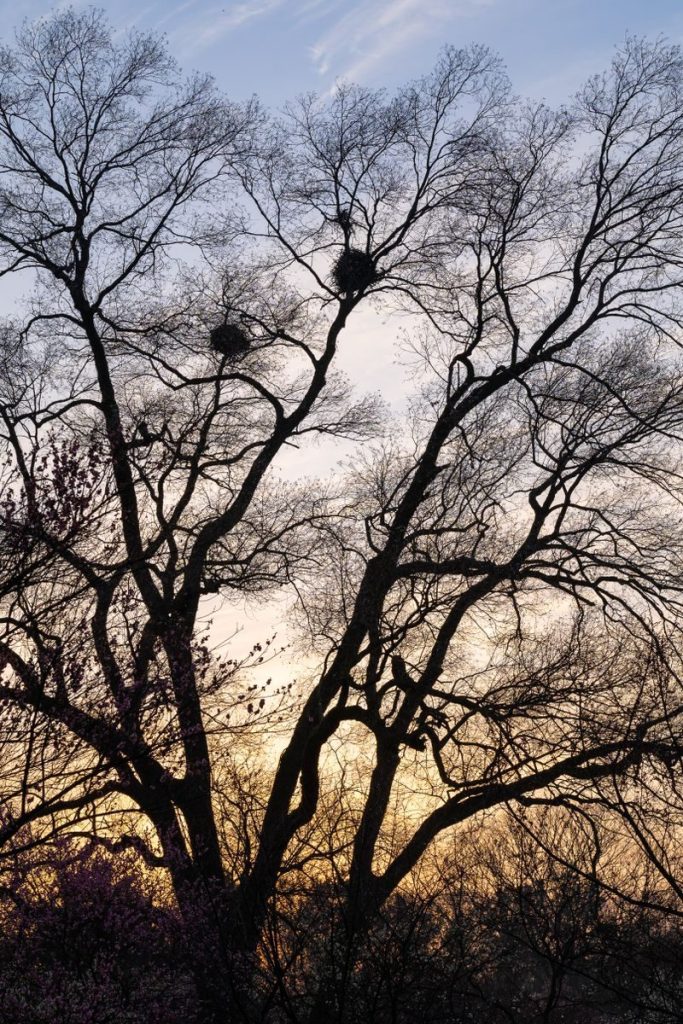
One squirrel can use more than one drey. British red squirrels, for example, have been observed maintaining several nests and even moving their young between them.
Alternative shelters can be useful if one nest becomes damaged, disturbed, or unsuitable. This means several leafy balls in nearby trees do not necessarily represent the same number of individual squirrels. It also means a nest should not automatically be considered abandoned because no animal has entered it during a short observation. The squirrel may simply be using another shelter temporarily.
Tree Cavity Nest

Leaf nests are only one option. Penn State notes that tree squirrels also use natural tree cavities and human-made nest boxes.
A protected cavity can provide excellent shelter from wind, rain, and temperature extremes. This is one reason older trees containing safe hollows can be valuable wildlife habitat. Squirrels are not the only beneficiaries: many birds and other animals also depend on cavities. A squirrel seen using a leafy drey may still have access to another cavity or shelter elsewhere within its home range.
Bird Nest or Squirrel Nest
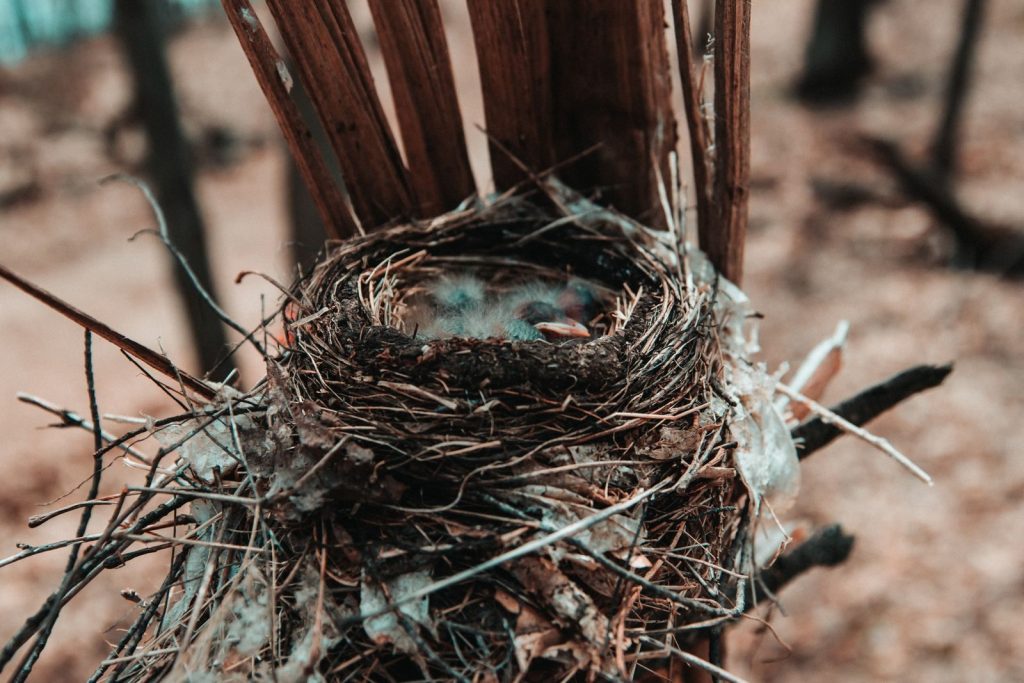
A drey can often be separated from a typical bird nest by its enclosed, leafy appearance. Many songbirds build open cups where the upper surface is clearly visible, while a squirrel nest resembles a dense ball.
That rule is not universal because birds build many different kinds of nests. The safest approach is to use several clues together: visible leaves, a stick framework, placement in a strong tree fork, and squirrel activity nearby. Avoid climbing to inspect an uncertain nest, because the structure may contain wildlife even when no animal is visible from below.
Leave the Nest Alone
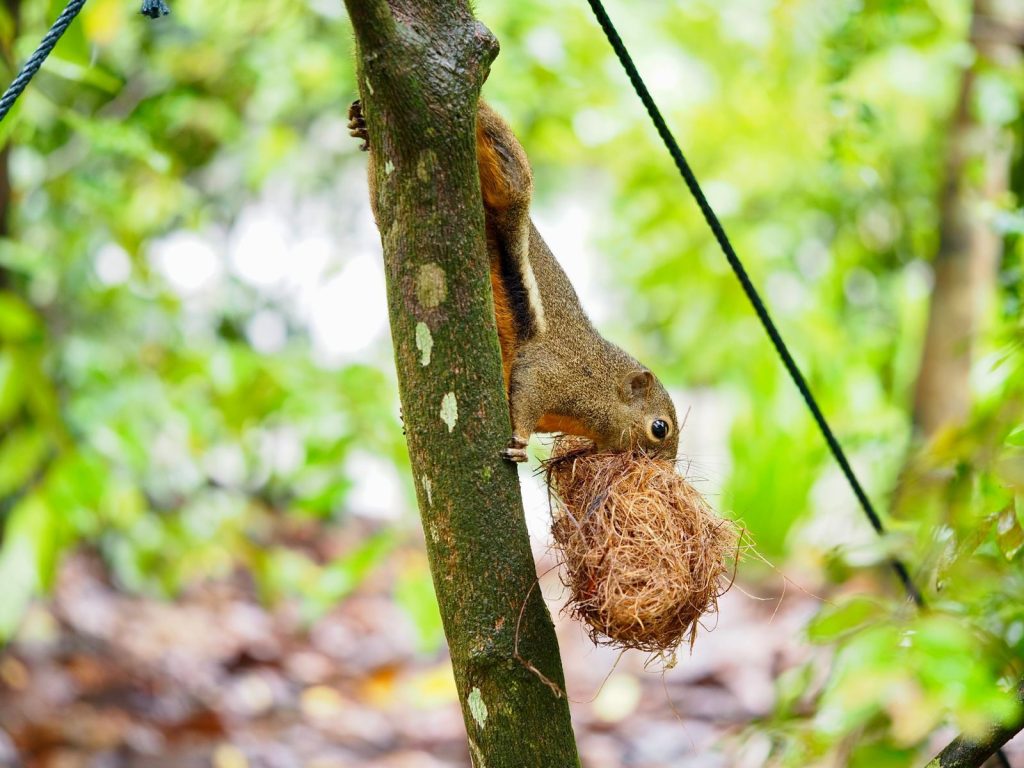
A squirrel drey in a tree normally does not require human intervention. Opening it, shaking the branch, or cutting it down can destroy useful shelter and may expose dependent young.
When squirrels enter a building, a different response may be necessary because they can damage insulation and electrical wiring. Penn State recommends wildlife-control approaches designed for those conflicts. A harmless leaf nest outside is another matter. If it is securely located in a tree and causing no problem, leaving it undisturbed allows the squirrel to continue using the shelter naturally.
Featured Image: Photo by Gabriel Porras on Unsplash