Asia is home to some of the most extraordinary wildlife on Earth, from massive predators roaming snowy mountains to tiny primates hiding in tropical forests. The continent’s diverse climates and landscapes have allowed rare species to evolve in ways found nowhere else in the world.
Many of these animals remain mysterious even to scientists, while others have become global symbols of conservation. From deep jungles to icy highlands, Asia’s wildlife proves that nature can be far stranger and more fascinating than fiction.
The Red Panda Is One of Asia’s Most Adorable Forest Creatures

With its rust-colored fur, fluffy tail, and fox-like face, the red panda is often mistaken for a relative of giant pandas. In reality, it belongs to its own unique animal family and spends most of its life in the mountain forests of the Himalayas and southwestern China.
Red pandas are expert climbers and use their long tails for balance and warmth during cold nights. Unfortunately, habitat destruction and poaching have caused their populations to decline across much of their native range.
Snow Leopards Rule the Mountains in Near Silence
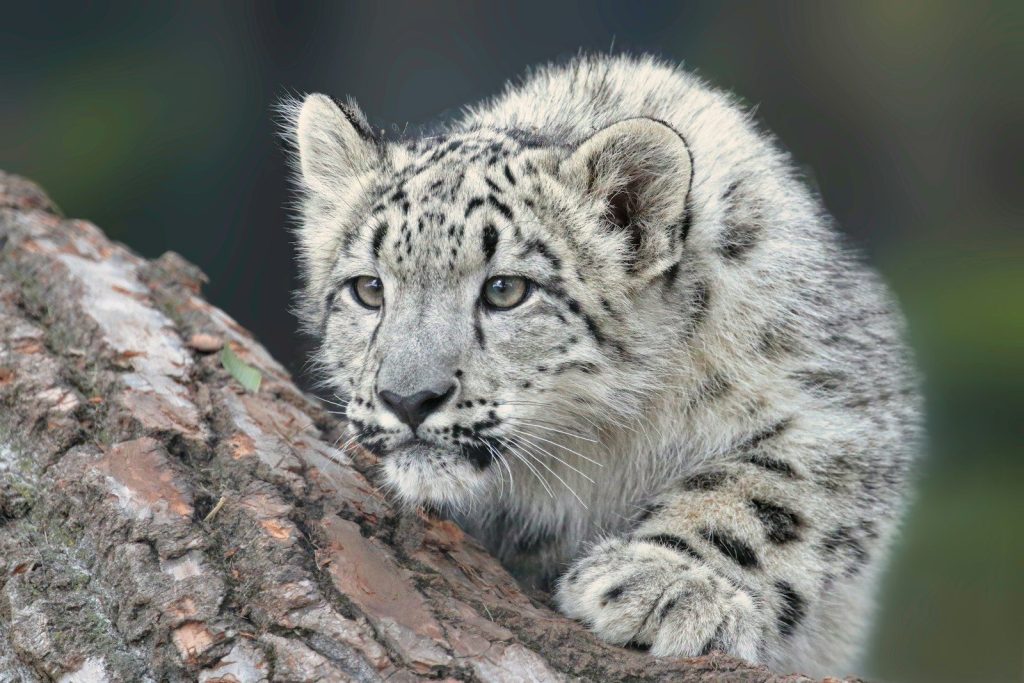
The snow leopard is one of the most elusive big cats in the world and is found high in the mountains of Central and South Asia. Its thick fur, massive paws, and long tail help it survive freezing temperatures and steep rocky terrain.
Unlike lions or tigers, snow leopards are rarely seen by humans because they move silently through remote alpine regions. These powerful predators can leap incredible distances while hunting wild sheep and mountain goats.
Proboscis Monkeys Have Some of the Strangest Faces in Nature
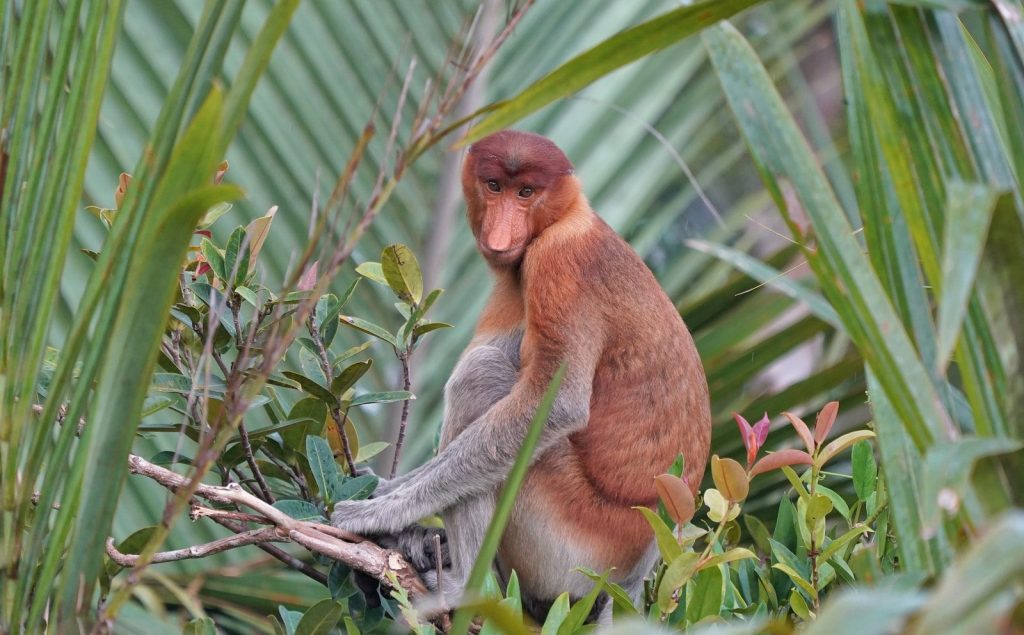
Native only to the island of Borneo, proboscis monkeys are famous for their unusually large noses and potbellied appearance. Males can develop enormous noses that scientists believe help attract mates and amplify vocal calls.
These monkeys are excellent swimmers and often leap into rivers to escape predators. Their mangrove forest habitat is rapidly shrinking due to deforestation and palm oil plantation expansion.
The Saola Is So Rare It’s Called the “Asian Unicorn”
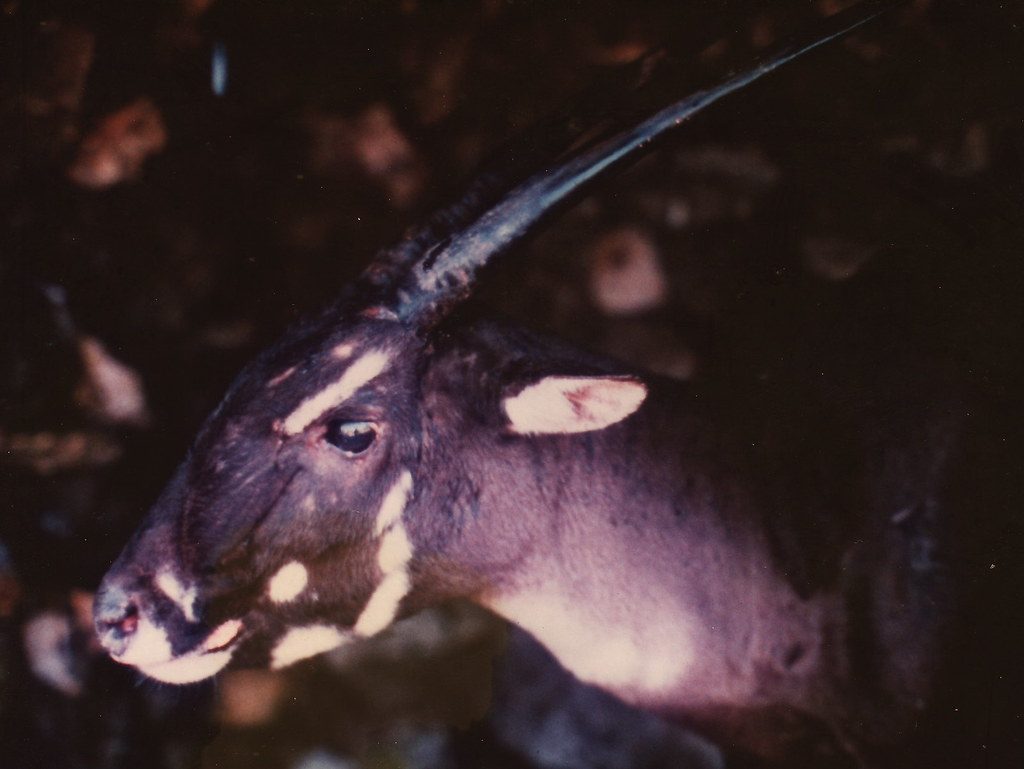
The saola is one of the rarest large mammals on Earth and was only discovered by science in 1992. Found in the forests of Laos and Vietnam, this shy animal resembles a mix between an antelope and a deer.
Because it is so rarely seen, very little is known about its behavior in the wild. Conservationists fear the species may already be critically endangered due to hunting and habitat loss.
Asian Elephants Are Smaller but Just as Intelligent

Asian elephants differ from African elephants in several ways, including smaller ears and a more rounded back. They have lived alongside humans for thousands of years and play important cultural and religious roles throughout Asia.
Despite their intelligence and social behavior, Asian elephant populations continue to decline because of habitat destruction and conflicts with humans. Many are forced into smaller habitats as forests disappear.
The Japanese Macaque Loves Hot Springs
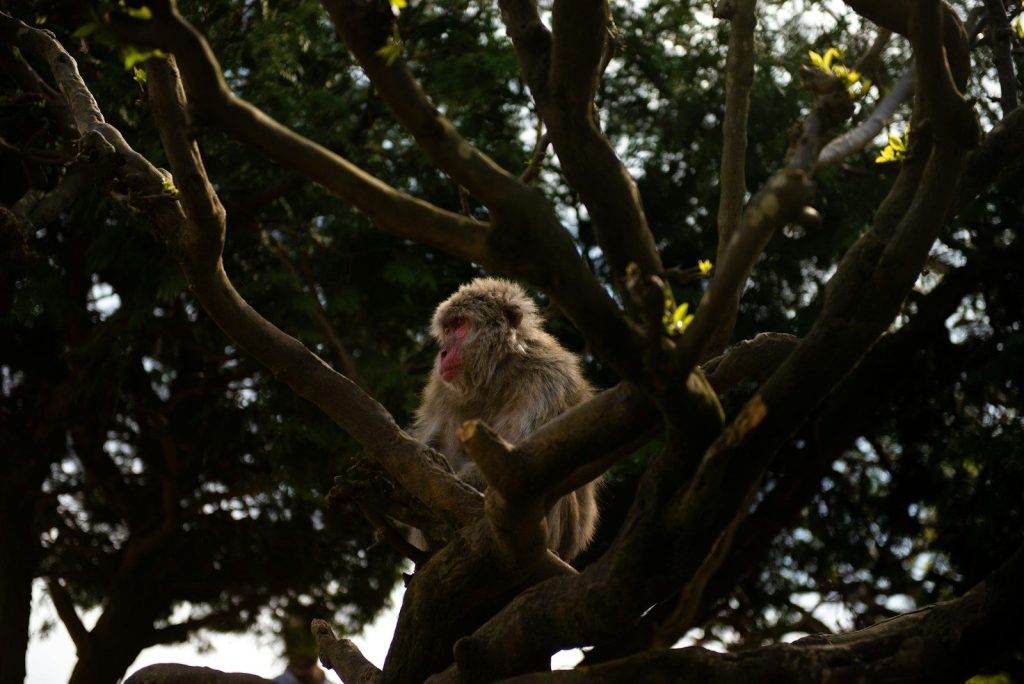
Also known as the snow monkey, the Japanese macaque is famous for soaking in hot springs during winter. These monkeys live farther north than any other non-human primate and have adapted to snowy mountain conditions.
Researchers have observed highly intelligent social behaviors among macaques, including grooming traditions and learned behaviors passed through generations. Their hot spring bathing habits have become iconic worldwide.
Komodo Dragons Are the Largest Lizards on Earth
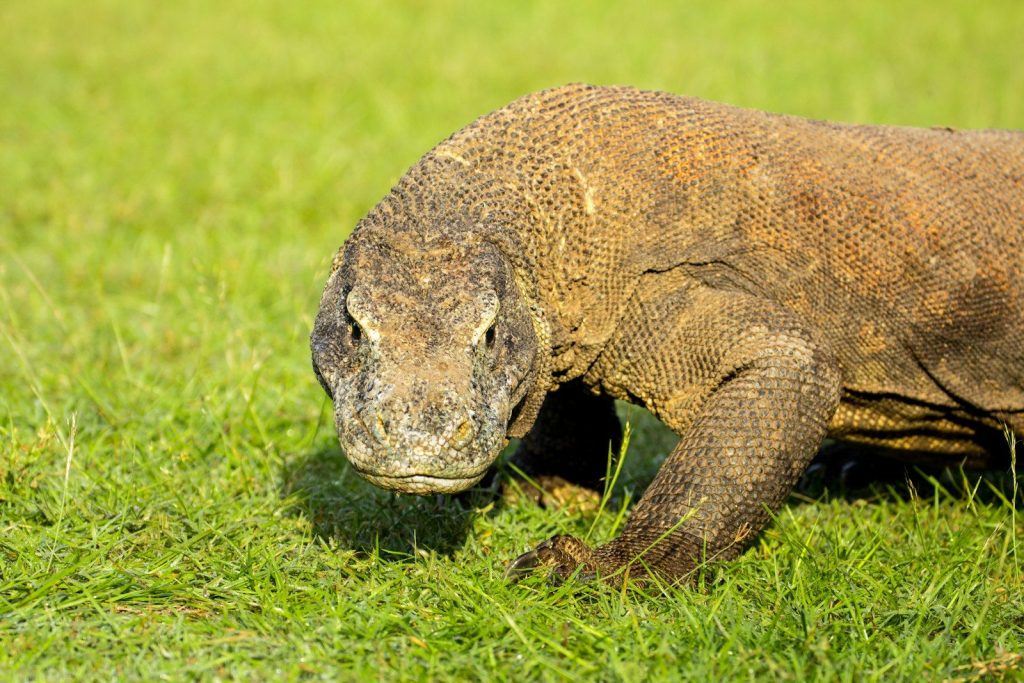
Found only on a few Indonesian islands, Komodo dragons are massive reptiles capable of growing over 10 feet long. These apex predators use sharp teeth, powerful claws, and venomous bites to overpower prey.
Komodo dragons can hunt deer, wild pigs, and even water buffalo. Despite their fearsome reputation, they are vulnerable to habitat loss and climate change, making conservation efforts increasingly important.
Tarsiers Have Eyes Bigger Than Their Brains
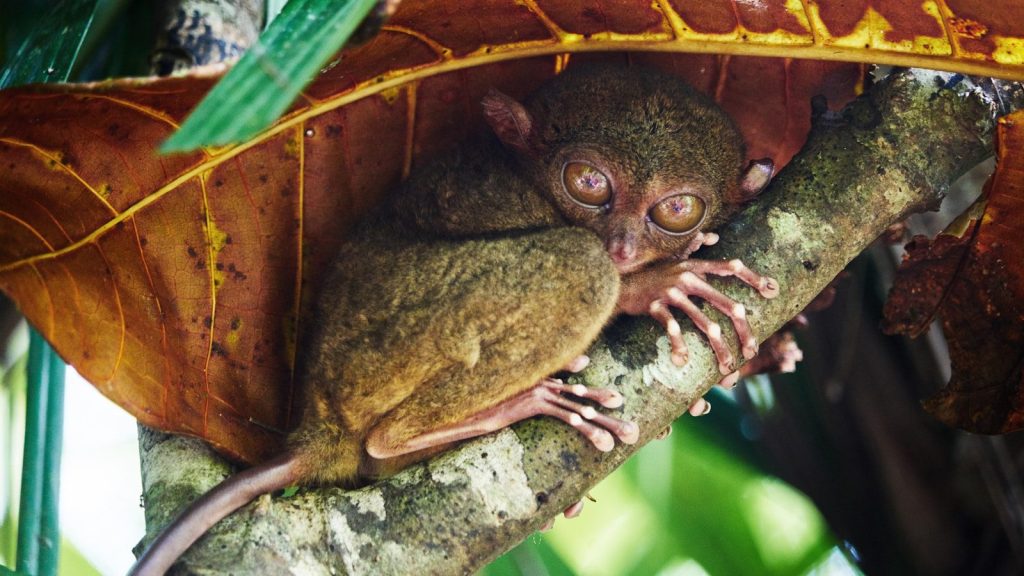
Tarsiers are tiny nocturnal primates found in parts of Southeast Asia, particularly the Philippines and Indonesia. Their enormous eyes help them see in darkness, and each eyeball is roughly as large as their brain.
These agile hunters feed mainly on insects and can leap impressive distances between trees. Unlike many other primates, tarsiers are entirely carnivorous and rely on stealth and speed to catch prey.