Nepal’s conservation success story is often told through numbers: a rapidly recovering tiger population and expanding protected habitats. But on the ground, especially in rural forest-edge communities, that success is coming with a growing human cost.
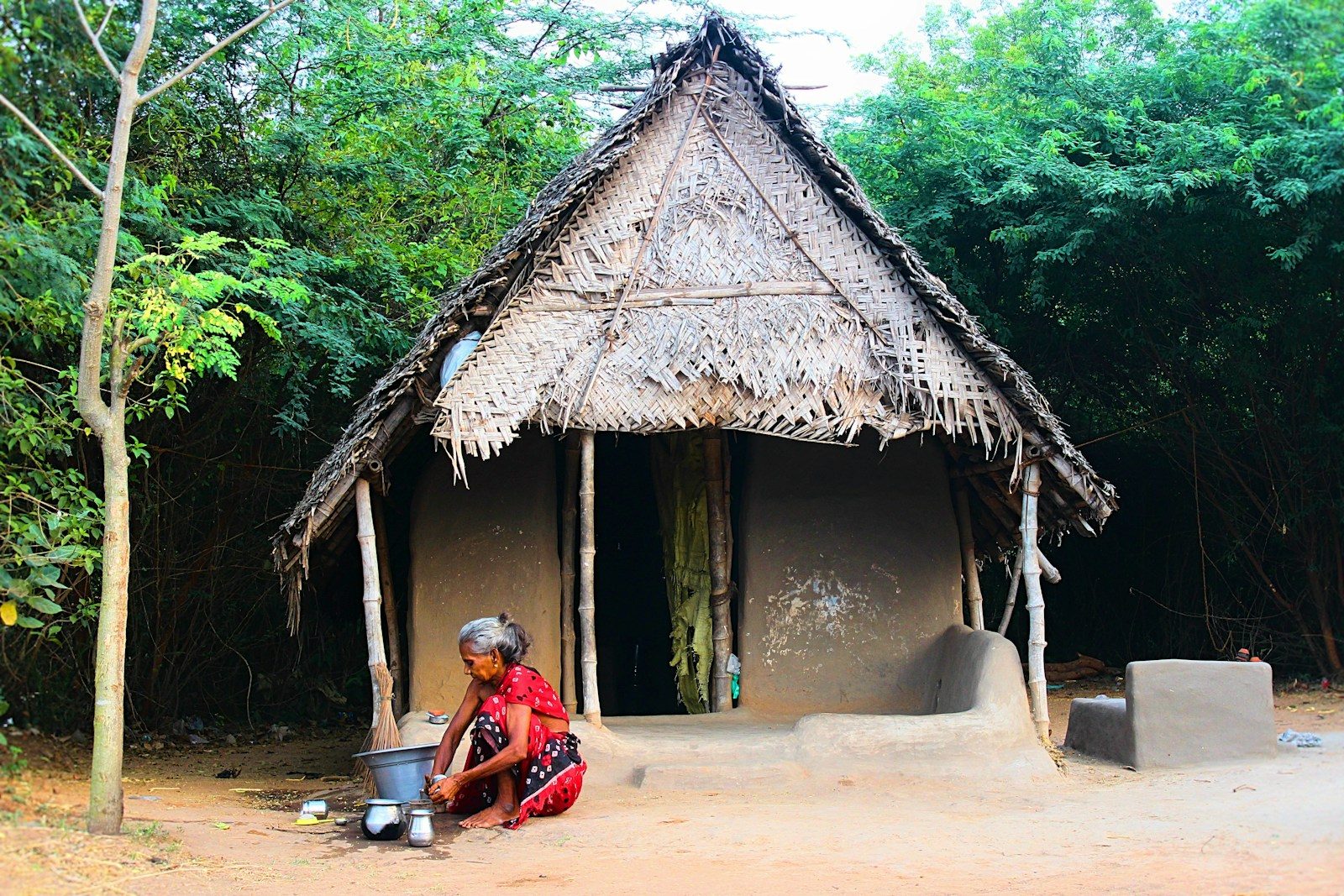
In areas around Bardiya National Park, women who rely on nearby forests for daily survival are increasingly exposed to dangerous encounters with wildlife. As men migrate abroad for work, women are left to shoulder most agricultural and household responsibilities, pushing them deeper into high-risk forest zones.
A Conservation Success Story With Hidden Costs

Nepal has more than doubled its tiger population since 2009, reaching an estimated 355 individuals. This achievement is widely celebrated internationally as a major wildlife recovery milestone.
However, conservation experts warn that rising tiger numbers also increase the likelihood of human encounters, especially in buffer zones where people and predators share overlapping space.
Women Are Spending More Time in Dangerous Forest Zones
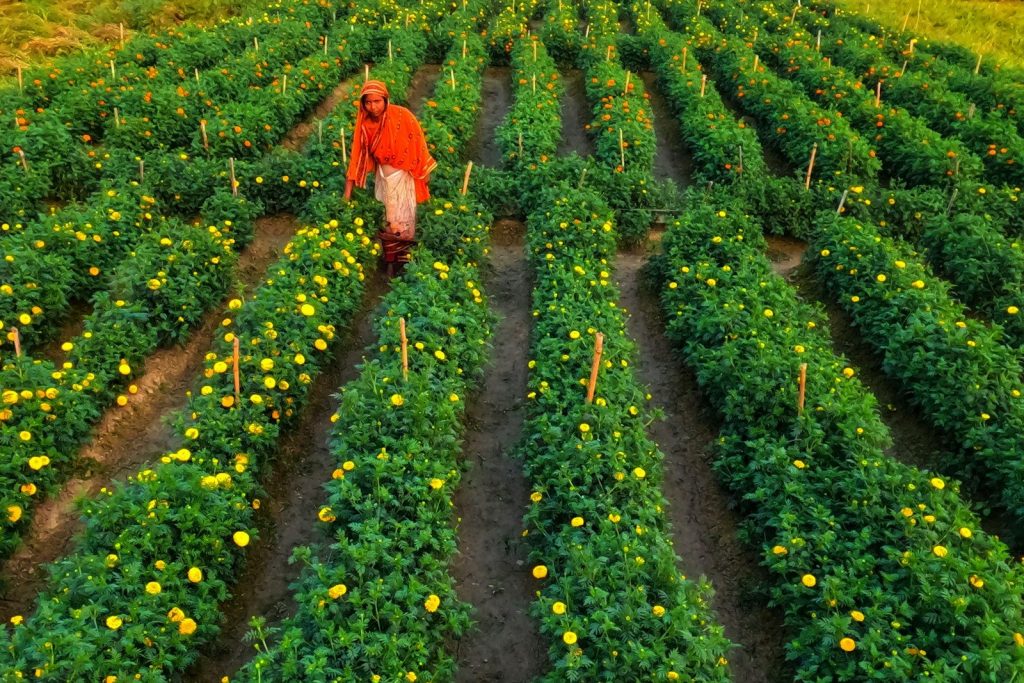
A major driver of increased risk is what researchers describe as the “feminization of agriculture.” With many men working overseas, women are now responsible for tasks like collecting firewood, gathering fodder, and tending livestock.
These daily activities often take place at the edges of forests where wildlife movement is most active. As a result, women are disproportionately exposed to encounters with tigers and other large animals during routine survival work.
Most Attacks Happen During Everyday Activities
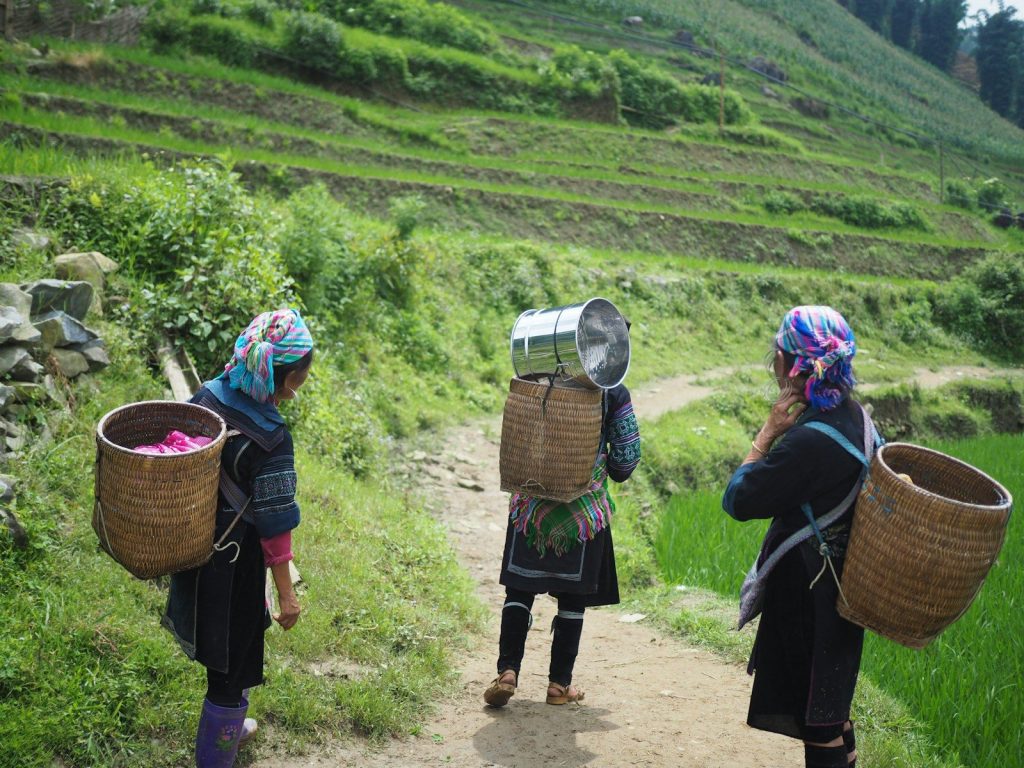
Research shows that nearly one-third of fatal wildlife attacks occur while people are herding cattle, while another third happen during grass collection. These are not rare or unusual activities, but essential parts of daily rural life.
Many of these incidents occur close to forest boundaries, particularly within one kilometer of protected areas. This overlap between human activity and wildlife corridors significantly increases the risk of conflict.
A Young Girl’s Death Highlighted the Growing Crisis

One of the most widely reported incidents involved a 17-year-old girl from a marginalized Dalit family who was killed by a tiger while collecting grass for livestock. Her death was followed by several more fatal attacks in the same region within weeks.
These repeated incidents underscore how quickly danger can escalate in areas where wildlife movement is frequent and human activity remains essential for survival.
Forest Corridors Increase Both Conservation and Risk

Wildlife corridors connecting protected areas help animals move safely between habitats, supporting biodiversity and genetic diversity. However, these same corridors also increase the likelihood of encounters with nearby human settlements.
Experts note that tiger activity often peaks during early morning and dusk, exactly when many villagers enter forests for fodder and firewood collection.
Women Remain Underrepresented in Conservation Decisions

Despite being most affected by human–wildlife conflict, women make up less than 15% of Nepal’s national park workforce. This lack of representation means their experiences are often missing from policy discussions.
Conservationists argue that more inclusive decision-making could lead to safer and more practical solutions, especially in high-risk communities where women are on the front lines of wildlife interaction.
Experts Call for Long-Term Solutions, Not Just Predator Control
Following public pressure, some political leaders have proposed removing or killing “problem animals.” However, conservation experts warn that such approaches do not address the root causes of conflict.
Instead, they recommend long-term strategies such as improved compensation systems, safer access routes for forest resources, and early-warning systems that help communities avoid wildlife encounters. The goal, they say, is to balance conservation success with human safety in shared landscapes.