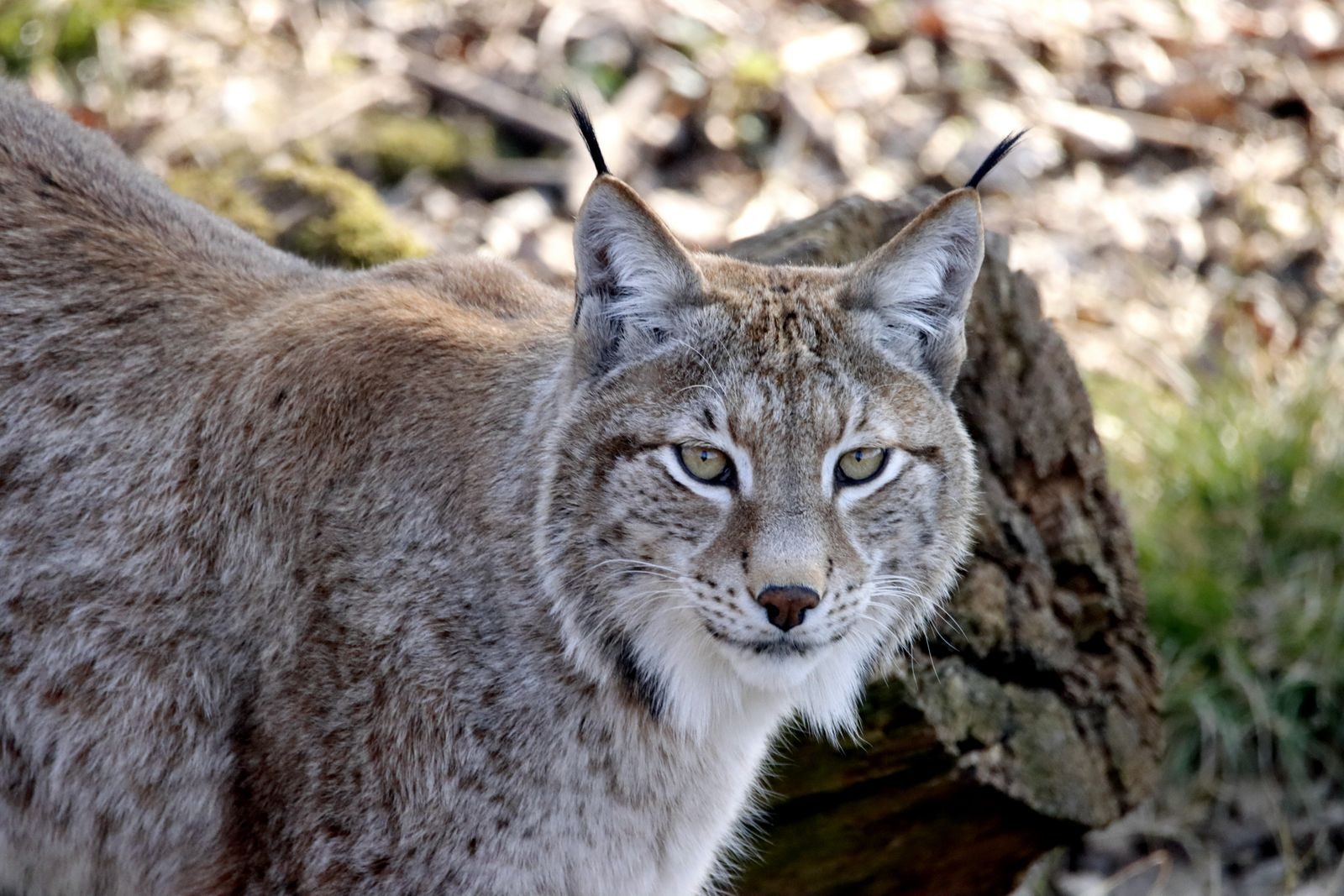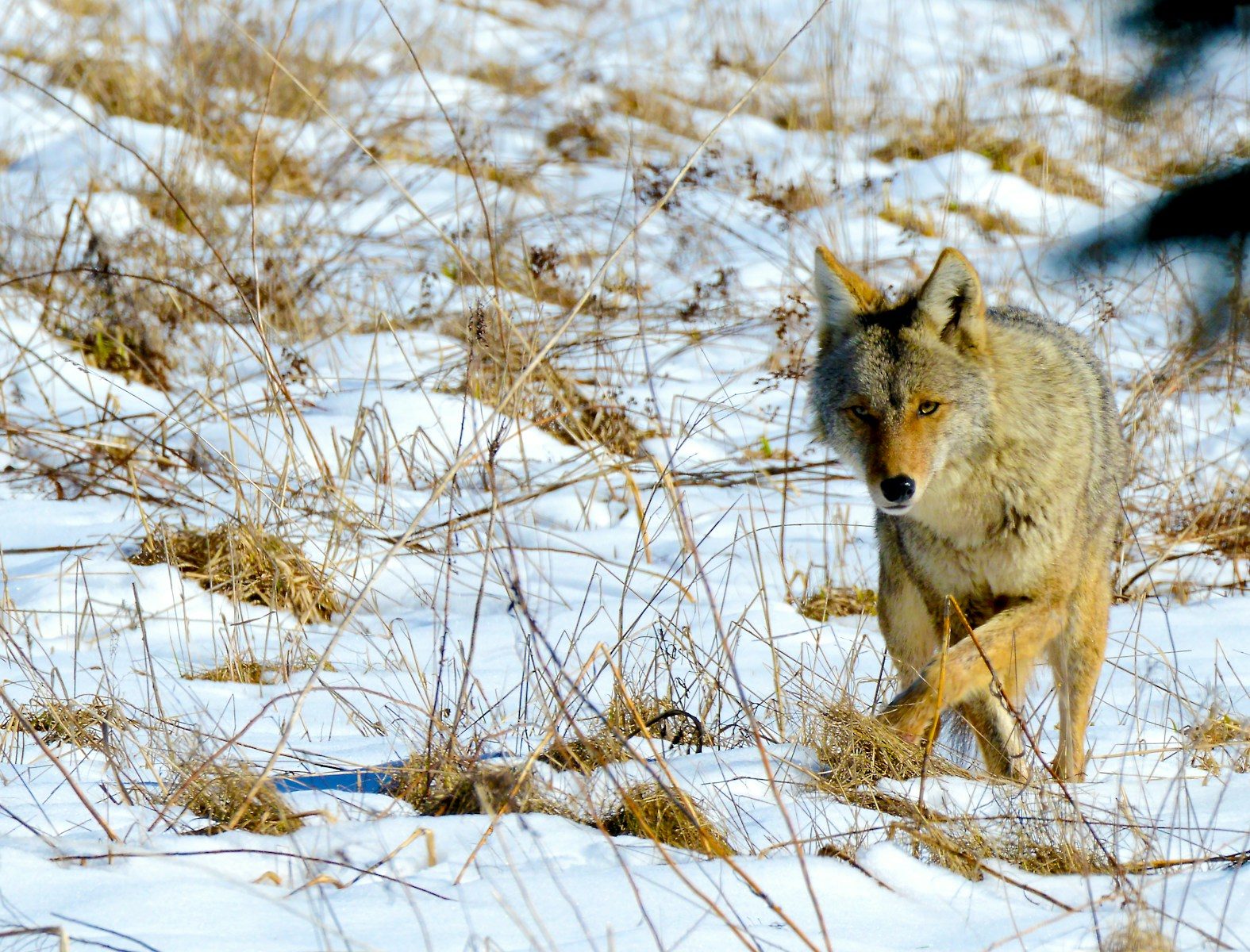
Foxes and coyotes are often confused with one another because both belong to the canine family and can sometimes be spotted in the same habitats. At first glance, they may appear similar, especially from a distance, but these wild animals differ greatly in size, behavior, hunting style, and even vocalizations.
While foxes are known for their stealthy, cat-like movements and smaller frames, coyotes are larger, more social predators capable of adapting to nearly any environment. Understanding the differences between them helps explain how both species survive so successfully in the wild.
Coyotes Are Much Larger Than Foxes
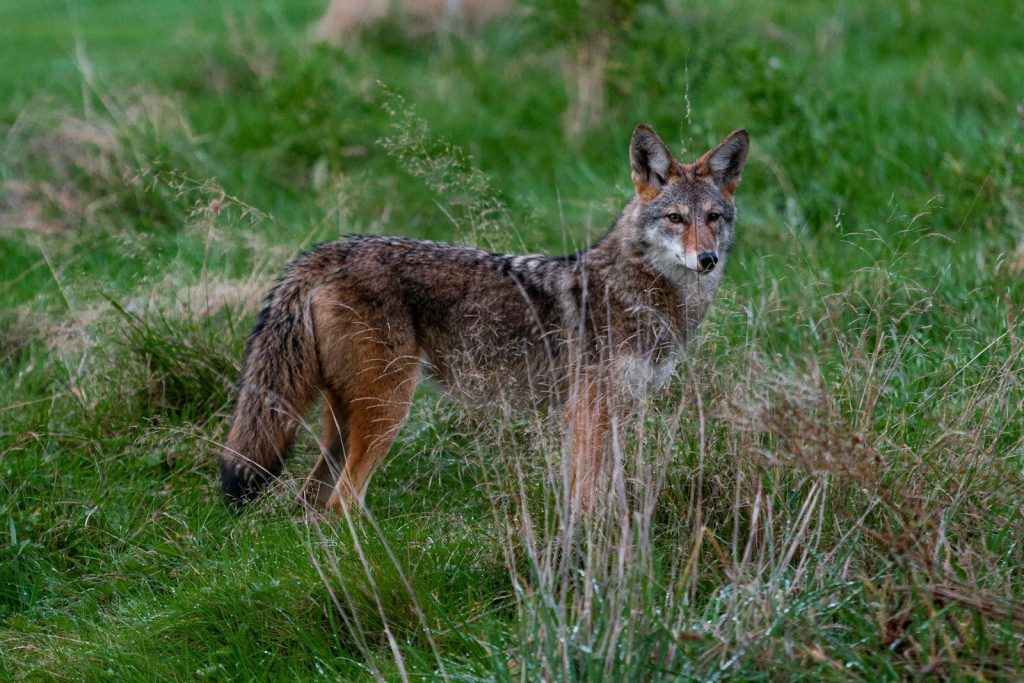
One of the easiest ways to tell a coyote from a fox is by size. Coyotes are significantly bigger and can weigh between 20 and 50 pounds, while most fox species weigh under 15 pounds.
Coyotes also have longer legs and a leaner body shape designed for endurance and distance travel. Foxes appear smaller and more compact, with shorter legs and fluffier bodies.
Foxes Have Bushier Tails and Sharper Features

Foxes are famous for their thick, bushy tails, often called “brushes,” which help them maintain balance and stay warm during cold weather. Their pointed ears and narrow snouts give them a delicate, almost cat-like appearance.
Coyotes have thinner tails that usually hang downward while walking. Their faces are broader and less refined, giving them a tougher, more wolf-like look compared to foxes.
Coyotes Are More Social Than Foxes

Foxes are generally solitary animals and prefer to hunt and travel alone except during mating season or while raising young. They are quiet and secretive, often avoiding contact with both humans and larger predators.
Coyotes, on the other hand, can live and hunt in family groups called packs. Although they are capable of hunting alone, they often cooperate when targeting larger prey or defending territory.
Their Hunting Styles Are Completely Different

Foxes typically hunt small animals such as mice, rabbits, insects, and birds using stealth and quick pouncing attacks. Many foxes rely heavily on their hearing to detect prey hidden under snow or grass.
Coyotes are more versatile hunters and scavengers. They can chase prey over longer distances and are capable of taking down larger animals like deer when working together in groups.
Foxes Tend to Avoid Humans More Carefully

While both species can adapt to urban areas, foxes are usually more cautious around people. They often stay hidden during the day and prefer wooded areas, fields, or quiet suburban neighborhoods.
Coyotes have become increasingly bold in many cities and are frequently spotted near roads, parks, and residential communities. Their adaptability has allowed them to expand across much of North America despite growing human development.
Coyotes and Foxes Sound Very Different
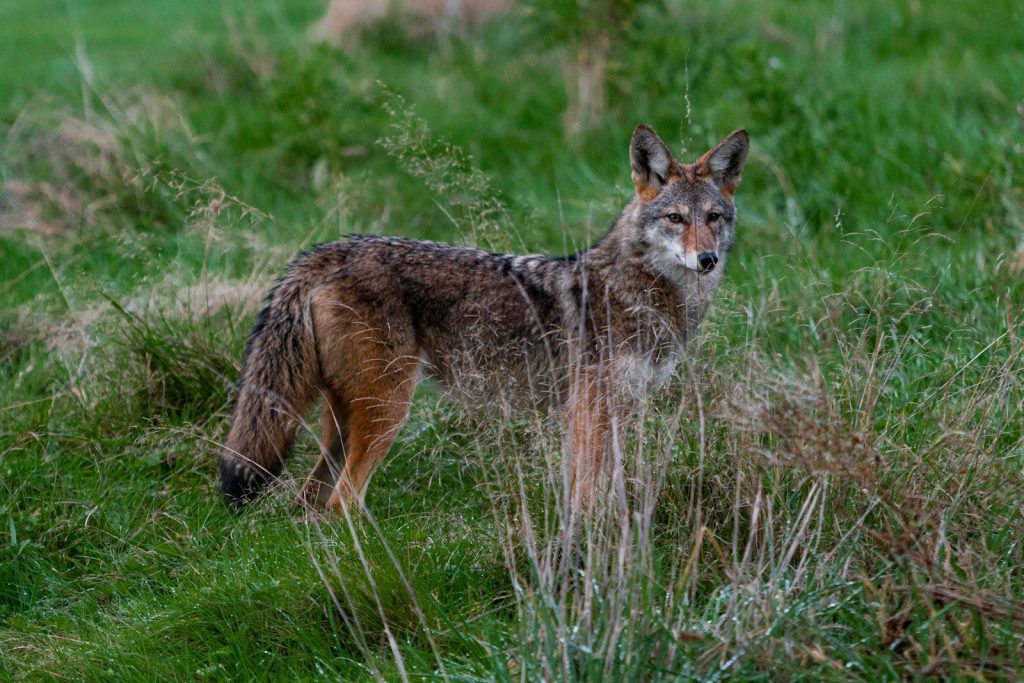
Foxes make surprisingly high-pitched sounds, including screams, yelps, and short barks that can sound almost human at night. Their vocalizations are often startling because they seem too loud for such small animals.
Coyotes are known for their haunting howls, yips, and group calls that echo across open landscapes. These vocalizations help packs communicate and establish territory boundaries.
Both Animals Play Important Roles in Nature

Despite their differences, both foxes and coyotes are important predators that help control rodent populations and maintain ecological balance. They remove weak or sick prey animals and contribute to healthier ecosystems.
As human expansion continues, encounters with both species are becoming more common. Learning to recognize and respect these intelligent wild canines helps people better coexist with them in shared environments.