Skip to content

Recent Posts

  • Why Wyoming’s Wolves Appear Larger Than Many Other Gray Wolves In The Lower 48
  • Shark Attack Off Florida Coast Sparks Fresh Debate About Human Encounters With Wildlife
  • Bear Sightings Surge Across Japan As Hungry Animals Venture Closer To Communities
  • Beloved Wild Stallion Dies Suddenly After a Single Kick
  • Study Highlights Welfare Concerns for Britain’s Often-Overlooked Working Donkeys

Most Used Categories

  • Nature & Wildlife (257)
  • Risk (45)
  • Human Interest (20)
  • Hunting (17)
  • Survival (15)
  • Bees/Swarms fear (13)
  • Exotic Animals (9)
  • Suspense (6)
  • Adventure (3)
  • Gears (2)
Skip to content
  • About Us
  • Contact Us
  • Disclaimer
  • Privacy Policy
  • Terms & Conditions

Hive Hunters Tales

  • Suspense
  • Nature & Wildlife
  • Human Interest
  • Hunting
  • Bees/Swarms fear
  • Exotic Animals
  • Risk
  • Survival
  • Adventure
  • Gears
  • Home
  • Risk
  • Why Your Dog’s Thyroid Can Change Its Behavior
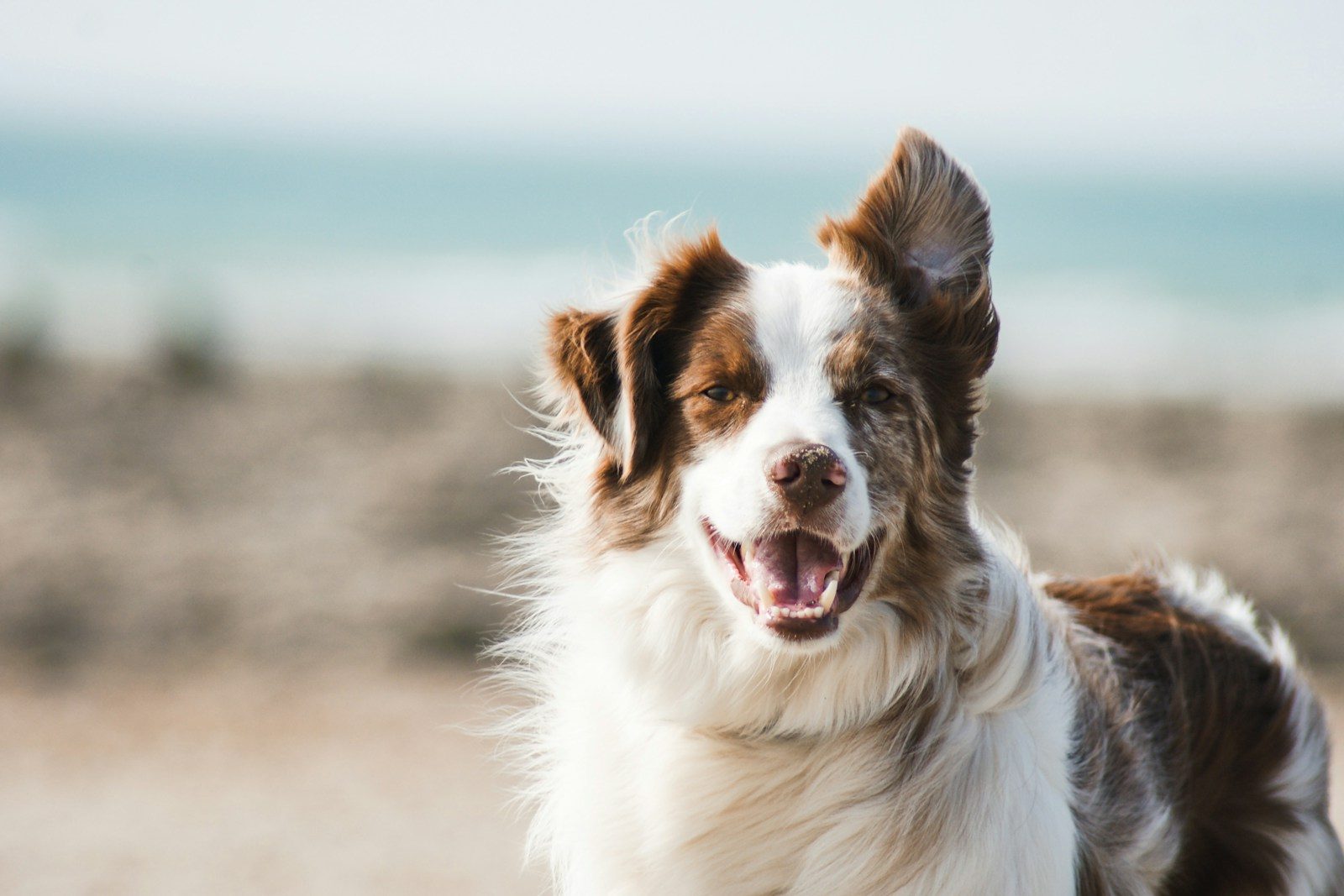
white and brown long coat large dog

Why Your Dog’s Thyroid Can Change Its Behavior

JakeJune 14, 2026June 14, 2026

A dog’s behavior is often shaped by training, environment, and personality, but sometimes, changes in mood or activity levels have a medical cause. One of the most overlooked factors is the thyroid gland, a small organ that plays a major role in regulating metabolism and energy.

What the Thyroid Does in Dogs
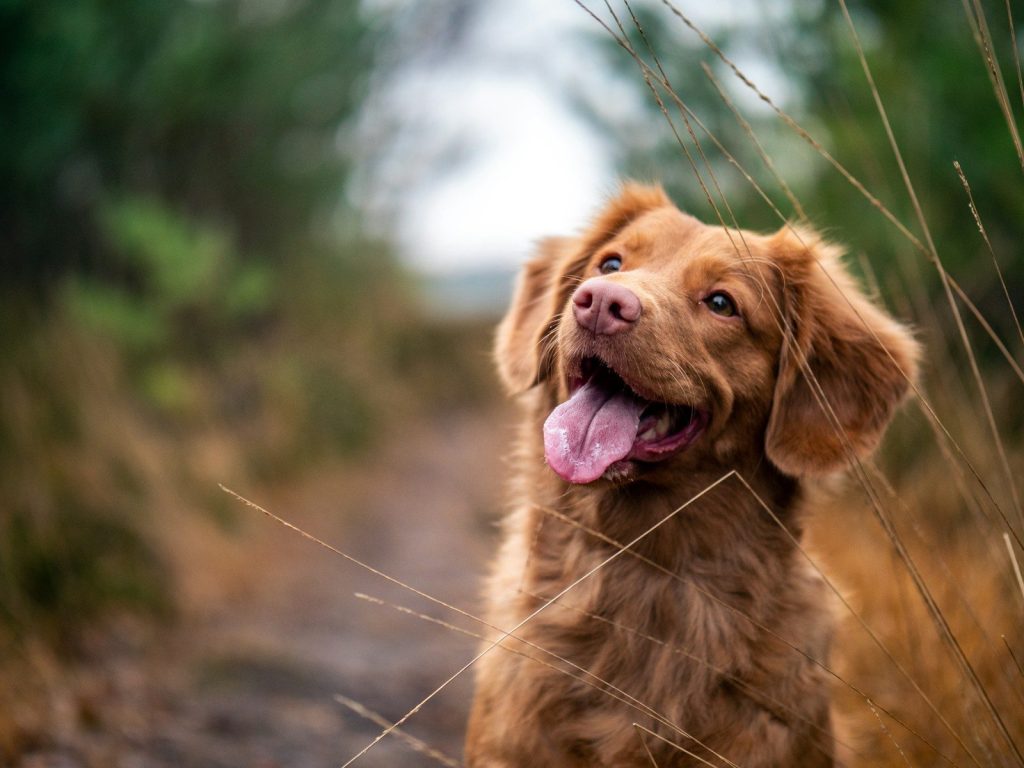
medium-coated brown dog during daytime
Photo by Jamie Street on Unsplash

The thyroid gland produces hormones that control how the body uses energy. These hormones influence everything from heart rate and digestion to coat condition and mental alertness. When the thyroid is not working properly, it can affect both physical health and behavior.

When the Thyroid Becomes Underactive

tan pug on brown wooden stool
Photo by Jorge Zapata on Unsplash

Hypothyroidism, or an underactive thyroid, is one of the most common thyroid disorders in dogs. It slows down metabolism, which can lead to weight gain, low energy, and changes in temperament. Dogs may become unusually tired, less responsive, or even appear depressed.

Behavioral Changes Owners Often Notice

brown long coated small dog
Photo by benjamin lehman on Unsplash

Dogs with thyroid issues may show subtle but noticeable personality shifts. Some become more withdrawn or less playful, while others may develop irritability or anxiety. These changes are often mistaken for aging or stress, delaying diagnosis.

Physical Signs That Often Appear Alongside Behavior Changes

golden retriever puppy lying on white textile
Photo by Taylor Sondgeroth on Unsplash

Behavioral symptoms rarely appear alone. Common physical signs include hair loss, dry or thinning coat, skin infections, sensitivity to cold, and reduced activity levels. These symptoms together often point toward a hormonal imbalance rather than a behavioral issue.

Why Thyroid Problems Are Often Missed

puppy lying on stair
Photo by Lauren Kay on Unsplash

Because symptoms develop gradually, thyroid disorders can be mistaken for normal aging or lifestyle changes. Without a blood test, it can be difficult to identify the underlying cause, which is why veterinary evaluation is essential when behavior shifts unexpectedly.

Treatment Can Restore Normal Behavior
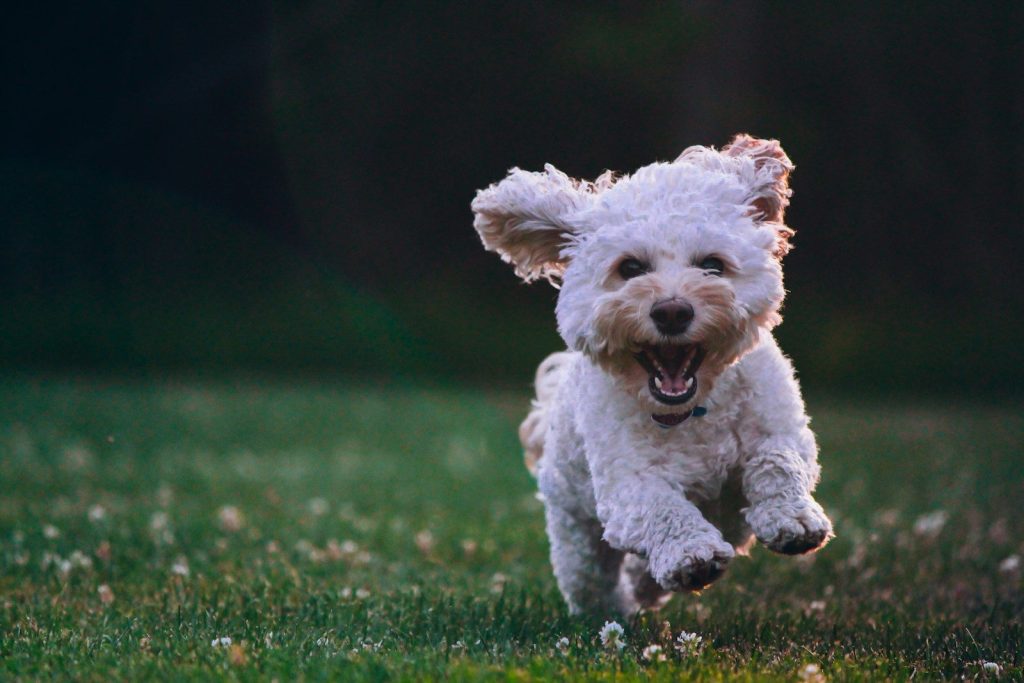
shallow focus photography of white shih tzu puppy running on the grass
Photo by Joe Caione on Unsplash

The good news is that thyroid conditions are usually manageable. With proper medication and regular monitoring, hormone levels can be stabilized. Many dogs show significant improvement in energy, mood, and overall behavior once treatment begins.
Post navigation

Previous: Why Poor Dental Health Can Be Dangerous for Dogs
Next: Why Butterflies Are Attracted to Human Sweat

Related Posts

Man walks through a lush garden with a house.

Ethical Ways to Stop Animals Entering Your Yard

June 14, 2026June 14, 2026 Jake
brown snake on brown sand

Can You Survive a Black Mamba Bite?

June 14, 2026June 14, 2026 Jake
white and black dog

Why Poor Dental Health Can Be Dangerous for Dogs

June 14, 2026June 14, 2026 Jake

Leave a Reply Cancel reply

Your email address will not be published. Required fields are marked *

Recent Posts

  • Why Wyoming’s Wolves Appear Larger Than Many Other Gray Wolves In The Lower 48
  • Shark Attack Off Florida Coast Sparks Fresh Debate About Human Encounters With Wildlife
  • Bear Sightings Surge Across Japan As Hungry Animals Venture Closer To Communities
  • Beloved Wild Stallion Dies Suddenly After a Single Kick
  • Study Highlights Welfare Concerns for Britain’s Often-Overlooked Working Donkeys
Copyright All Rights Reserved | Theme: BlockWP by Candid Themes.