Skip to content

Recent Posts

  • Measuring Intellect Nine of the Smartest Animals on Earth
  • How the First Wild Grizzly-Polar Bear Hybrid Started a New Lineage
  • The Secrets of the World’s Most Venomous Land Snake
  • The Sweet Story Behind the Smiling Quokka Caught Eating a Leaf
  • Nine Remarkable Animals That Can Go Days Without Normal Sleep

Most Used Categories

  • Nature & Wildlife (815)
  • Risk (105)
  • Human Interest (73)
  • Bees/Swarms fear (40)
  • Hunting (36)
  • Exotic Animals (36)
  • Survival (29)
  • Suspense (21)
  • Adventure (3)
  • Gears (2)
Skip to content
  • About Us
  • Contact Us
  • Disclaimer
  • Privacy Policy
  • Terms & Conditions

Hive Hunters Tales

  • Suspense
  • Nature & Wildlife
  • Human Interest
  • Hunting
  • Bees/Swarms fear
  • Exotic Animals
  • Risk
  • Survival
  • Adventure
  • Gears
  • Home
  • Human Interest
  • Why Gorillas Make Laughter-Like Sounds When Tickled
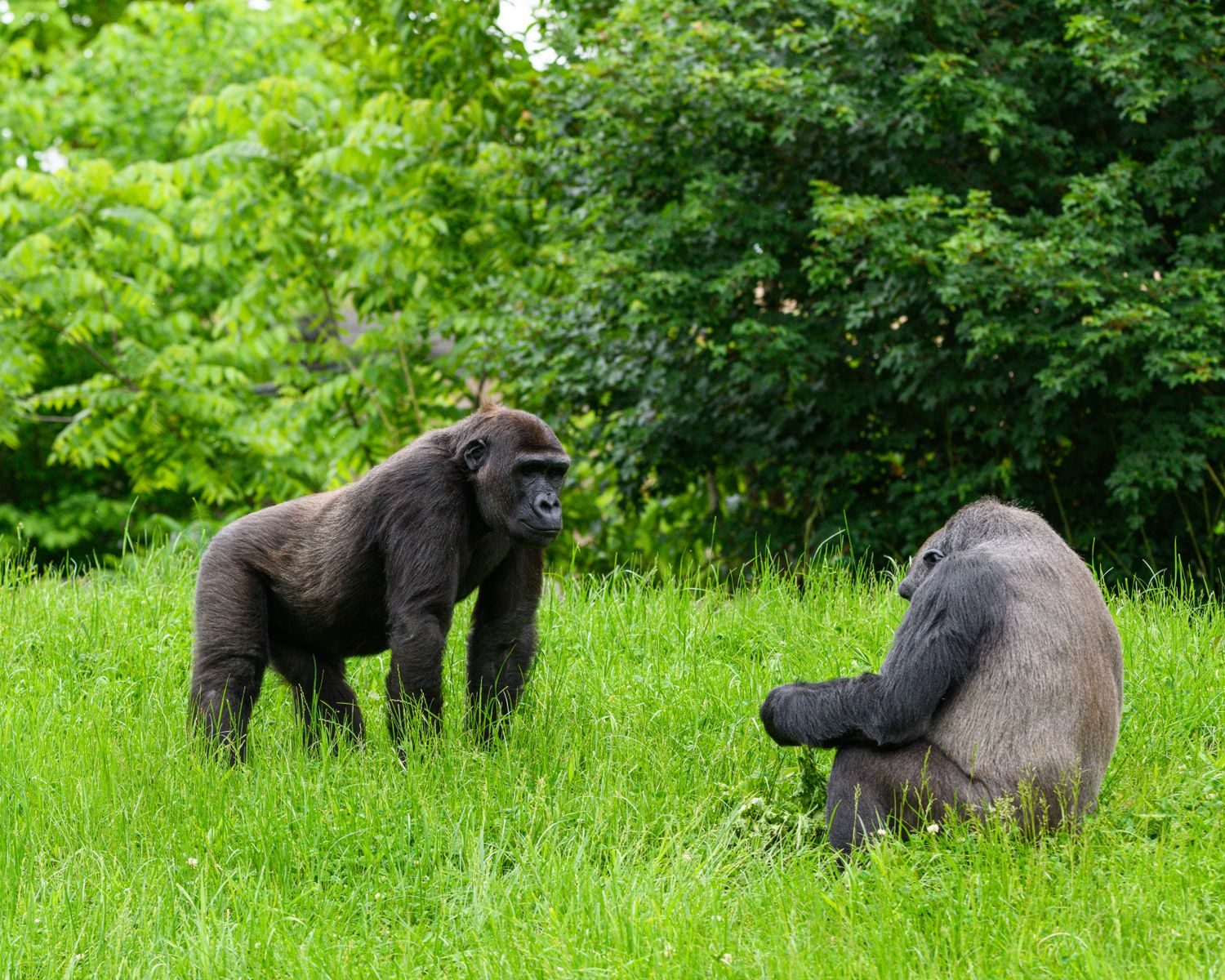
Two gorillas in a natural, green setting engaging with each other, showcasing wildlife behavior.

Why Gorillas Make Laughter-Like Sounds When Tickled

JakeAugust 25, 2026August 25, 2026

Researchers have recorded young gorillas and other great apes making breathy vocalizations during tickling and playful contact. These sounds resemble laughter, although they do not sound exactly like adult human laughter.

The precise viral clip behind the original title could not be independently confirmed. However, controlled studies provide strong evidence that laughter-like play calls have deep evolutionary roots shared by humans and other great apes.

The Tickling Study

Captivating close-up of a mandrill with deep eyes and vibrant fur.
Photo by Chris F on Pexels

A major study analysed tickling-induced vocalizations from 21 infant and juvenile orangutans, gorillas, chimpanzees, and bonobos. Researchers compared the acoustic structure of their calls with human laughter to investigate how the behaviour may have changed during primate evolution.

Familiar People Participated

A group of chimpanzees engaging in social grooming behavior, showcasing family bonding and social interaction.
Photo by Guerrero De la Luz on Pexels

The apes were tickled by familiar human caregivers rather than unfamiliar visitors. Familiarity reduced stress and allowed researchers to record vocalizations produced during normal playful interaction. The study was not an invitation for members of the public to touch or tickle captive gorillas.

A Breathier Sound

Captivating close-up portrait of a gorilla showcasing its powerful features and intense gaze.
Photo by David Atkins on Pexels

Gorilla laughter-like calls often sound like rhythmic panting rather than the clear “ha-ha” pattern familiar to humans. Great apes may vocalize while breathing both in and out, whereas human laughter is produced mainly during outward breaths.

A Signal During Play
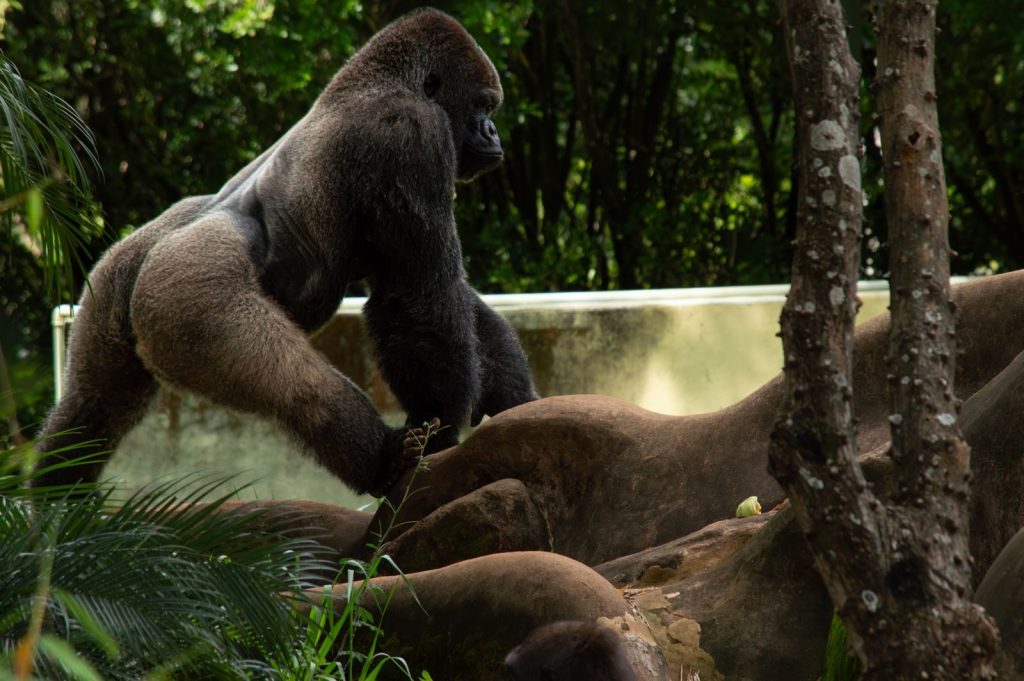
A powerful gorilla standing in a lush, green jungle setting in Minas Gerais, Brazil.
Photo by Jerson Martins on Pexels

Young apes produce these calls during tickling, chasing, wrestling, and other playful encounters. The vocalization can help signal that rough physical contact is friendly rather than aggressive. Human children use laughter in similar ways when play becomes energetic or unpredictable.

The Family Tree Matched

A group of chimpanzees, including an infant, relaxing on grass in a zoo against a rocky backdrop.
Photo by Guerrero De la Luz on Pexels

When researchers compared the acoustic differences among the species, the pattern closely matched their known evolutionary relationships. Human laughter was most similar to the calls of our closest ape relatives and more different from those of orangutans, whose lineage separated earlier.

A Shared Ancestor

Two adult gorillas in a lush forest setting, showcasing social interaction and natural behavior.
Photo by Kerry Atkins on Pexels

The results suggest that laughter did not suddenly appear in modern humans. A laughter-like play vocalization probably existed in the common ancestor of humans and great apes millions of years ago. Human laughter later became more strongly controlled by breathing and social context.

New Evidence in 2026

Close-up of a microscope connected to a laptop in a laboratory environment.
Photo by Vladimir Srajber on Pexels

Research published in 2026 examined the timing and rhythm of laughter-like calls across living great apes. The results indicated that regularly timed laughter was probably already present in their common ancestor, while human laughter became faster, more variable, and more dependent on context.

Contact Remains Controlled

Detailed view of a chain-link fence with a blurred natural background, capturing texture and light.
Photo by Ramon Karolan on Pexels

Modern zoos generally work with gorillas through protected contact, keeping a secure barrier between animals and caregivers. Positive-reinforcement training allows a gorilla to cooperate voluntarily in health checks and leave when it chooses. Tickling research does not mean gorillas are safe to handle casually.

Featured Image: Photo by Jay Brand on Pexels

Post navigation

Previous: Nine Fascinating Ways Wild Animals Sound the Alarm About Humans
Next: A Diver Meets a Dugong in the Philippines

Related Posts

Golden honey dripping from a wooden dipper into a glass jar

What Science Really Says About Honey, Weight Management, and Health Benefits

August 25, 2026August 24, 2026 Jake
a close up of an elephant's face with trees in the background

Inside a Chiang Mai Sanctuary Caring for Rescued Elephants

August 24, 2026August 24, 2026 Jake
green and black train on road near green trees and mountain during daytime

Greece Wildfire Rescuers Pulled 282 Animals to Safety

August 23, 2026August 23, 2026 Jake

Leave a Reply Cancel reply

Your email address will not be published. Required fields are marked *

Recent Posts

  • Measuring Intellect Nine of the Smartest Animals on Earth
  • How the First Wild Grizzly-Polar Bear Hybrid Started a New Lineage
  • The Secrets of the World’s Most Venomous Land Snake
  • The Sweet Story Behind the Smiling Quokka Caught Eating a Leaf
  • Nine Remarkable Animals That Can Go Days Without Normal Sleep
Copyright All Rights Reserved | Theme: BlockWP by Candid Themes.