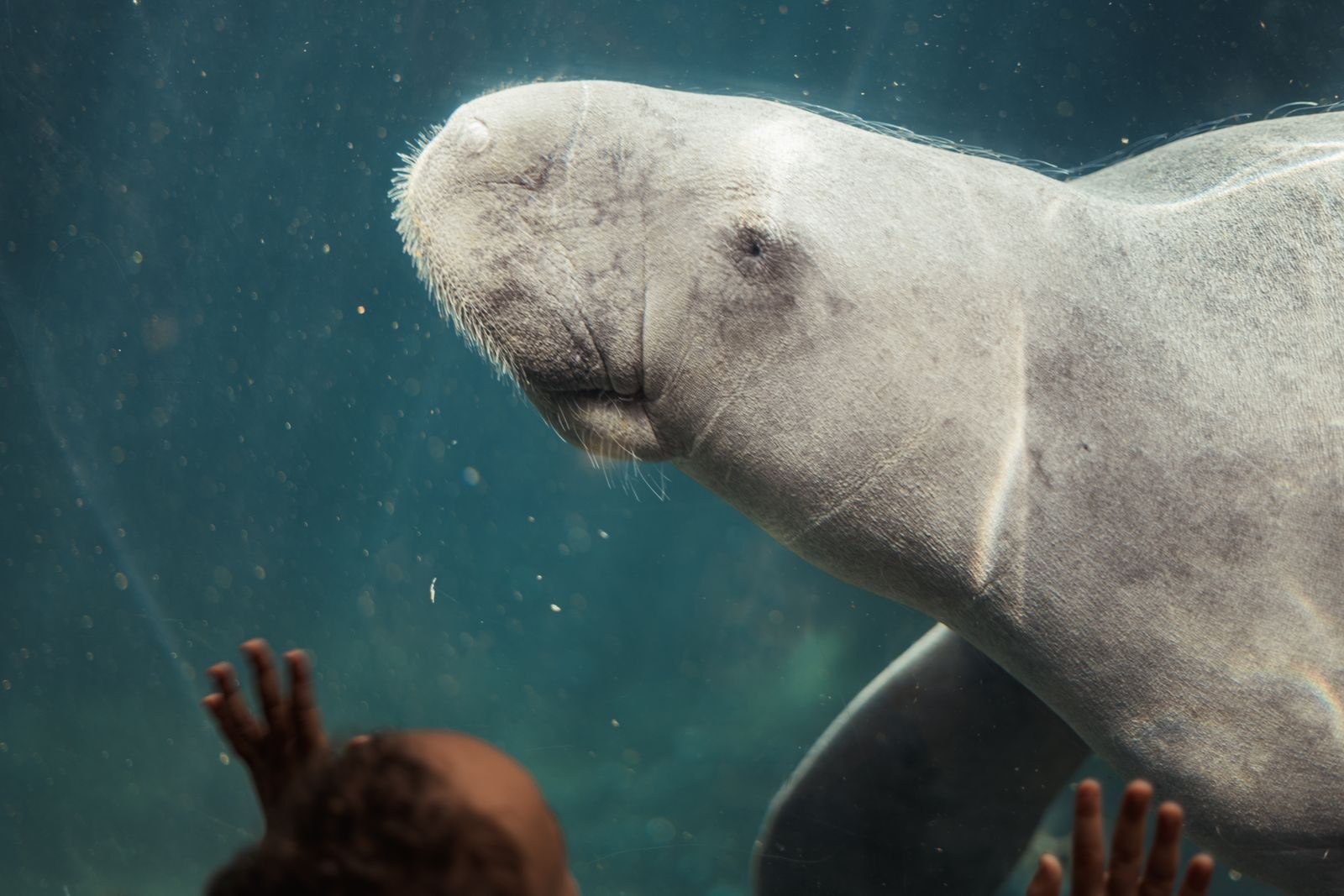
The marine animal commonly called a sea cow in the Philippines is a dugong. Dugongs are gentle-looking marine mammals that feed mainly on seagrass and live throughout parts of the Indian and western Pacific oceans.
The exact viral encounter could not be independently verified. A calm approach should therefore not be described as friendship, rescue, or play unless the original footage and expert context confirm what happened.
It Was a Dugong
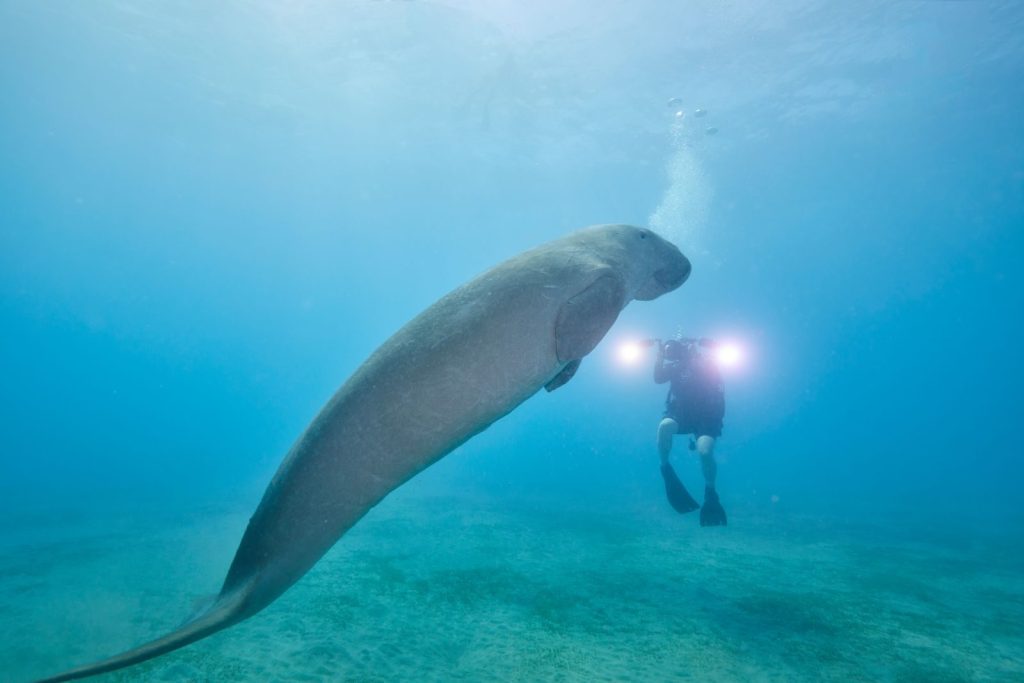
Dugongs are marine mammals closely related to manatees. Unlike manatees, which may enter freshwater, dugongs are strictly marine. Adults usually measure about eight to ten feet and can weigh several hundred pounds, making a close underwater meeting visually impressive.
Calm Does Not Mean Tame
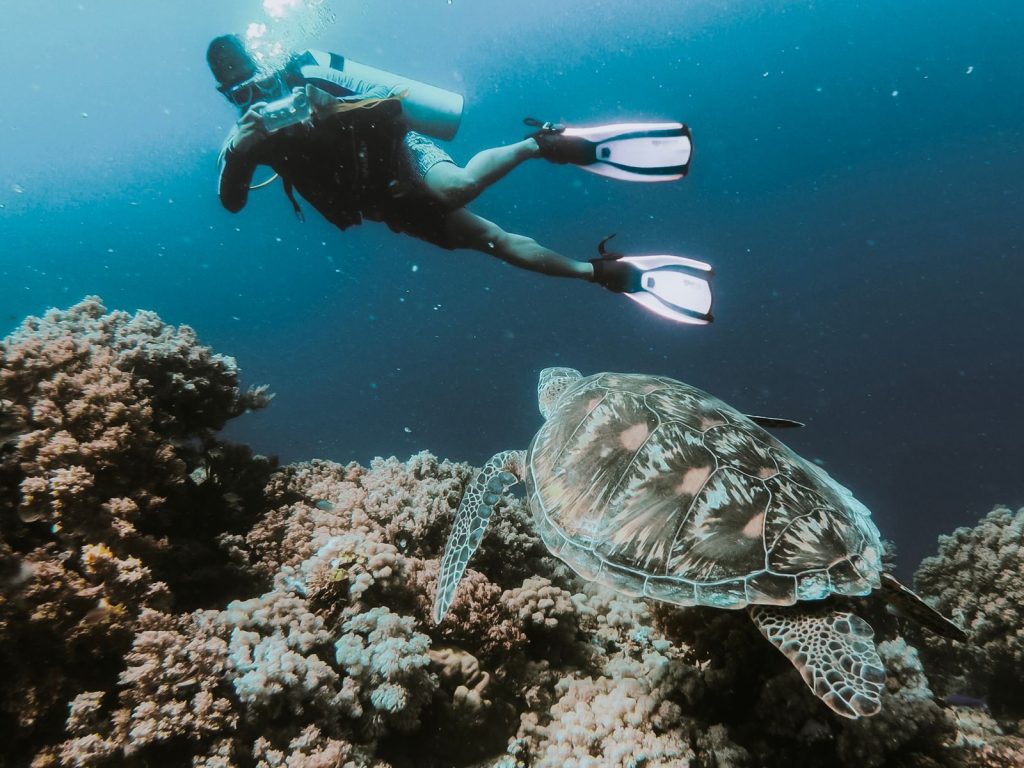
A dugong may appear relaxed, curious, or indifferent when a diver is nearby. That does not make it domesticated or prove that it wants physical contact. Behaviour can change quickly, and the diver should allow the animal to control the distance and direction of the encounter.
A Seagrass Grazer
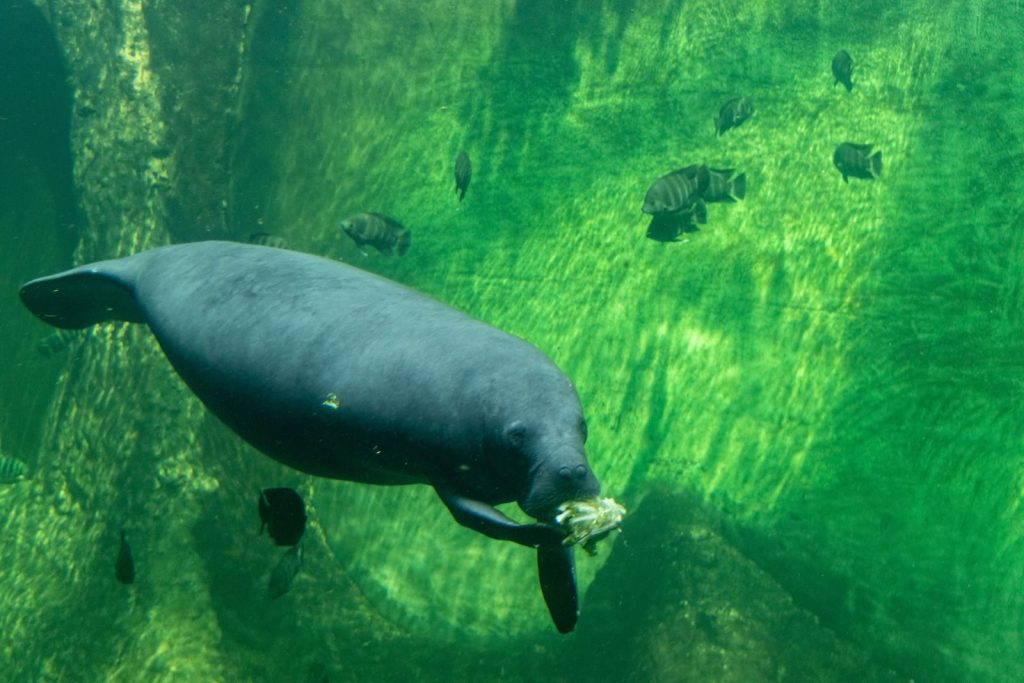
Dugongs spend much of their feeding time grazing on underwater seagrass meadows. Their downturned snouts help uproot or crop plants from the seabed, sometimes leaving visible feeding trails. Healthy seagrass provides food while also supporting fish, turtles, and many smaller marine animals.
A Dolphin-Like Tail

A dugong has a fluked tail similar in outline to that of a dolphin or whale. Manatees instead have rounded, paddle-shaped tails. The dugong’s streamlined body and tail allow it to move steadily between feeding areas without the rapid movements associated with predatory marine mammals.
It Must Surface

Although dugongs live entirely in the sea, they breathe air and must return to the surface regularly. A diver should never block the animal’s upward route or position themselves directly above it. Remaining calm and allowing open water around the dugong reduces unnecessary disturbance.
Palawan Matters
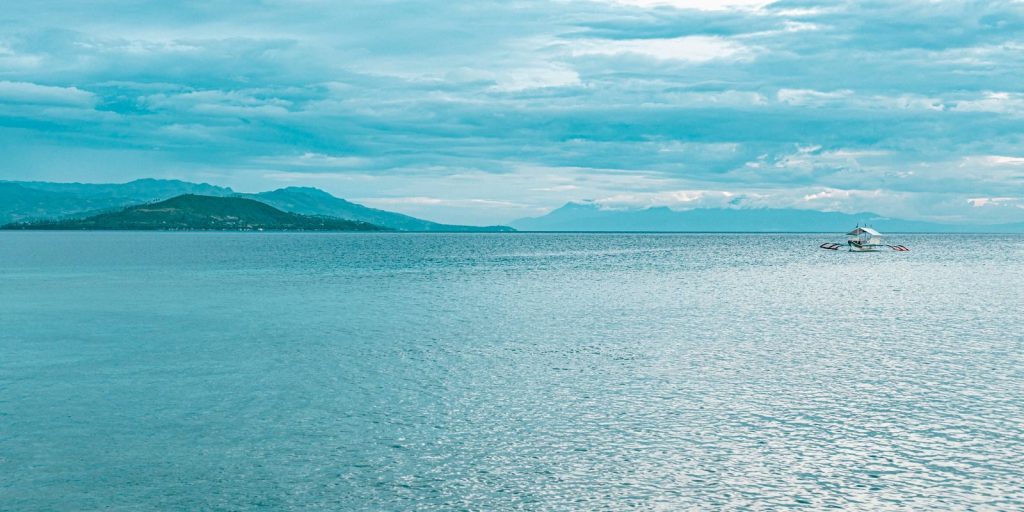
The waters around Palawan, including the Calamian Islands and Busuanga, contain important dugong and seagrass habitat. Conservation groups have worked with local and Indigenous communities to monitor animals and establish protected areas, including initiatives near Calauit Island.
Let the Animal Choose
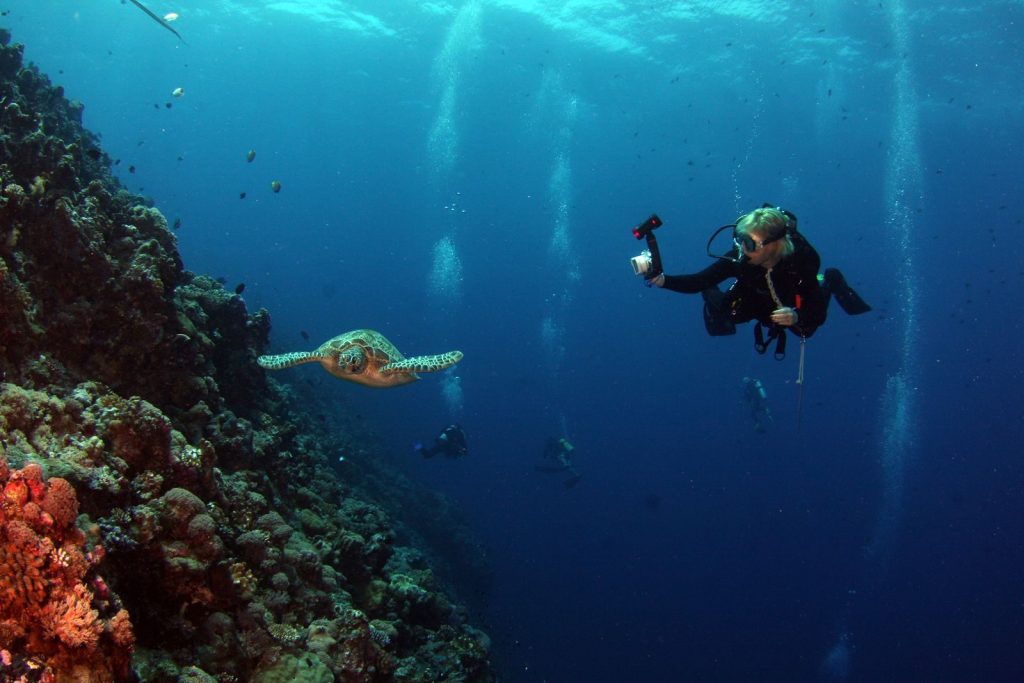
During an encounter, a responsible diver should remain passive, avoid chasing, feeding, touching, or surrounding the dugong, and allow it to leave freely. An animal that approaches voluntarily may still be disturbed by sudden movement, flash photography, or attempts to hold onto it.
Protect the Seagrass

Dugongs face threats from habitat loss, fishing-gear entanglement, boat strikes, pollution, and disturbance. Protecting seagrass meadows and reducing accidental capture are therefore more important than seeking close encounters. A memorable sighting should leave the habitat and animal unchanged.
Featured Image: Photo by Gabriel Chamak on Pexels