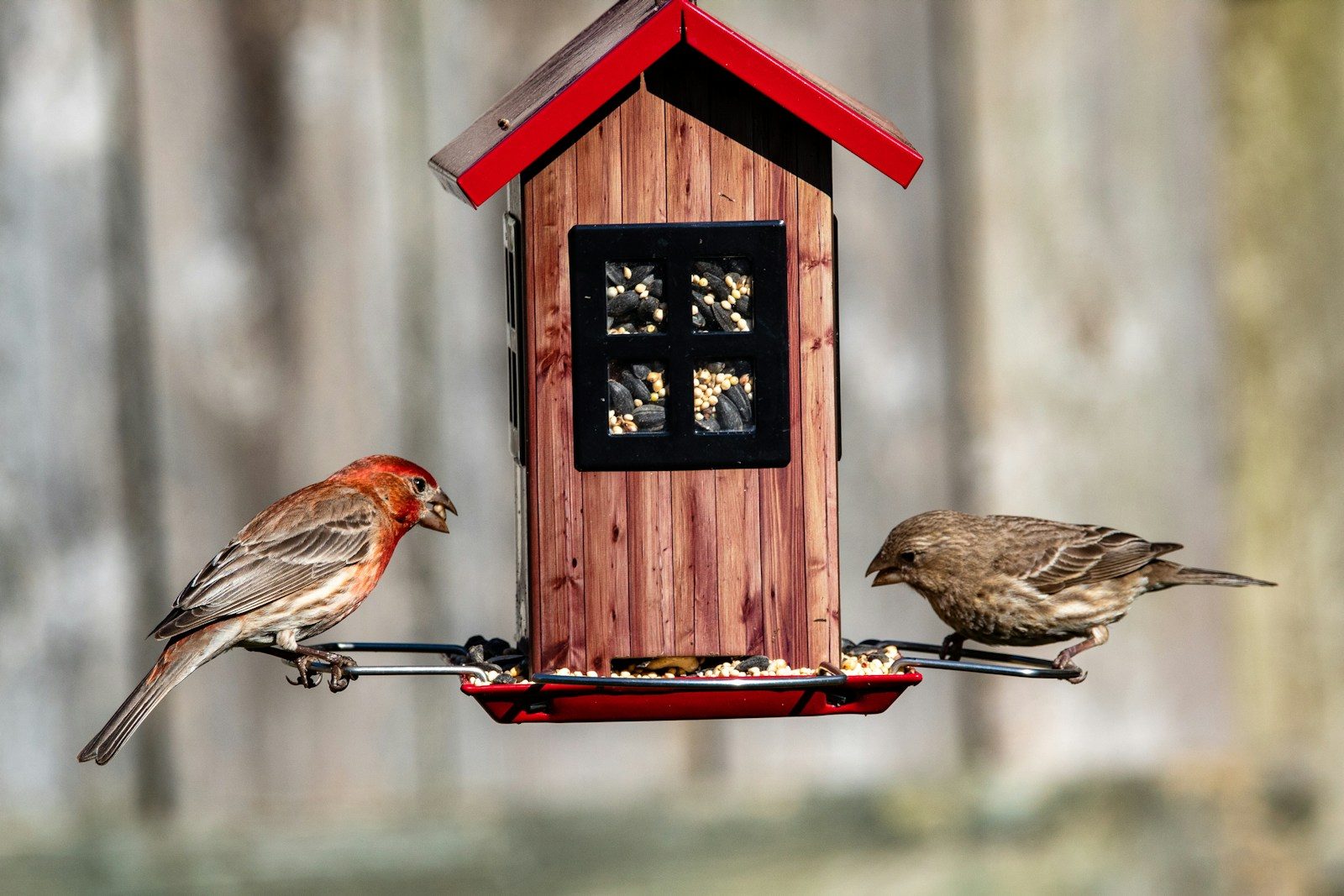
As summer temperatures rise across the UK, wildlife experts are urging bird lovers to pay closer attention to their garden feeders. While feeding birds is a popular and helpful activity, poorly maintained feeders can quickly become dangerous during warm weather.
Experts warn that dirty feeders may spread deadly diseases among wild bird populations, especially during heatwaves when bacteria and parasites thrive more easily.
Why Bird Feeders Can Become Dangerous
Bird feeders attract large numbers of birds into small areas, creating perfect conditions for diseases to spread. During warmer months, harmful organisms survive longer on food, water, and contaminated surfaces.
One of the biggest concerns is trichomonosis, a parasitic disease that affects several common garden bird species. The illness spreads mainly through saliva and contaminated food or water sources.
Infected birds often struggle to swallow, appear weak or puffed up, and may eventually die from starvation or infection.
As more birds gather around feeders in summer, the chances of transmission increase significantly.
Heat Makes the Problem Worse
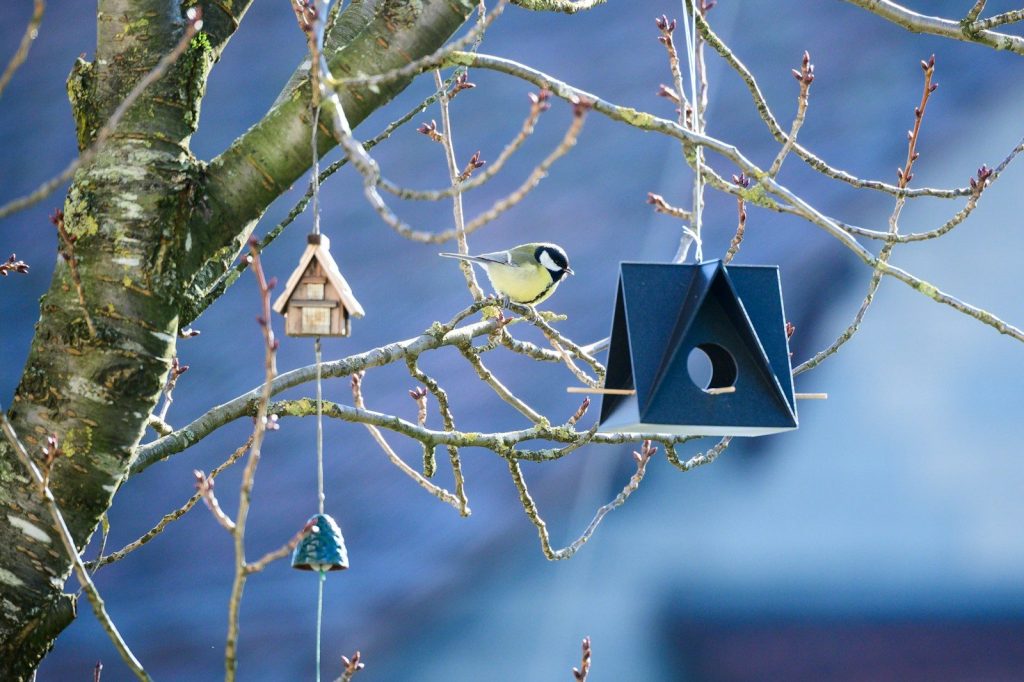
Warm temperatures allow bacteria and parasites to survive much longer than they would during colder seasons. Leftover seeds, bird droppings, and standing water can quickly become breeding grounds for harmful microbes.
Even feeders that appear clean on the surface may contain hidden contamination in small cracks or corners.
This is why wildlife experts stress that regular cleaning is essential during summer.
How Often Should Bird Feeders Be Cleaned?
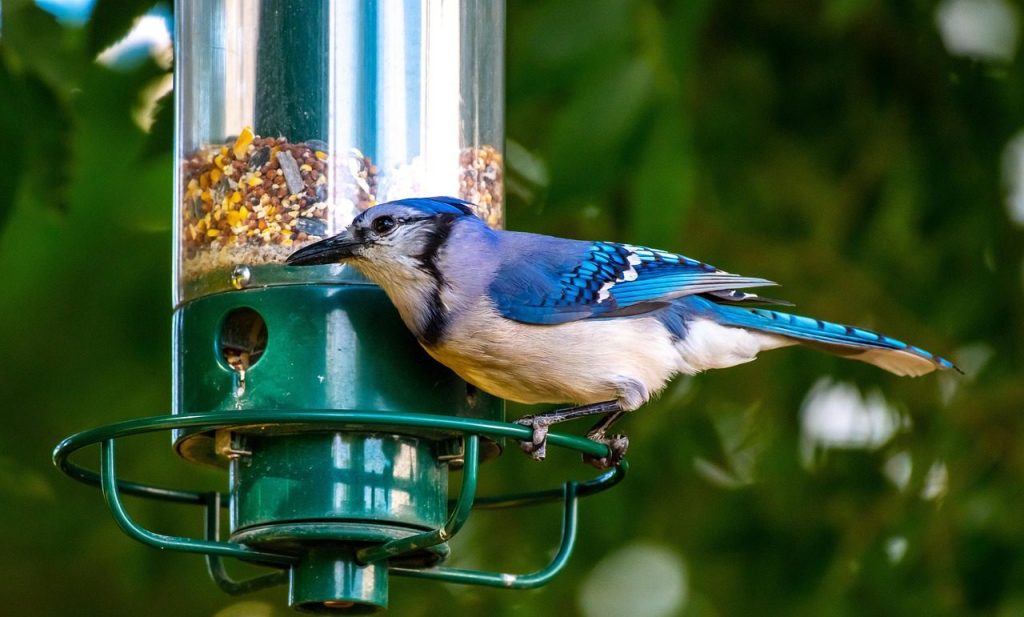
Conservation groups recommend cleaning bird feeders at least once a week using hot soapy water.
Any old food, droppings, or wet seed buildup should be removed completely. Feeders should also be disinfected with mild, bird-safe cleaning solutions before being refilled.
The ground underneath feeders should not be ignored either. Fallen food and waste can continue spreading disease long after birds leave.
Keeping the surrounding area clean helps reduce risks for local wildlife.
The Hidden Problem With Wooden Feeders
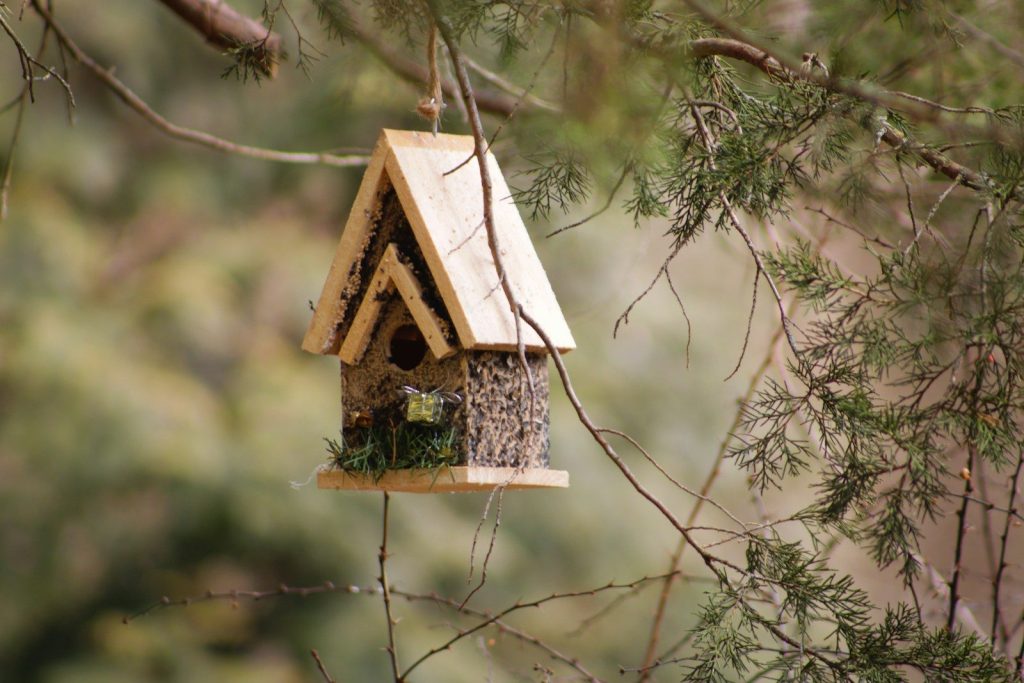
Experts also warn that the type of feeder matters more than many people realize.
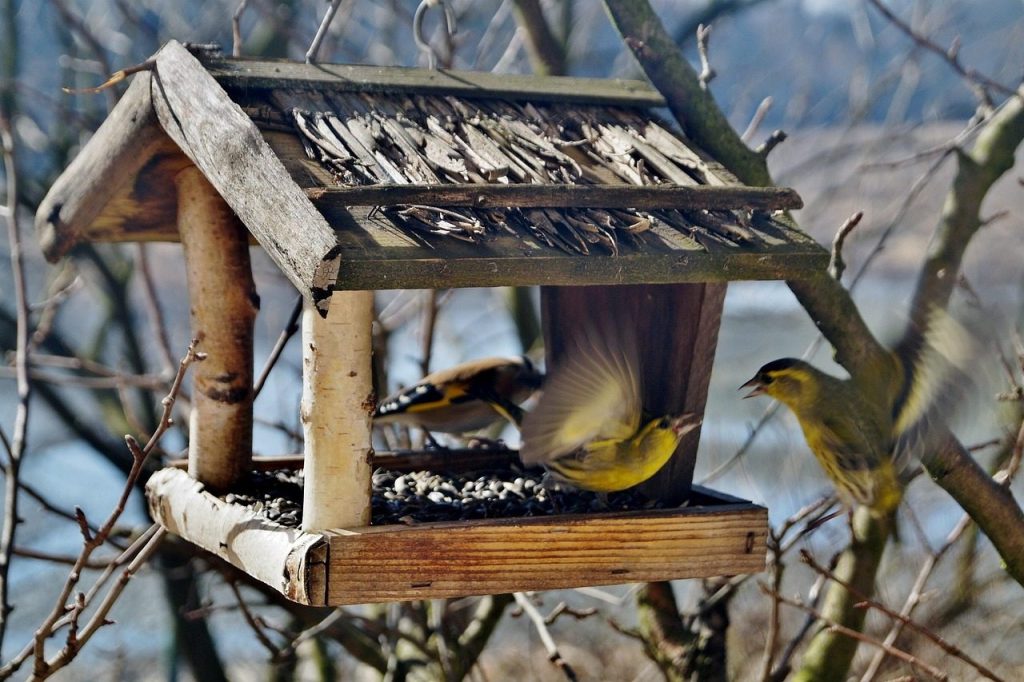
Traditional wooden feeders may look natural and attractive, but they are often harder to sanitize properly. Wood is porous, meaning bacteria and moisture can hide inside tiny cracks and crevices.
Over time, damaged wood may become increasingly difficult to disinfect completely.
Plastic feeders are generally easier to clean, although some cheaper materials can crack or degrade after long sun exposure.
Many wildlife specialists now recommend durable recycled plastic feeders because they combine weather resistance with smoother, easier-to-clean surfaces.
Small Changes Can Protect Wildlife
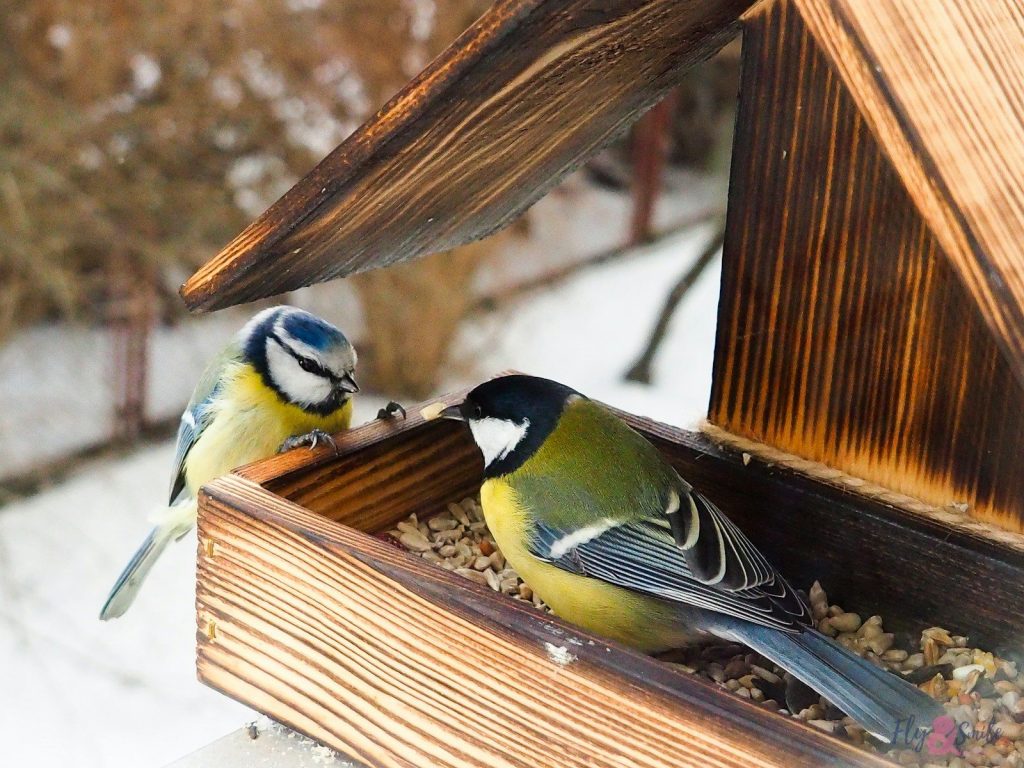
Simple habits can make a major difference for garden birds.
Experts recommend avoiding feeder placement directly beneath trees or common roosting spots where droppings can contaminate food supplies. Fresh water should also be replaced regularly during hot weather.
If multiple sick birds are spotted visiting a feeder, wildlife organizations often advise temporarily removing feeders entirely for a short period to help stop disease transmission.
Helping Birds the Right Way
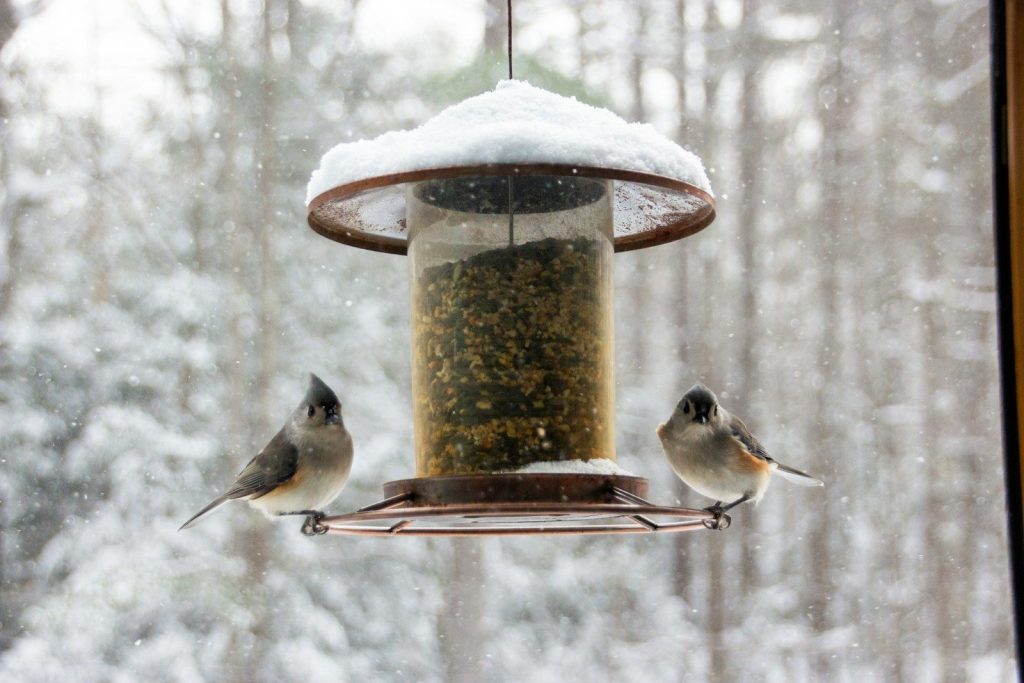
Feeding garden birds can still be incredibly beneficial, especially during difficult weather conditions. The key is making sure feeding stations remain safe and hygienic.
A few minutes of cleaning each week can help protect local bird populations from potentially deadly outbreaks.
As temperatures continue rising during summer, experts say responsible bird feeding is becoming more important than ever.