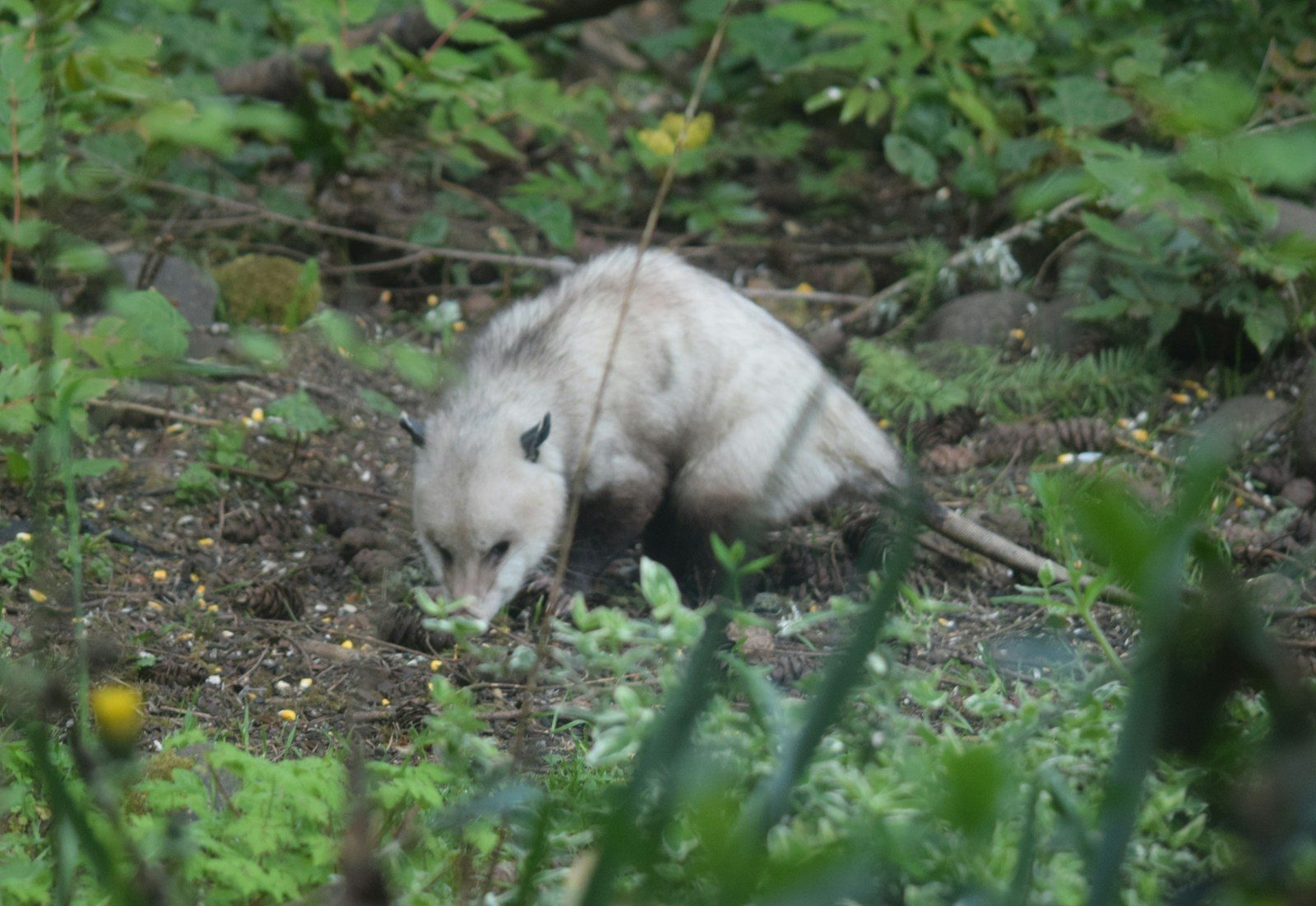
Baby opossums may look tiny and helpless, but their early lives are far harsher than most people expect. Wildlife experts say it is surprisingly common to find young opossums alone because of the unusual way these marsupials raise their babies in the wild.
Opossums Raise Huge Litters
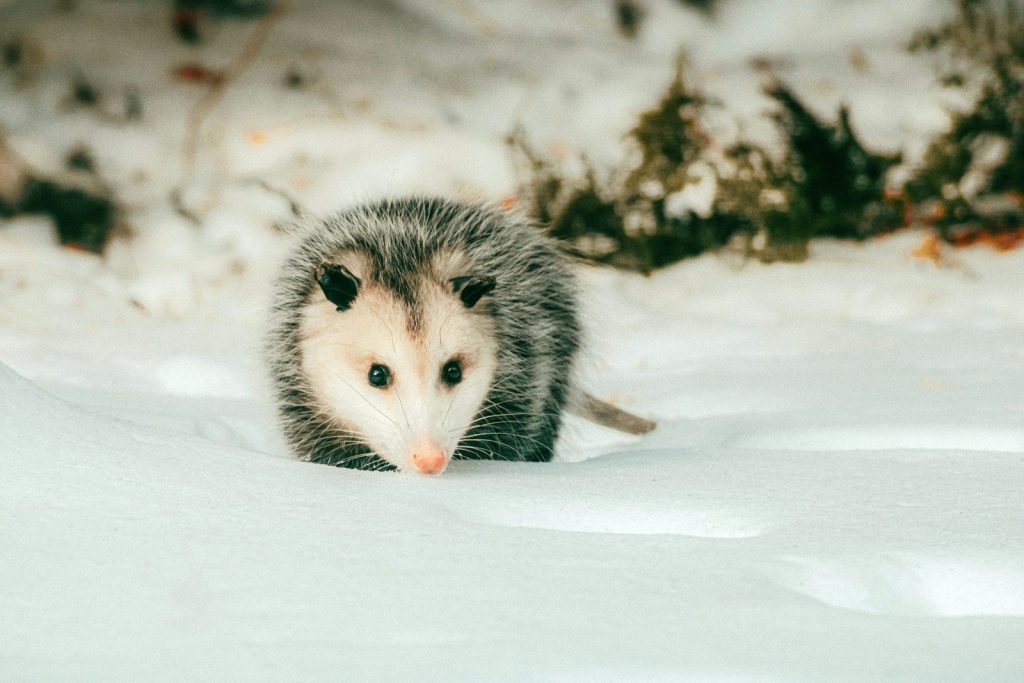
Virginia opossums are North America’s only marsupials, meaning their babies develop inside a pouch after birth much like kangaroos.
Female opossums can give birth to more than 20 babies at once, but not all survive. The newborns are incredibly small — about the size of a honeybee — and must crawl into the mother’s pouch immediately after birth.
Only the babies that successfully attach to a nipple inside the pouch continue developing.
Growing Babies Eventually Ride On Mom’s Back
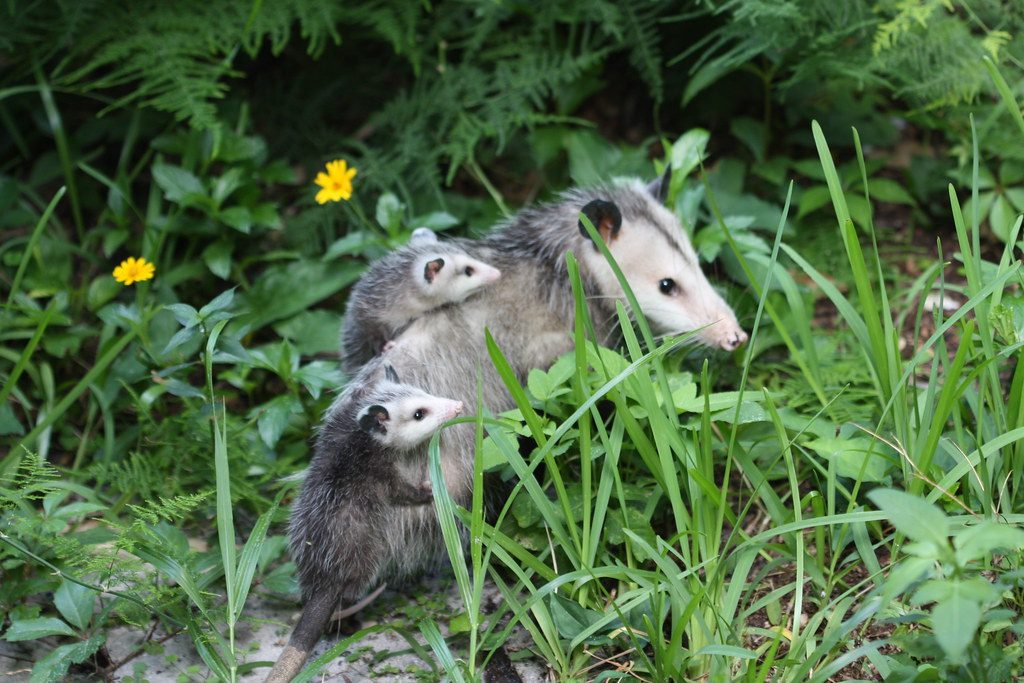
As they grow larger, young opossums leave the pouch and begin riding on their mother’s back while she searches for food.
This stage is where many babies accidentally get separated.
Because mothers can carry so many young at once, some fall off during travel through trees, roadsides, or thick brush without the mother noticing right away.
Why Mothers Often Do Not Return
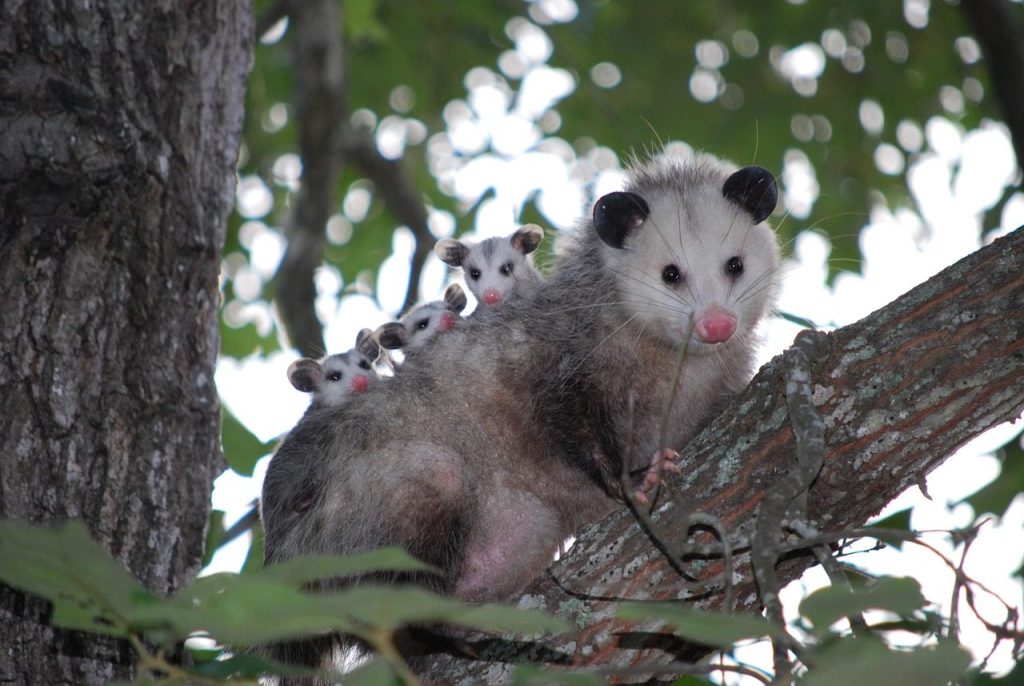
Unlike some mammals that return searching for missing offspring, opossums usually continue moving to protect the rest of the litter.
Wildlife rehabilitators say this is one reason orphaned baby opossums are commonly found alone.
Once separated, young opossums can quickly become vulnerable to predators, dehydration, traffic, and starvation.
Many “Abandoned” Babies Are Actually Orphans
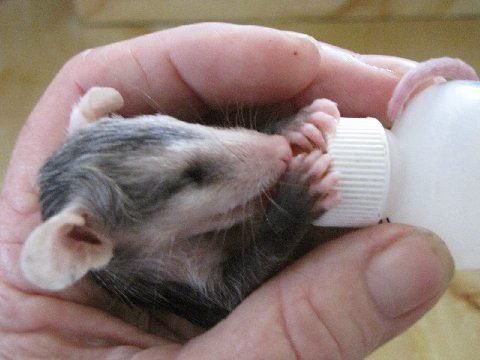
Road accidents are another major reason baby opossums become stranded.
If a mother opossum is hit by a vehicle, surviving babies may still be alive inside her pouch or nearby after falling away from her body.
Animal rescuers frequently check deceased opossums for surviving young because many babies can remain alive for hours after the mother dies.
Opossums Play An Important Role In Nature
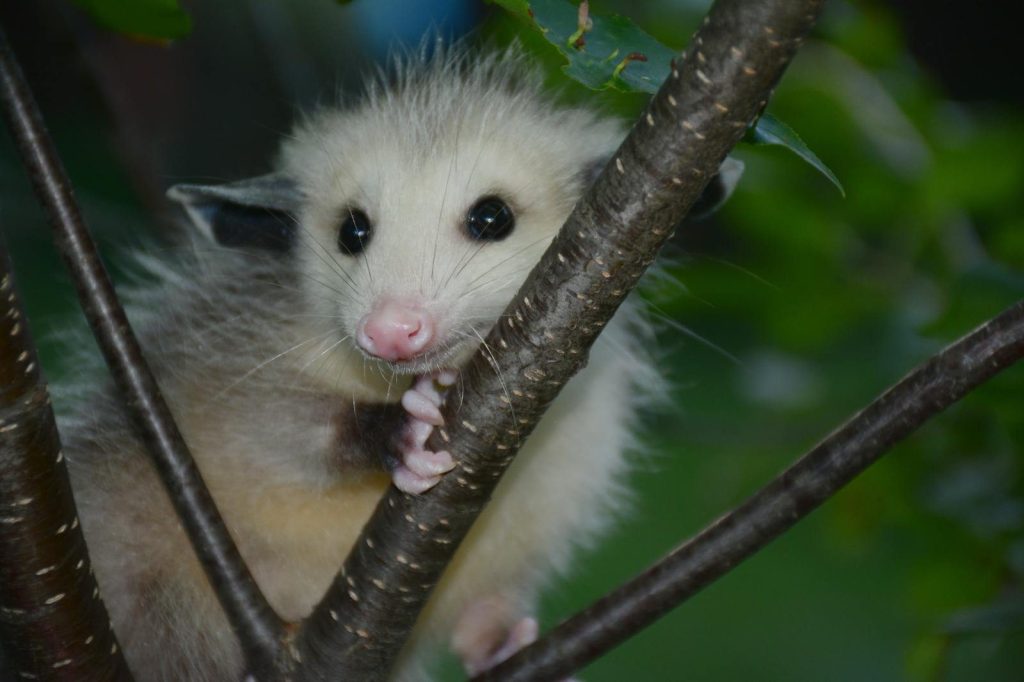
Although often misunderstood, opossums help ecosystems in several important ways.
They eat insects, rodents, carrion, and large numbers of ticks, helping reduce pests in urban and rural environments.
Opossums are also naturally resistant to some snake venom and rarely spread rabies because their body temperature is too low for the virus to thrive easily.
What To Do If You Find A Baby Opossum
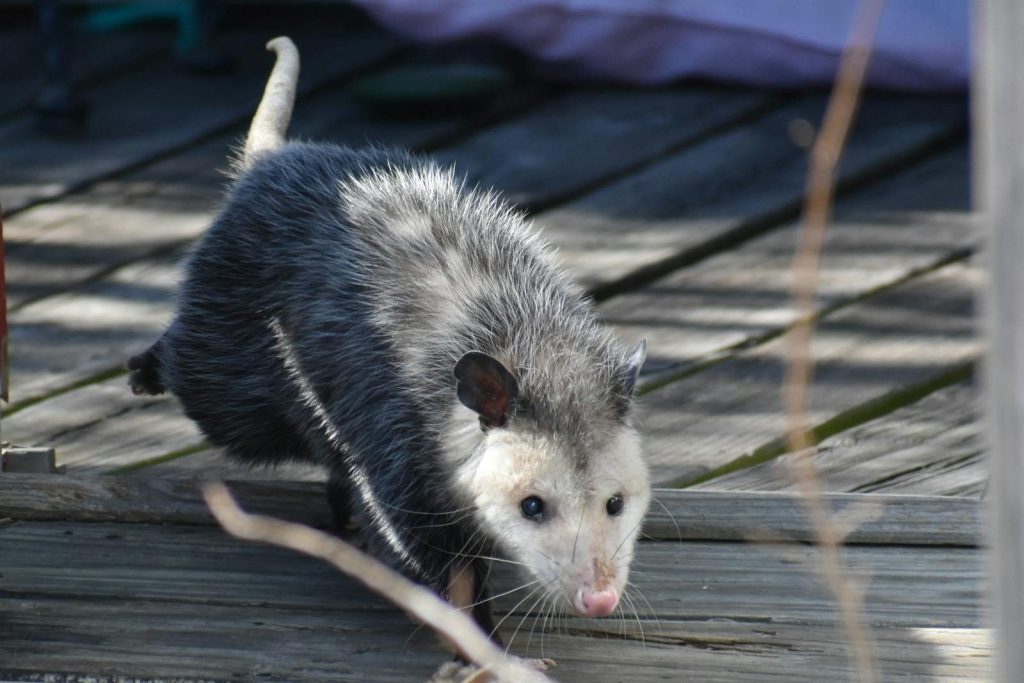
Wildlife experts recommend observing first before intervening.
If the baby is very small, injured, cold, or alone for a long period, contacting a licensed wildlife rehabilitator is usually the safest option.
Healthy older juveniles that are roughly 7 to 9 inches long, excluding the tail, may already be independent enough to survive on their own.
Survival In The Wild Is Extremely Difficult
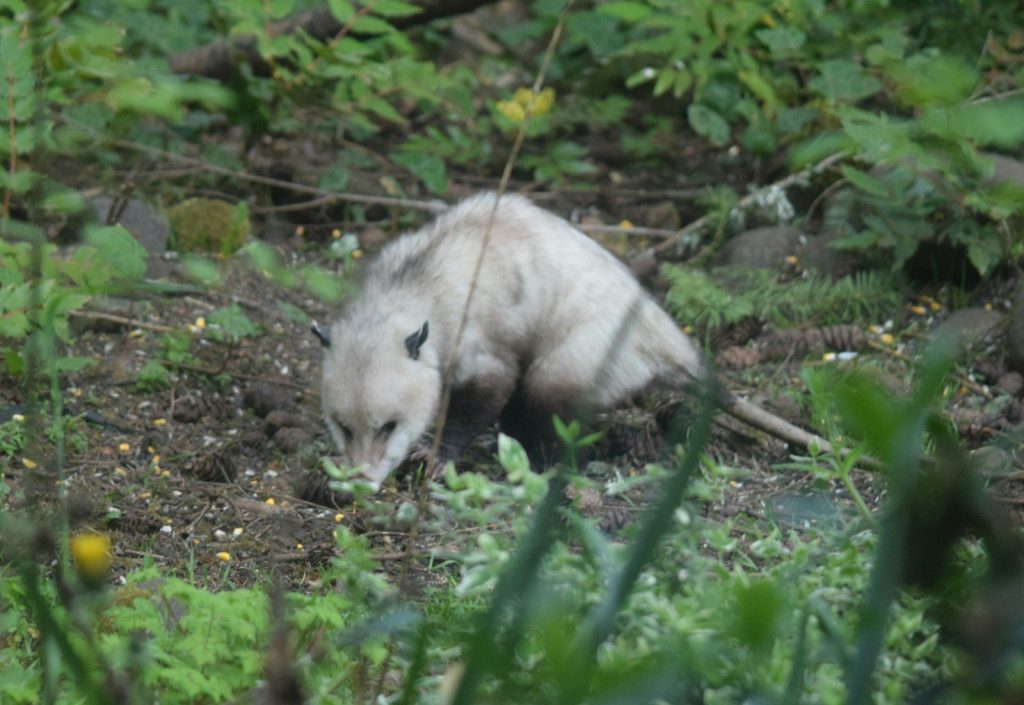
Despite producing large litters, very few opossums survive into adulthood.
Many fall victim to predators, vehicles, disease, or environmental hazards during their first year.
Their high birth rates are nature’s way of balancing the harsh survival odds these unusual marsupials face every day.