No animal is truly impossible to kill. Predators, disease, starvation, injury, environmental change, and random cellular failures can end the life of even the most unusual species.
A few animals show biological immortality, negligible aging, or the ability to return to an earlier developmental stage. These processes make aging very different from the steady decline seen in humans.
Biological Immortality Explained

Biological immortality means an organism does not appear to die from aging under suitable conditions. It does not mean the animal can survive being eaten, crushed, infected, or deprived of food. Researchers therefore distinguish escaping normal senescence from being physically indestructible.
Immortal Jellyfish Turns Back
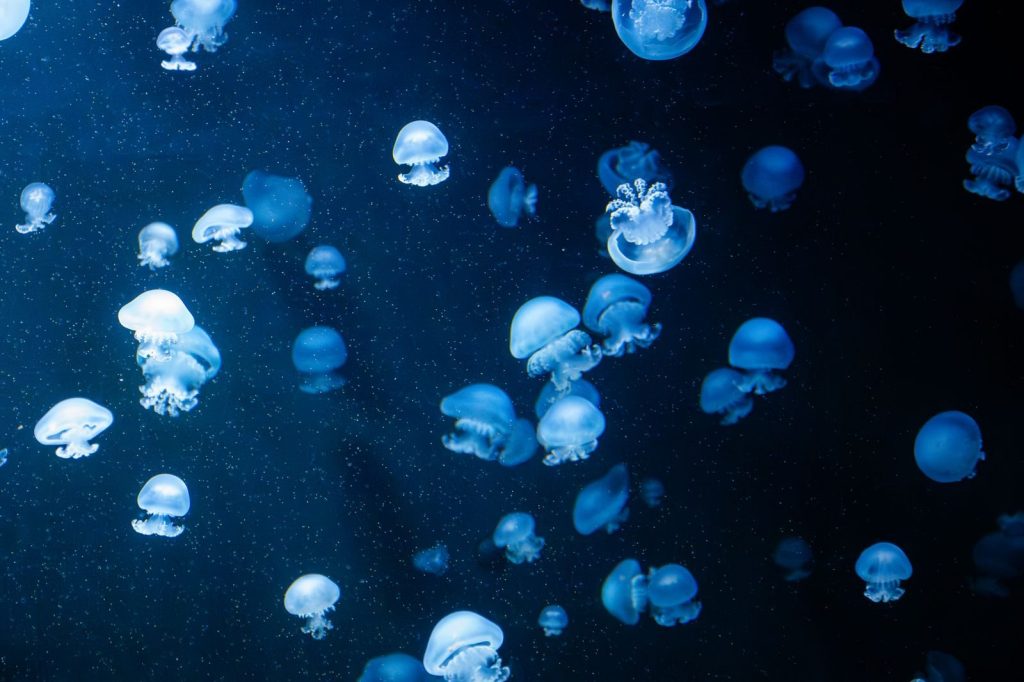
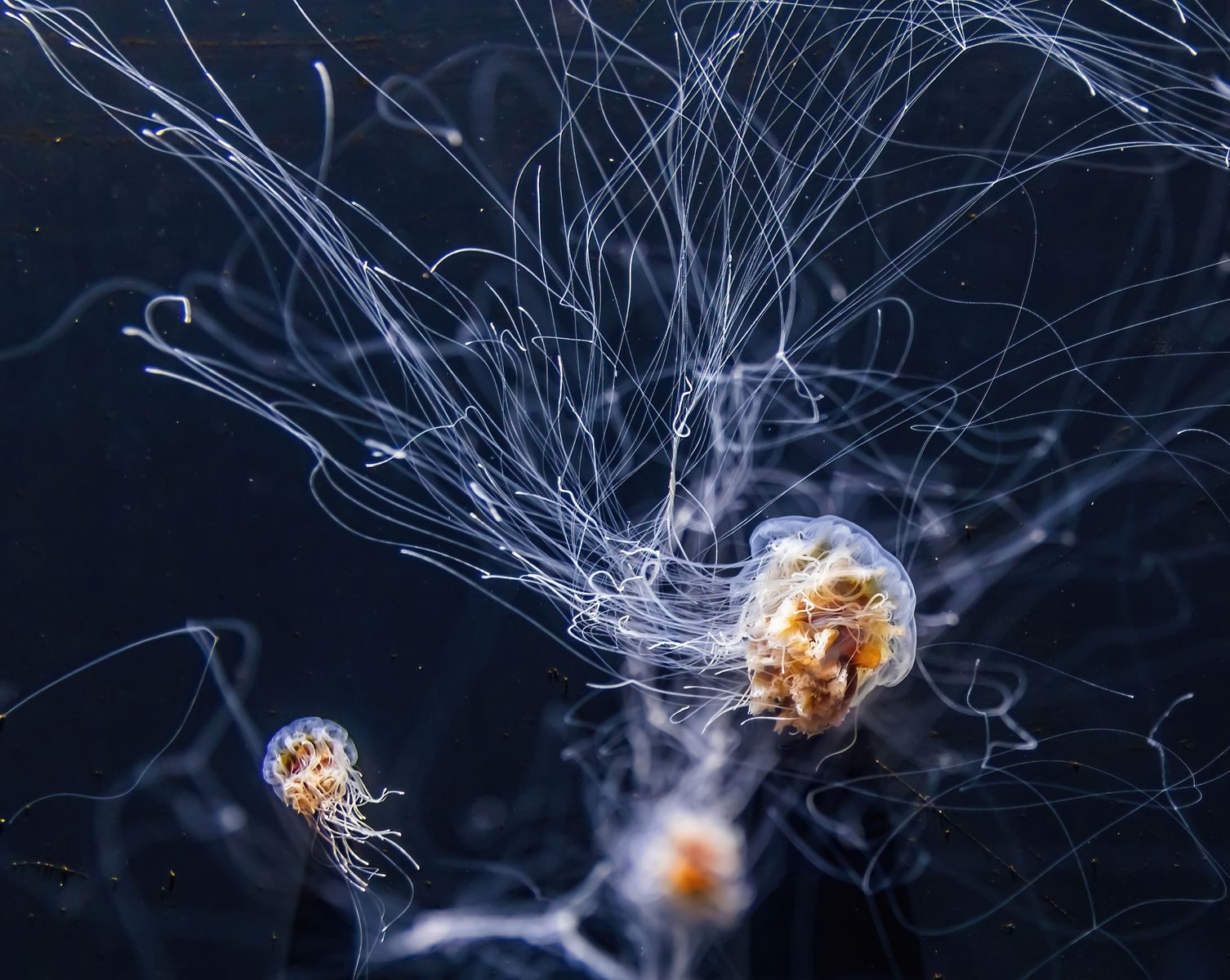
The jellyfish Turritopsis dohrnii can respond to injury or severe stress by transforming its adult tissues into an earlier polyp stage. The polyp can then produce new jellyfish, allowing the life cycle to begin again instead of moving in only one direction.
A Reset Is Not Invincibility
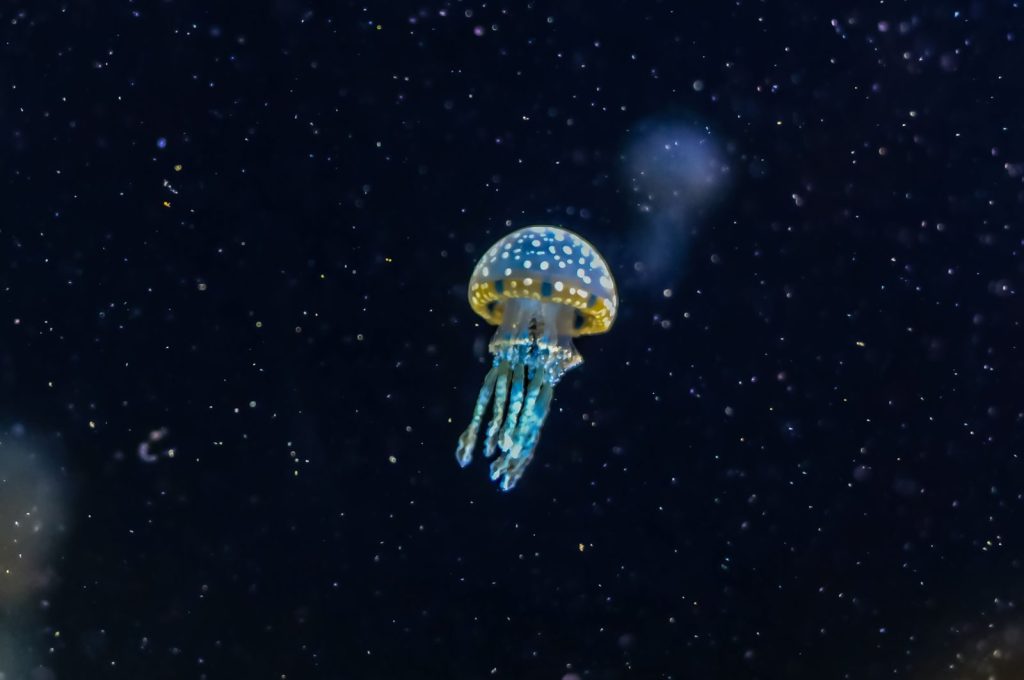
The jellyfish’s reversal is called transdifferentiation because specialised cells change into other cell types. The process can theoretically be repeated, but many individuals are eaten or die from disease before completing it. “Immortal” therefore describes biological potential rather than an endless documented lifespan.
Hydra Avoid Normal Aging
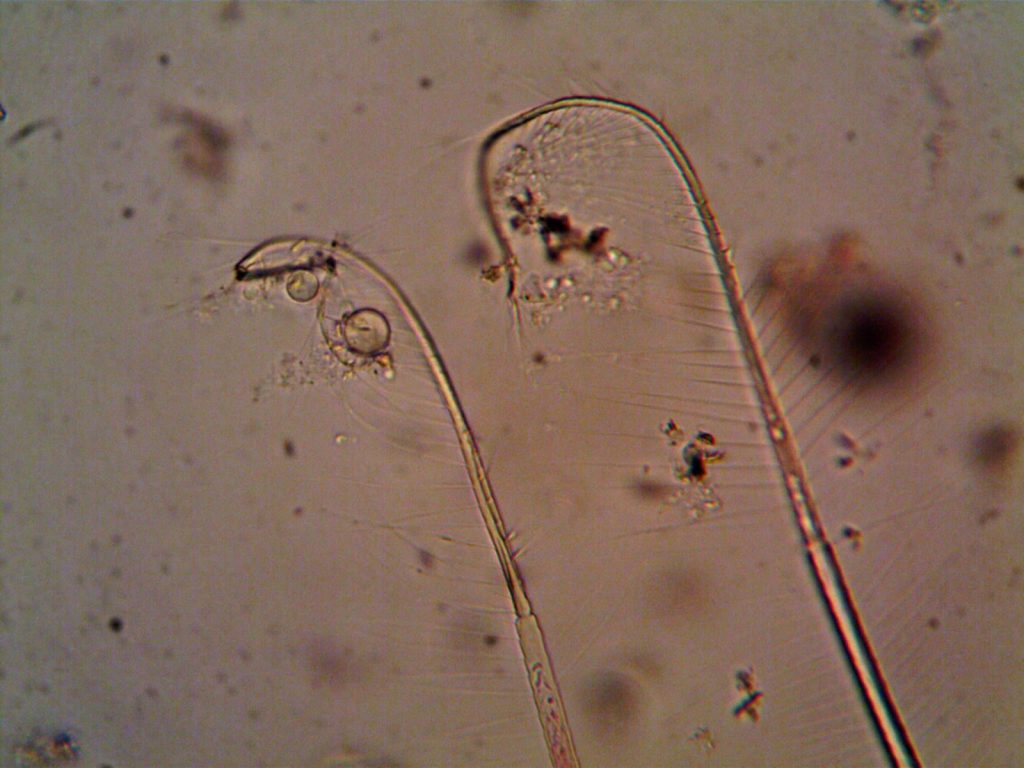
Hydra are tiny freshwater animals whose bodies are continuously renewed by active stem cells. Long-term laboratory studies found that some hydra populations maintained stable reproduction and mortality rather than showing increasing death rates with age. Certain species or environmental conditions can still produce aging.
Planarians Renew Their Bodies
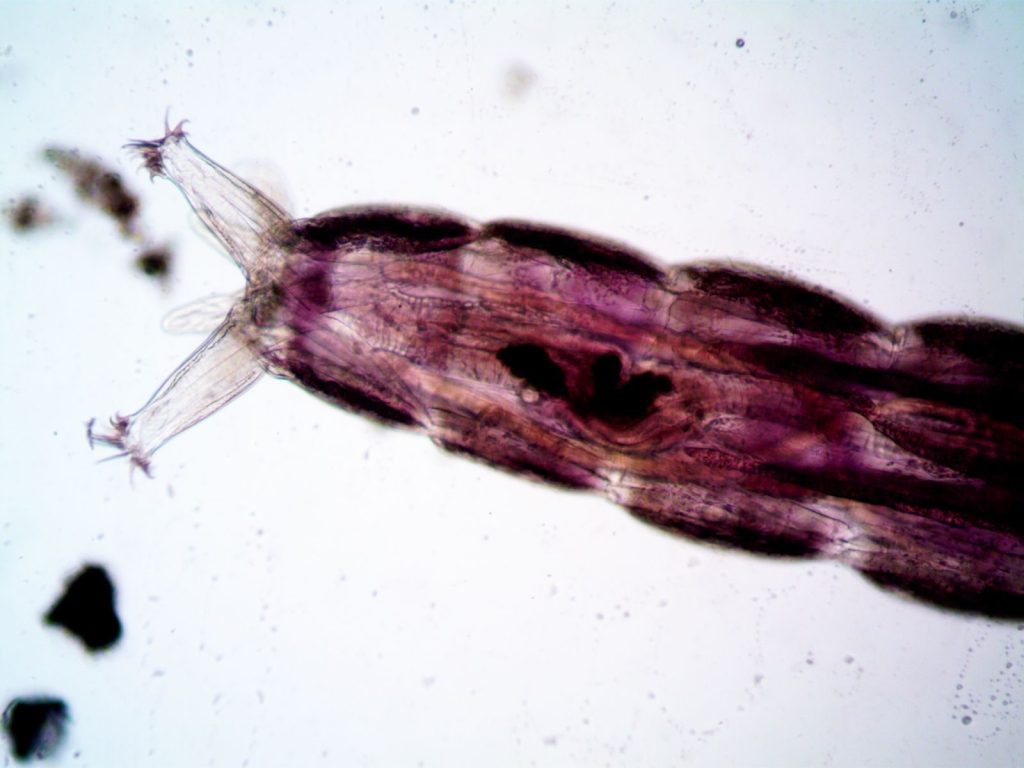
Planarian flatworms possess large numbers of regenerative stem cells and can rebuild missing tissues after being divided. Some species appear capable of avoiding normal senescence through constant cellular renewal. Newer research shows that poor nutrition and environmental stress can still reduce their health and survival.
Comb Jellies Reverse Development
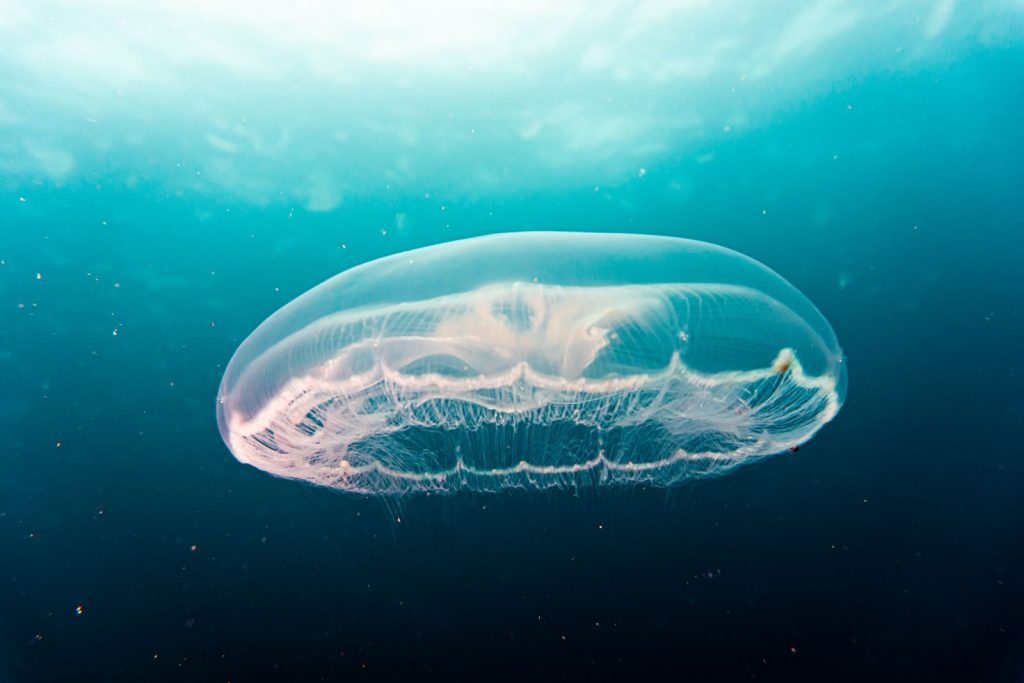
Experiments with the comb jelly Mnemiopsis leidyi found that some injured or starved adults reverted to a larva-like body. The animals reabsorbed adult structures and changed their feeding behaviour. Researchers are still studying whether this represents a repeatable survival strategy or a limited emergency response.
Naked Mole-Rats Defy Aging
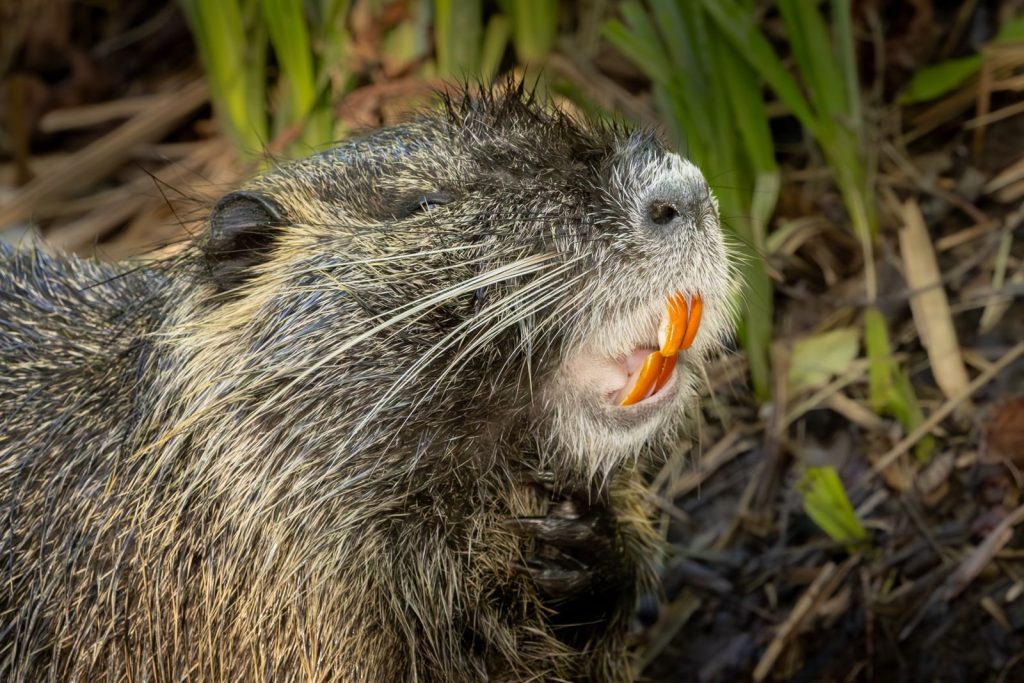
Naked mole-rats are not immortal, but their risk of death has shown little or no increase with age across decades of captive records. Follow-up research found the unusual pattern remained statistically strong into advanced ages, making them exceptional among mammals.
Everything Can Still Die
None of these animals provides proof that a creature can live forever in nature. Their unusual biology instead shows that aging has evolved in different ways. Studying their stem cells, regeneration, proteins, and disease resistance may help scientists understand why human tissues decline.