Skip to content

Recent Posts

  • A Polar Bear Tests a Filmmaker’s Safety Pod
  • Rescued Sun Bear Chenrezig Climbs His First Tree
  • Rescued Moon Bear Berserk Finally Learns to Play
  • Sperm Whales Hunt Giant Squid and Carry the Scars
  • How David Bradshaw Is Preserving His Family Honey Farm

Most Used Categories

  • Nature & Wildlife (714)
  • Risk (63)
  • Human Interest (42)
  • Exotic Animals (22)
  • Survival (20)
  • Hunting (19)
  • Bees/Swarms fear (15)
  • Suspense (12)
  • Adventure (3)
  • Gears (2)
Skip to content
  • About Us
  • Contact Us
  • Disclaimer
  • Privacy Policy
  • Terms & Conditions

Hive Hunters Tales

  • Suspense
  • Nature & Wildlife
  • Human Interest
  • Hunting
  • Bees/Swarms fear
  • Exotic Animals
  • Risk
  • Survival
  • Adventure
  • Gears
  • Home
  • Human Interest
  • Rescued Sun Bear Chenrezig Climbs His First Tree
black bear in wooden hole

Rescued Sun Bear Chenrezig Climbs His First Tree

JakeAugust 8, 2026August 7, 2026

Chenrezig did not spend a full natural lifespan in a cage. The young sun bear was believed to be about two and a half years old and had spent roughly two years confined outside Vientiane, Laos.

His rescue gave him access to open space, natural surfaces, climbing opportunities, food, veterinary care, and the freedom to retreat when he felt uncertain.

Two Years in a Cage
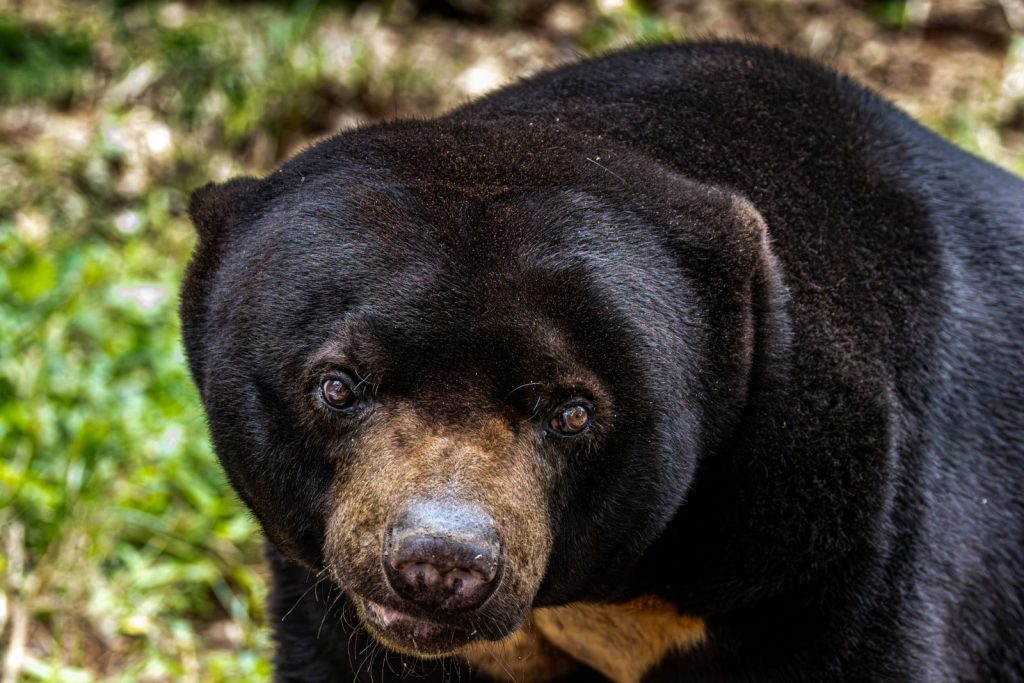
A detailed close-up of a sun bear in its natural habitat, showcasing unique facial features.
Photo by Regan Dsouza on Pexels

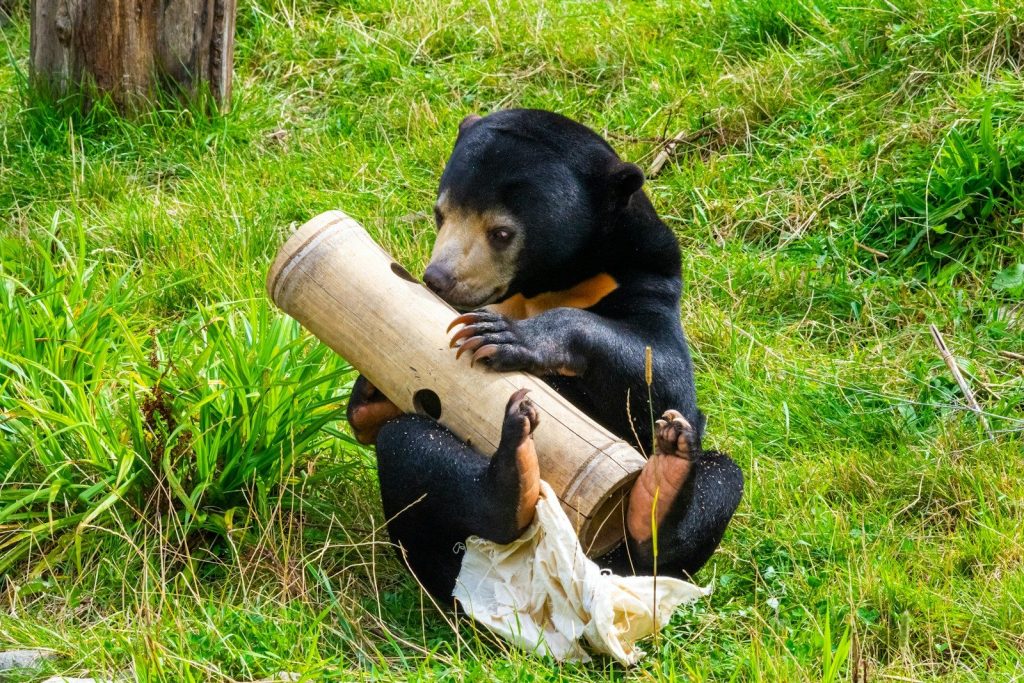
Chenrezig had lived in a cage only slightly larger than his body. The enclosure restricted walking, climbing, foraging, and exploration during an important stage of development. Authorities and rescuers believed he had been kept illegally as a private pet.

Likely Taken as a Cub
brown and black bear
Photo by Darren Welsh on Unsplash

Rescuers believed Chenrezig was probably separated from his mother and sold while still young. Sun bear cubs normally learn survival skills by following their mothers. Removing one affects both animals and feeds an illegal trade in pets, body parts, and captive bears.

Honey Guides the Rescue
A group of people standing next to each other
Photo by Frederick Shaw on Unsplash

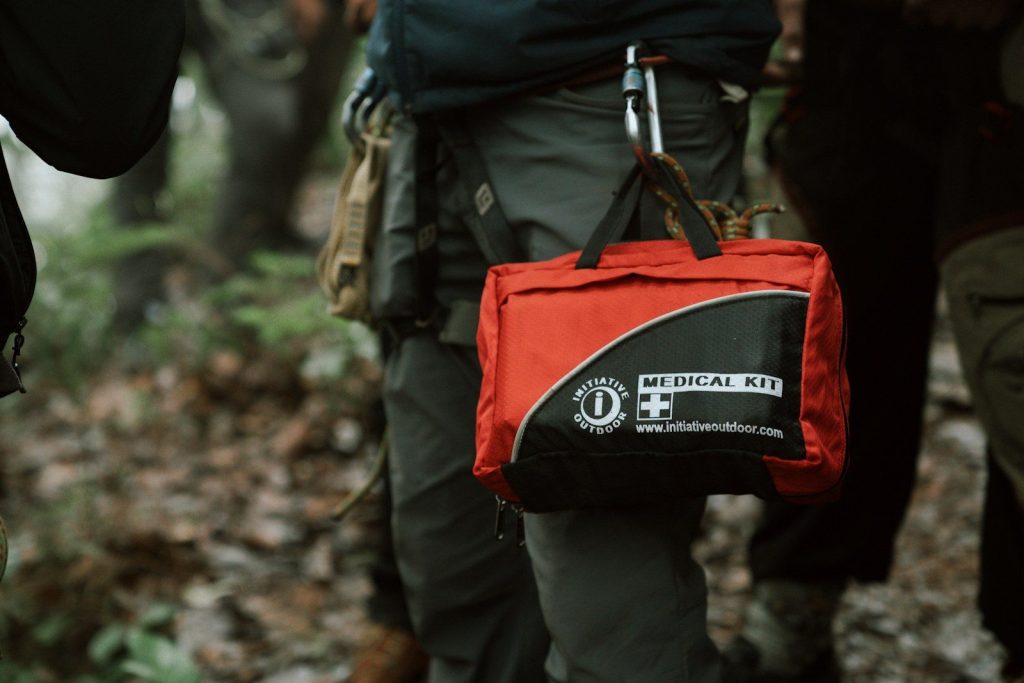
The rescue team used honey to encourage Chenrezig to enter a secure transport crate. This reward-based approach reduced the need for force. Allowing the bear to follow food voluntarily helped move him while limiting stress and danger to both the animal and rescuers.

The Journey Takes Time
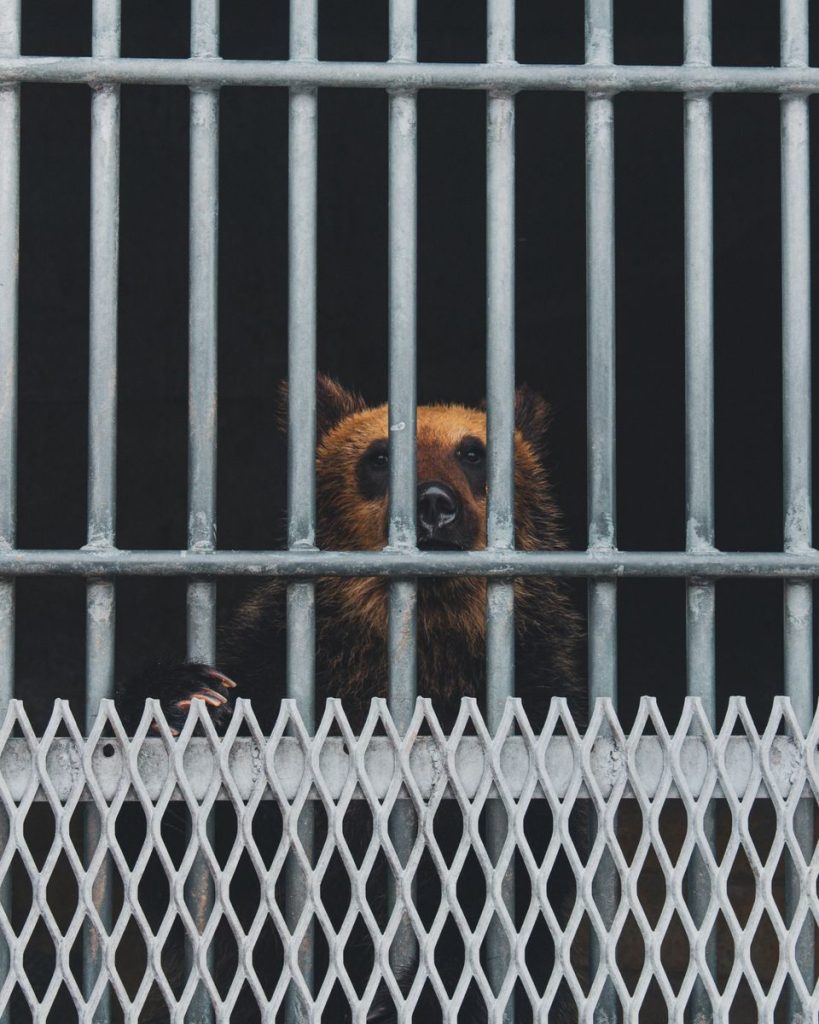
A poignant image of a bear in captivity, peering through metal bars at a zoo.
Photo by Jim (Jimothy) Natanauan on Pexels

During transport, the team provided shade, food, water, and regular checks. Moving a rescued bear requires planning because heat, noise, unfamiliar people, road movement, and confinement can all increase stress. The destination was a specialist wildlife sanctuary rather than another private enclosure.

His First Steps Outside
A black bear walks on a grassy hillside near trees.
Photo by Tommaso Fornoni on Unsplash

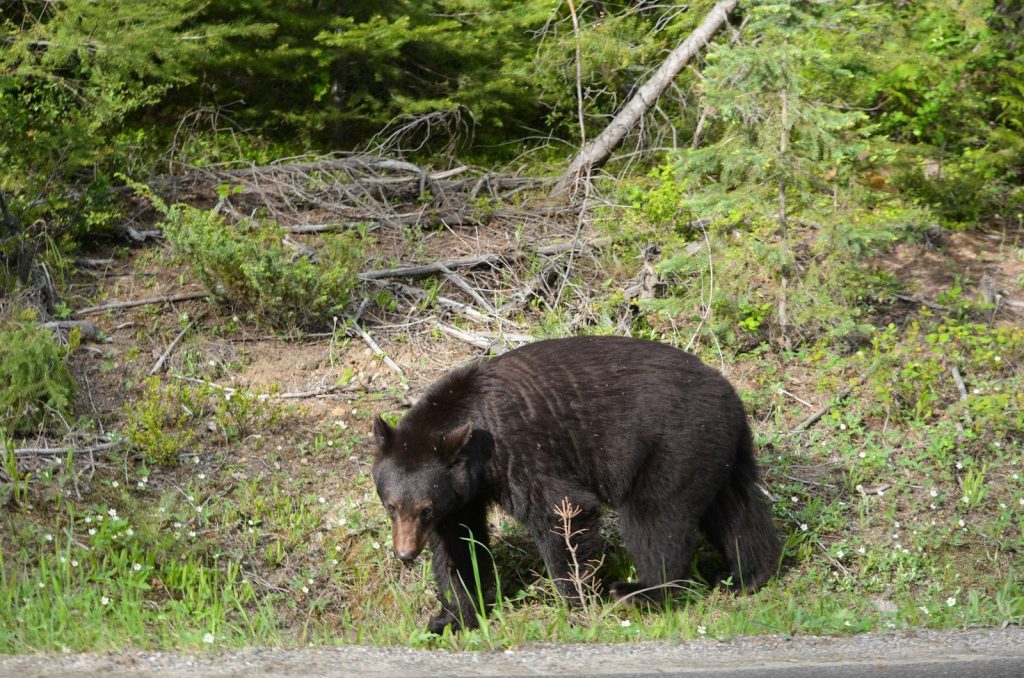
Chenrezig appeared nervous when given his first opportunity to enter an outdoor area. He moved only a short distance before returning to familiar shelter. Caregivers did not drag him forward; retreating allowed him to control the pace of a completely new experience.

Choice Builds Confidence
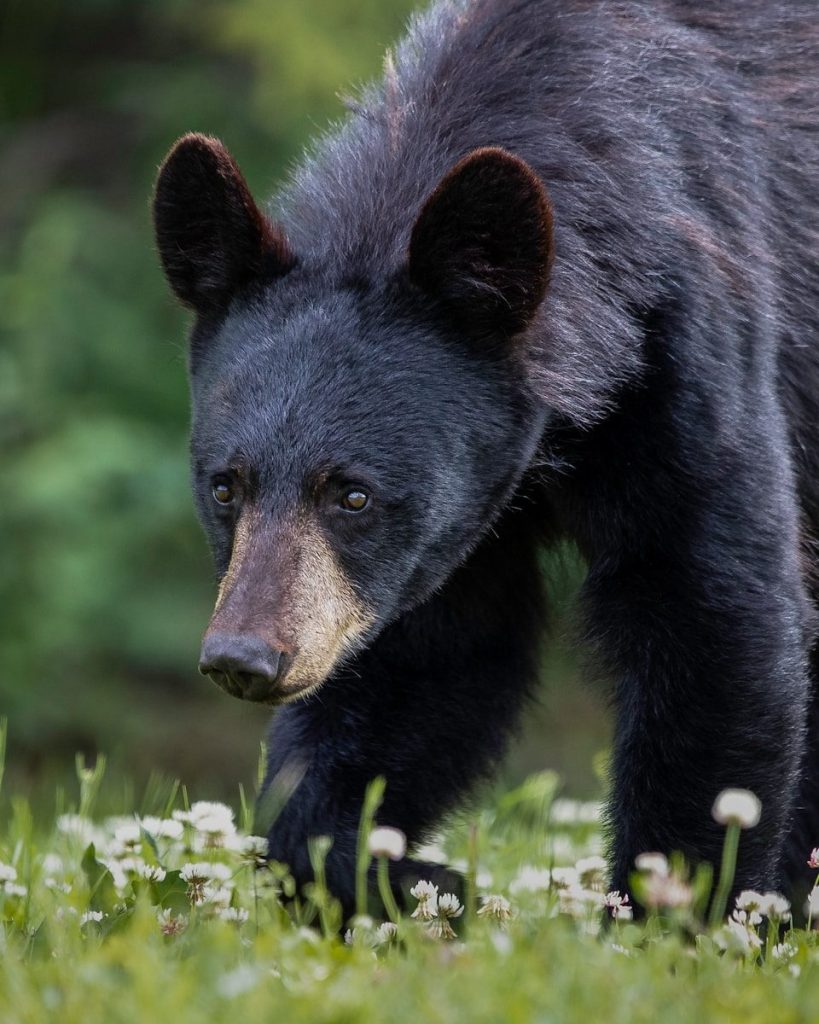
black bear on green grass during daytime
Photo by Pete Nuij on Unsplash

A trail of honey and bananas encouraged the young bear to explore farther. Food was used to create a positive connection with unfamiliar ground, smells, sunlight, and open space. Gradual exposure allowed curiosity to develop without turning the moment into another forced experience.

The First Tree
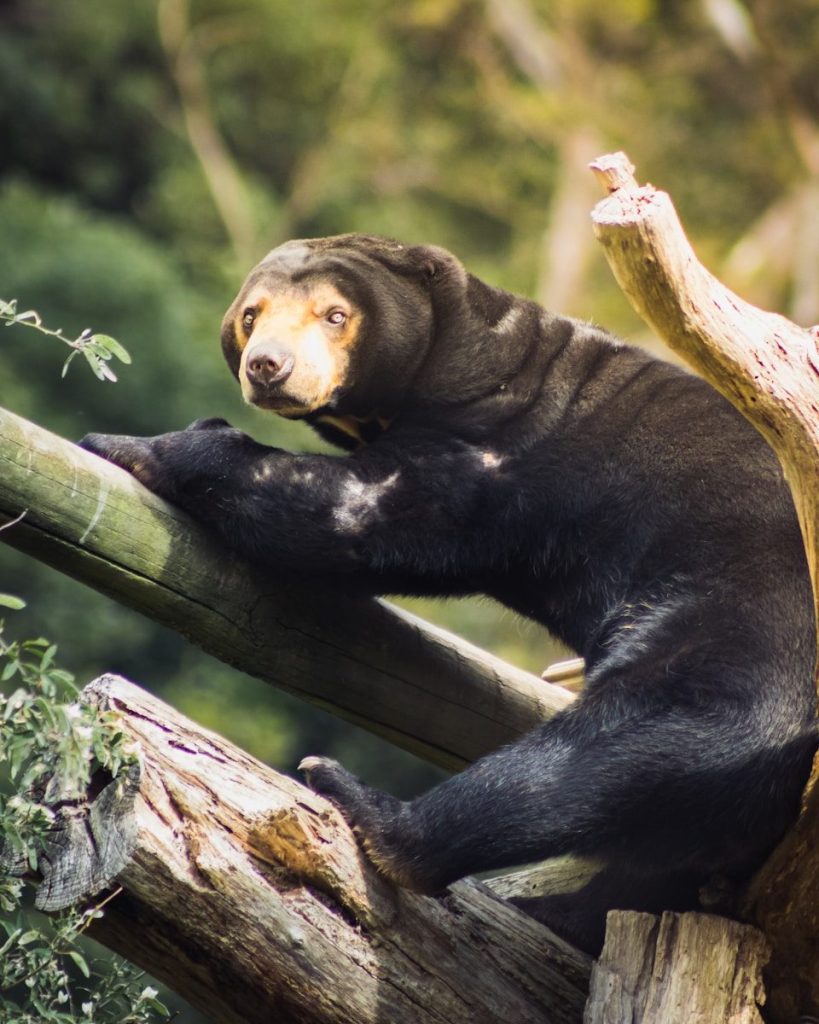
a large black bear sitting on top of a tree branch
Photo by Joshua Bayliss on Unsplash

Chenrezig eventually climbed a tree, using an ability that his cage had prevented him from practising. Sun bears are skilled climbers that use trees to rest, search for food, escape danger, and investigate their surroundings. The climb marked an important behavioural milestone.

A Forest Home
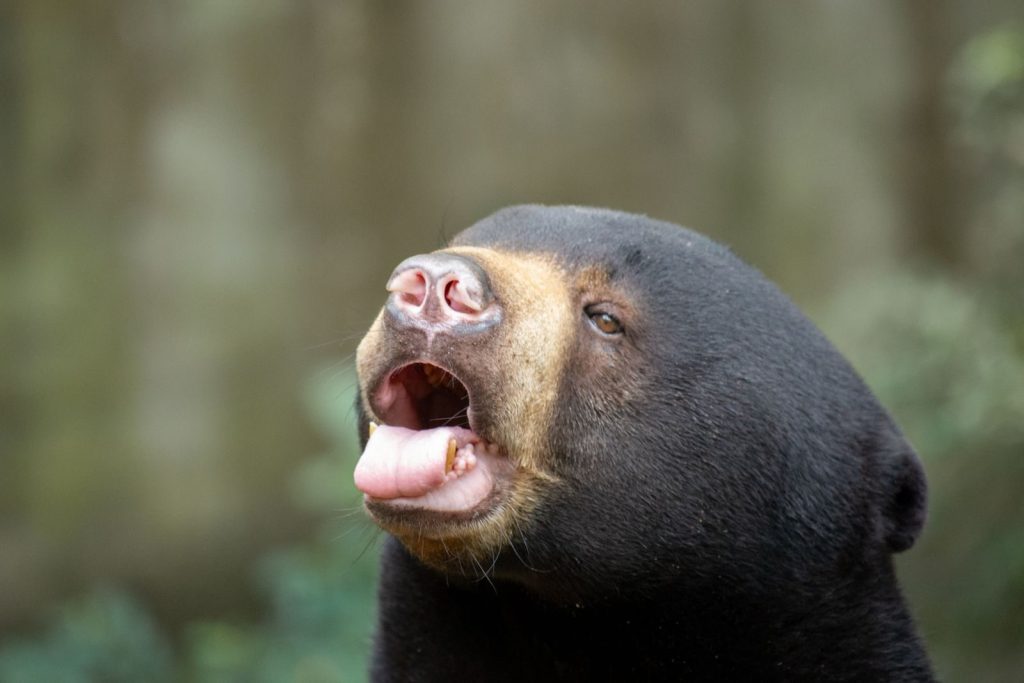
A detailed close-up of a sun bear yawning, showcasing its distinct muzzle and tongue.
Photo by Ty Nguyễn on Pexels

At the sanctuary, rescued bears receive access to forested enclosures designed for climbing, foraging, resting, and exploration. Some animals may eventually qualify for carefully managed release, but many rescued bears require lifelong sanctuary care because of habituation, injuries, or lost survival skills.

Featured Image: Photo by Dušan veverkolog on Unsplash
Post navigation

Previous: Rescued Moon Bear Berserk Finally Learns to Play
Next: A Polar Bear Tests a Filmmaker’s Safety Pod

Related Posts

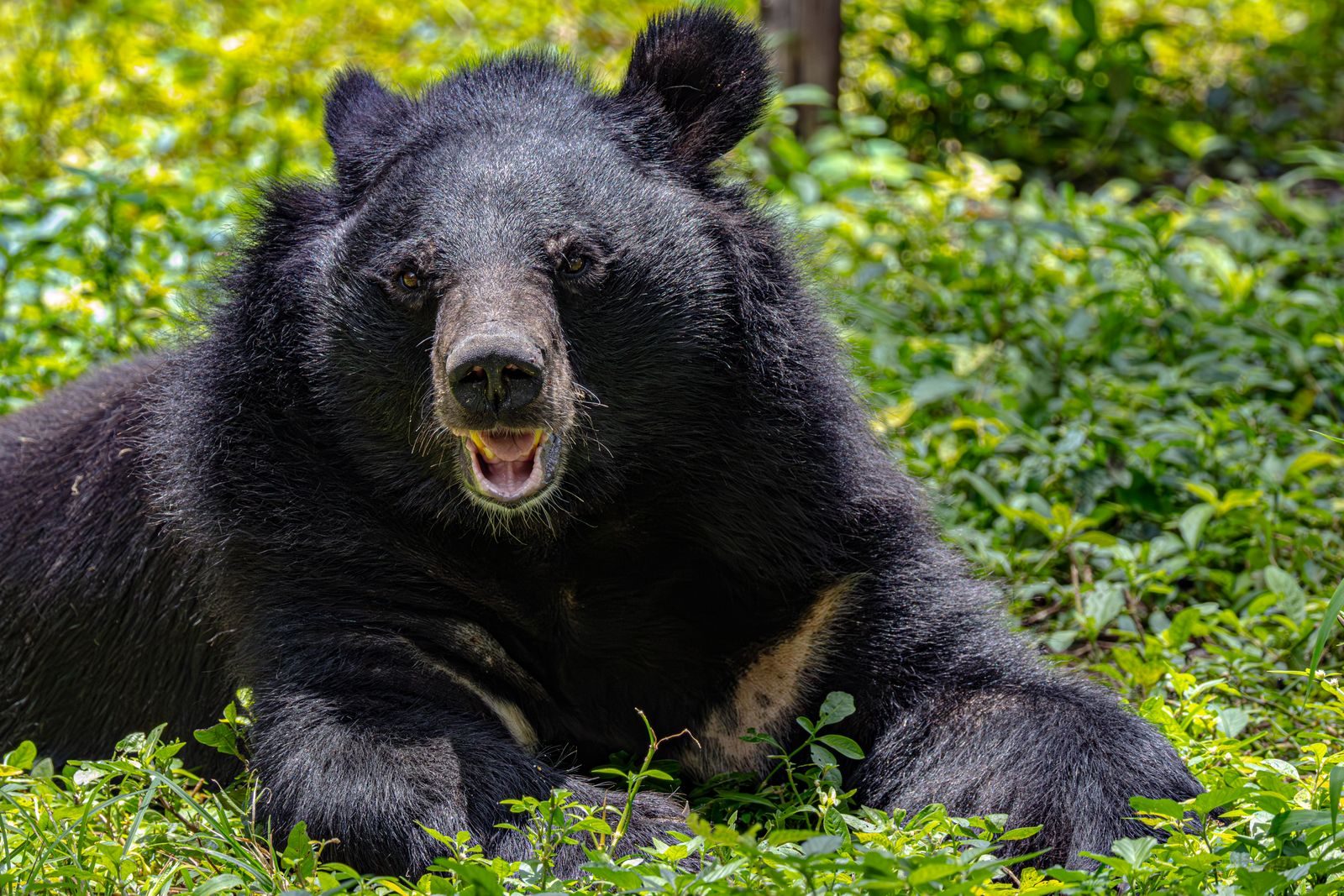
Close-up of a majestic Asiatic black bear resting in a vibrant forest setting.

Rescued Moon Bear Berserk Finally Learns to Play

August 7, 2026August 7, 2026 Jake
Close-up of a blue-eyed black lemur with striking orange fur leaning on a cage.

When Distressed Animals Approached Helpful People

August 7, 2026August 7, 2026 Jake
A majestic white-tailed deer stands alert in the autumn forest, showcasing its impressive antlers.

A Wild Buck Runs Beside an Ohio Boy

August 7, 2026August 7, 2026 Jake

Leave a Reply Cancel reply

Your email address will not be published. Required fields are marked *

Recent Posts

  • A Polar Bear Tests a Filmmaker’s Safety Pod
  • Rescued Sun Bear Chenrezig Climbs His First Tree
  • Rescued Moon Bear Berserk Finally Learns to Play
  • Sperm Whales Hunt Giant Squid and Carry the Scars
  • How David Bradshaw Is Preserving His Family Honey Farm
Copyright All Rights Reserved | Theme: BlockWP by Candid Themes.