Skip to content

Recent Posts

  • Why Mongooses Can Turn a Cobra Attack Around
  • A Polar Bear Tests a Filmmaker’s Safety Pod
  • Rescued Sun Bear Chenrezig Climbs His First Tree
  • Rescued Moon Bear Berserk Finally Learns to Play
  • Sperm Whales Hunt Giant Squid and Carry the Scars

Most Used Categories

  • Nature & Wildlife (714)
  • Risk (63)
  • Human Interest (42)
  • Exotic Animals (22)
  • Survival (20)
  • Hunting (19)
  • Bees/Swarms fear (15)
  • Suspense (13)
  • Adventure (3)
  • Gears (2)
Skip to content
  • About Us
  • Contact Us
  • Disclaimer
  • Privacy Policy
  • Terms & Conditions

Hive Hunters Tales

  • Suspense
  • Nature & Wildlife
  • Human Interest
  • Hunting
  • Bees/Swarms fear
  • Exotic Animals
  • Risk
  • Survival
  • Adventure
  • Gears
  • Home
  • Suspense
  • A Polar Bear Tests a Filmmaker’s Safety Pod
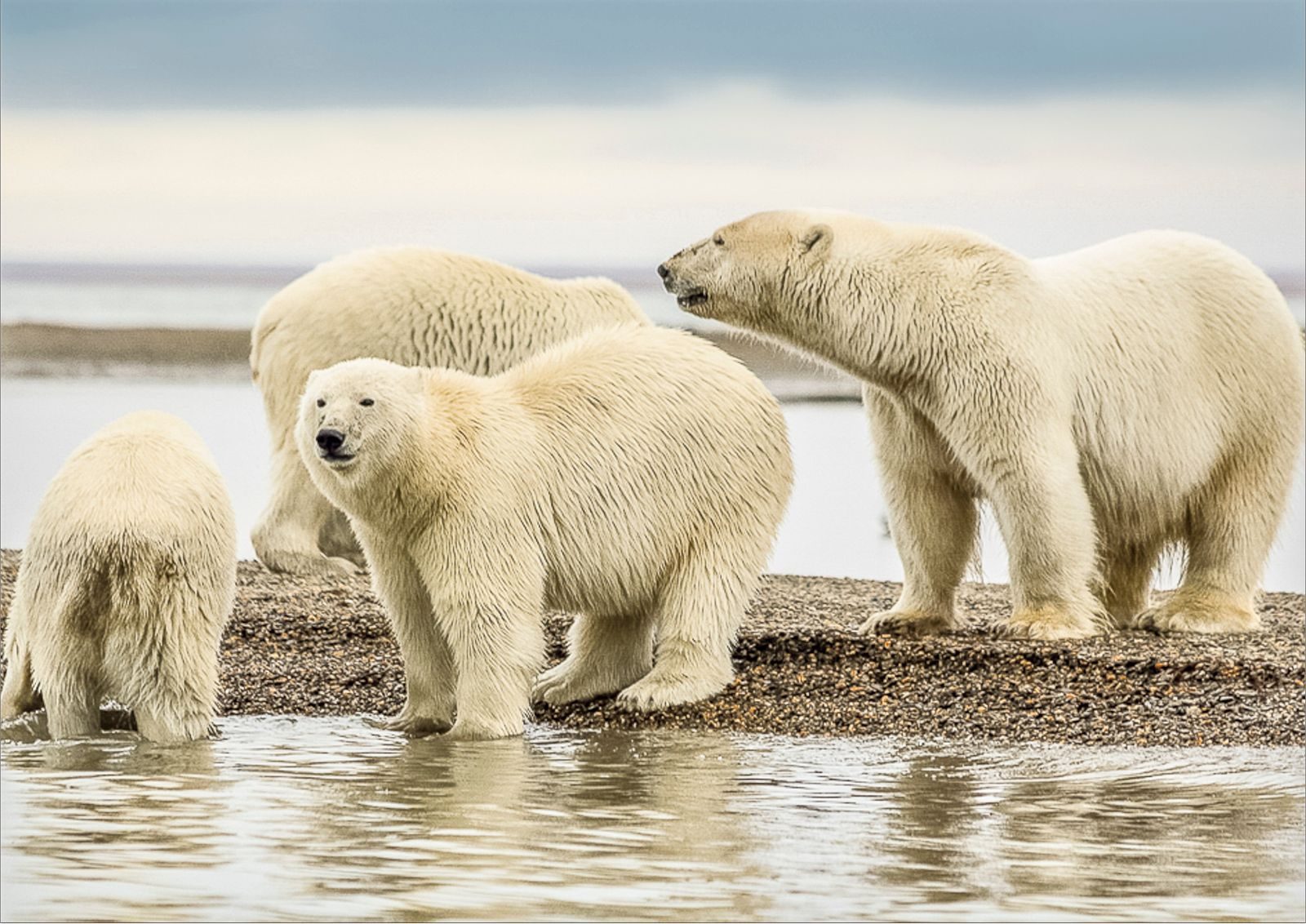
Group of polar bears along Alaskan shoreline showcasing wildlife in Arctic spring.

A Polar Bear Tests a Filmmaker’s Safety Pod

JakeAugust 8, 2026August 7, 2026

Wildlife cameraman Gordon Buchanan filmed a polar bear approaching and repeatedly testing the transparent safety pod protecting him. The encounter was recorded while he worked on a BBC series in the Arctic.

Reports described the animal as hungry, but its precise motivation cannot be confirmed from the footage. Smell, curiosity, investigation, and the possibility of food may all have influenced its behaviour.

Filming in the Arctic
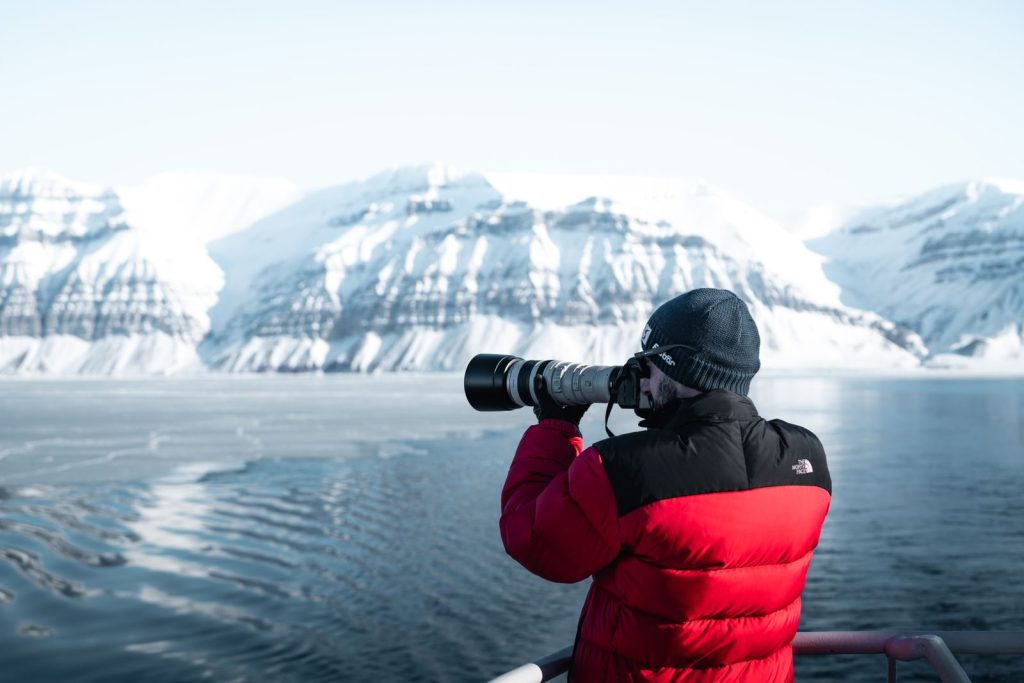
A man in a red jacket photographs snow-covered mountains across a lake. Winter landscape.
Photo by Tomáš Malík on Pexels

Buchanan was following a wild polar bear family for the BBC production The Polar Bear Family & Me. Working close enough to record natural behaviour required specialised precautions because polar bears are large predators capable of treating unfamiliar objects as potential food or threats.

The Safety Pod

a box sitting on the side of a fence next to the ocean
Photo by Ngân Hồ on Unsplash

The filmmaker entered a reinforced transparent enclosure designed to separate him from the bear. The pod allowed cameras to capture the encounter while preventing direct physical contact. It was safety equipment, not evidence that approaching polar bears in ordinary glass boxes is responsible.

The Bear Approaches
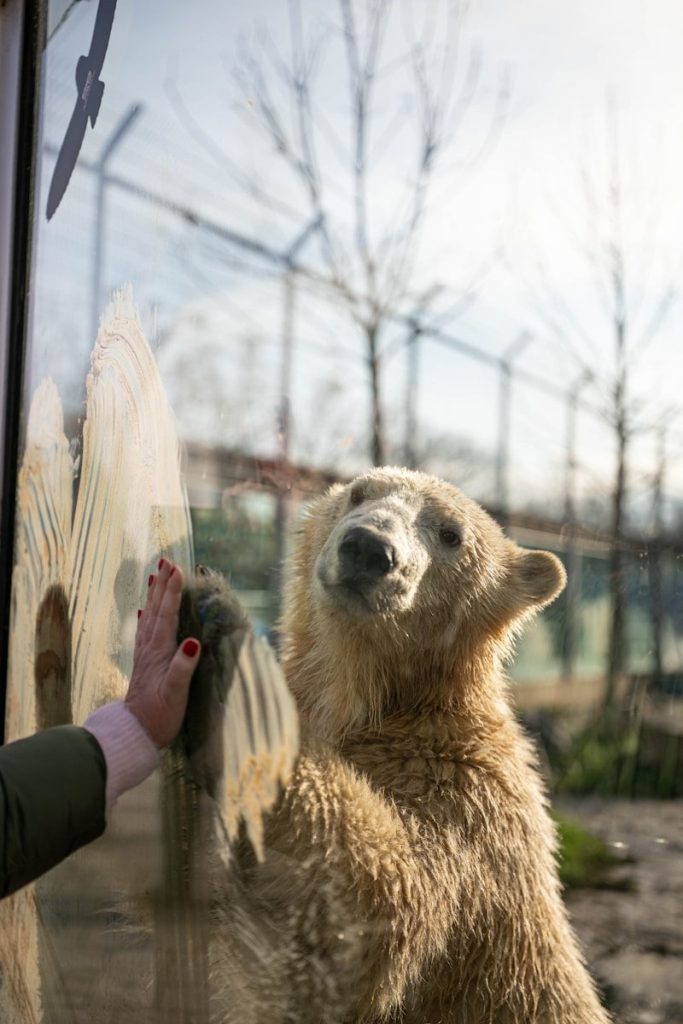
Polar bear touches hand through glass enclosure
Photo by CS J0ke on Unsplash

The bear moved directly toward the pod and began smelling and examining it. Polar bears possess an excellent sense of smell, which they normally use to locate seals and other food. Human scent and equipment would have made the unfamiliar structure noticeable.

Paws Test the Barrier
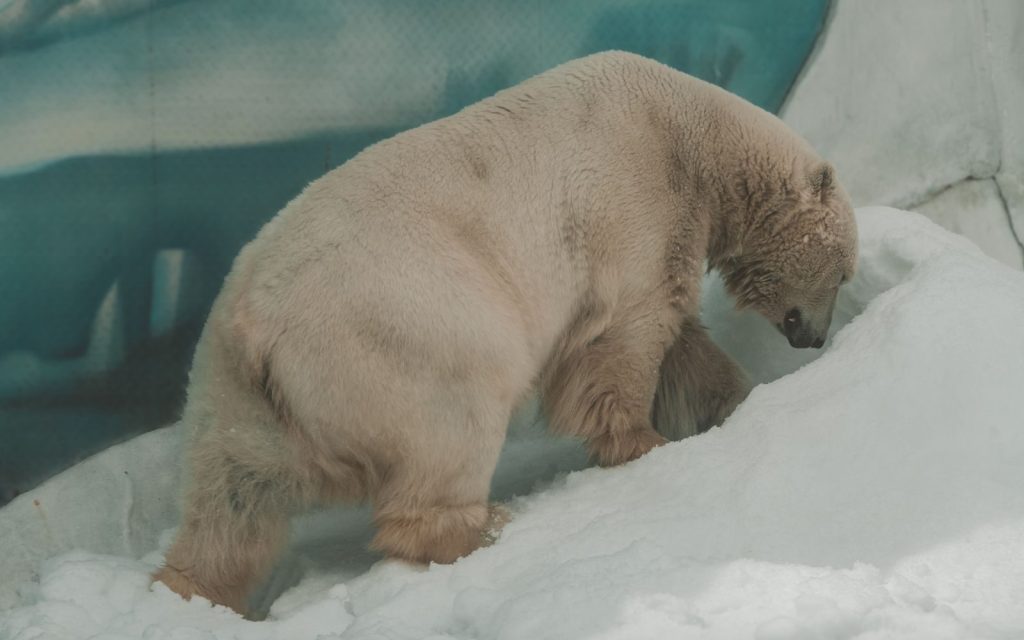
A polar bear walking on snow in a zoo enclosure, showcasing its natural habitat.
Photo by Lisá Yakurím on Pexels

The animal pushed, pawed, clawed, and bit at different parts of the enclosure. It changed position as it searched for an opening. Those actions demonstrated strength and problem-solving, but they did not reveal whether the bear recognised Buchanan specifically as prey.

Forty-Five Minutes
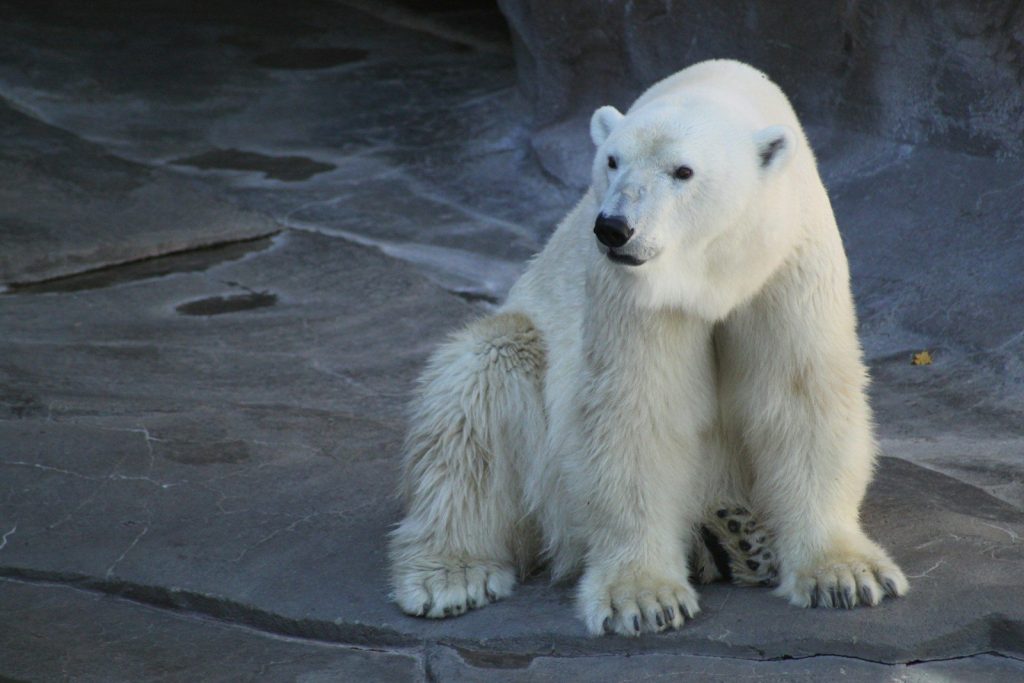
polar bear walking on snow covered ground during daytime
Photo by Tom Van Herp on Unsplash

The encounter reportedly continued for about 45 minutes. Buchanan remained inside while the bear repeatedly investigated the pod. Even with a physical barrier, the experience was stressful because any weakness in the structure could have created immediate danger.

Hunger Was Not Proven
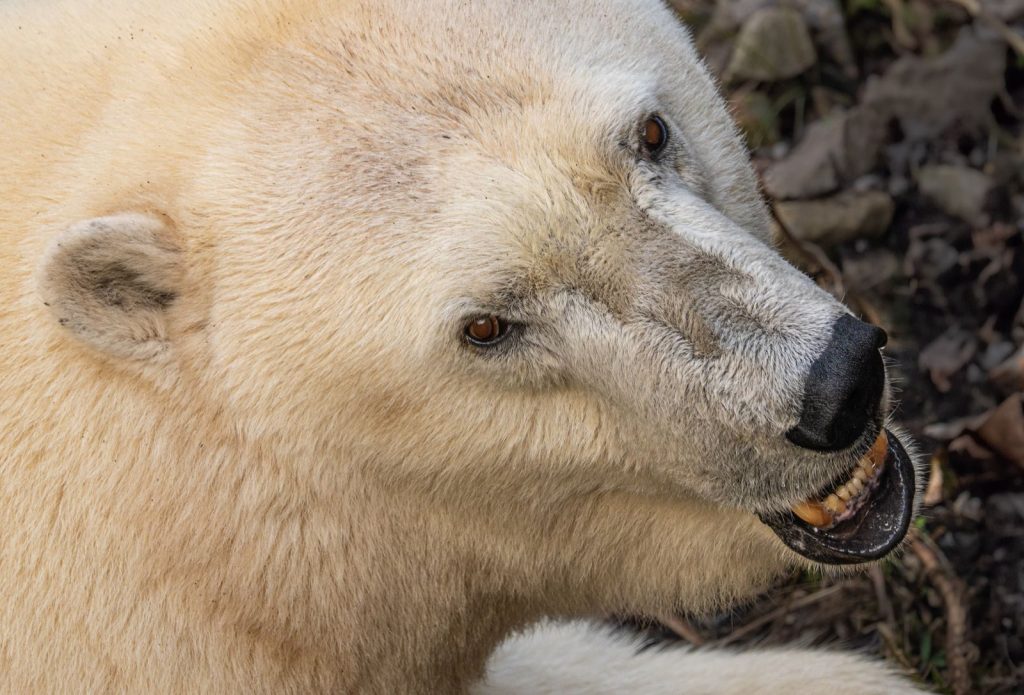
A polar bear up close in Frederiksberg Zoo, Denmark, showcasing its fur and facial features.
Photo by Lars H Knudsen on Pexels

Headlines frequently called the bear hungry and said it wanted to eat the filmmaker. Those interpretations may be possible, but a video cannot confirm hunger or intention. Polar bear attacks are rare, although research indicates that many fatal incidents have involved predatory behaviour.

The Barrier Works
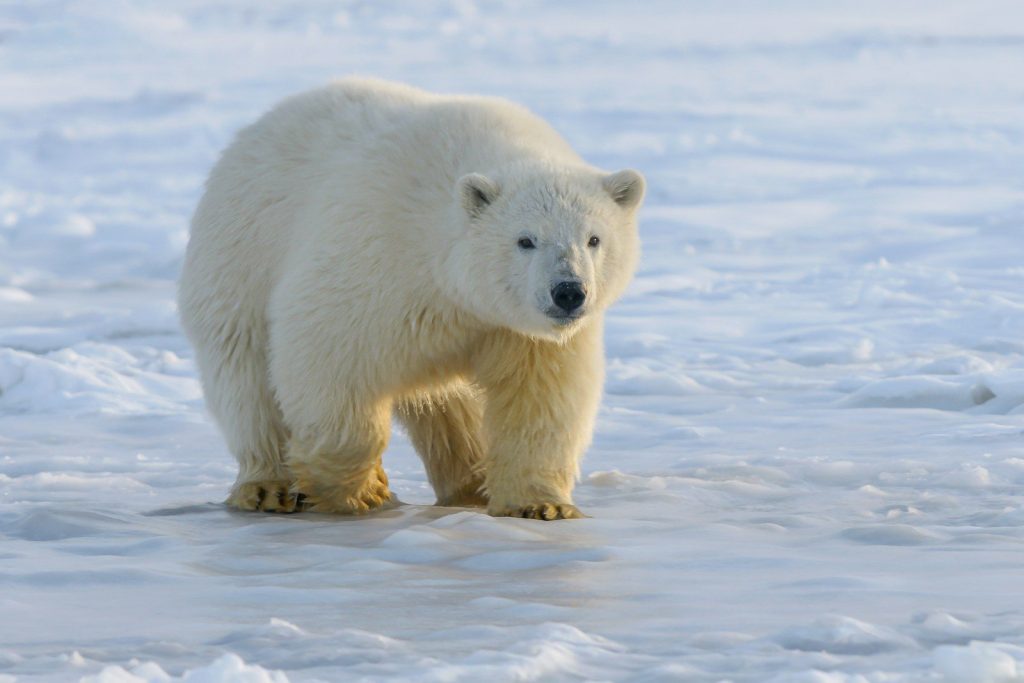
polar bear on snow covered ground during daytime
Photo by Hans-Jurgen Mager on Unsplash

The bear eventually moved away without reaching Buchanan. The outcome depended on a purpose-built enclosure and a professional team, not on the cameraman frightening or fighting the animal. The footage should not encourage visitors to seek a close encounter for photographs or video.

Prevention Comes First
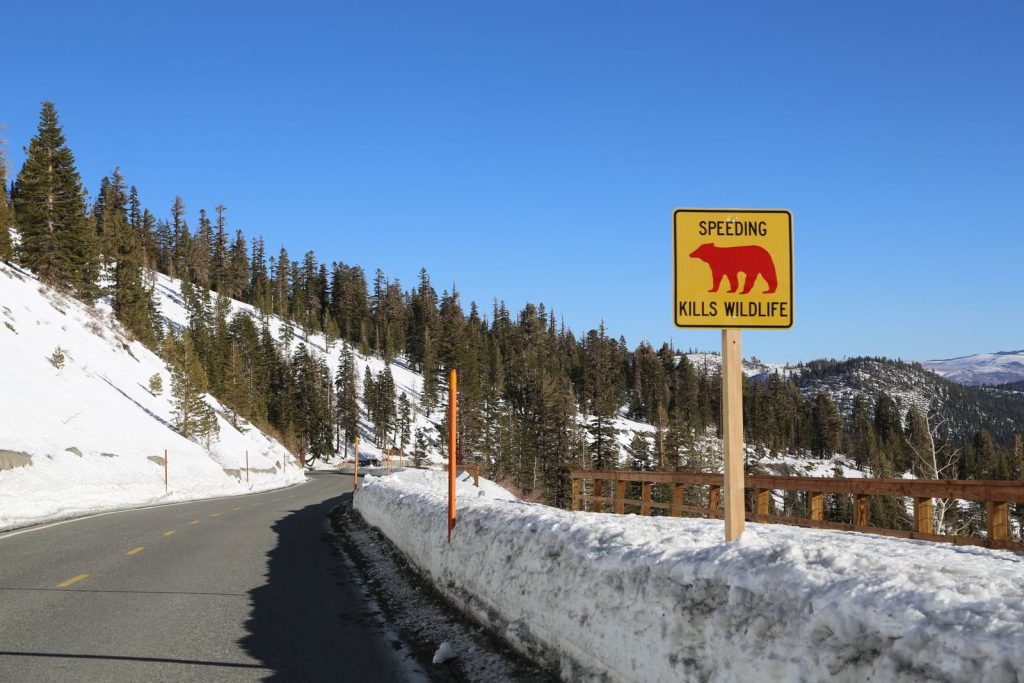
A caution sign warns drivers on a snowy mountain road in Mammoth Lakes.
Photo by laura parenti on Pexels

Official guidance says never approach, lure, pursue, or provoke a polar bear. In polar bear country, people should follow local rules, secure food, carry approved deterrents, travel with experienced guides, and maintain the greatest practical distance from every bear.

Featured Image: Photo by Dick Hoskins on Pexels
Post navigation

Previous: Rescued Sun Bear Chenrezig Climbs His First Tree
Next: Why Mongooses Can Turn a Cobra Attack Around

Related Posts

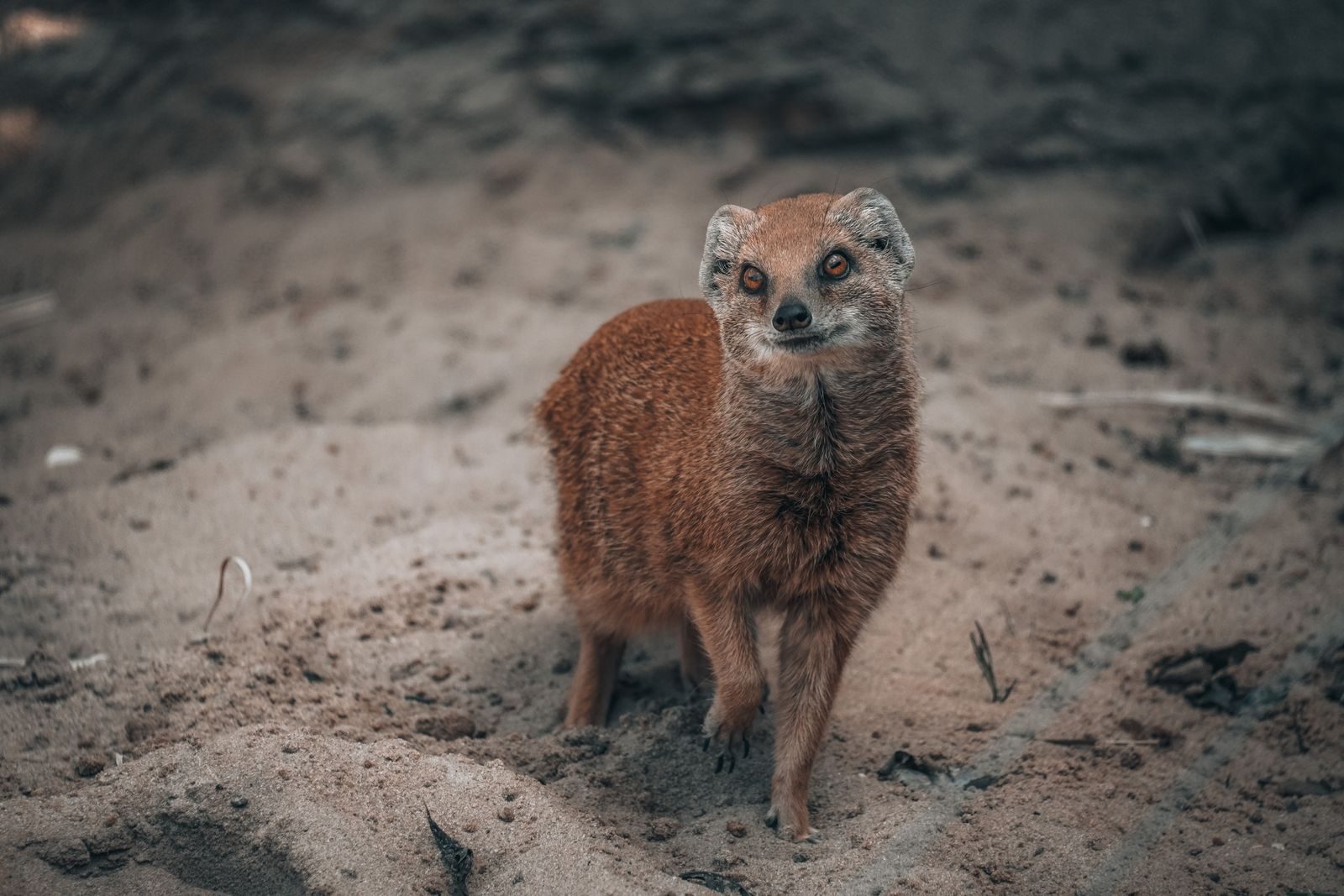
A curious yellow mongoose standing on sandy ground, exemplifying wildlife behavior.

Why Mongooses Can Turn a Cobra Attack Around

August 8, 2026August 7, 2026 Jake
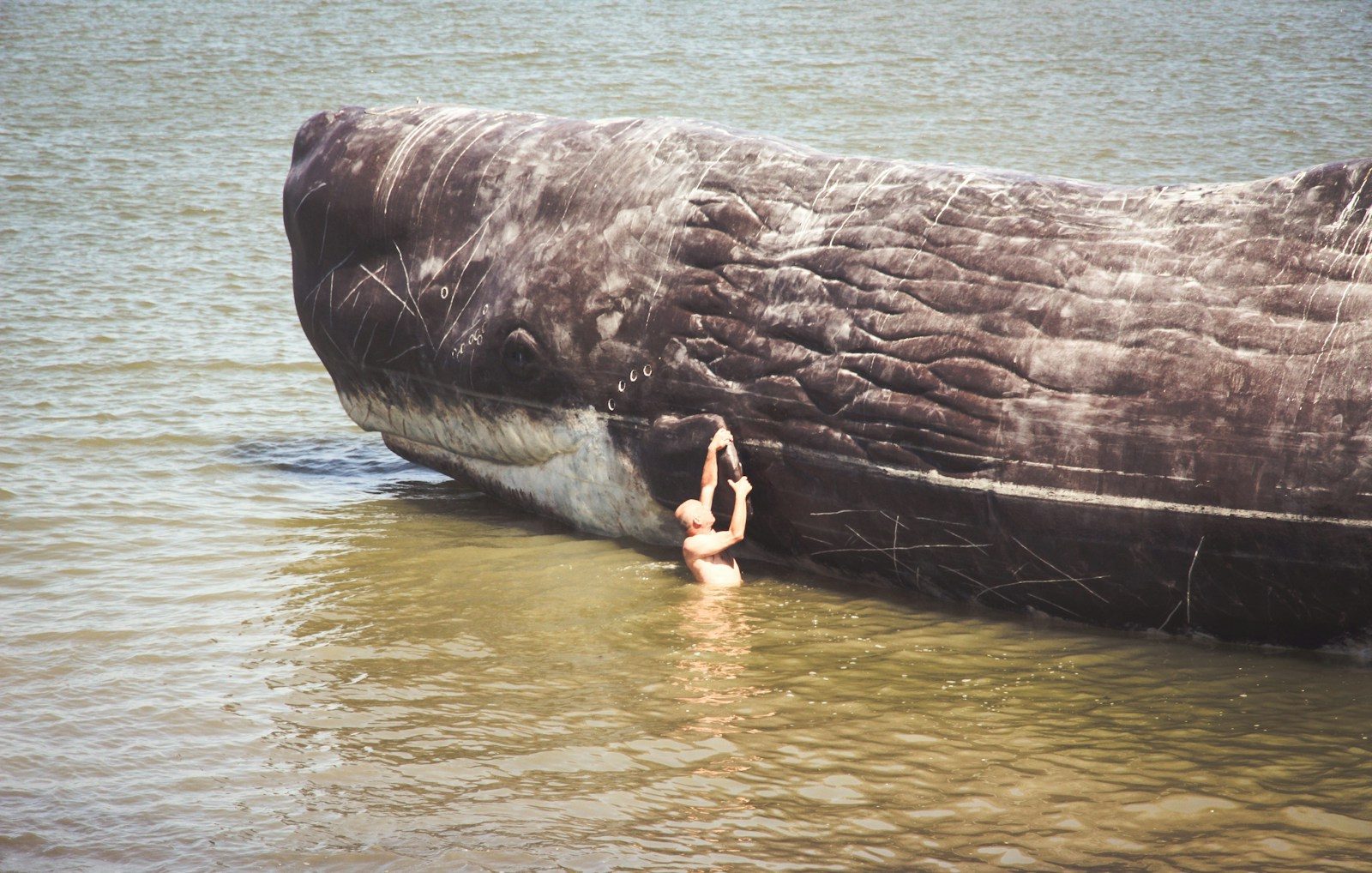
man hanging on to whale

Sperm Whales Hunt Giant Squid and Carry the Scars

August 7, 2026August 7, 2026 Jake
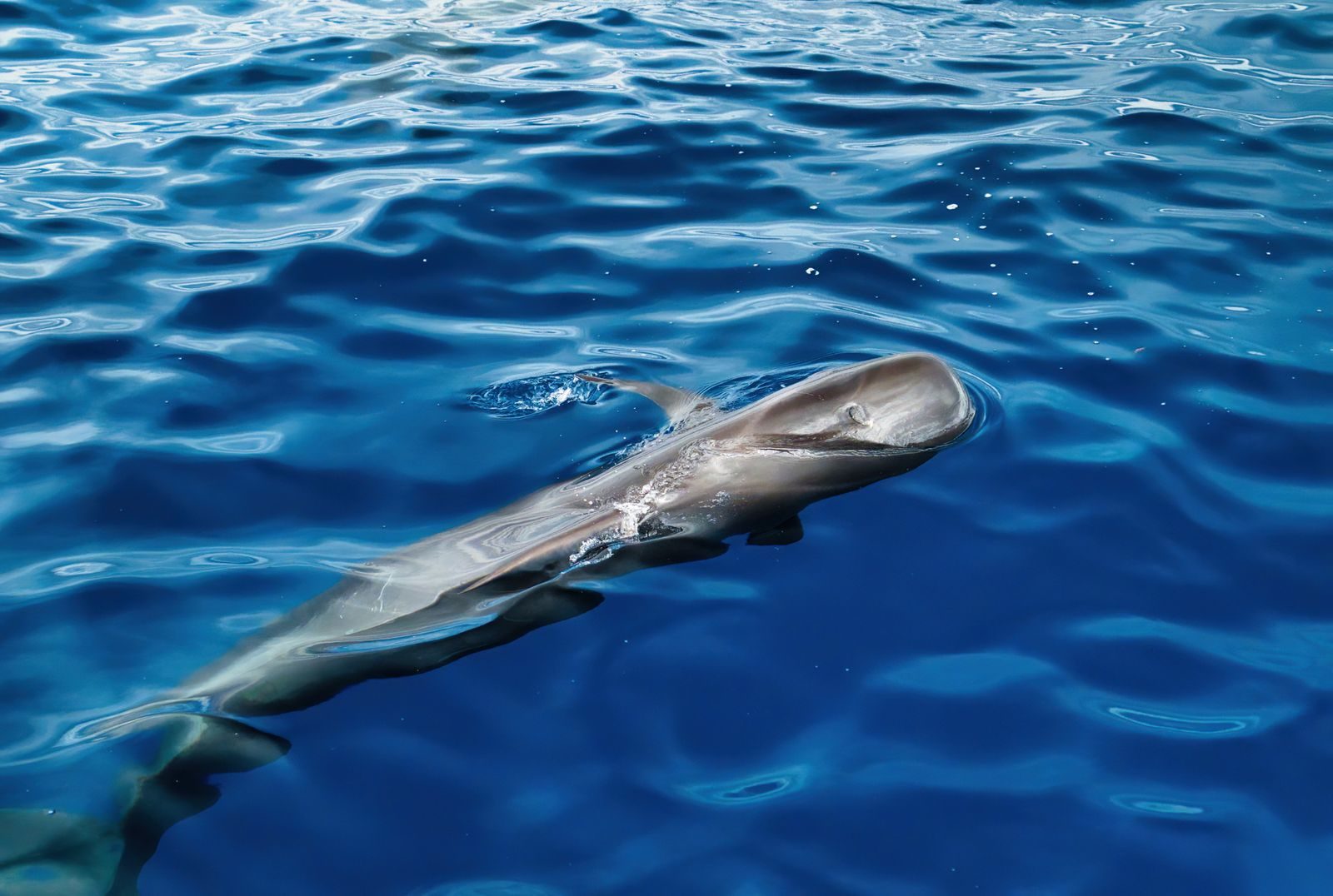
A pilot whale emerges gently in the vibrant blue ocean, showcasing nature's majestic beauty.

What Happens When a Sperm Whale Hunts a Giant Squid

August 5, 2026August 5, 2026 Jake

Leave a Reply Cancel reply

Your email address will not be published. Required fields are marked *

Recent Posts

  • Why Mongooses Can Turn a Cobra Attack Around
  • A Polar Bear Tests a Filmmaker’s Safety Pod
  • Rescued Sun Bear Chenrezig Climbs His First Tree
  • Rescued Moon Bear Berserk Finally Learns to Play
  • Sperm Whales Hunt Giant Squid and Carry the Scars
Copyright All Rights Reserved | Theme: BlockWP by Candid Themes.