Conservation discussions sometimes place honey bees and native bees on opposing sides. The reality is more complicated. Honey bees are remarkable animals, valuable agricultural pollinators, and an important part of beekeeping cultures worldwide.
Loving honey bees does not require ignoring their ecological effects. Supporting all bees means protecting native species while managing honey bee colonies responsibly and placing hives where sufficient flowers are available.
Honey Bees Still Matter
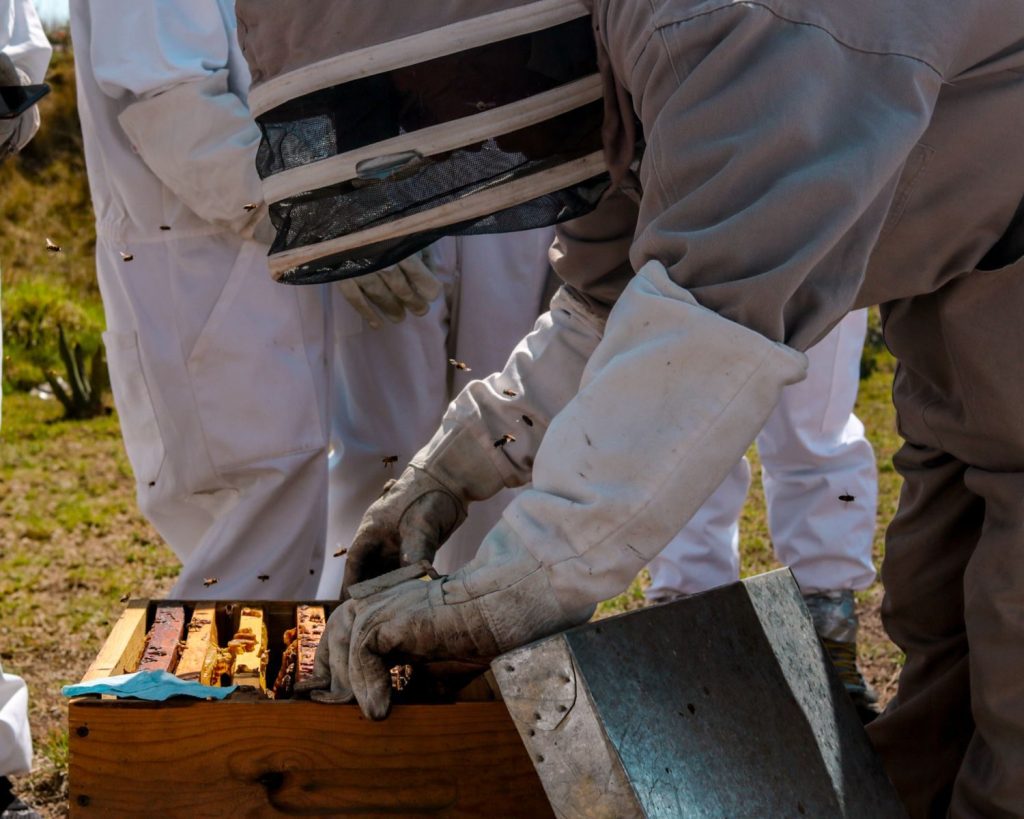
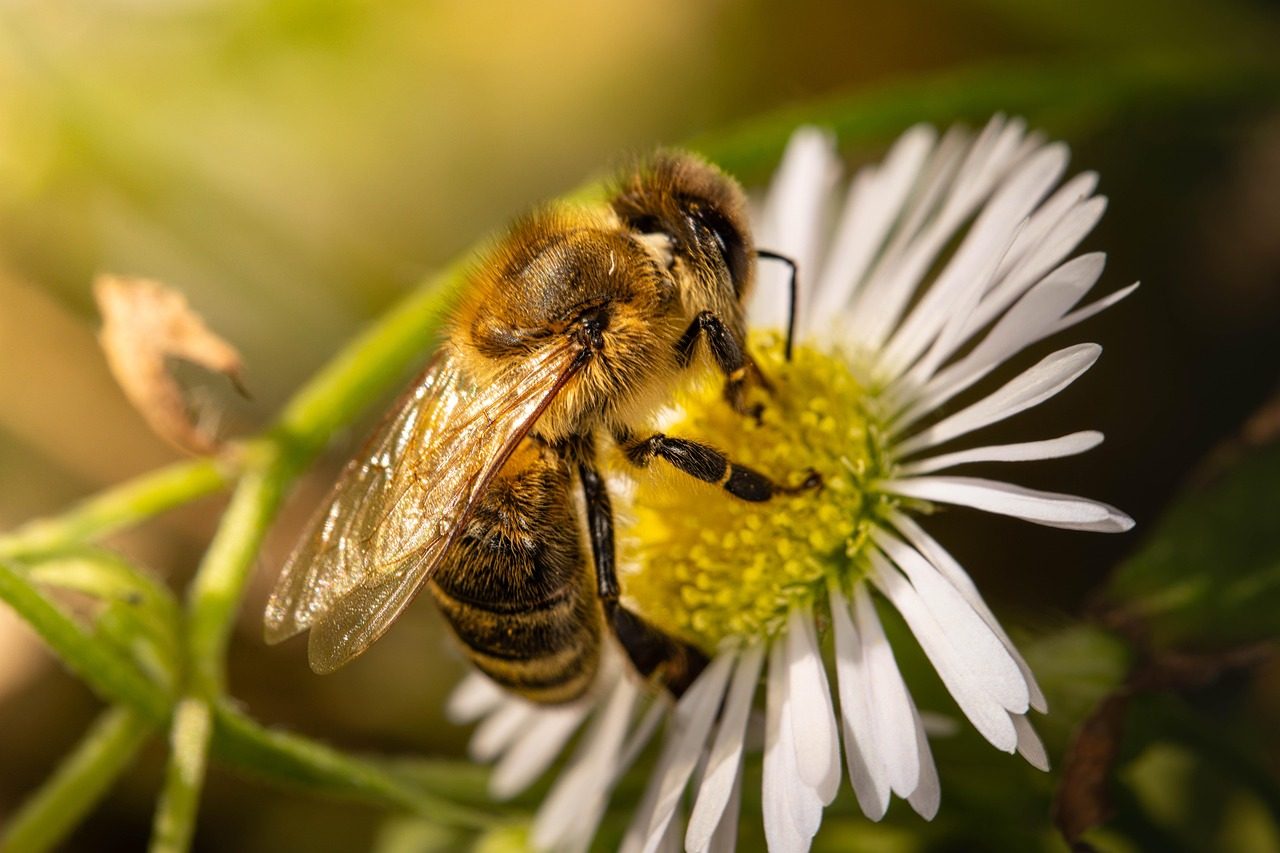
Western honey bees provide managed pollination for fruits, nuts, vegetables, and seed crops. Their colonies can be transported to farms when large numbers of pollinators are needed during a short flowering season. Honey, beeswax, and hive products also support beekeepers and rural businesses around the world.
Native Bees Matter Too
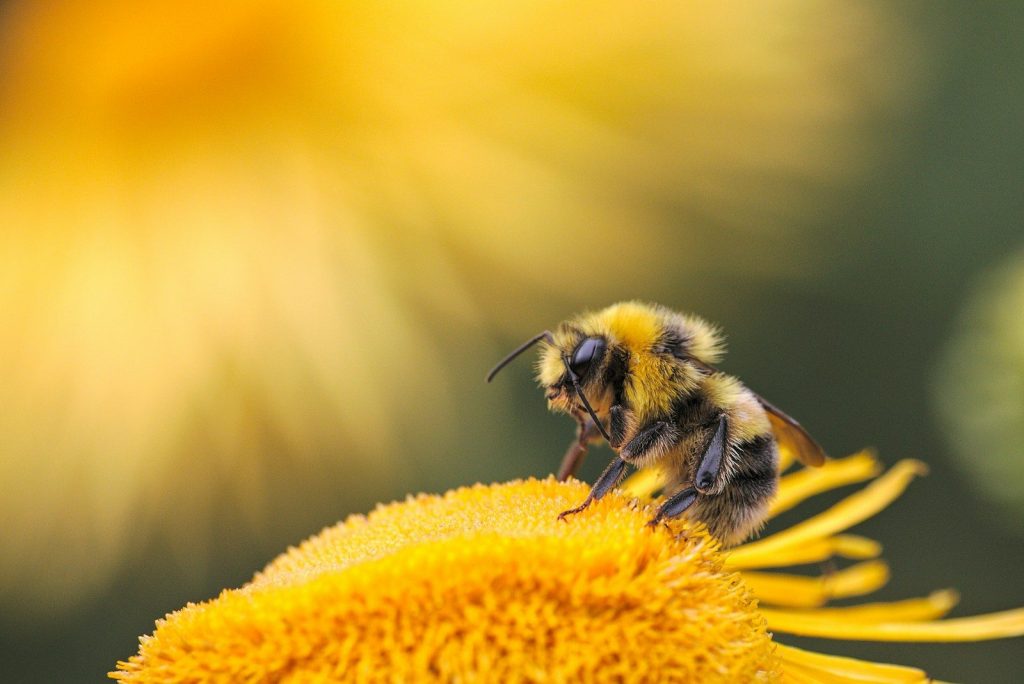
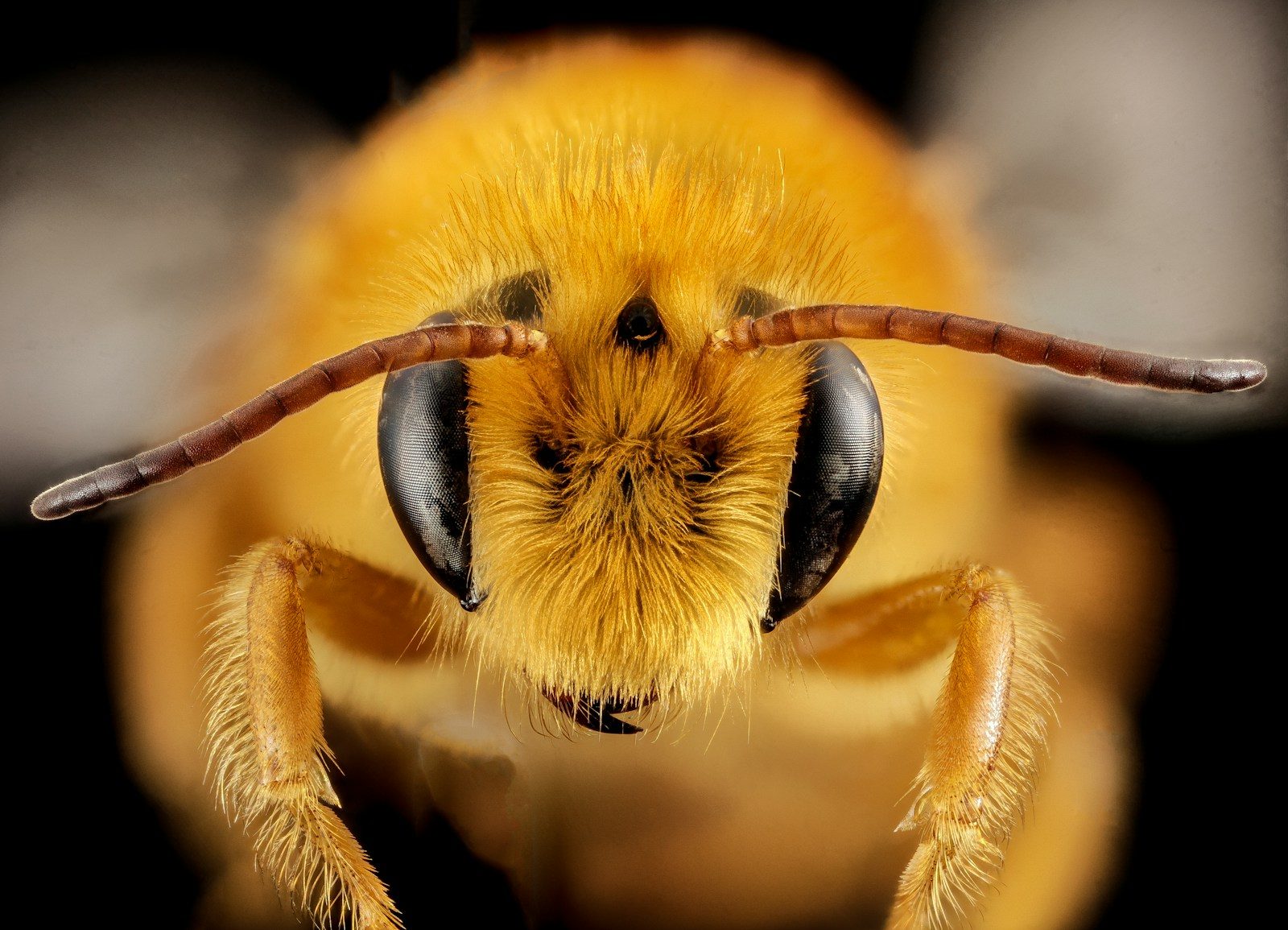
North America supports thousands of native bee species, including bumble bees, mining bees, mason bees, squash bees, and tiny sweat bees. In many crops, native bees perform much of the pollination or strengthen the service provided by honey bees. Wild plants also depend heavily on their local pollinators.
Honey Bees Are Introduced
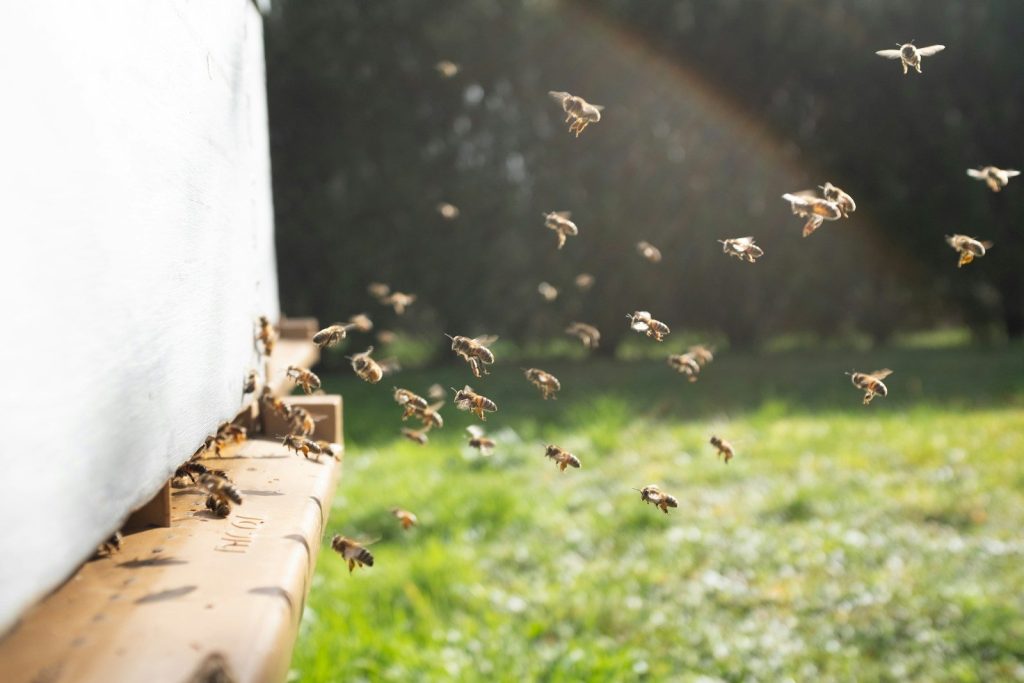
Western honey bees are native to parts of Europe, Africa, and western Asia but were brought to North America by European settlers. They are now well established and essential to modern agriculture. However, introducing additional colonies is not the same as restoring native bee populations or conserving threatened species.
Competition Depends on Location

One honey bee colony may contain tens of thousands of foragers collecting large quantities of nectar and pollen. In flower-rich farmland, those workers can provide valuable pollination. In conservation areas with limited flowers, dense hive placement may increase competition with solitary native bees that must provision their nests alone.
Diseases Can Move Between Bees
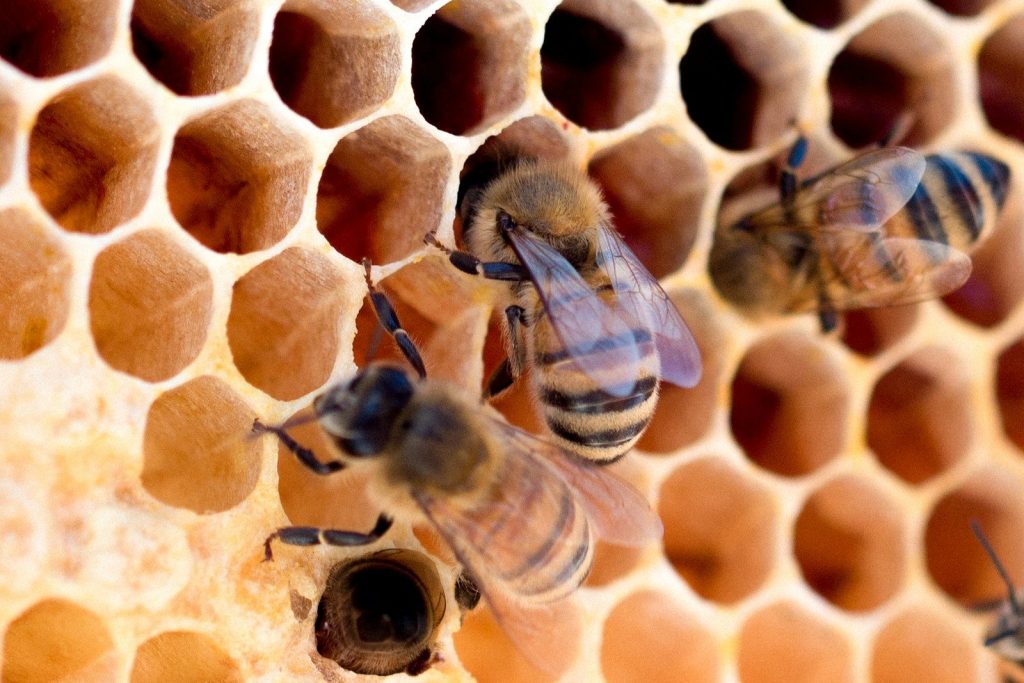
Managed honey bees can carry viruses, fungi, mites, and other pathogens. Some diseases may spread among bee species when different pollinators visit the same contaminated flowers. Keeping colonies healthy, controlling parasites, and avoiding overcrowded hive placement can reduce risks to honey bees and surrounding wild pollinators.
Beekeeping Is Not Conservation
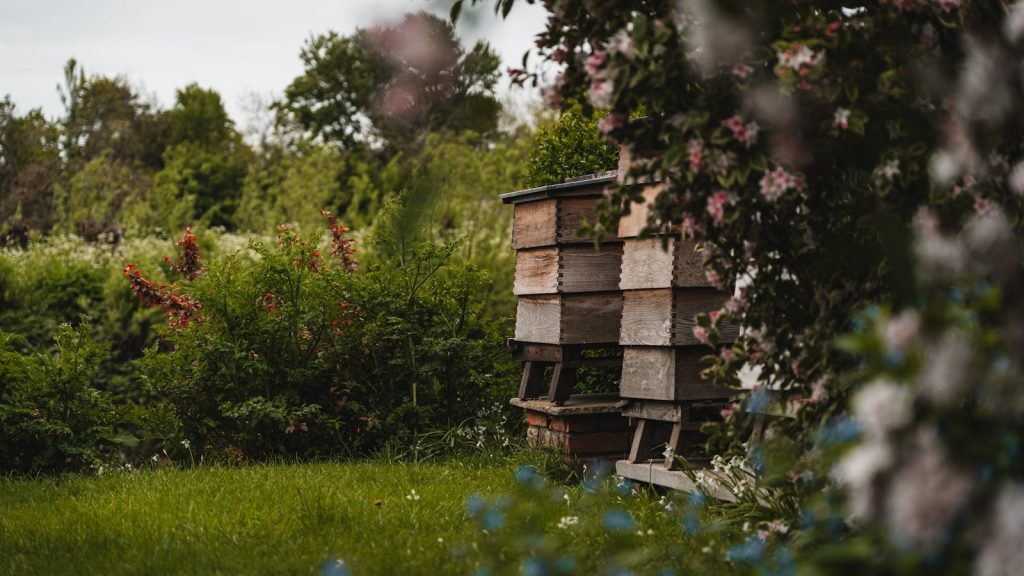
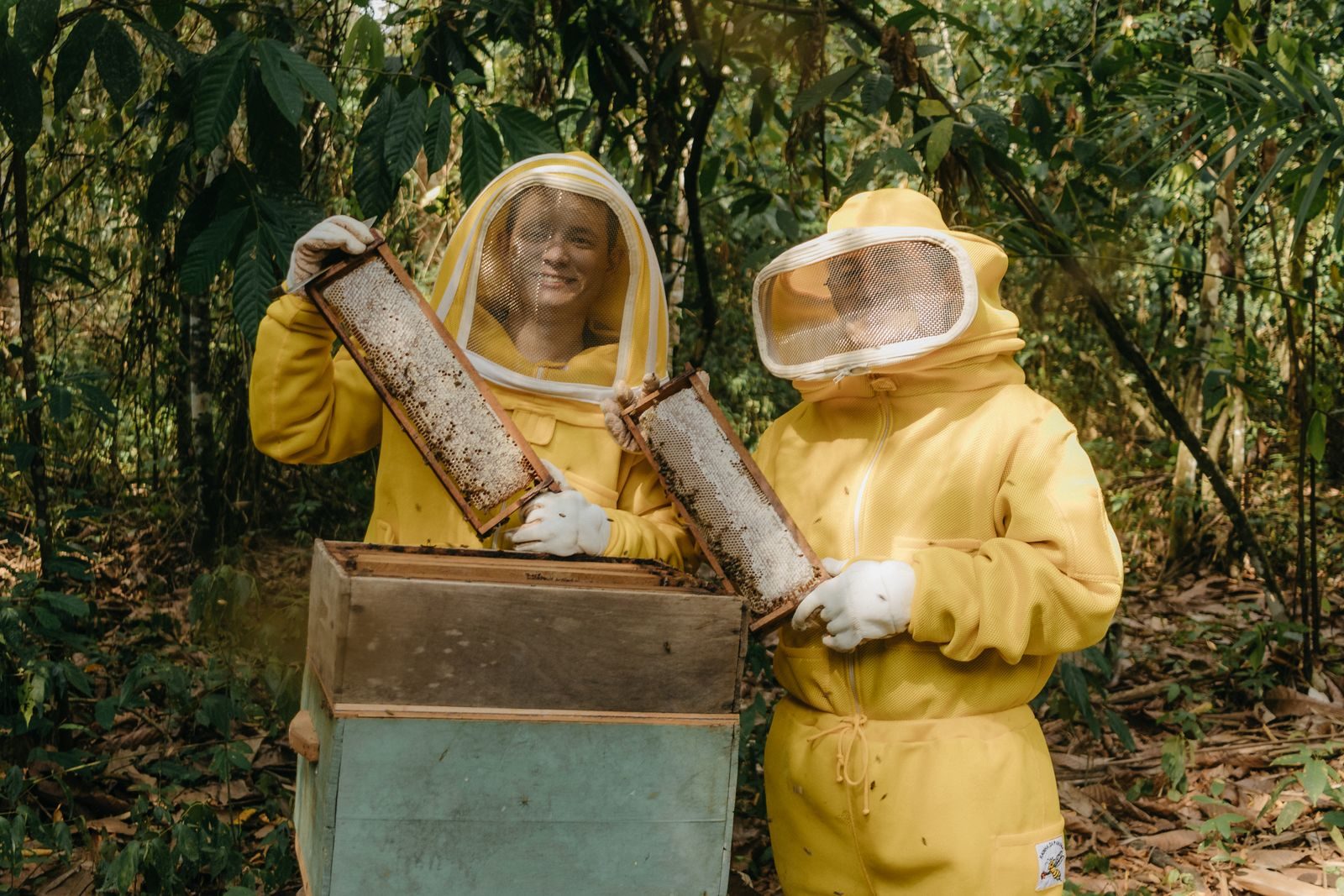
Starting a honey bee hive can be rewarding, but it does not automatically “save the bees.” Honey bees are managed livestock in many agricultural systems, while native bee conservation requires protecting wild populations and their habitats. People should begin beekeeping for informed reasons and learn proper colony management first.
Flowers Help Every Bee
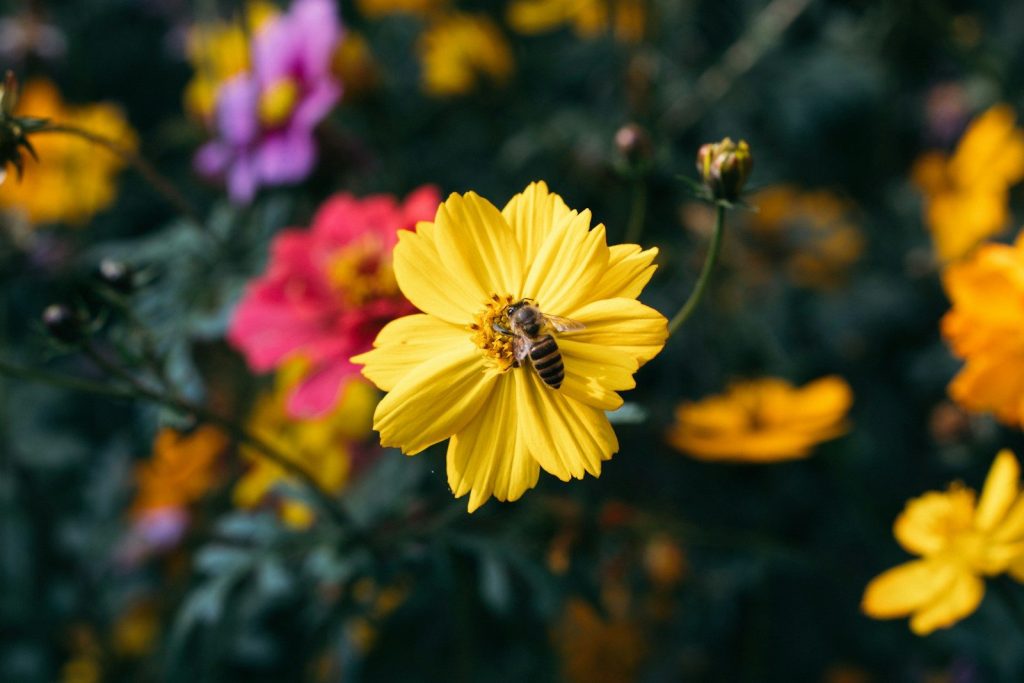
Gardens containing native flowers from early spring through autumn provide nectar and pollen for many bee species. Reducing pesticide use, leaving some bare soil, retaining hollow stems, and allowing dead wood to remain in safe places can also create nesting habitat for ground- and cavity-nesting native bees.
Love Bees Responsibly

Honey bees deserve care because they are complex social animals supporting food production and human livelihoods. Native bees deserve equal attention because they maintain diverse wild ecosystems. Responsible support means planting more flowers, protecting nests, managing hives carefully, and avoiding unnecessary colonies in sensitive natural areas.
Featured Image: Photo by Alexas Fotos on Pexels