They’re tiny, curious, and surprisingly fearless.
Across Florida, small owls are suddenly appearing in neighborhoods, golf courses, parks, and even empty lots, and many residents have no idea they’re looking at one of the state’s most unusual protected birds.
Unlike most owls that hide in trees, Florida’s burrowing owls live underground.
Now, as nesting season begins, wildlife experts are urging people to learn how to safely live alongside these quirky little predators before accidental disturbances threaten their fragile populations.
The Owl That Lives Beneath Your Feet
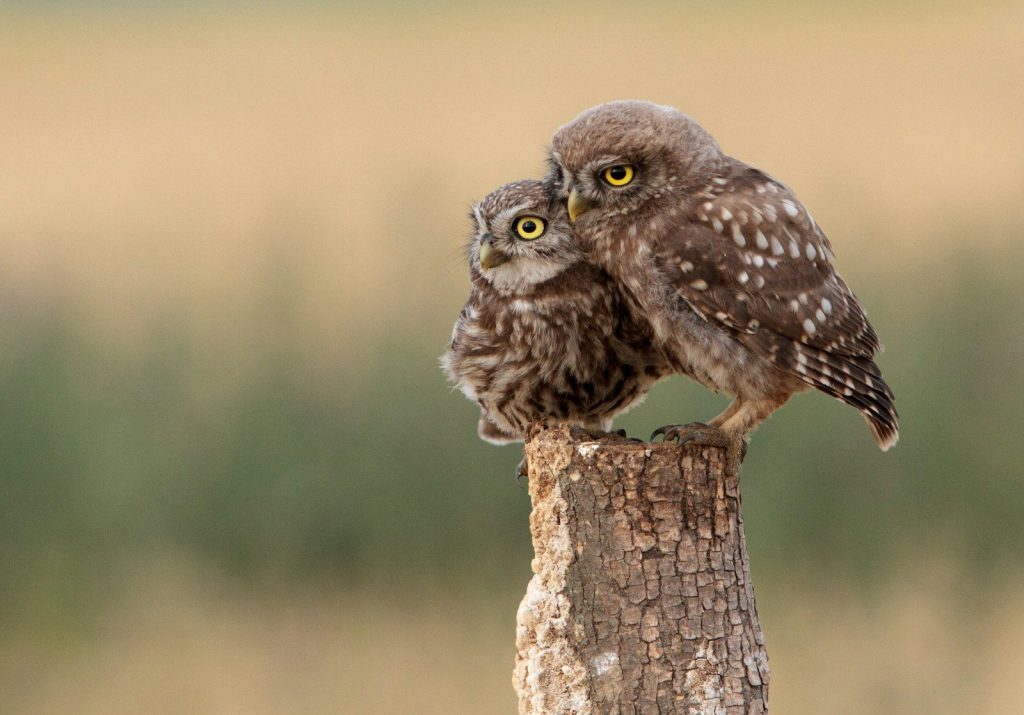
Florida’s burrowing owls are unlike almost any other owl species in North America.
Instead of nesting high above the ground, these small birds dig burrows underground or move into abandoned holes created by animals like armadillos and gopher tortoises.
Some have even adapted to modern life by nesting inside sewer drains, manholes, PVC pipes, and construction sites.
Their unusual behavior often surprises homeowners who suddenly discover tiny owls staring back at them from lawns or vacant lots.
Why They’re Suddenly Appearing Everywhere
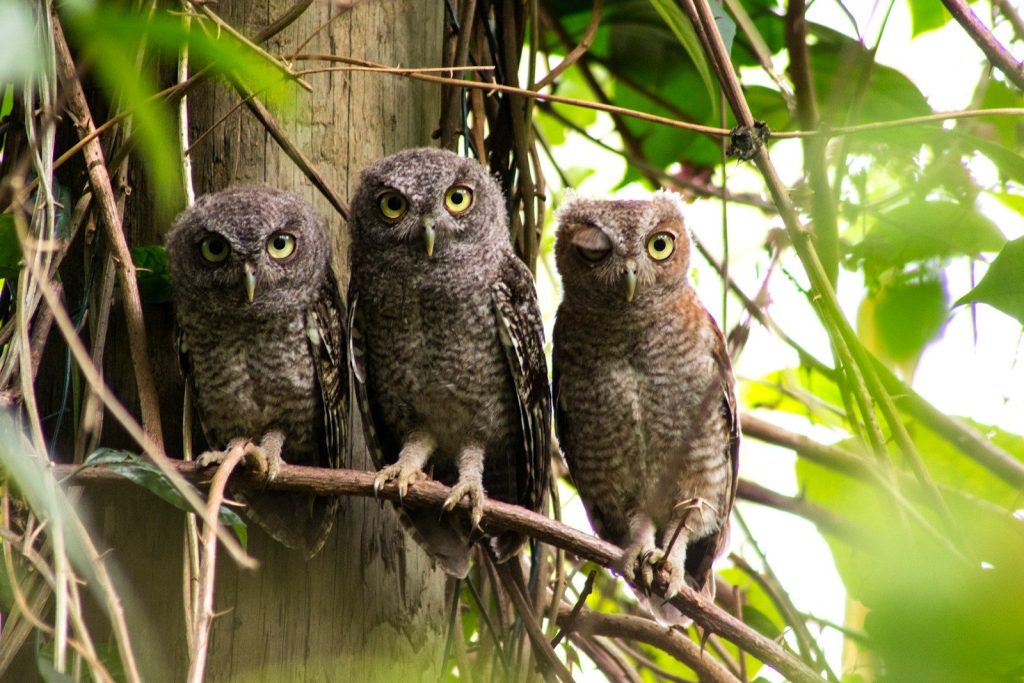
Florida’s rapid population growth is pushing wildlife closer to humans than ever before.
As neighborhoods expand into natural habitats, burrowing owls are increasingly adapting to urban areas where open land still exists. Golf courses, parks, roadside fields, and suburban lawns now provide important nesting areas for these birds.
Wildlife experts say the owls have become remarkably skilled at surviving around people, but they still face major threats from development, mowing equipment, pesticides, and domestic pets.
Tiny Birds With Big Personalities
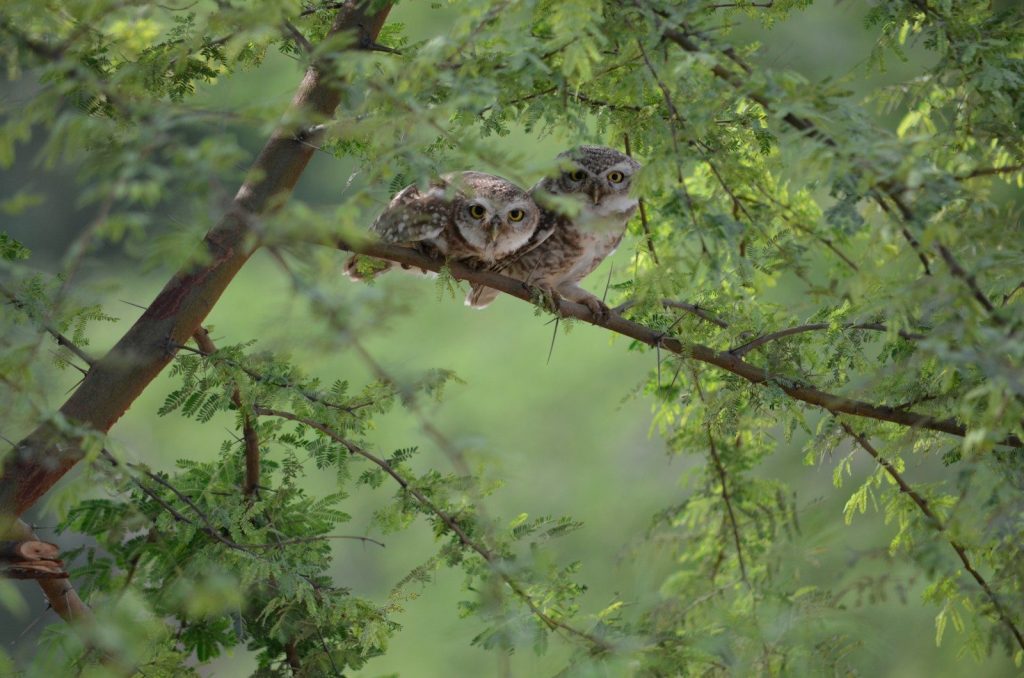
Burrowing owls may be small, but they behave very differently from typical owls.
Unlike many owl species that are active mostly at night, these birds are often seen during the daytime standing near their burrows on long legs while watching the world around them.
They can even hover briefly in midair while hunting insects and small prey, a rare behavior among owls.
Many residents quickly become attached to them because of their curious expressions and bold personalities.
The Strange Way They Decorate Their Homes
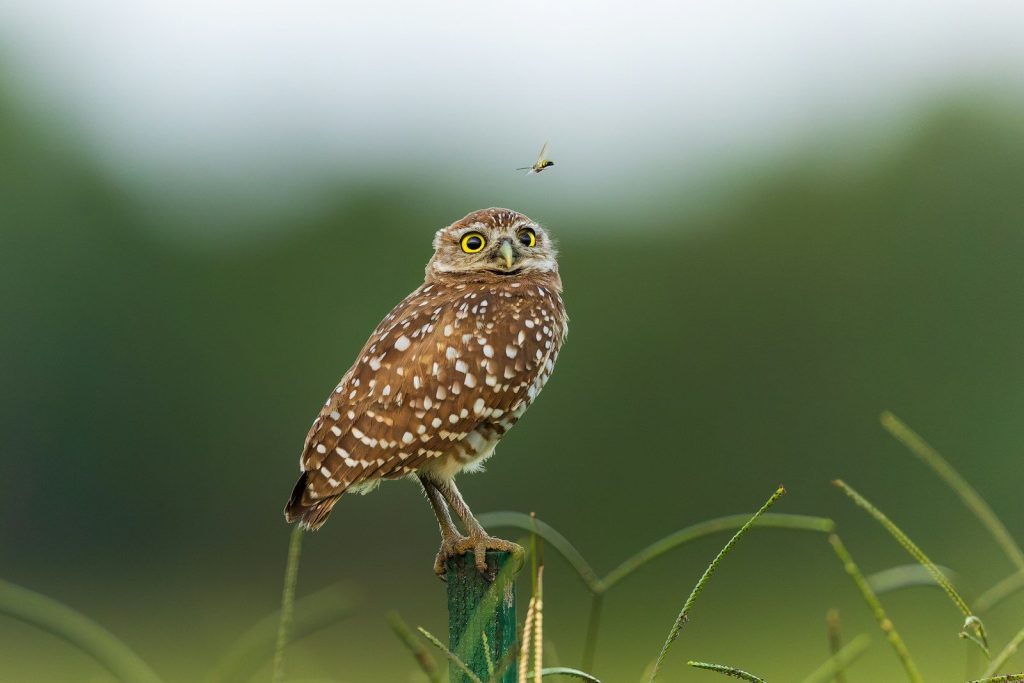
One of the most fascinating things about burrowing owls is how they decorate their burrows.
Researchers say the birds often surround the entrances with feathers, grass clippings, branches, insect parts, and random debris.
Some experts believe these materials help camouflage the nest or distract predators.
Others think the decorations may help attract insects that the owls later hunt for food.
Either way, their underground homes often look surprisingly elaborate for such tiny birds.
Baby Owls Are Starting to Appear
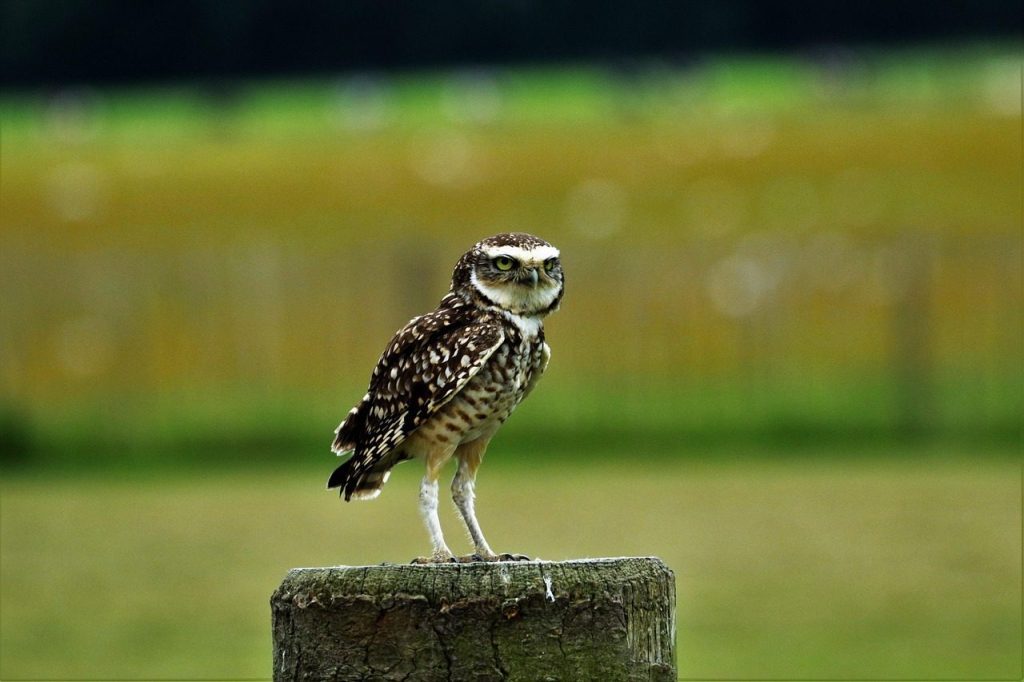
Nesting season for Florida’s burrowing owls typically begins early in the year, with breeding continuing through summer.
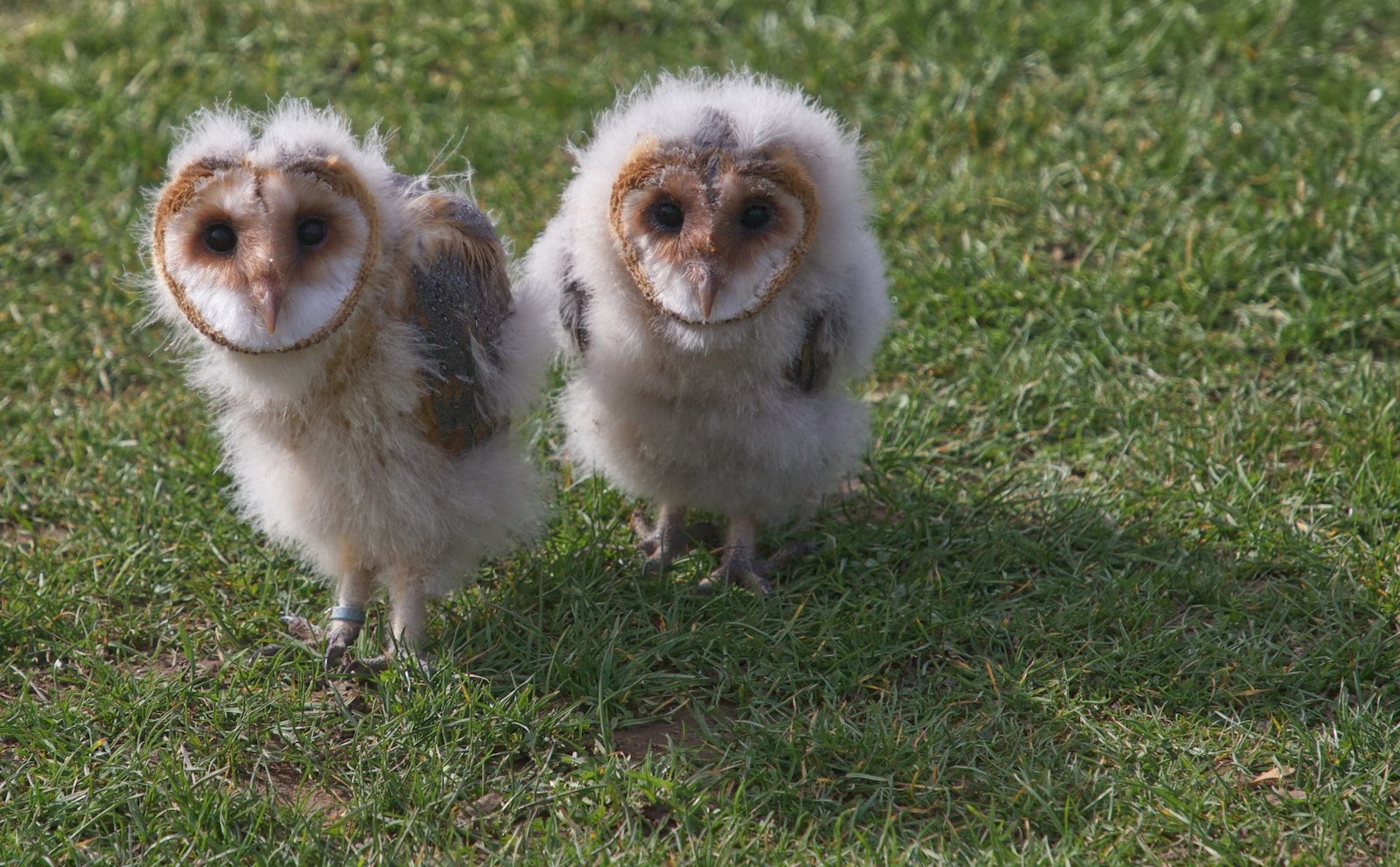
After eggs hatch, young owls emerge from underground burrows at only a few weeks old. For nearly three months, they stay close to their parents while learning survival skills before eventually becoming independent.
During this time, experts warn that human activity near burrows can accidentally place young birds at risk.
Heavy lawn equipment, construction activity, and unleashed pets are among the biggest dangers.
Why These Owls Are Protected
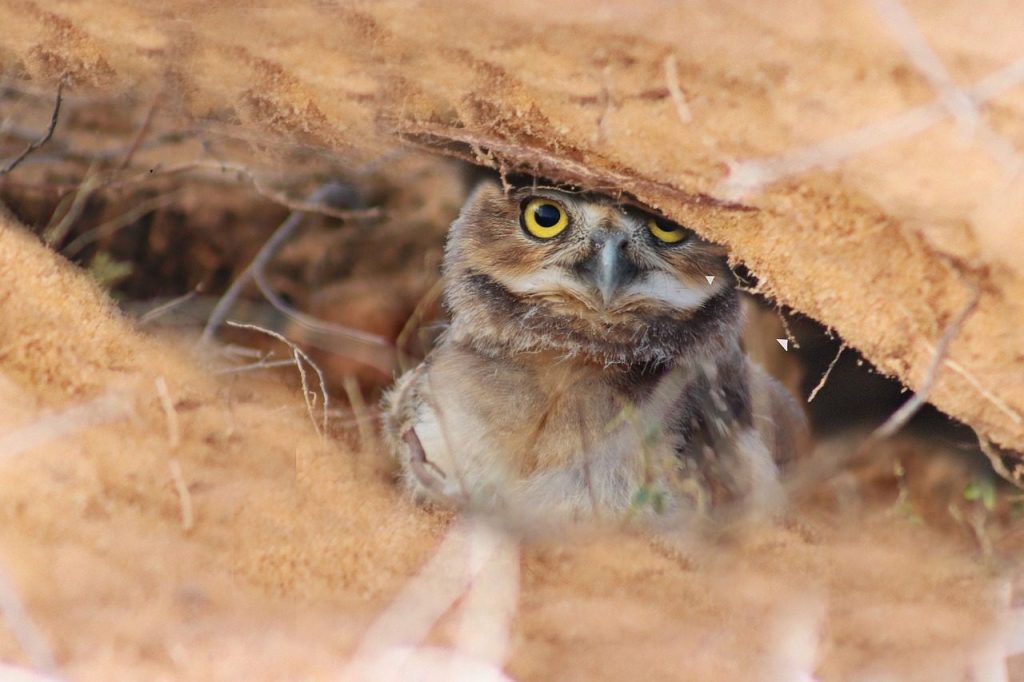
Florida burrowing owls are considered a protected species due to habitat loss and declining nesting areas in some regions.
Wildlife officials encourage residents to avoid disturbing burrows, keep grass short near nesting sites, use caution when mowing, reduce pesticide use, and keep pets away from active burrows.
Some homeowners even install simple T-shaped perches nearby to help the owls watch for predators and prey more easily.
The Tiny Survivors Adapting to Modern Florida
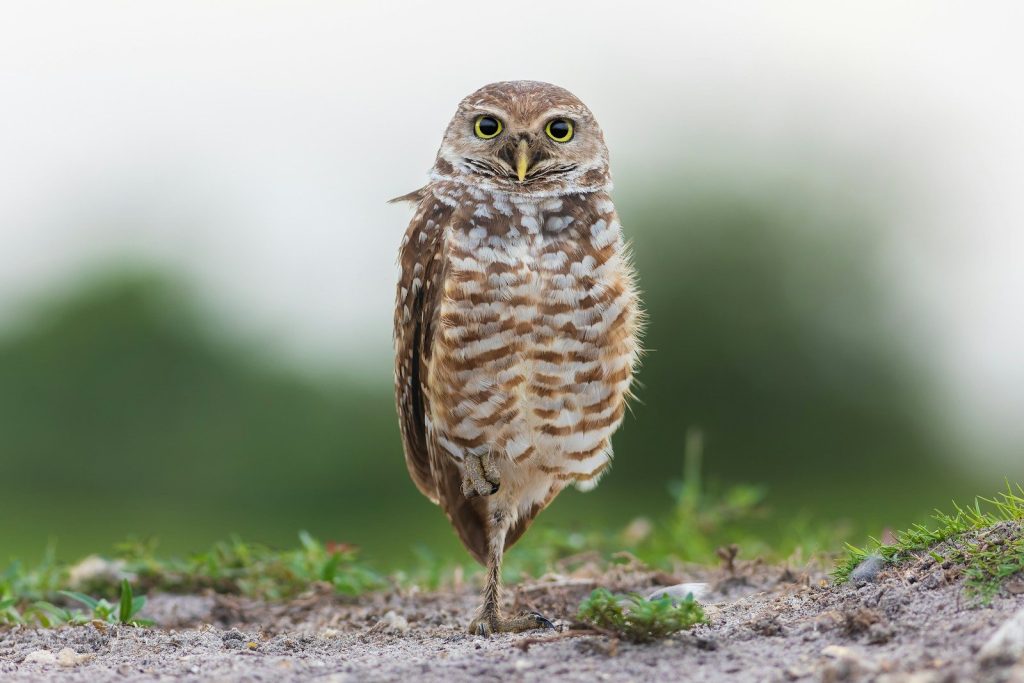
As cities continue expanding across Florida, burrowing owls are becoming one of the clearest examples of wildlife adapting to urban life.
Despite traffic, construction, and shrinking habitats, these underground owls continue finding creative ways to survive alongside humans.
And for many Floridians, spotting one standing outside its burrow has become a reminder that even in rapidly growing neighborhoods, nature is still quietly finding a way to adapt.