Beauty is subjective, so science cannot name one official list of the ocean’s most beautiful animals. Colour, symmetry, movement, camouflage, and unusual body shapes all influence what people find attractive.
These eight animals are especially memorable because their appearance also serves a practical purpose, including communication, defence, hunting, swimming, or hiding from predators.
Leafy Sea Dragon
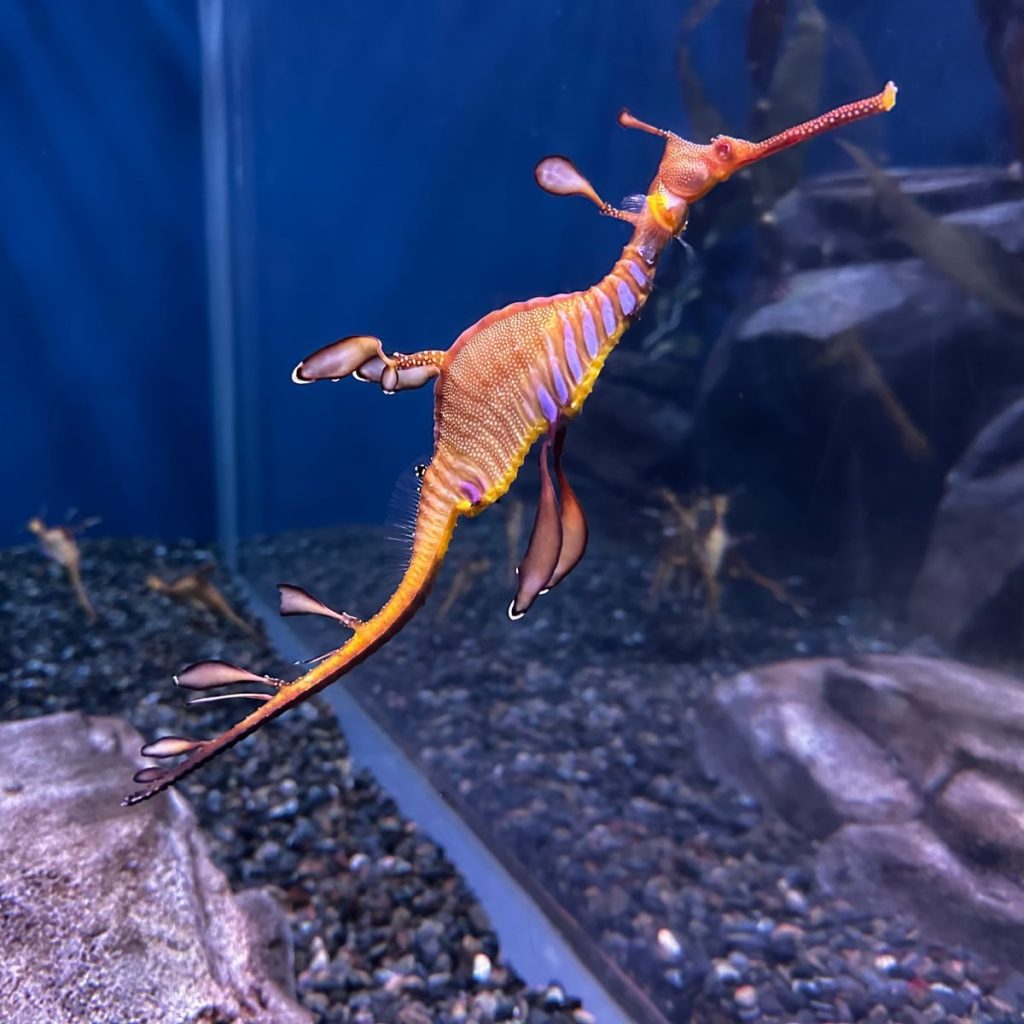
The leafy sea dragon has long, leaf-shaped extensions that resemble drifting seaweed. These projections provide camouflage rather than propulsion, helping the animal disappear among algae and seagrass. It moves using small, nearly transparent fins and captures thousands of tiny mysid shrimp with a tube-shaped mouth.
Giant Manta Ray
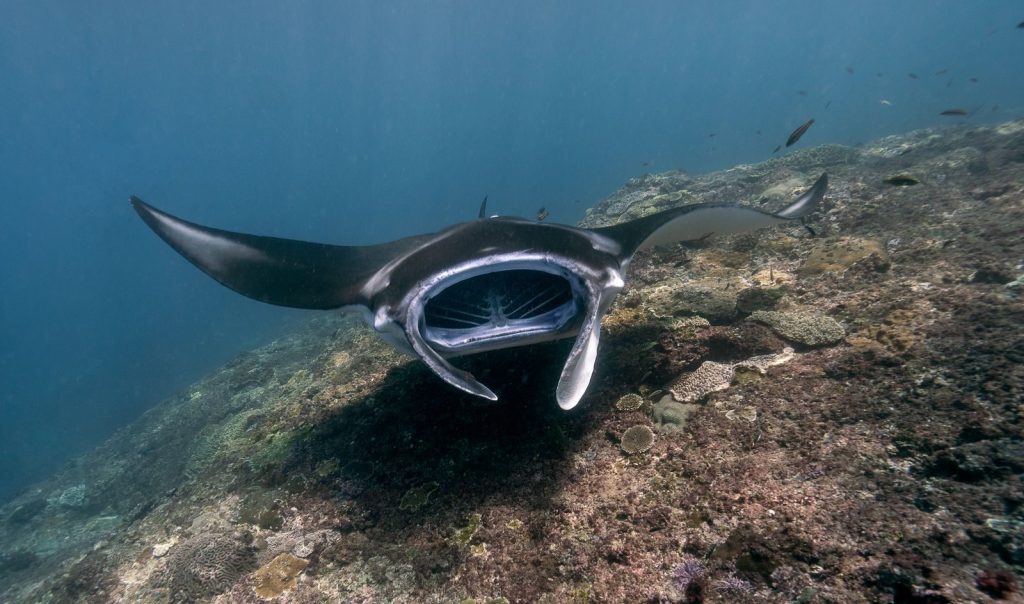
The giant manta ray is the world’s largest ray, with a wingspan reaching approximately 26 feet. Its broad fins create a slow, wing-like movement through the water, while the curled structures beside its mouth help direct plankton-rich water toward the gills. Individual mantas can be recognised from unique markings underneath their bodies.
Colorful Nudibranch
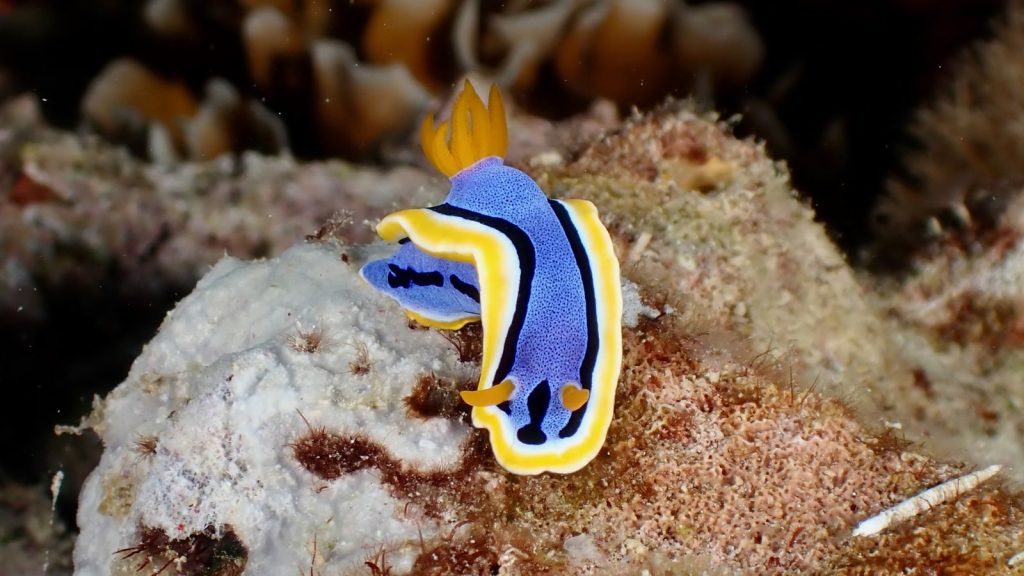
Nudibranchs are shell-less marine snails found from tropical reefs to polar waters. Around 3,000 species display an extraordinary range of colours and body shapes. Bright patterns may warn predators about toxins or stolen stinging cells, while other species use colours that closely match their food or surroundings.
Mandarinfish
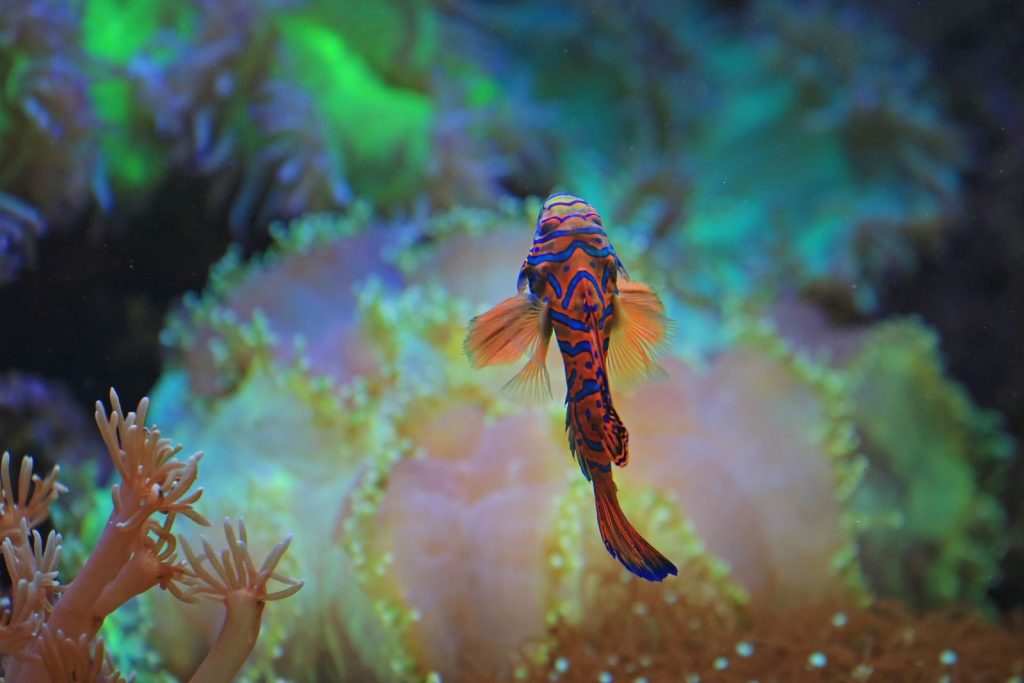
The mandarinfish is a small Pacific reef fish decorated with winding blue, green, and orange patterns. It usually reaches only about three inches in length and searches near the seabed for tiny invertebrates. Its intense colours make it popular in aquarium photography, although the species requires specialised food and suitable habitat.
Peacock Mantis Shrimp
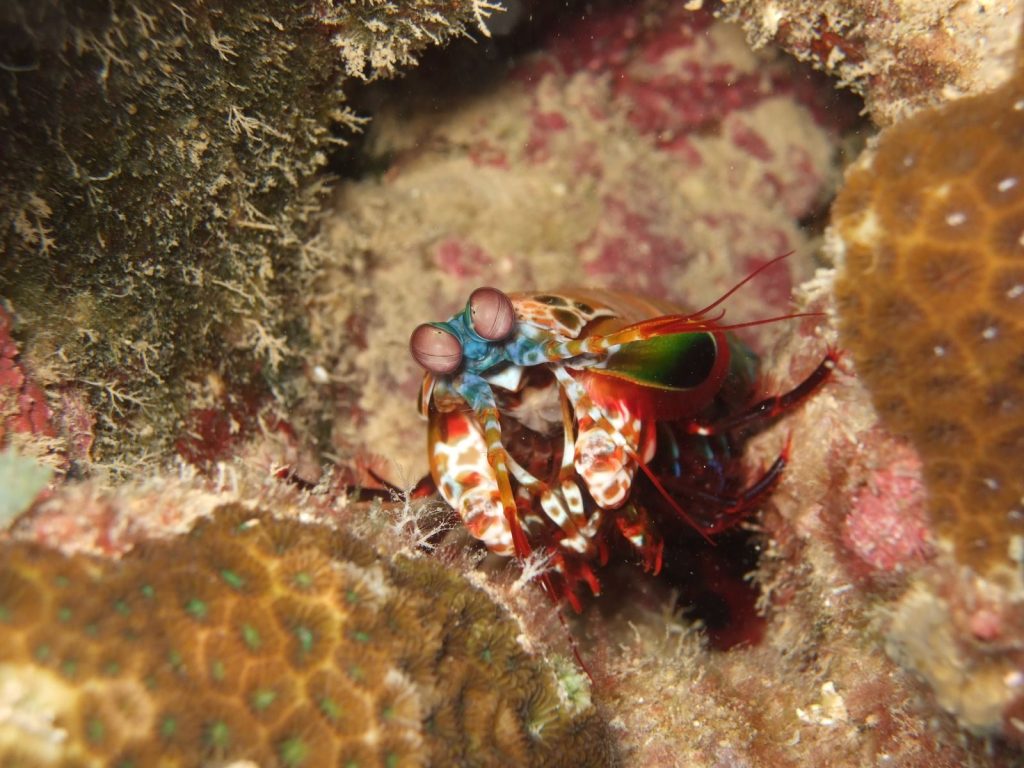
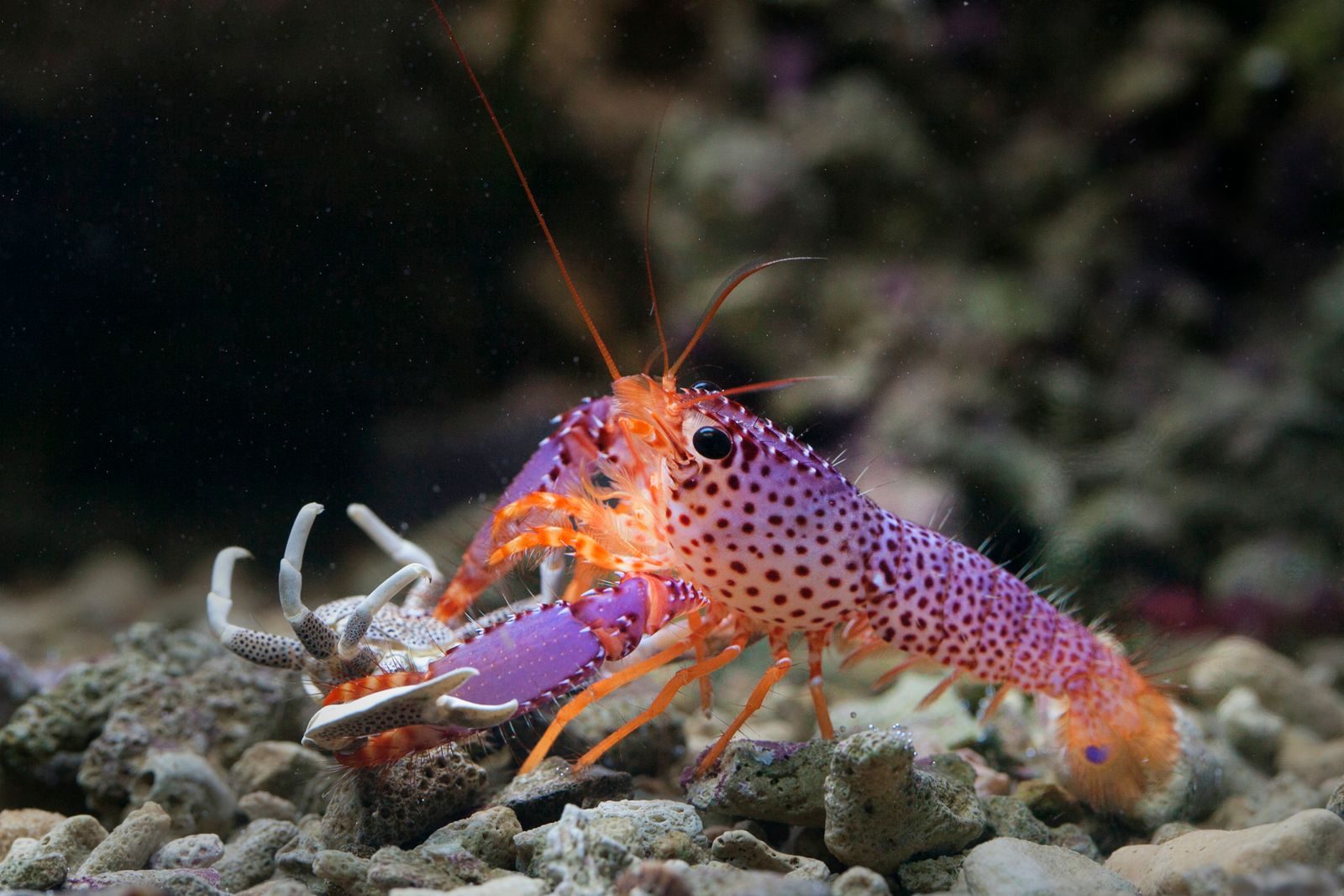
The peacock mantis shrimp combines vivid blues, greens, oranges, and reds across its armour-like body. Its appearance is matched by highly specialised eyes and powerful club-shaped limbs used to break shells. Scientists study both its visual system and the impact-resistant structure of its striking appendages.
Flamboyant Cuttlefish

The flamboyant cuttlefish produces moving bands and patches of colour across its skin. Thousands of controlled pigment cells allow the animal to change its appearance rapidly during hunting, communication, camouflage, or defensive displays. Unlike many cuttlefish, it frequently moves across the seabed using its arms and fins.
Sea Angel
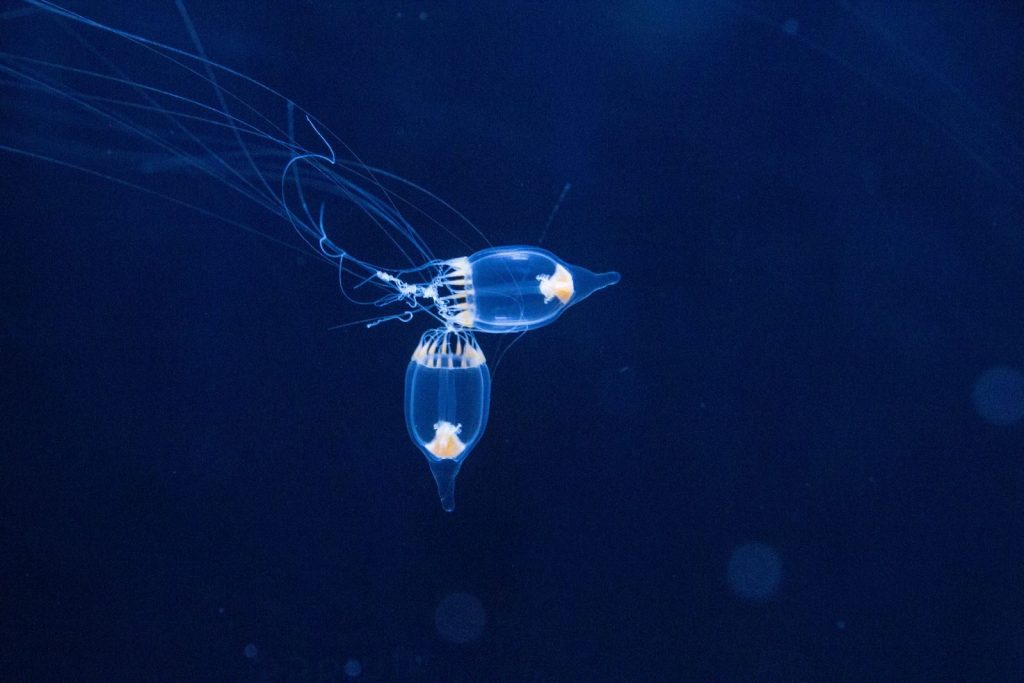
Sea angels are transparent swimming snails without shells. Their muscular feet have evolved into wing-like structures called parapodia, which flap as the animals move through open water. Their clear bodies and gentle movement create an angel-like appearance, although they are active predators that capture other small swimming snails.
Blanket Octopus

Female blanket octopuses possess long sheets of colourful tissue connecting some of their arms. When threatened, they can spread these membranes into a flowing display that may make the animal appear much larger. Females grow dramatically larger than males, creating one of the most extreme sex-based size differences among animals.
Featured Image: Photo by Jeffry Surianto on Pexels