This ranking estimates the likelihood of a sting, not the ecological value of each bee. Individual behaviour varies, and any bee sting can become a medical emergency for someone with a severe allergy.
Most yard bees are solitary and rarely defend their nests. Social species generally present a greater risk because many workers may protect the same colony. The ranking moves from the lowest likely risk to the highest.
Cuckoo and Masked Bees

Cuckoo bees place their eggs in other bees’ nests instead of collecting pollen for their own young. Masked bees, also called yellow-faced bees, usually nest in small cavities or stems. Both are solitary, and females have little reason to defend a large shared colony, making stings extremely uncommon.
Resin and Cellophane Bees
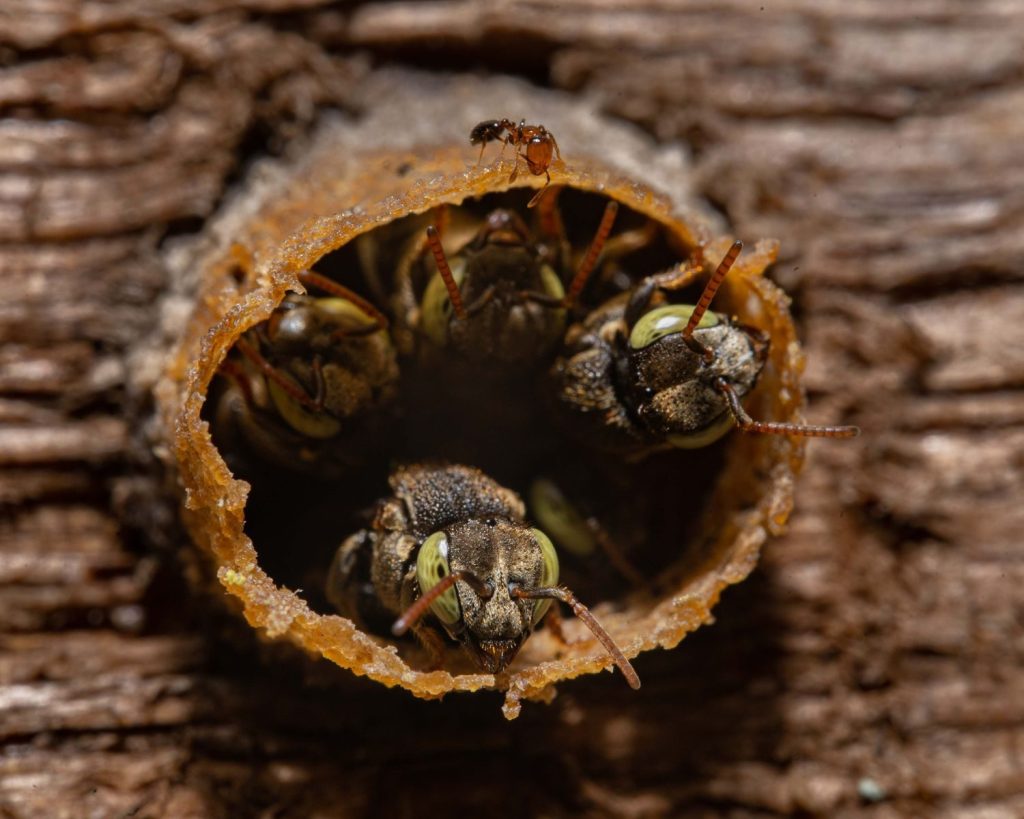
Resin bees use plant resins when building nest cells, while cellophane bees coat underground chambers with a waterproof lining. Numerous females may nest near one another, but each generally manages her own nest. Ground-nesting aggregations can look alarming, yet they usually pose only a minimal sting risk.
Mining and Sunflower Bees

Mining bees dig tunnels in well-drained soil and are often active during spring. Sunflower bees specialise in flowers from the sunflower family and may appear in gardens during summer. These solitary pollinators are normally docile, and females generally sting only when squeezed, stepped on, or physically handled.
Squash and Blueberry Bees
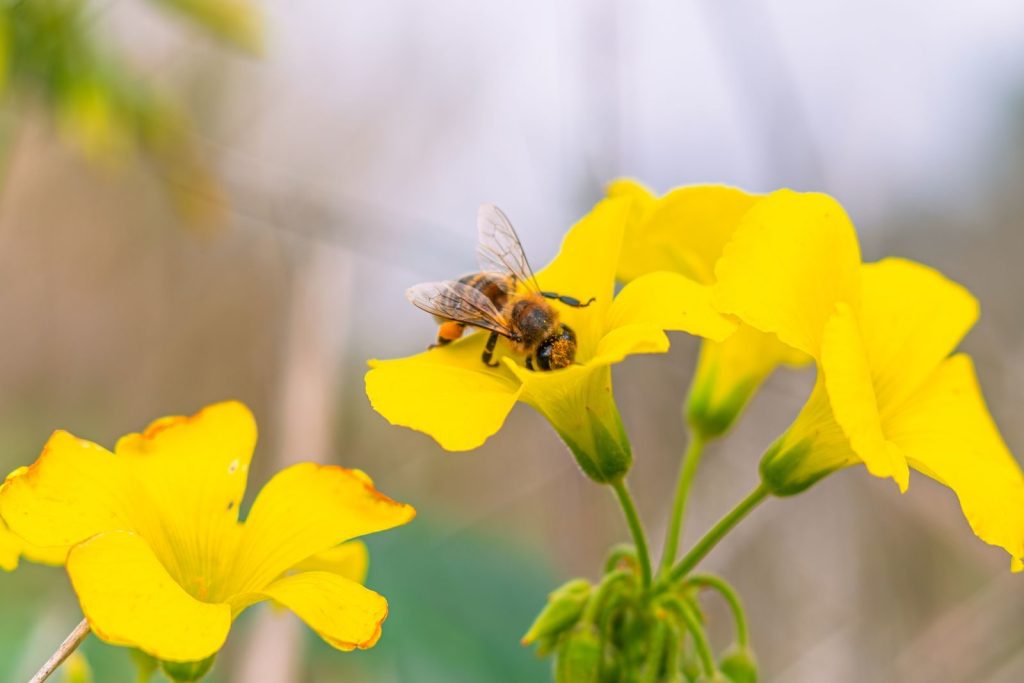
Squash bees enter pumpkin, cucumber, and squash flowers early in the morning, while southeastern blueberry bees specialise in vibrating blueberry blossoms. Both are valuable crop pollinators and concentrate on finding pollen and mates. They rarely threaten people unless accidentally trapped against the skin or disturbed directly.
Mason and Leafcutter Bees

Mason bees seal nest cells with mud, while leafcutter bees use neatly cut pieces of leaves. Both commonly nest in hollow stems, natural holes, or bee hotels. Females can sting, but they are nonaggressive. Leafcutter stings are described as mild and usually occur only during handling.
Long-Horned and Small Carpenter Bees
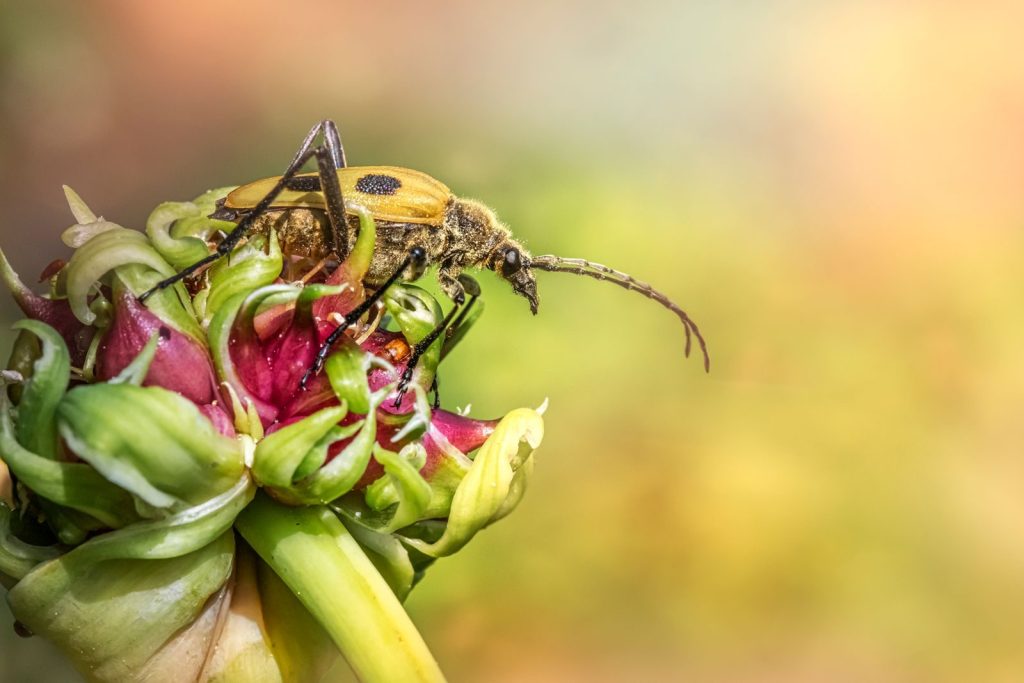
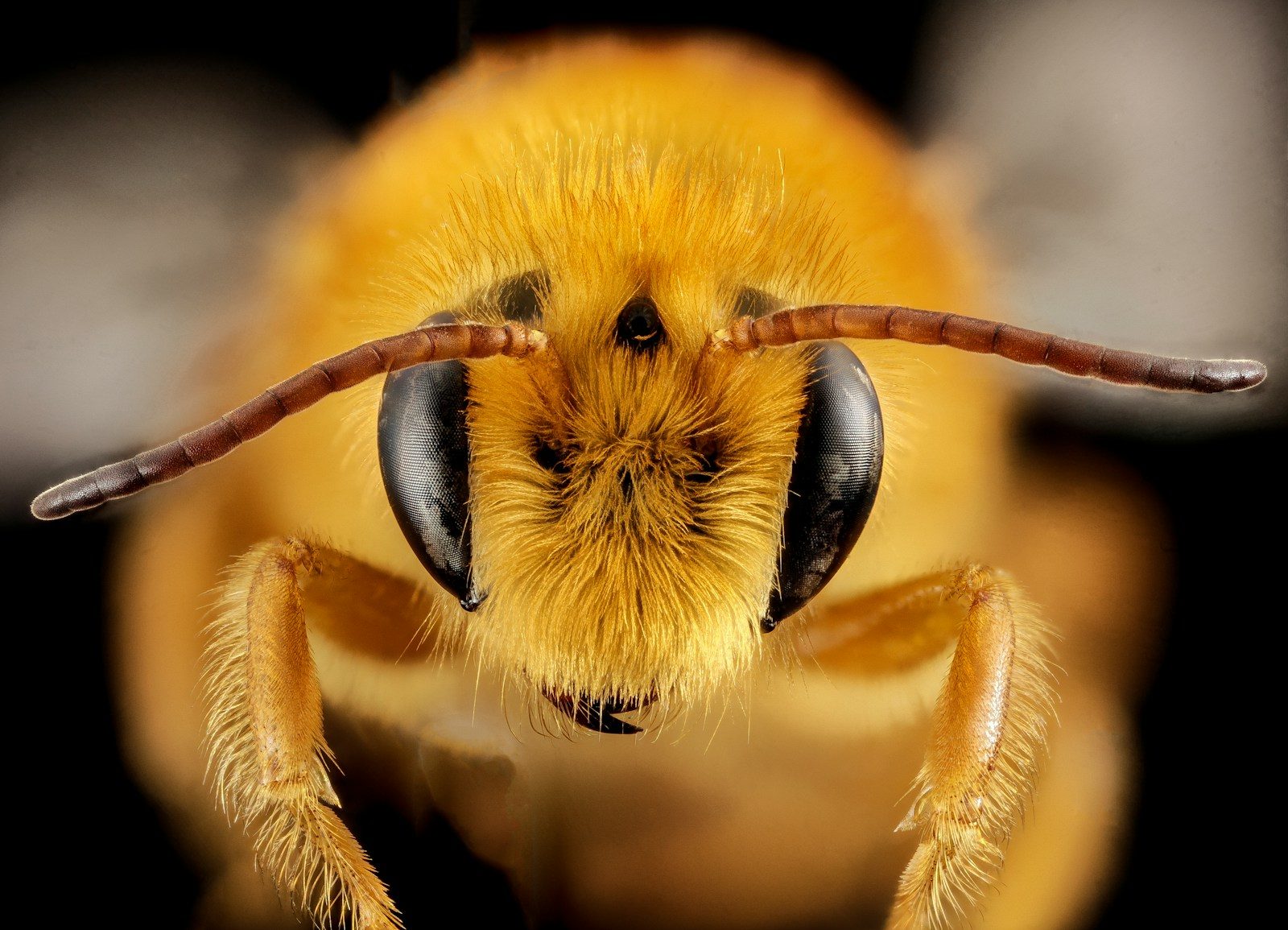
Male long-horned bees are named for their unusually long antennae and may patrol flowers while searching for females. Small carpenter bees excavate soft, pithy stems. These bees generally live alone or in small groups, so defensive stinging is uncommon compared with colony-forming species.
Wool Carder and Sweat Bees
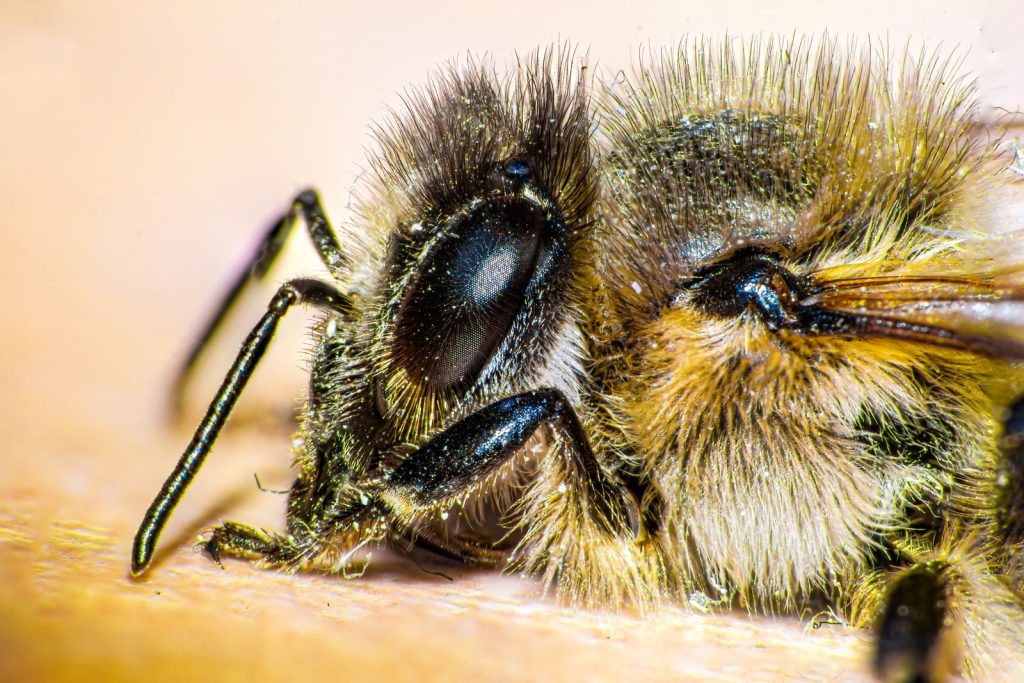
Male wool carder bees may aggressively chase insects from flower patches, but males cannot sting. Females can sting if handled. Sweat bees sometimes land on people to drink perspiration and may sting when trapped inside clothing, between fingers, or in the bend of an arm.
Carpenter and Bumble Bees
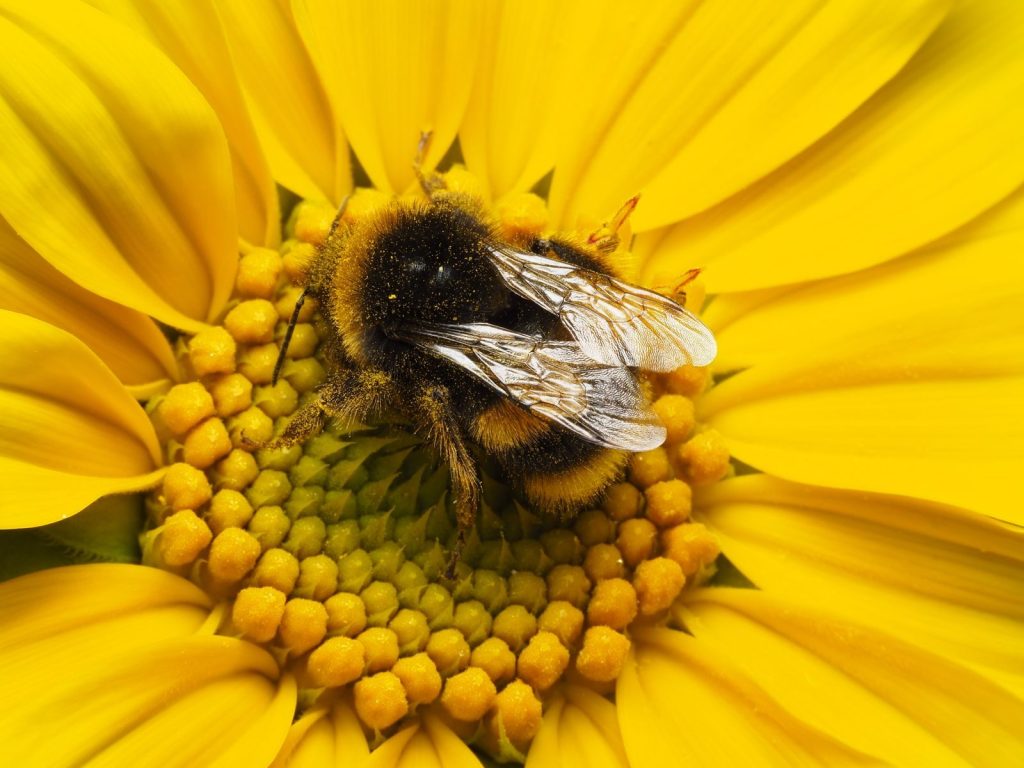
Male large carpenter bees hover near people but cannot sting; females can sting and usually require strong provocation. Bumble bees are generally peaceful while feeding, but workers and queens can sting repeatedly when their nest is disturbed, stepped on, or exposed during gardening.
Honey Bees
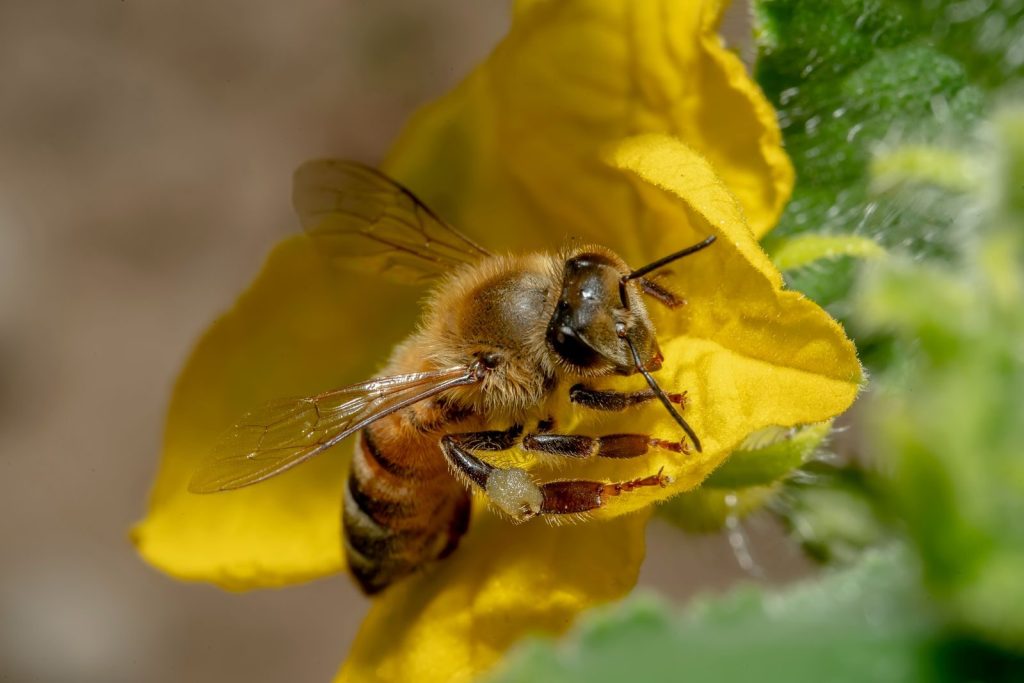
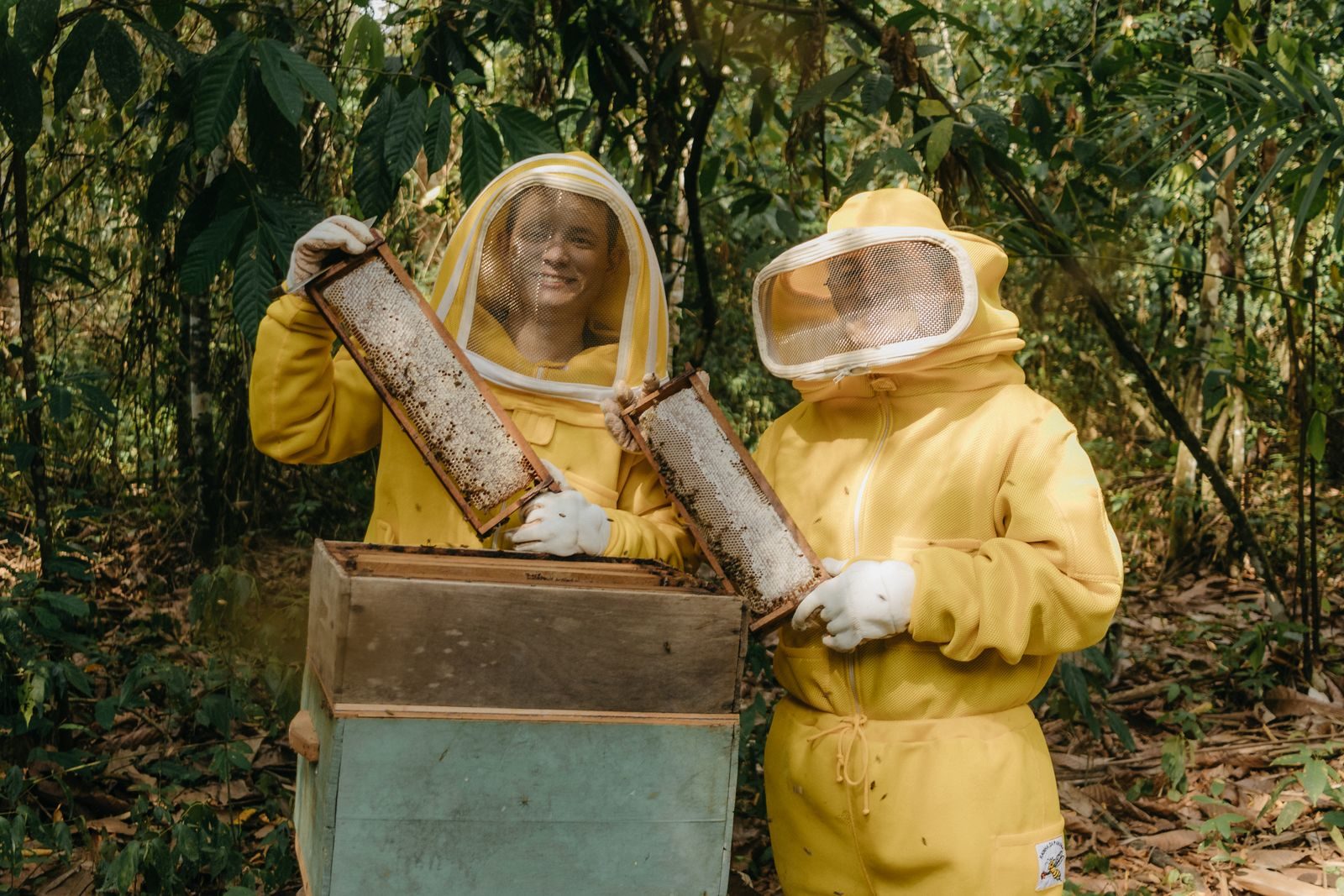
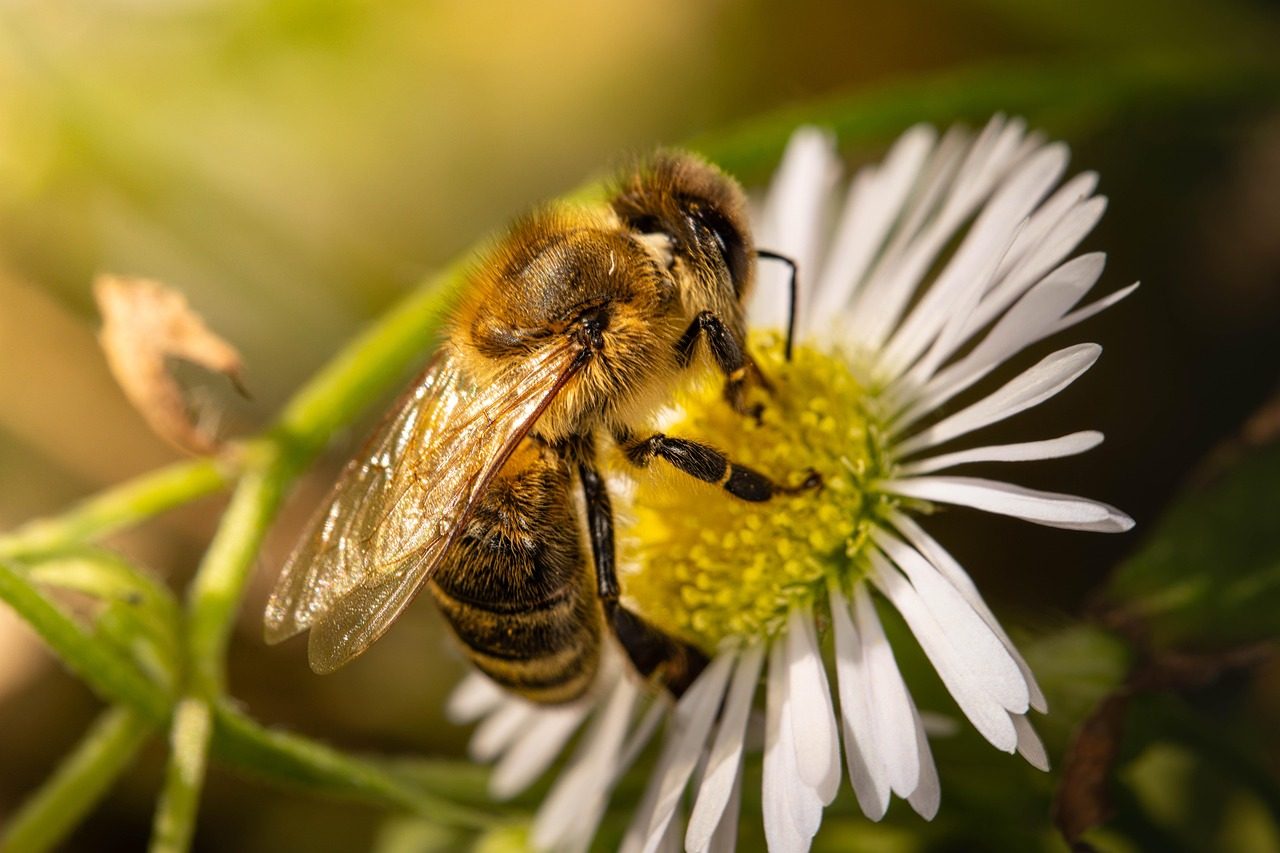
A lone honey bee gathering nectar is unlikely to attack. Risk increases close to a colony because thousands of workers protect stored honey and develop young. Workers leave their barbed stingers in mammalian skin, and multiple stings or a severe allergic reaction can require immediate medical attention.