Royal jelly is central to queen development, but describing it as a single magical substance that switches an ordinary larva into a queen oversimplifies the biology. Queen development involves the entire feeding and rearing environment.
Diet quantity and composition, larval age, specialized queen cells, gene regulation, developmental pathways, and the care provided by nurse bees all contribute to producing the radically different queen phenotype from a female honey bee larva.
Female Honey Bee Larvae

Queens and workers are both female honey bees. In ordinary colony development, their dramatically different adult bodies are not produced by having separate “queen genes” and “worker genes.” Instead, developmental conditions send female larvae down different biological pathways.
A queen develops large functional ovaries and becomes specialized for reproduction, while workers develop anatomy and behavior suited to colony tasks such as nursing, building comb, guarding, and foraging. The difference demonstrates how strongly nutrition and gene regulation can reshape development.
Young Queen Larvae

When a colony needs a new queen, workers select very young female larvae for queen rearing. This matters because developmental potential changes quickly as a larva grows and receives a particular feeding regime.
In emergency queen production, workers can begin modifying cells around young worker-destined larvae after the existing queen is lost. Queen production therefore depends not only on what larvae eat but also on which larvae workers choose and how early that alternative developmental program begins.
Royal Jelly

Queen-destined larvae receive abundant glandular food commonly called royal jelly. Sustained access to this rich diet is strongly associated with the development of queen characteristics, including greatly enlarged reproductive organs compared with workers.
The important point is that researchers increasingly describe caste development as a nutritional system rather than the effect of one mysterious “queen-making” molecule. Attempts to identify a single universal master ingredient have produced a more complicated scientific picture than the popular royal-jelly story suggests.
Worker Larval Food

Worker-destined larvae experience a different nutritional environment. Research published in Science Advances found that plant-derived p-coumaric acid, introduced through honey and beebread in worker food, can alter caste-associated gene expression and reduce ovary development.
This helped scientists reconsider the question. Queen development may depend partly on what queen larvae avoid, not simply on an extra substance they receive. Differences in diet composition can influence developmental signals, making the queen-worker divide a product of contrasting nutritional environments.
Queen Bee Cell

Queen larvae are also reared in distinctive elongated cells rather than the normal horizontal worker cells. The larger, downward-facing queen cells provide space for the developing queen’s longer body and are easily recognizable on a honeycomb.
Cell construction does not independently transform a larva into a queen, but it is part of the colony’s coordinated queen-rearing process. Workers build or enlarge these cells, feed the selected larvae intensively, and maintain them until the developing queens pupate and eventually emerge.
Queen Gene Regulation
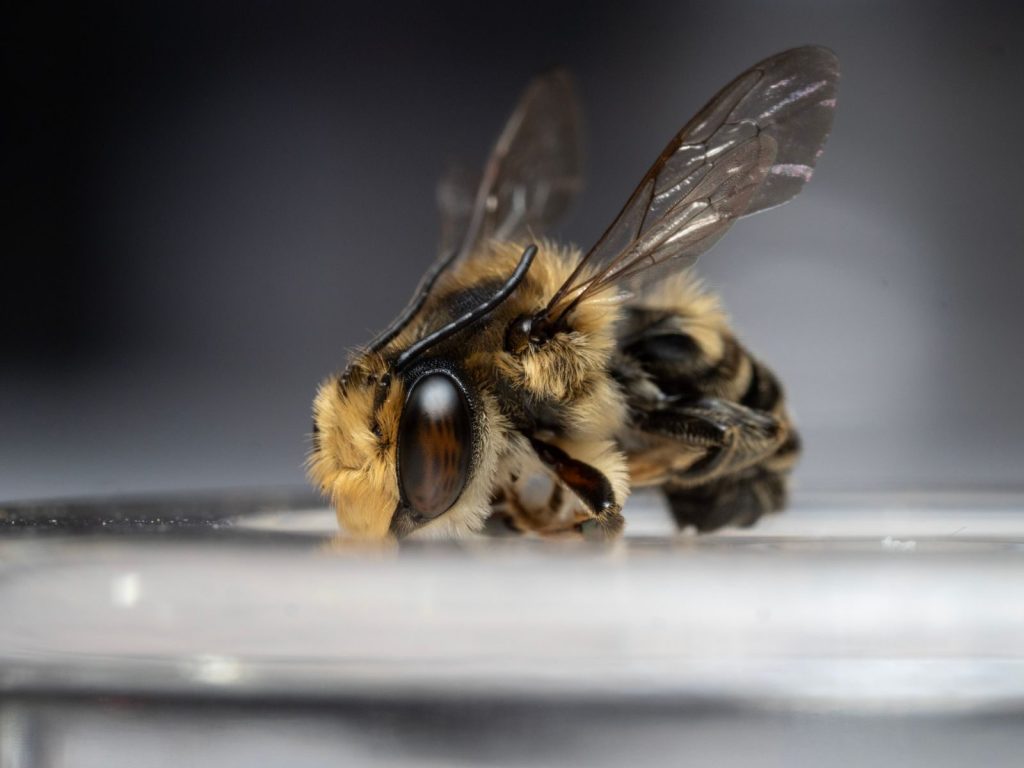
Nutrition changes which biological pathways become active during larval development. Studies have found major differences in gene expression, metabolism, hormone signaling, and epigenetic patterns between queen- and worker-destined honey bees.
DNA methylation has received particular attention, although scientists continue debating exactly how large and direct its causal role is. Modern reviews therefore avoid reducing queen development to one epigenetic switch. The broader evidence supports a network of molecular responses connecting nutrition with caste-specific development.
Queen Development
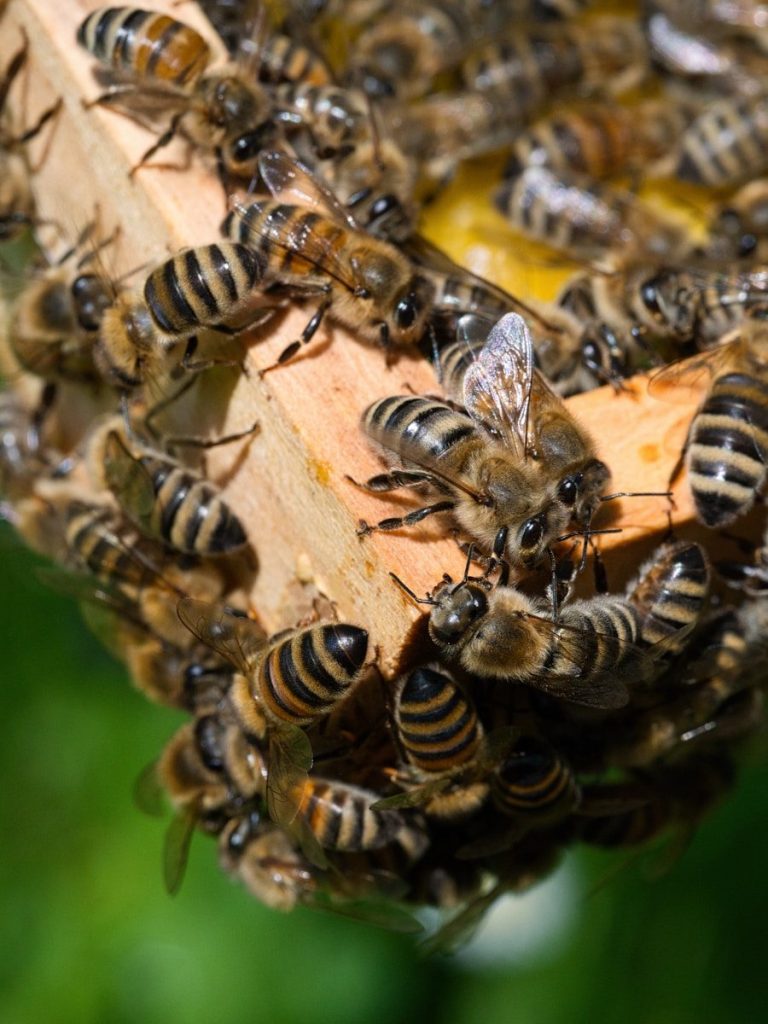
A queen develops faster than a worker and emerges with a very different reproductive system and body form. Those differences begin during larval growth, when nutrition redirects metabolism, tissue development, and reproductive investment toward the queen phenotype.
This is why simply feeding an adult worker royal jelly could never turn her into a queen. The decisive changes occur during development, while organs and tissues are forming. By adulthood, a worker and queen represent two established outcomes of the colony’s caste-development process.
Adult Queen Bee

Emerging as a queen is only the beginning. A virgin queen normally must mate before becoming the colony’s main egg-layer. Once established, she also produces pheromonal signals that influence worker behavior and colony social organization.
Those pheromones help maintain the functioning adult colony, but they are different from the developmental process that created the queen. The complete story therefore extends from larval selection and nutrition through gene regulation, specialized rearing, mating, reproduction, and chemical communication.