There is no scientific contest for the world’s “hardest-working” animal. Work also means different things across species: feeding young, maintaining nests, farming food, digging tunnels, building shelters, or surviving demanding breeding seasons.
These eight animals stand out because a remarkable share of their lives involves repeated physical or social tasks essential to their colonies, families, or survival.
Honey Bee Workers

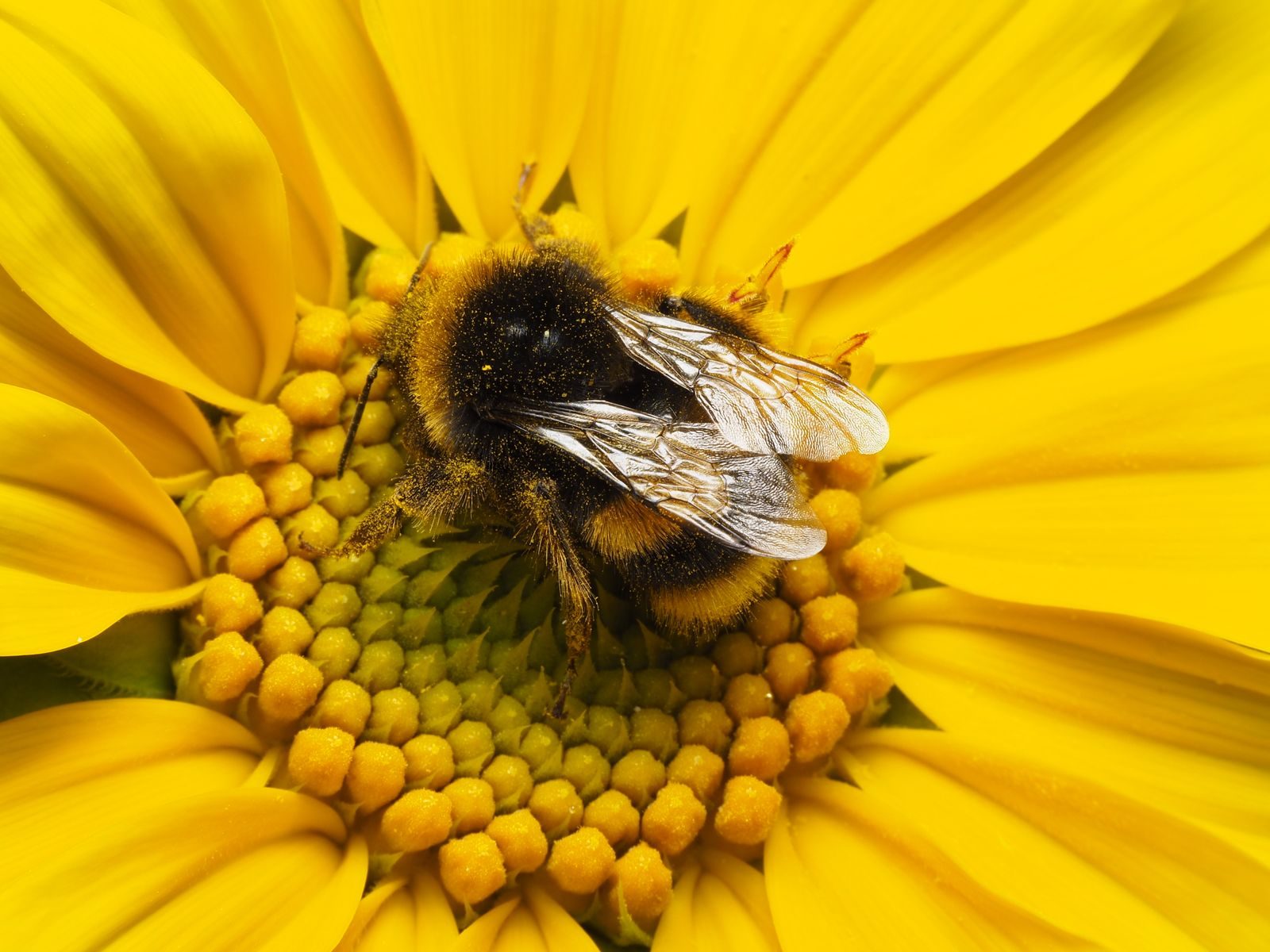
Worker honey bees handle most of the daily jobs inside and outside a colony. Depending partly on age, workers clean cells, feed developing larvae, process food, build comb, guard the entrance, ventilate the nest, and eventually forage for nectar, pollen, water, and plant resins.
No individual bee manages the whole colony. Thousands of workers divide the workload, allowing the superorganism-like colony to maintain brood, food stores, temperature, and defenses simultaneously. Their constant activity makes honey bees a classic example of highly organized social labor.
Leafcutter Ants

Leafcutter ants create conspicuous trails through tropical forests while workers cut pieces from leaves and carry them underground. They do not mainly eat those leaves directly. Instead, the plant material becomes substrate for specialized fungi cultivated inside the colony.
Different workers cut vegetation, process it, maintain fungal gardens, remove waste, defend the nest, and care for young. Smithsonian research describes leafcutters as among the most advanced fungus-farming ants, with colonies depending closely on their cultivated crop. Their agriculture requires continuous maintenance rather than one burst of harvesting.
Beaver Dam
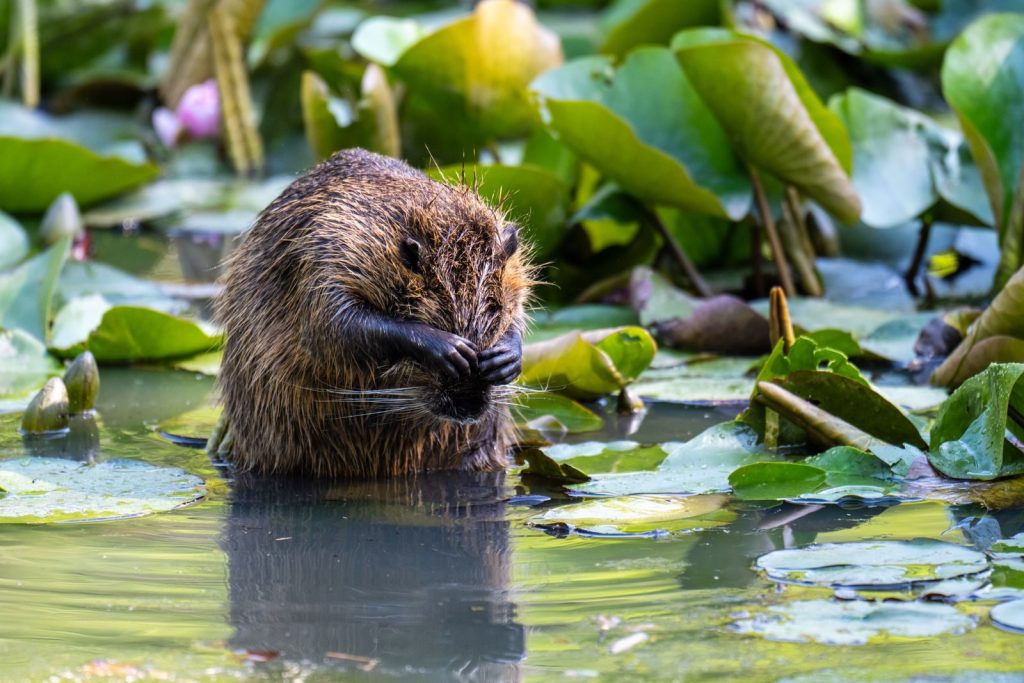
Beavers change entire landscapes through repeated construction. They cut branches and small trees, move woody material, carry mud and stones, repair dams, maintain lodges, and reopen damaged structures after storms or changing water levels.
Their dams slow water and can create ponds and wetlands used by many other organisms. The National Park Service therefore describes beavers as ecosystem engineers. What looks like endless construction serves practical purposes: deeper water can improve access, provide safer movement, and place lodge entrances underwater. Maintenance continues because flowing water and weather continually alter their structures.
Naked Mole-Rat Tunnel

Naked mole-rats live in underground colonies with unusually complex social organization for mammals. Most colony members do not reproduce. Instead, workers excavate tunnels, move soil, defend passages, gather food, maintain nesting areas, and help care for young produced by the breeding female.
Cornell describes coordinated digging that can resemble a conveyor belt: one animal loosens soil while others sweep it backward and another pushes it outside. Their underground world therefore depends on sustained group labor. For a colony living almost entirely below ground, digging is not optional construction; it creates access to food and living space.
Dung Beetle
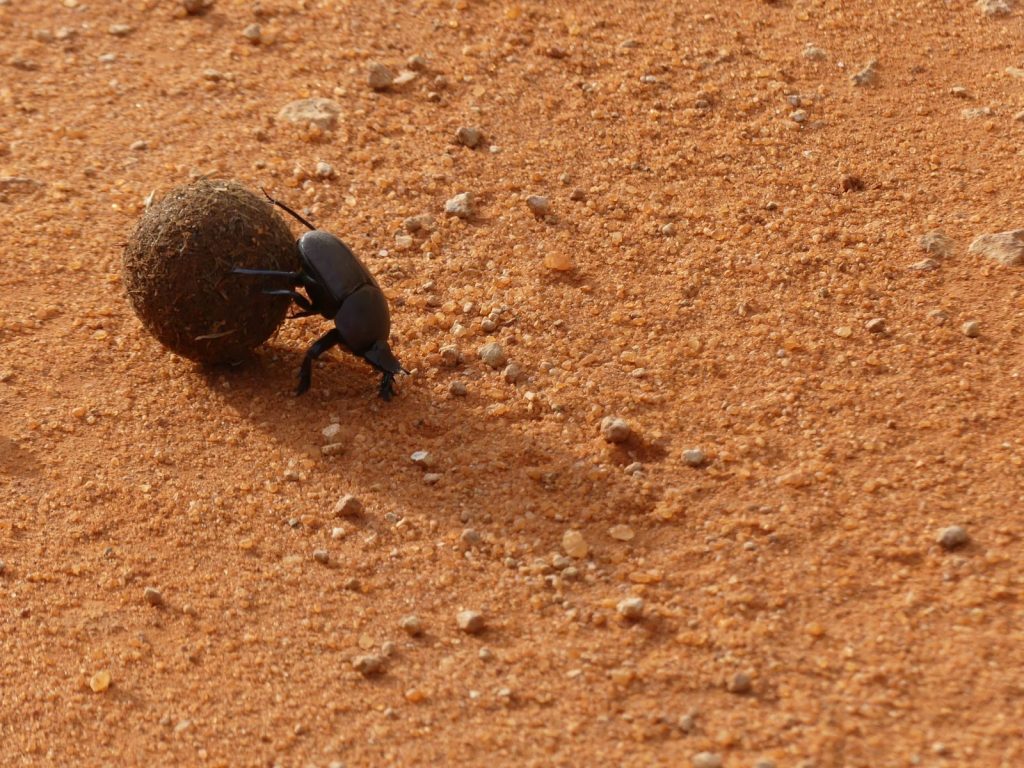
Many dung beetles turn an unpleasant resource into food and nursery material. Some species shape portions of dung into balls, roll them away from competing insects, and bury them underground. Others dig tunnels directly beneath a dung pile or live within it.
The repeated digging, rolling, and burial can also benefit ecosystems. Dung removal returns nutrients to soil, reduces waste remaining on the surface, and can influence seed movement and parasite conditions. Smithsonian material highlights dung beetles as important natural recyclers, making their seemingly humble workload ecologically valuable far beyond the individual insect.
Sociable Weaver Nest
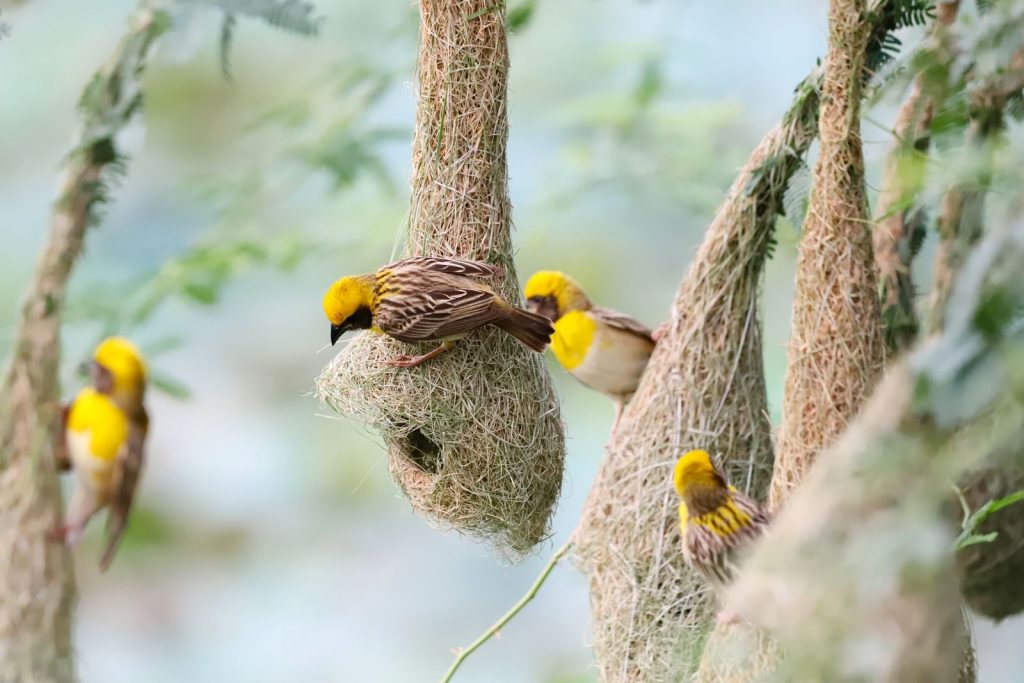
Sociable weavers of southern Africa construct enormous communal nests that can remain in use for generations. Instead of one pair maintaining a single small nest, many birds live within a shared structure containing numerous separate chambers.
Cornell describes colonies containing large numbers of breeding pairs, with nests that become conspicuous features of trees and utility structures. Birds continually bring grasses and other material to repair and enlarge the complex. The structure provides shelter from harsh temperature swings and creates habitat used by additional species, making the birds both persistent builders and important local ecosystem engineers.
Emperor Penguin Male
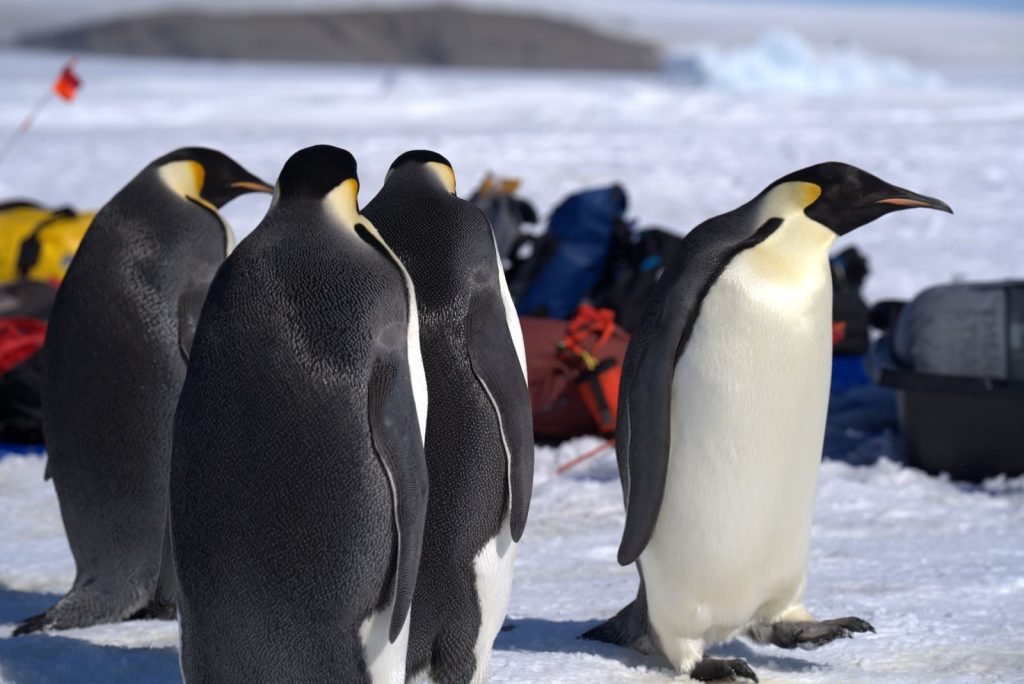
Male emperor penguins perform one of the most demanding parental shifts among birds. After the female lays a single egg, the male balances it above his feet beneath a warm fold of skin while Antarctic winter conditions intensify around the colony.
Incubation lasts roughly two months, while males huddle together to reduce heat loss. By the time the chick hatches, a male may have gone around four months without feeding, depending on timing. He survives on stored body fat while protecting the developing egg from deadly cold.
Termite Workers
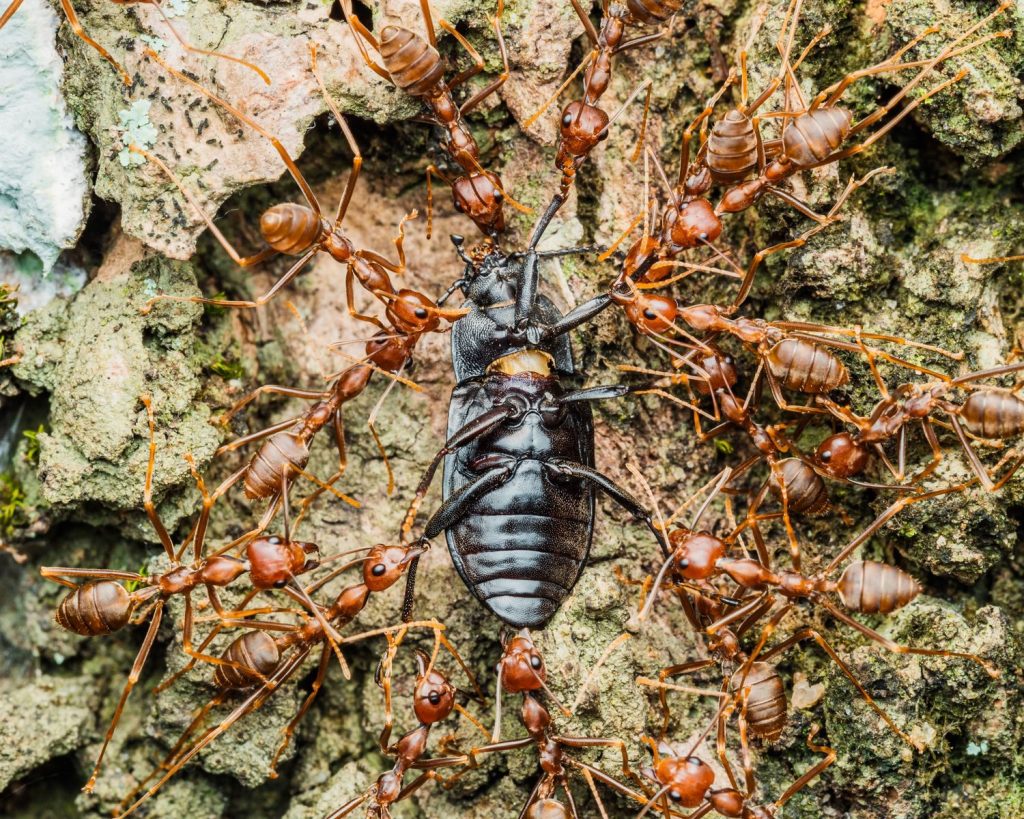
Termite colonies depend heavily on nonreproductive workers. These insects gather and process food, feed other colony members, care for immature termites, repair the nest, and perform much of the construction required to keep the colony functioning.
Some termite nests are substantial structures that regulate important environmental conditions for the colony. Building and maintenance demand continual time and energy rather than a one-time effort. Smithsonian material also emphasizes that workers support reproductive individuals and young, showing how colony survival depends on thousands of small tasks performed repeatedly by insects that will never reproduce themselves.
Featured Image: Photo by Skyler Ewing on Pexels