Skip to content

Recent Posts

  • Eight Giants of the Insect World
  • Animals That Might Thrive in a Human-Free World
  • Eight Strange Animals Most People Have Never Met
  • Nature’s Hardest Workers and Their Relentless Daily Jobs
  • Bumblebees Solve a Problem They Were Never Taught

Most Used Categories

  • Nature & Wildlife (733)
  • Risk (72)
  • Human Interest (52)
  • Exotic Animals (26)
  • Bees/Swarms fear (26)
  • Survival (25)
  • Hunting (25)
  • Suspense (19)
  • Adventure (3)
  • Gears (2)
Skip to content
  • About Us
  • Contact Us
  • Disclaimer
  • Privacy Policy
  • Terms & Conditions

Hive Hunters Tales

  • Suspense
  • Nature & Wildlife
  • Human Interest
  • Hunting
  • Bees/Swarms fear
  • Exotic Animals
  • Risk
  • Survival
  • Adventure
  • Gears
  • Home
  • Bees/Swarms fear
  • How Bees Fix Imperfect Honeycomb Foundations
A close-up view of a honeycomb covered in bees.

How Bees Fix Imperfect Honeycomb Foundations

JakeAugust 11, 2026August 11, 2026

Honey bees are famous for regular hexagonal cells, but real nests are full of awkward construction problems. Workers must connect combs, change cell sizes and build around uneven spaces.

A 2025 experiment gave bees deliberately difficult 3D-printed foundations. The colonies responded by merging, tilting and layering cells instead of simply copying the flawed starting pattern.

Researchers Built Bad Foundations
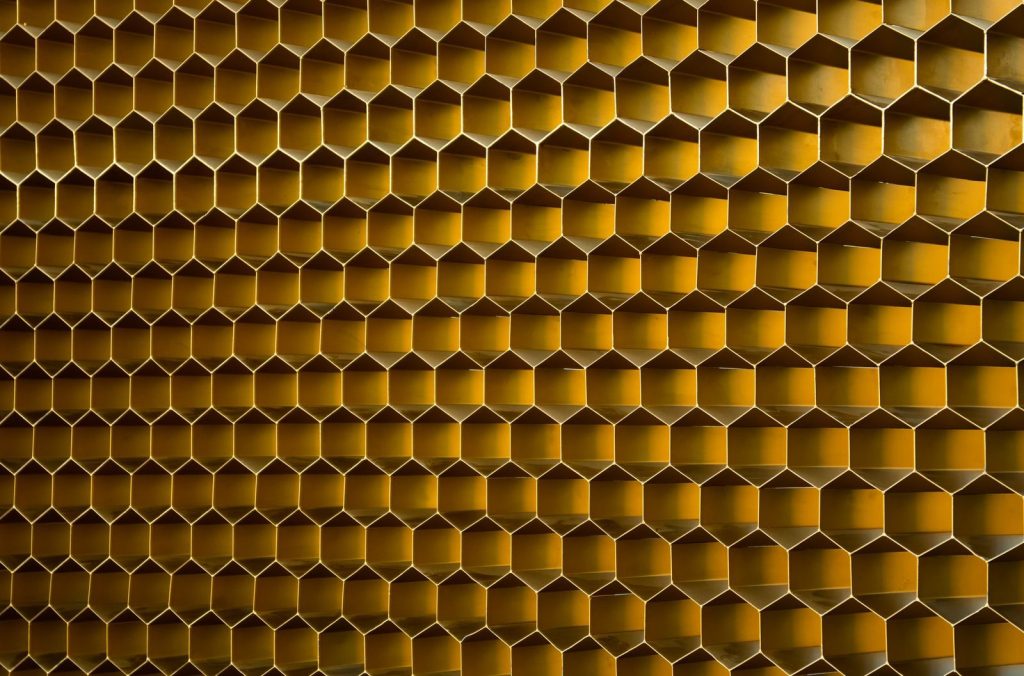
Close-up of a modern hexagonal honeycomb pattern with a warm golden tone.
Photo by Vadim Timayev on Pexels

Scientists created artificial foundations using 3D printing. Instead of giving bees normal cell dimensions, they deliberately produced starting structures with cells that were too small or much too large. The goal was to test how flexible collective construction could be.

Bees Had to Solve the Problem
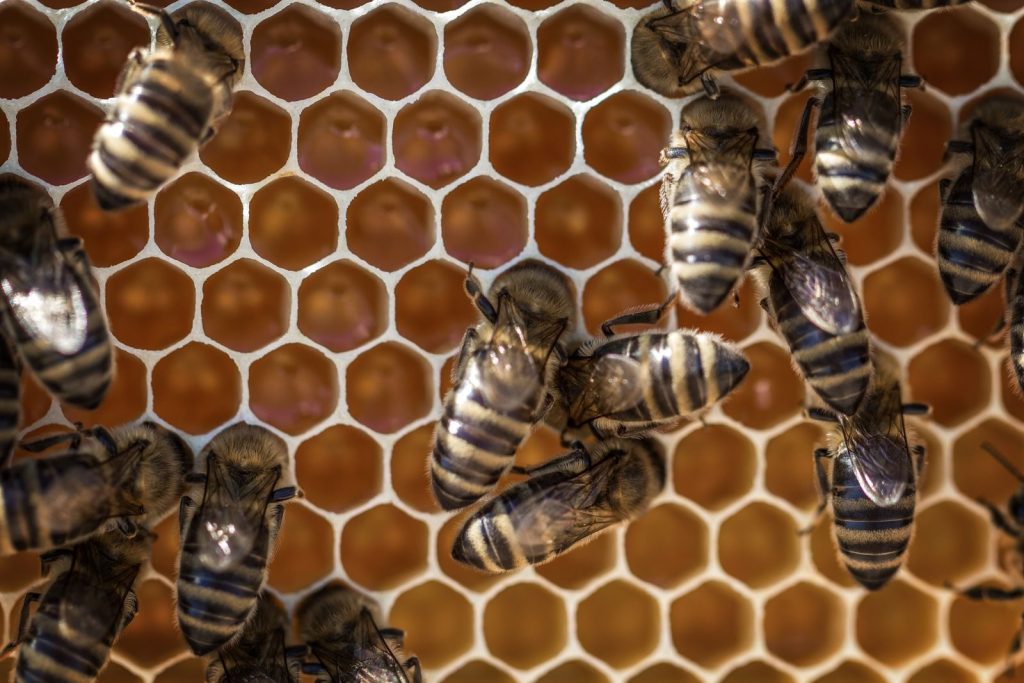
Macro view of bees working on a honeycomb, showcasing intricate hexagonal patterns.
Photo by David Hablützel on Pexels

Workers could not simply extend the printed shapes indefinitely because abnormal dimensions would create unusable comb. The colony therefore had to transition from the imposed structure toward cells closer to the size needed for normal brood rearing and food storage.

Small Cells Were Merged
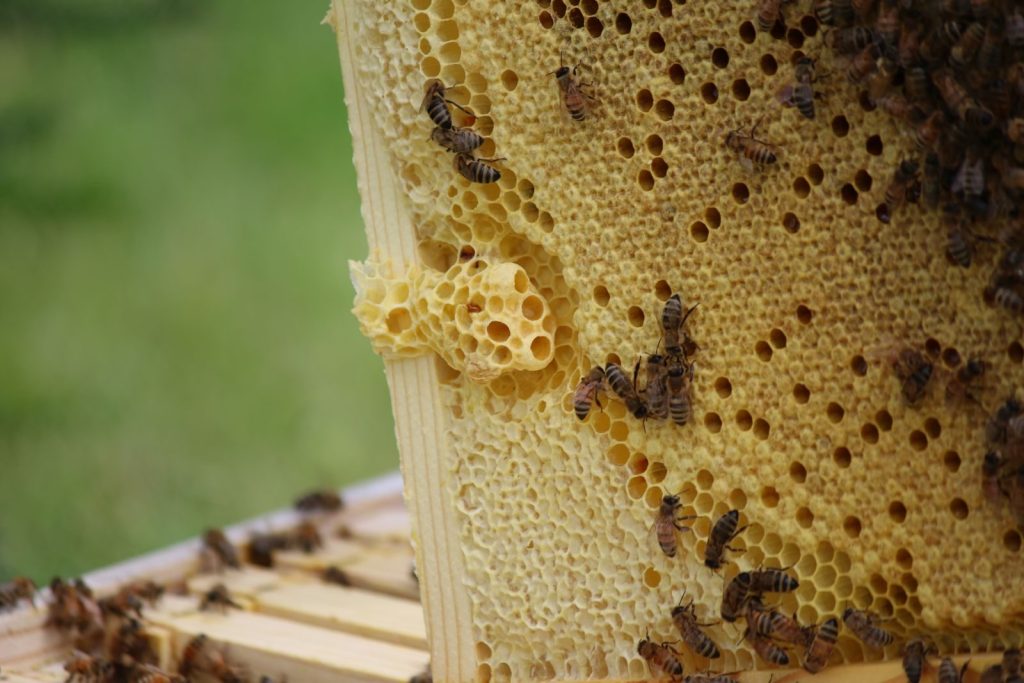
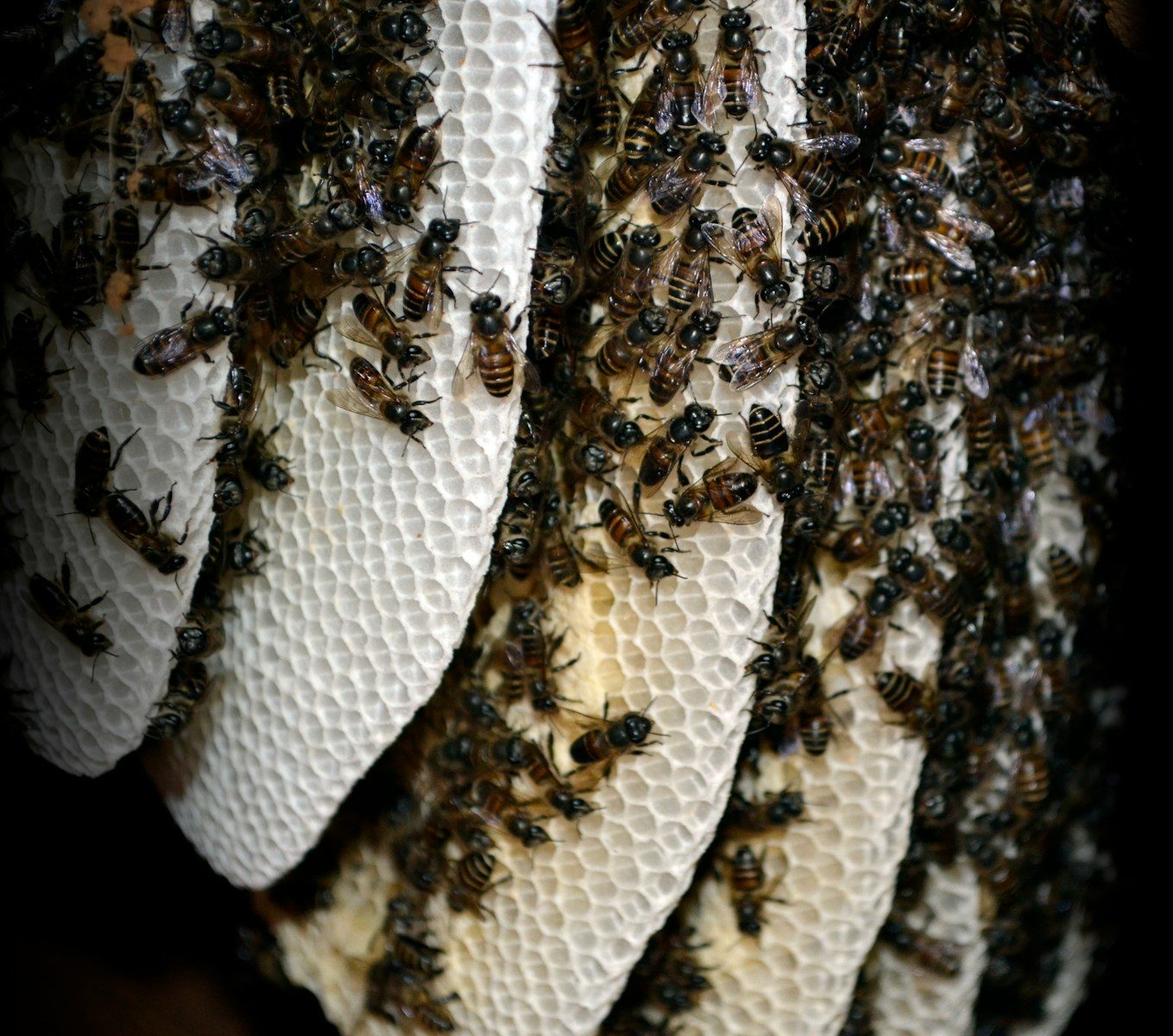
Detailed view of honeybees on a honeycomb frame, showcasing natural beekeeping in action.
Photo by Denise Cusack on Pexels

When the artificial foundation contained cells smaller than normal, workers sometimes combined neighbouring spaces. Merging allowed several badly sized starting cells to transition into fewer cells with more useful dimensions.

Larger Cells Were Tilted

brown and white square pattern
Photo by Ante Hamersmit on Unsplash

When researchers made foundation cells as much as twice the normal reference size, bees changed the angle of their construction. Tilting allowed them to fit more appropriately sized cells into the available geometry rather than following the oversized template directly.

Extreme Gaps Created Layers
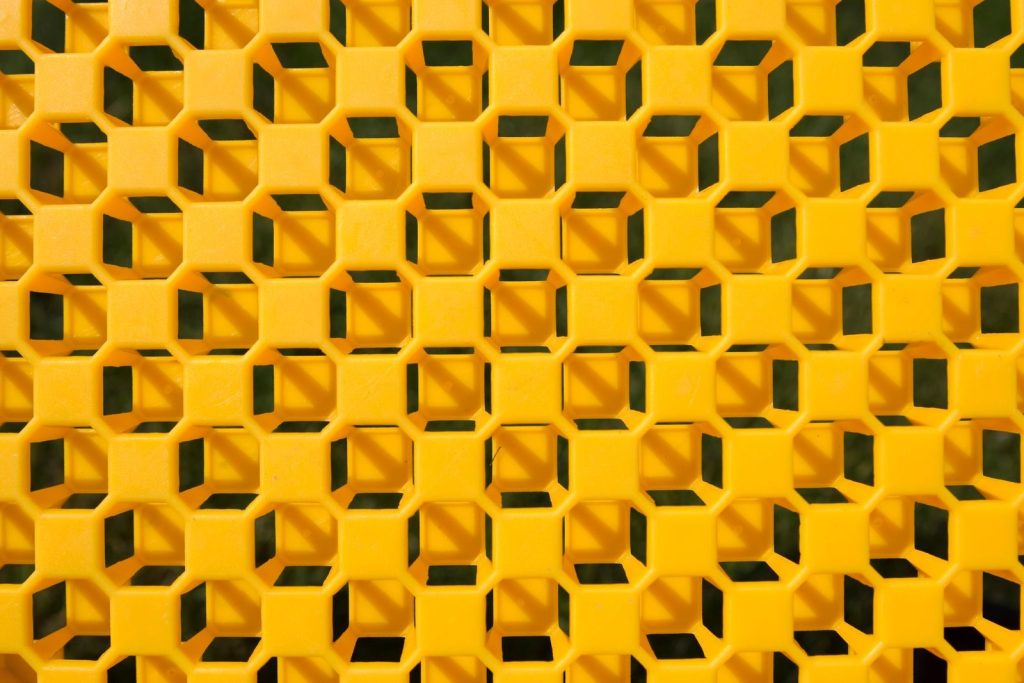
Vibrant yellow geometric pattern featuring repetitive cube shapes creates a striking visual effect.
Photo by Valentin Ivantsov on Pexels

Foundations with cells around three times normal size produced an even more dramatic response. The bees built layered three-dimensional structures to bridge the mismatch, showing that their construction behavior was not limited to a simple flat hexagonal grid.

Natural Combs Have Defects Too

a close up of a bunch of honeycombs
Photo by Cristina Marin on Unsplash

Earlier research showed bees routinely solve irregular transitions in real nests. Workers use intermediate-sized cells, non-hexagonal shapes and gradual changes in cell angle to connect structures that cannot meet perfectly.

No Master Architect Is Needed
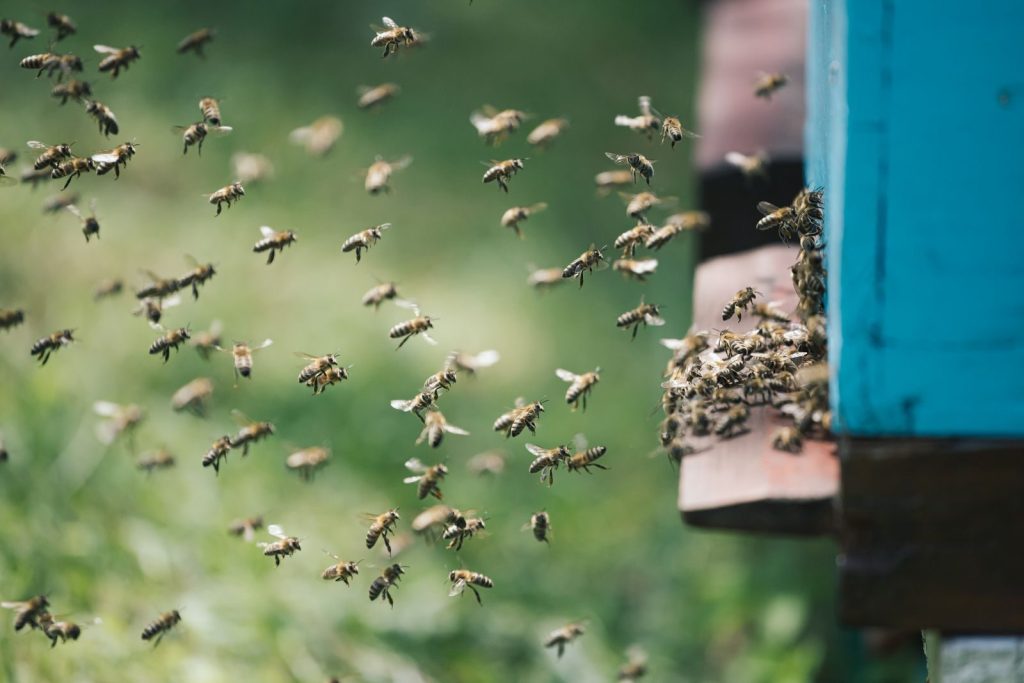
A vibrant swarm of honeybees buzzing around a wooden beehive on a sunny summer day.
Photo by Amel Uzunovic on Pexels

A colony has no engineer drawing the finished comb. Thousands of workers respond to local wax structures, neighbouring cells and the actions of other bees. Complex architecture emerges from many relatively simple interactions repeated across the building surface.

Bees Inspire Engineers
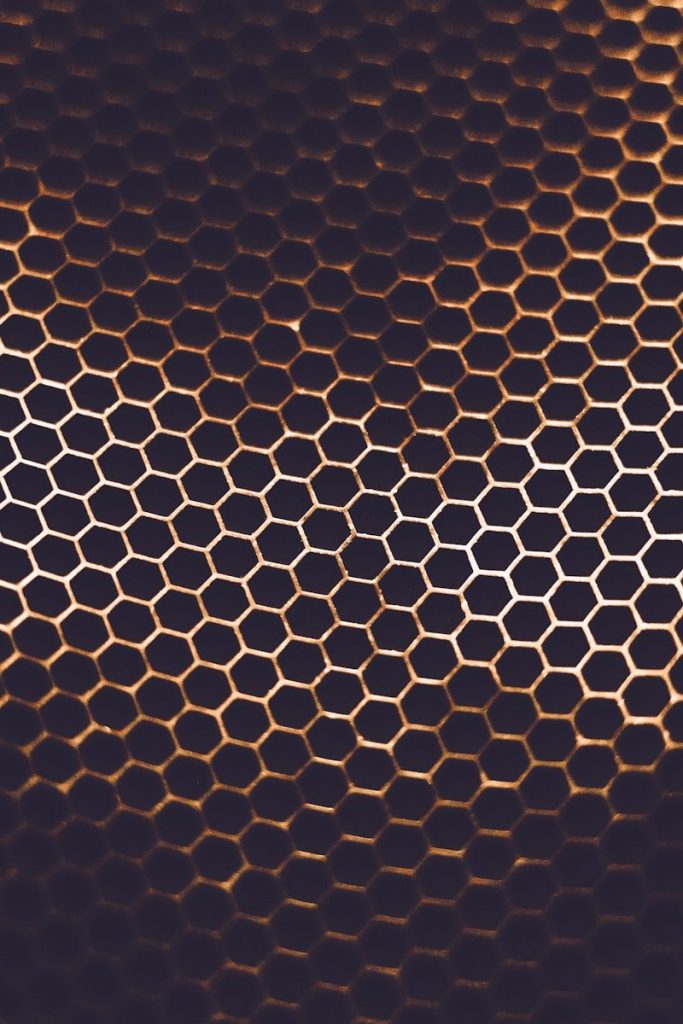
a close up of a honeycomb pattern on a cell phone
Photo by HY ART on Unsplash

Researchers study honeycomb construction because decentralised problem-solving could inspire robotics, materials design and other engineered systems. Bees demonstrate how a group can repair imperfect starting conditions and still produce a highly functional structure without central control.

Featured Image: Photo by JIBIN SAMUEL on Unsplash
Post navigation

Previous: Engineered Yeast Could Improve Honey Bee Nutrition
Next: 8 Wildlife Facts That Sound Almost Impossible

Related Posts

Close-up of a honey bee gathering nectar from a vibrant blue flower, showcasing natural beauty and pollination.

What Really Makes a Honey Bee Queen

August 13, 2026August 13, 2026 Jake
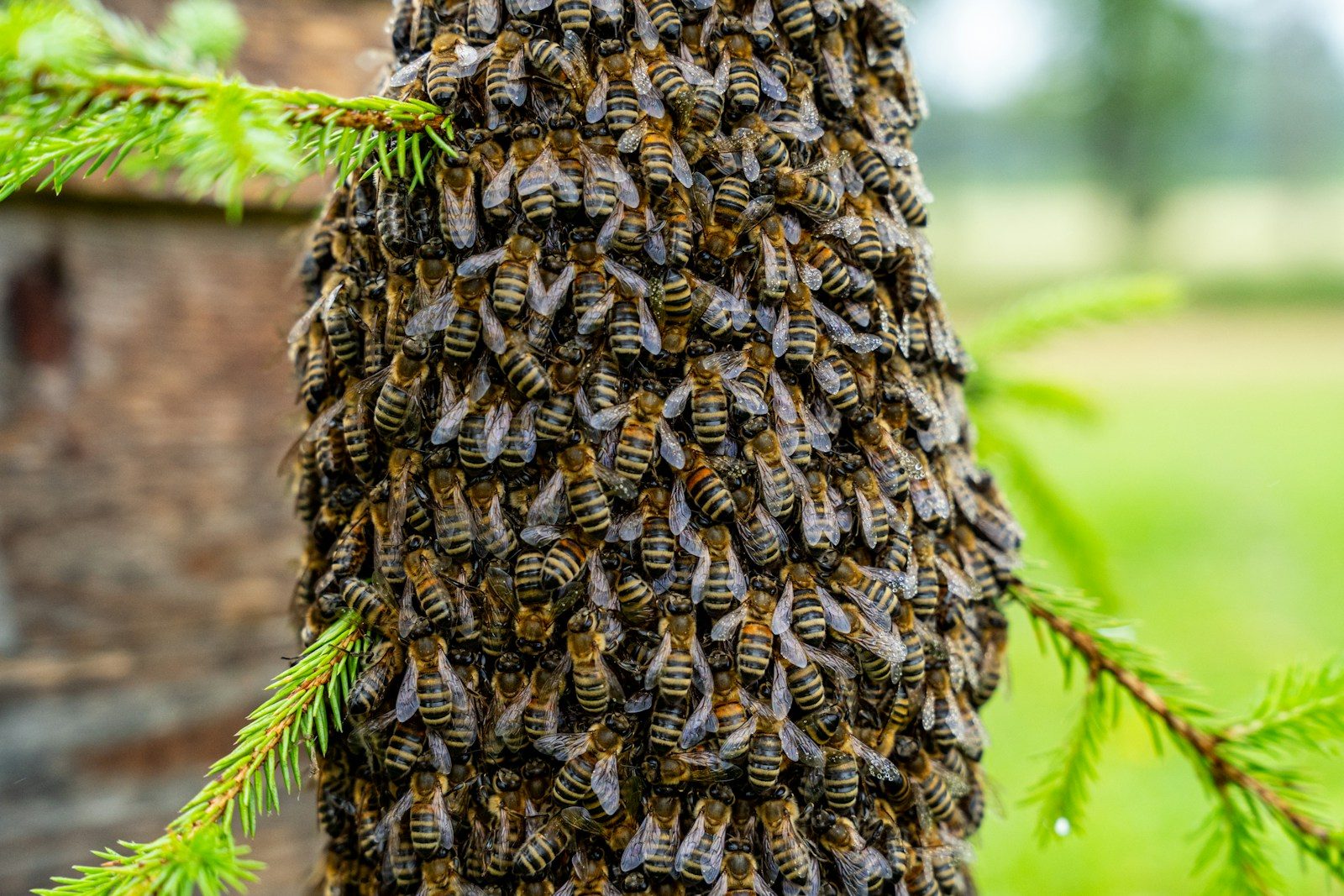
Bees swarm on a tree trunk with green needles.

Why Honey Bee Swarms Can Seem Surprisingly Calm

August 13, 2026August 13, 2026 Jake
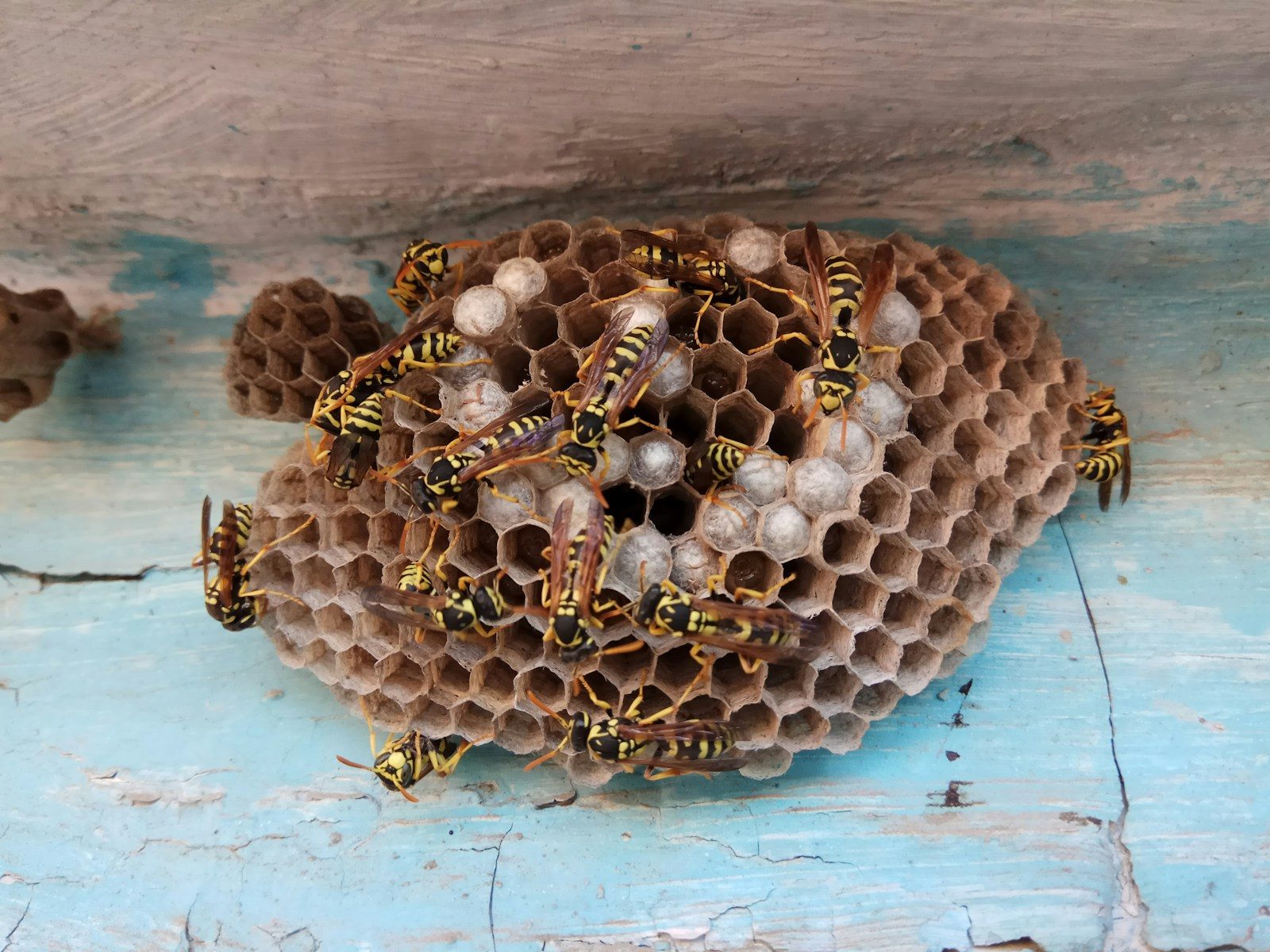
a group of bees on a wood surface

How Hornets Build Their Paper Nests

August 12, 2026August 11, 2026 Jake

Leave a Reply Cancel reply

Your email address will not be published. Required fields are marked *

Recent Posts

  • Eight Giants of the Insect World
  • Animals That Might Thrive in a Human-Free World
  • Eight Strange Animals Most People Have Never Met
  • Nature’s Hardest Workers and Their Relentless Daily Jobs
  • Bumblebees Solve a Problem They Were Never Taught
Copyright All Rights Reserved | Theme: BlockWP by Candid Themes.