A successful Colorado mule deer hunt can produce a substantial supply of venison, but saying one buck provides “months” of meat depends entirely on the animal, household, processing losses, and how frequently the meat is eaten.
Because the original title describes an unidentified personal hunt, its specific harvest cannot be verified. What can be documented is how legal Colorado mule deer hunting moves from mountain habitat to carefully handled meat.
Colorado Mule Deer

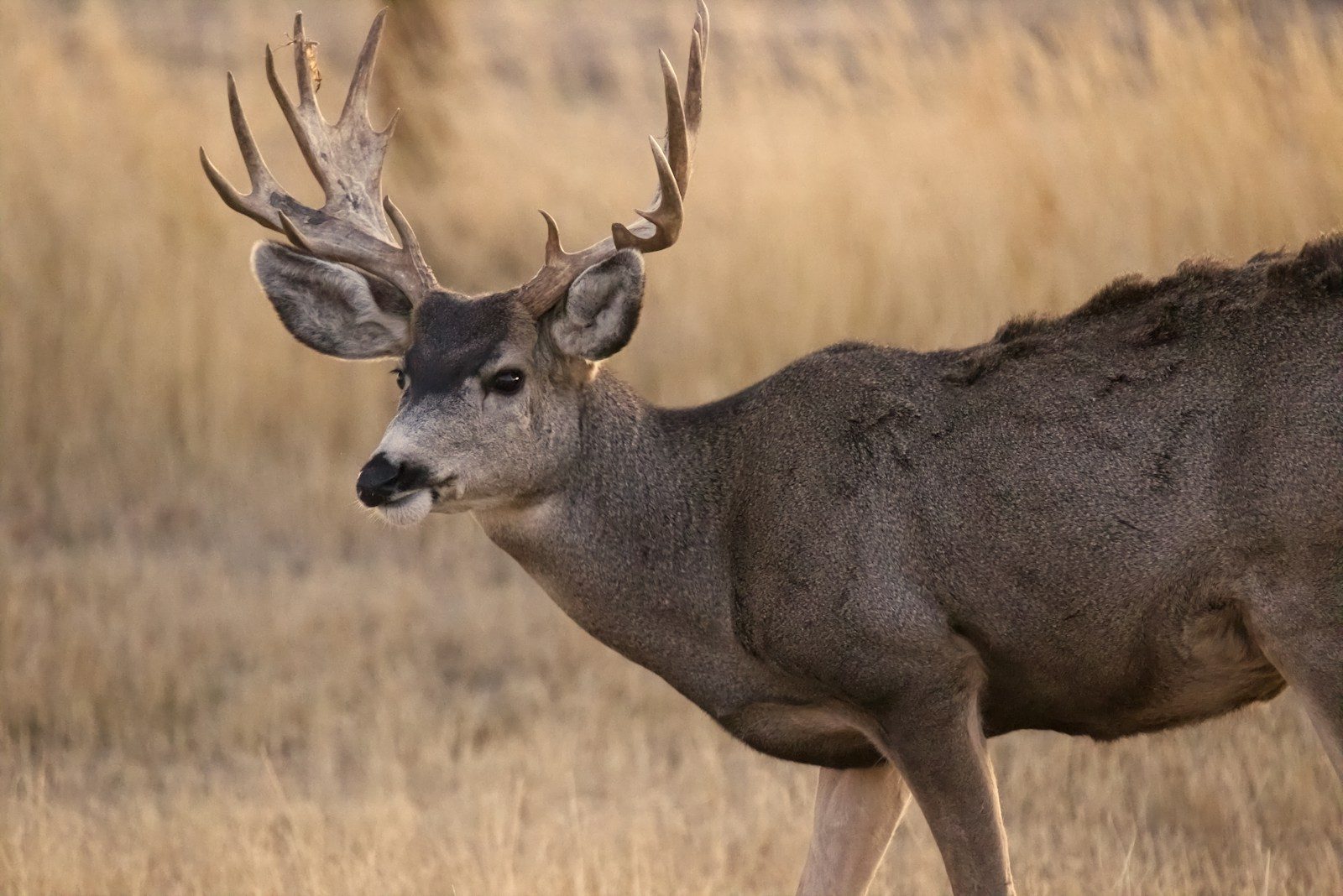
Mule deer occur across Colorado, including mountain shrublands, foothills, forests, and areas near communities. Their oversized ears, black-tipped rope-like tail, and antlers that typically fork rather than grow from a single main beam help distinguish them from white-tailed deer.
Mountain populations use landscapes that can include steep slopes, brushy cover, forest edges, and seasonal ranges. A hunt therefore involves much more than spotting a buck. Terrain, access, weather, animal distribution, and the distance required to remove a harvested animal all shape the experience.
Colorado Deer License

Colorado deer hunting is regulated through specific licenses, seasons, game management units, and hunt codes. Many deer opportunities use limited licenses, meaning hunters must obtain the correct authorization for the particular unit, season, method, and animal type they intend to hunt.
Those details can change between years, so a past hunt should never be treated as a current regulation guide. Colorado Parks and Wildlife directs hunters to the current Big Game brochure and official license information rather than relying on old videos or previous-season rules.
Colorado Mountain Terrain
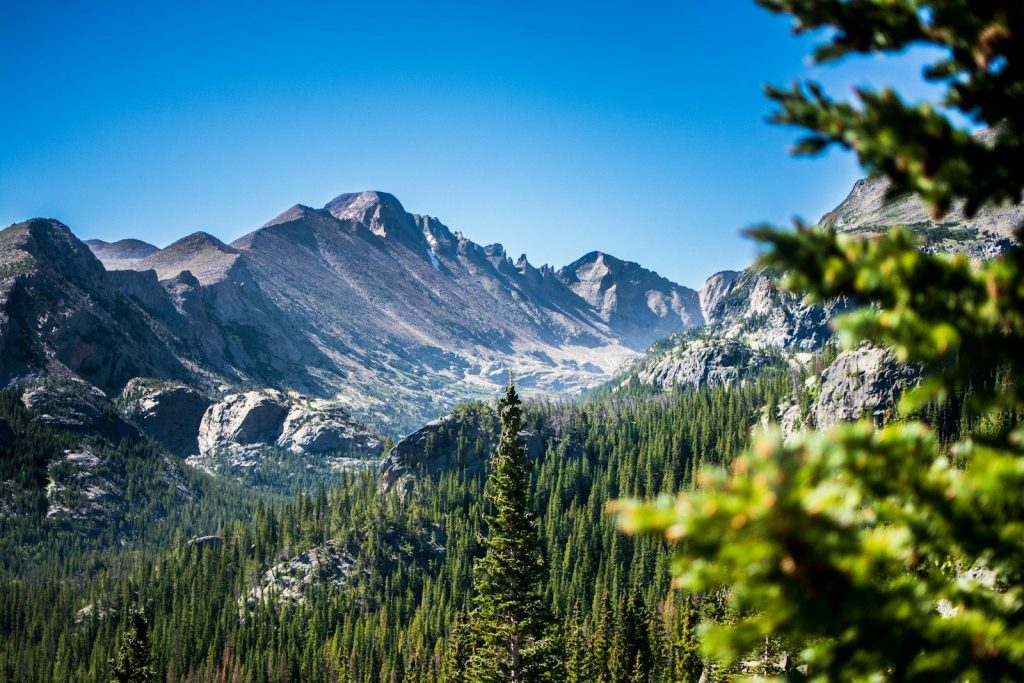
A Colorado deer hunt can involve significant elevation, steep ground, changing weather, snow, and roads that close unexpectedly. Colorado Parks and Wildlife specifically warns hunters to check seasonal road restrictions, wildfire closures, snow conditions, and other access changes before heading into the field.
Altitude is another practical concern. Even Colorado’s lowest elevations are high enough for some visitors to experience altitude illness, while mountain hunts may climb much higher. Planning therefore includes physical preparation, emergency communication, navigation, weather awareness, and realistic expectations about how far harvested meat must be carried.
Mule Deer Habitat
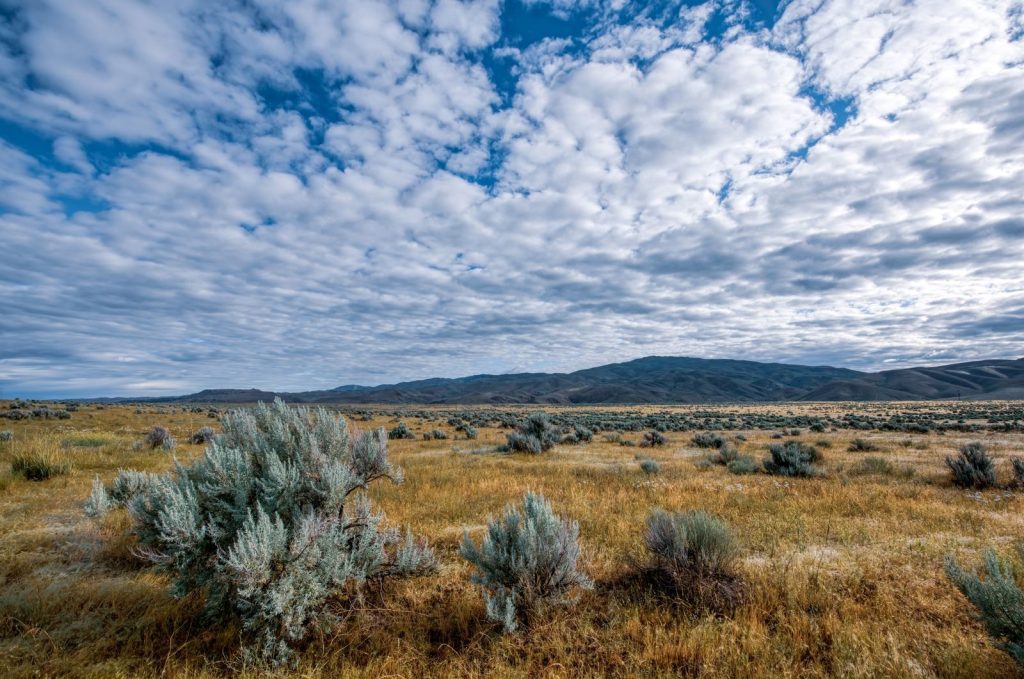
Mule deer use several habitat types across the Rocky Mountain region, including sagebrush, mountain shrub, pinyon-juniper, woodland, and montane environments. Seasonal movement can shift where animals concentrate as food availability, snow depth, breeding behavior, and disturbance change.
That makes responsible scouting primarily an exercise in understanding habitat and legal access rather than simply searching for large antlers. Colorado’s Hunting Atlas provides mapped information on game management units and big-game concentrations, while hunters must still verify property boundaries and current land-management restrictions.
Legal Deer Harvest

After a legal deer harvest, Colorado requires the hunter to properly complete and attach the carcass tag. Evidence of sex must also remain naturally attached as required while the carcass is transported, including when the animal is quartered or deboned.
These details matter because wildlife laws continue to apply after the animal is down. Colorado also requires hunters to make reasonable efforts to care for edible meat rather than taking antlers or hide and abandoning usable portions. Responsible harvesting therefore includes both legal documentation and preventing unnecessary meat waste.
Field-Cared Venison
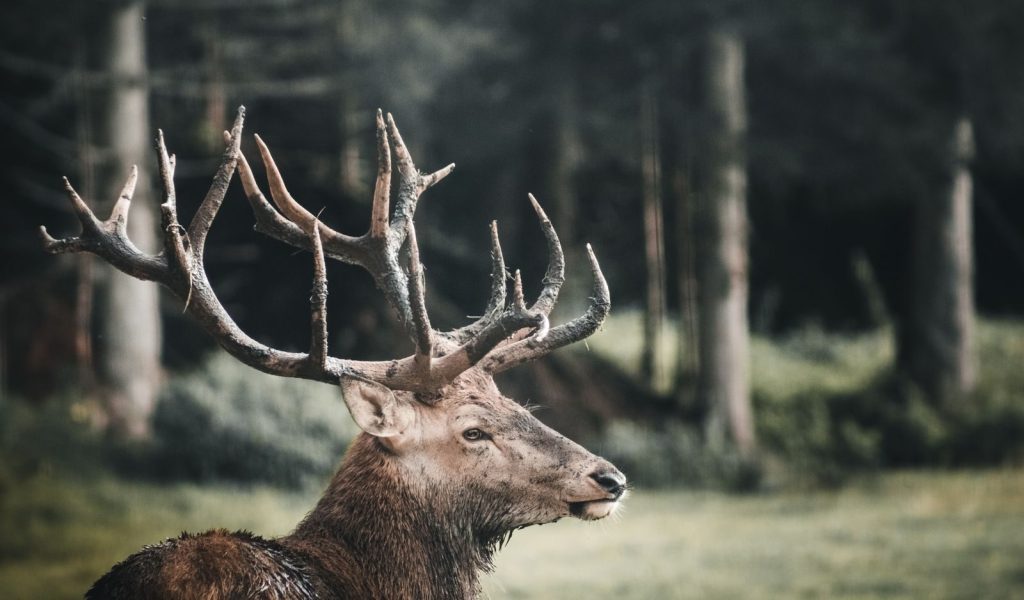
Once a deer is harvested, meat care becomes time-sensitive. Colorado Parks and Wildlife advises keeping game meat cool, clean, and dry and recommends disposable gloves while field dressing. Tools and hands should also be cleaned after handling the carcass.
This step is particularly important on a mountain hunt because the animal may be far from a road or refrigeration. Efficient field care and transport protect meat quality while fulfilling the hunter’s responsibility to preserve edible portions. Warm weather can make cooling much more urgent than a cold late-season hunt.
Packing Deer Meat
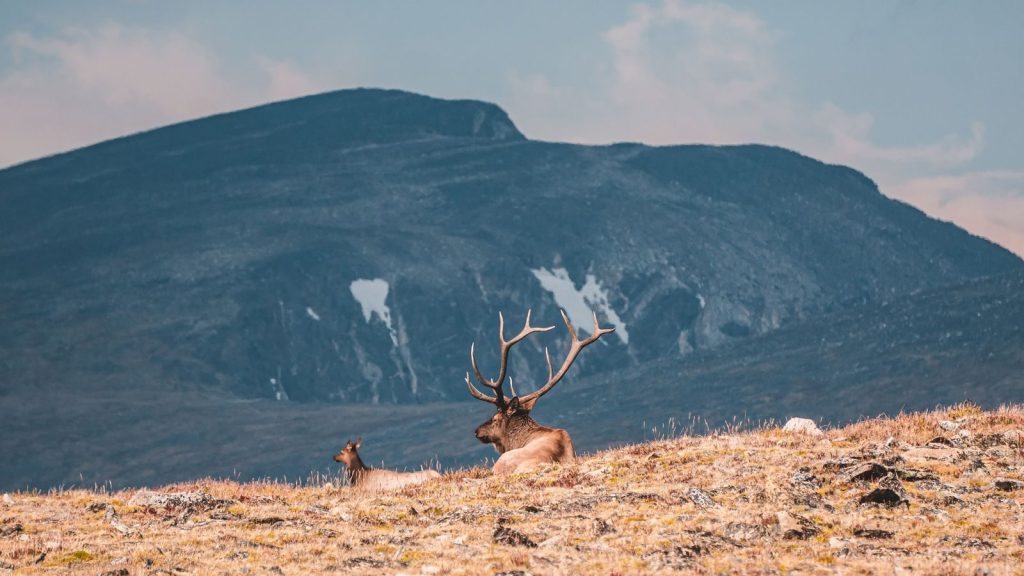
In steep country, getting a deer to the freezer may require far more physical effort than the hunt itself. Hunters may need to quarter or debone a carcass while still complying with Colorado’s tagging, evidence-of-sex, land-access, and transportation requirements.
Vehicle access is also regulated on public land. Colorado notes that off-highway vehicles must remain on permitted roads or routes and cannot simply drive cross-country to retrieve game. A responsible plan therefore considers the pack-out distance before a harvest rather than treating extraction as an afterthought.
CWD and Venison

Chronic wasting disease occurs in Colorado deer and can be present before an animal shows obvious outward signs. For the 2026 season, Colorado Parks and Wildlife says deer testing is not mandatory statewide, although hunters may voluntarily submit deer for testing.
The amount of venison ultimately stored depends on the individual deer and processing choices, so no reliable “months of meat” figure applies to every buck. What can be said is that a properly harvested, processed, and frozen deer can provide many meals without exaggerating a specific household timeline.
Featured Image: Photo by Acton Crawford on Unsplash