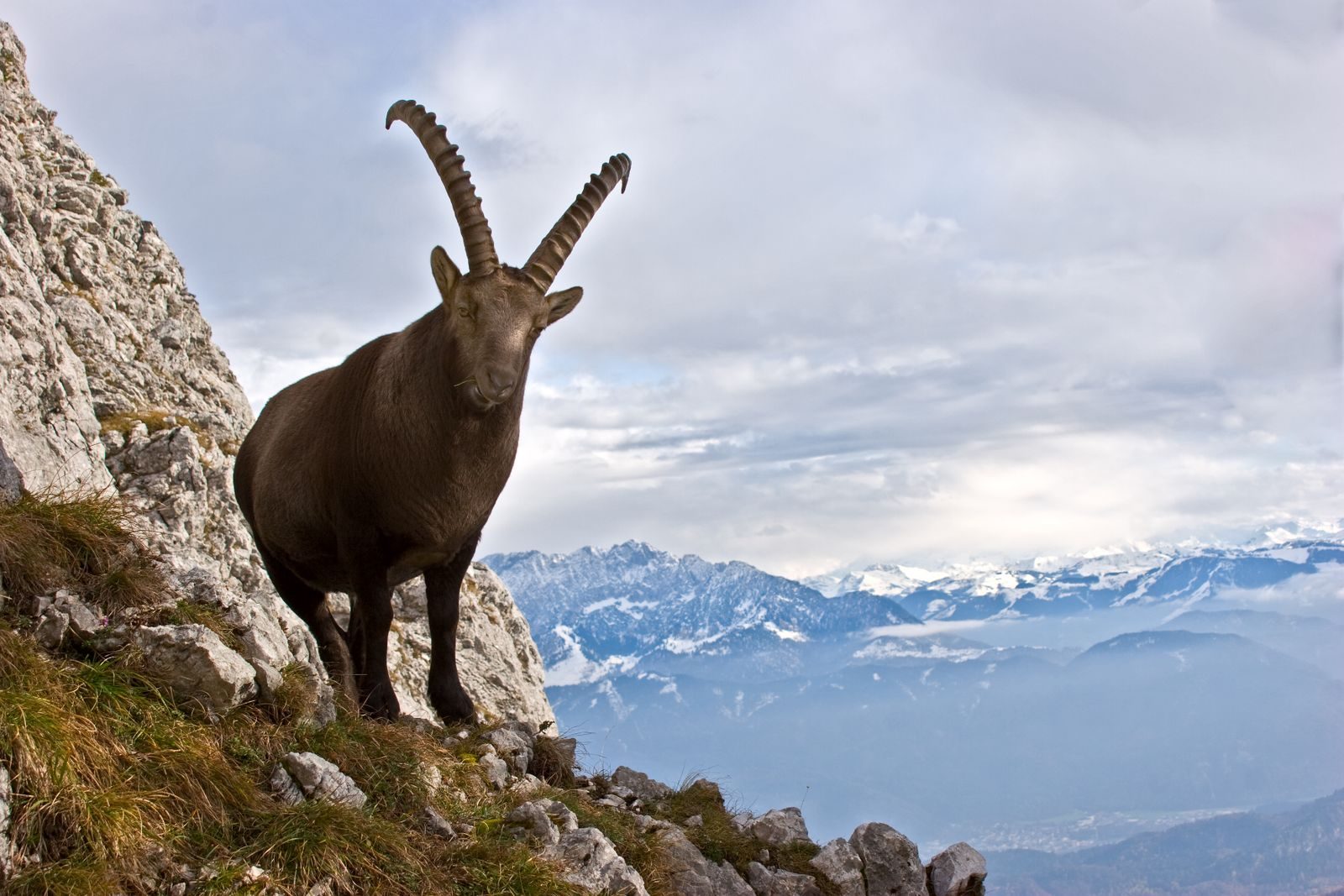
Skip to content

Recent Posts

  • Rescuers Free a Fox Cub From Garden Netting
  • How Ibex Climb Near-Vertical Walls for Minerals
  • 8 Facts About Lynx Tufts, Teeth, and Hunting
  • Sperm Whales Hunt Giant Squid and Carry the Scars
  • 9 of the Loudest Animals Ever Measured

Most Used Categories

  • Nature & Wildlife (716)
  • Risk (64)
  • Human Interest (46)
  • Exotic Animals (23)
  • Survival (21)
  • Bees/Swarms fear (20)
  • Hunting (19)
  • Suspense (13)
  • Adventure (3)
  • Gears (2)
Skip to content
  • About Us
  • Contact Us
  • Disclaimer
  • Privacy Policy
  • Terms & Conditions

Hive Hunters Tales

  • Suspense
  • Nature & Wildlife
  • Human Interest
  • Hunting
  • Bees/Swarms fear
  • Exotic Animals
  • Risk
  • Survival
  • Adventure
  • Gears
  • Home
  • Survival
  • How Ibex Climb Near-Vertical Walls for Minerals
Majestic Alpine Ibex standing on a rocky slope with stunning mountain backdrop in the Bavarian Alps.

How Ibex Climb Near-Vertical Walls for Minerals

JakeAugust 9, 2026August 8, 2026

Images of Alpine ibex standing on almost vertical dam walls look digitally altered, but the behavior is real. The animals climb carefully across small ledges and rough surfaces that provide just enough grip.

The main attraction is often mineral-rich salt left on the structure. Their specialised hooves and exceptional balance allow them to reach places most large mammals cannot safely enter.

The Famous Dam Climbers

goat, mountain goat, nubian ibex, wildlife, nature, animal, horn, rocks, climbing, brown mountain, mountain goat, mountain goat, mountain goat, mountain goat, mountain goat
Photo by ronbd on Pixabay

Alpine ibex have been photographed on Italy’s Cingino Dam, moving across its steep stone face. They are not scaling completely smooth vertical concrete. Small projections, seams, cracks, and rough surfaces provide narrow points where their hooves can grip.

Salt Draws Them Upward
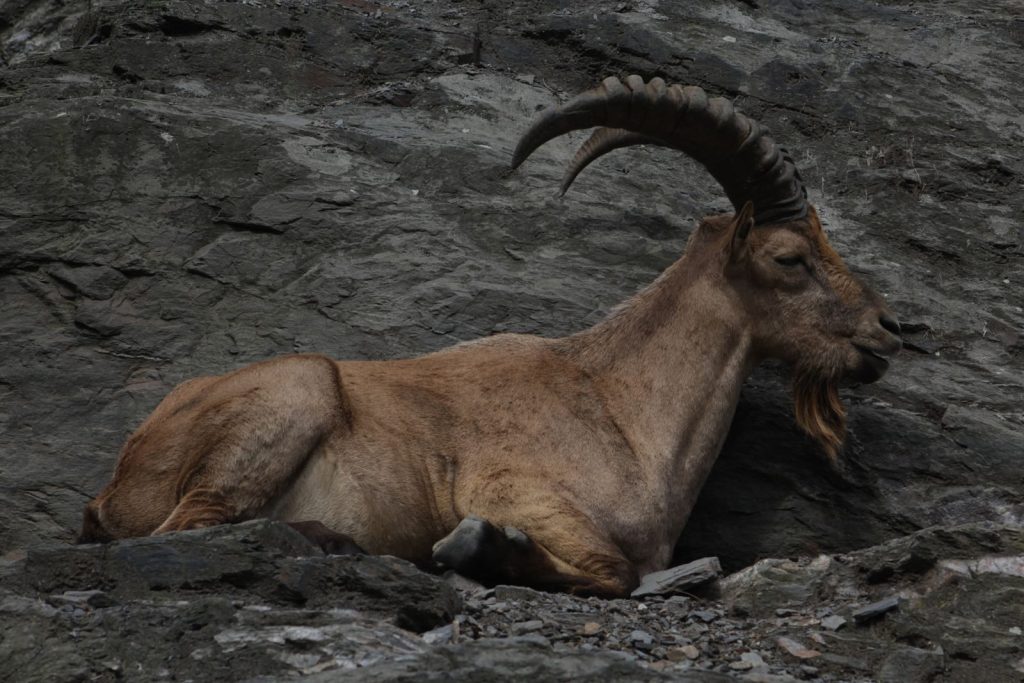
A serene alpine ibex resting on a rocky outcrop, showcasing its impressive horns and natural habitat.
Photo by EUGENIO BARBOZA on Pexels

Minerals can be difficult to obtain in mountain habitats. Water moving through the dam leaves salts on the surface, attracting ibex that lick the stone. The nutritional reward is strong enough to justify a climb that appears dangerously exposed.

Hooves Open and Grip

A wild ibex with impressive horns rests on rocky steps in a natural setting.
Photo by Alexandra Lavizzari on Pexels

An ibex hoof is split into two movable toes. The outer edges are hard enough to catch small rock projections, while the inner surfaces provide more flexible contact. The toes can spread and adjust independently when the animal places its weight on an uneven foothold.

Pads Add Friction
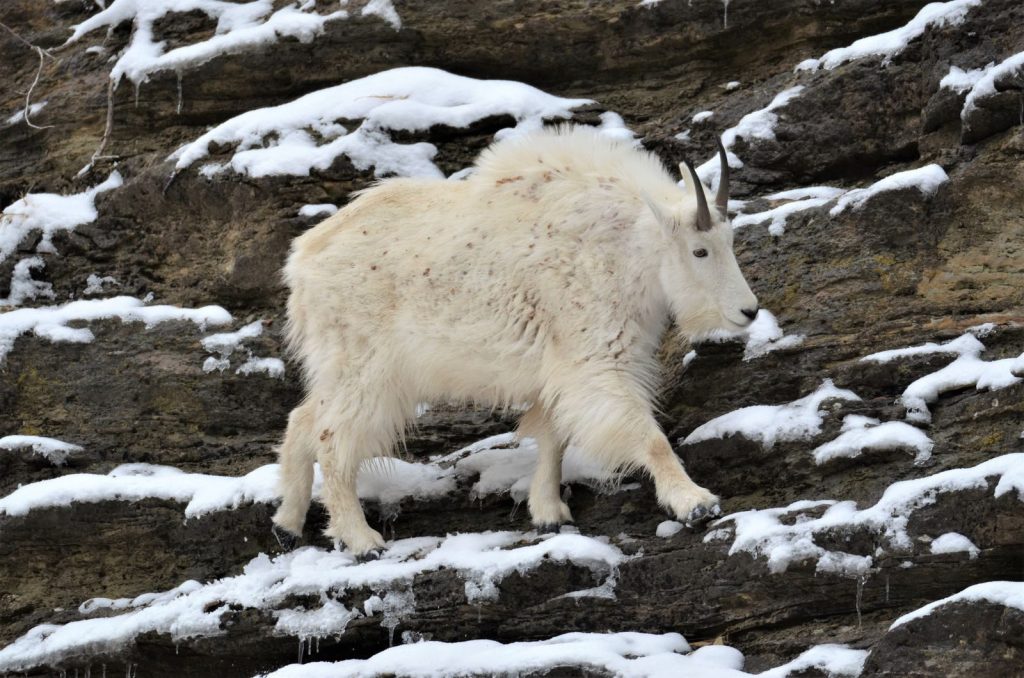
Mountain goat navigating a snowy cliffside in a wintery wilderness scene, showcasing its agility.
Photo by Marshall Bannister on Pexels

Softer, rubber-like pads beneath the hooves increase friction against stone. This combination of a hard gripping rim and flexible centre allows the foot to work on both sharp ledges and smoother surfaces, although no hoof can guarantee safety on every wall.

Balance Controls Every Step

A majestic mountain goat perched on cliffs above a sprawling cityscape.
Photo by Enrique on Pexels

Ibex keep their bodies close to the surface and move one foot at a time. Their strong shoulders, compact balance, flexible joints, and constant weight adjustments prevent sudden shifts. The climb depends more on precision than speed.

Females Often Climb Higher
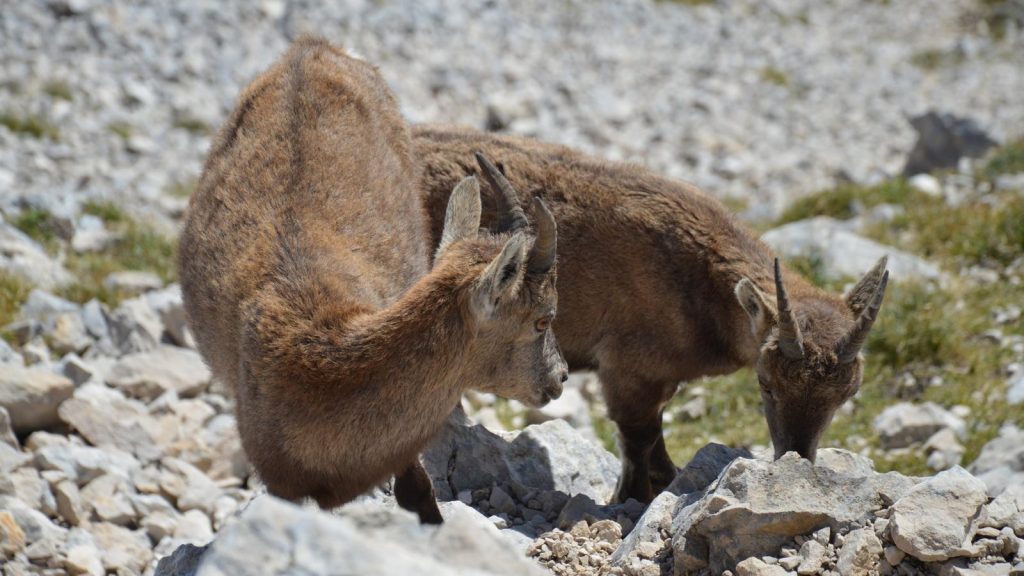
Two alpine ibexes grazing on rocky terrain in Gresse-en-Vercors, France.
Photo by SlimMars 13 on Pexels

Many dramatic dam photographs show females and young animals. Adult males are considerably heavier, so the smallest footholds may be less suitable for them. Females also seek secure terrain when protecting youngsters from predators and disturbance.

Cliffs Provide Refuge
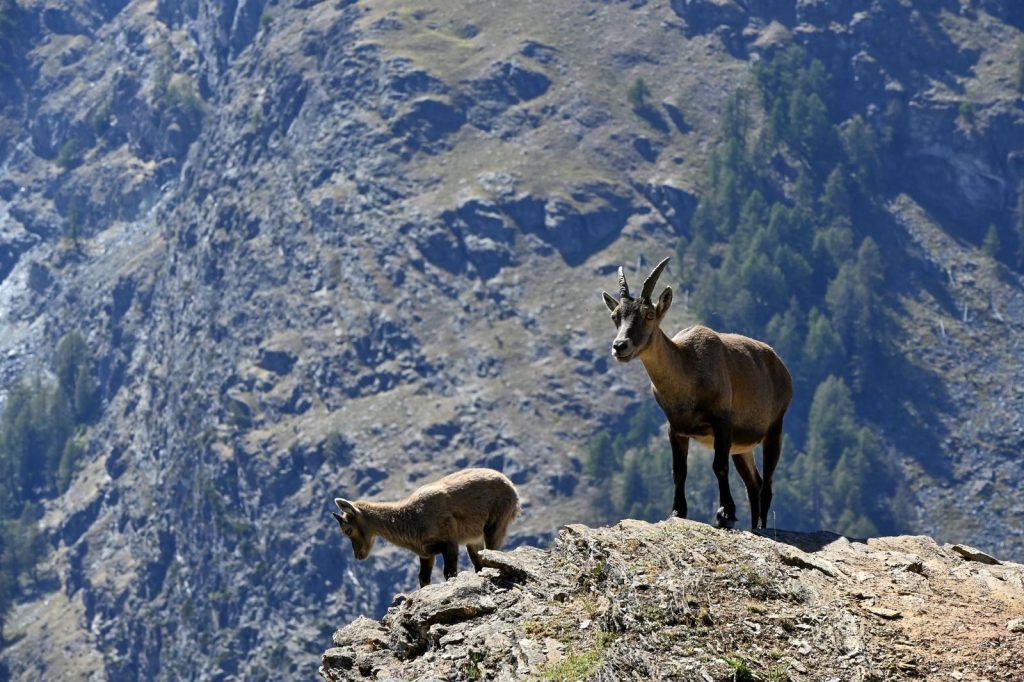
Two mountain goats stand on a rocky cliff against a rugged, mountainous backdrop.
Photo by leonardo prascina on Pexels

In natural habitats, steep cliffs help ibex escape wolves, lynx, and other predators that cannot move as confidently across exposed rock. The same adaptations used for survival on mountain slopes allow the animals to exploit artificial structures.

A Fall Is Still Possible

Wild mountain goats navigate a rugged rocky slope showcasing agility and resilience.
Photo by Thành Peter on Pexels

The animals are skilled, not invincible. Loose stone, ice, panic, crowding, or one misplaced hoof can cause injury. Visitors should remain distant, avoid shouting or approaching, and never place food where it encourages wildlife to enter unsafe human structures.

Featured Image: Photo by Oliver Wagenblatt on Pexels

Post navigation

Previous: 8 Facts About Lynx Tufts, Teeth, and Hunting
Next: Rescuers Free a Fox Cub From Garden Netting

Related Posts

Majestic winter view of snow-covered Mount Everest under a clear blue sky, captured from Khumjung, Nepal.

How Two Climbers Survived Everest Without Bottled Oxygen

August 7, 2026August 7, 2026 Jake
Captivating close-up of a grizzly bear showcasing its expressive features at İstanbul Zoo.

How to Respond During Dangerous Animal Encounters

August 7, 2026August 6, 2026 Jake
A pair of kangaroos resting beside a wooden post in a lush outdoor environment.

A Man Fought a Kangaroo in Floodwater: Here’s What Really Happened

August 5, 2026August 5, 2026 Jake

Leave a Reply Cancel reply

Your email address will not be published. Required fields are marked *

Recent Posts

  • Rescuers Free a Fox Cub From Garden Netting
  • How Ibex Climb Near-Vertical Walls for Minerals
  • 8 Facts About Lynx Tufts, Teeth, and Hunting
  • Sperm Whales Hunt Giant Squid and Carry the Scars
  • 9 of the Loudest Animals Ever Measured
Copyright All Rights Reserved | Theme: BlockWP by Candid Themes.