There is no exotic pet that “anyone can own.” Laws differ by country, state, and city, and suitable care depends on household age, health, space, budget, veterinary access, and experience. The American Veterinary Medical Association warns that exotic-animal ownership can involve welfare, public-health, safety, and environmental concerns. A responsible choice begins with research, not with how unusual an animal looks.
The animals below are commonly kept in captivity and can be manageable for the right prepared owner, but none is universally suitable. Reptiles need carefully controlled environments and can carry Salmonella even when healthy. Small mammals and birds also need specialized diets, social conditions, hygiene, and veterinary care. Before acquiring any nontraditional pet, confirm local legality, find an experienced veterinarian, and understand the animal’s full lifespan and adult requirements.
Corn Snake

Corn snakes are often considered among the more manageable pet snakes because captive-bred individuals are generally moderate in size and can thrive when basic husbandry is correct. That still means providing a secure enclosure, appropriate temperature range, hiding places, water, and a suitable prey-based diet. Merck Veterinary Manual lists corn snakes among reptiles requiring species-specific environmental control. Like other reptiles, they can carry Salmonella without appearing sick, so handwashing and keeping enclosure equipment away from food-preparation areas are important parts of ownership.
Ball Python
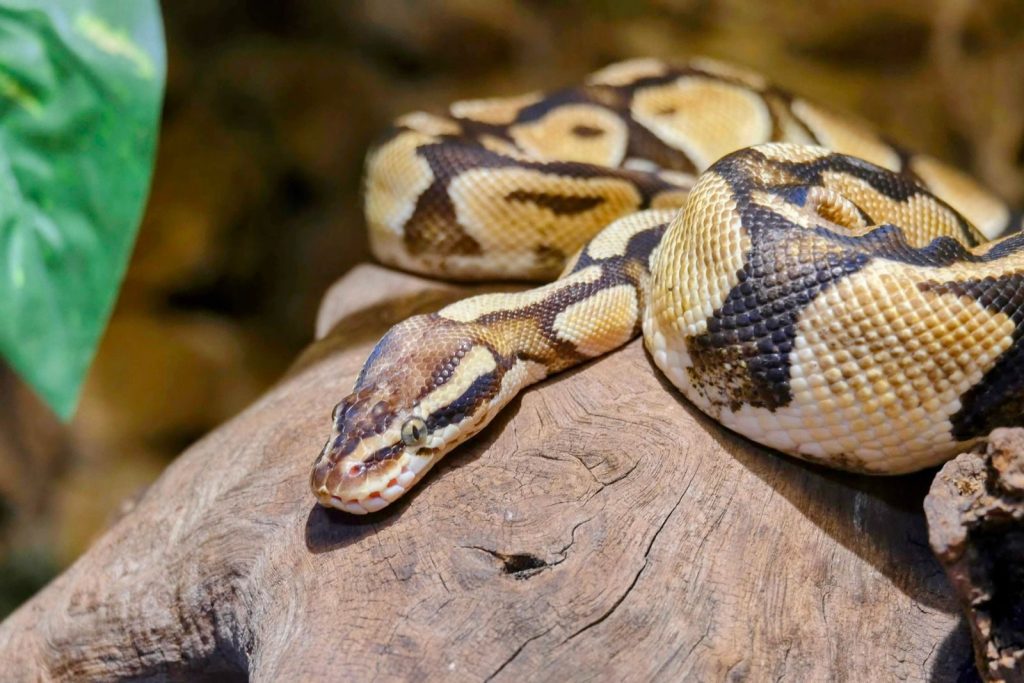
Ball pythons are popular because many individuals are relatively calm and do not reach the enormous size of some constrictors. Their care is not effortless. Merck Veterinary Manual lists specific temperature and humidity needs, and the enclosure must allow normal hiding and thermoregulation while preventing escape. They can also live for many years, turning an impulse purchase into a long commitment. Feeding problems, poor sheds, and illness can follow inadequate husbandry. Prospective owners should locate a reptile-experienced veterinarian before bringing one home.
Leopard Gecko
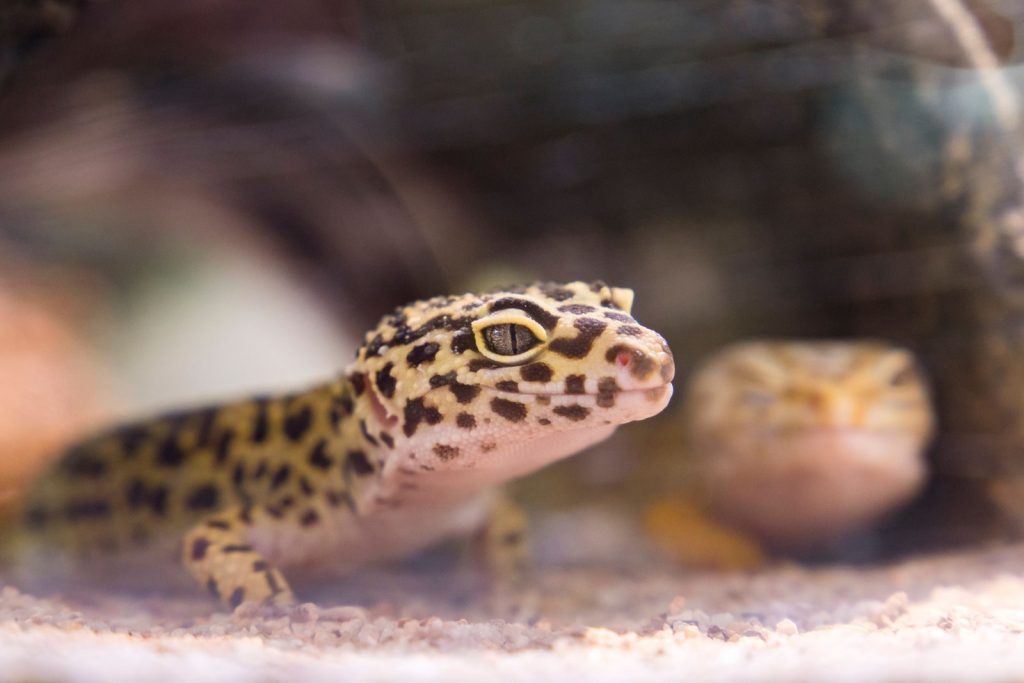
Leopard geckos are small terrestrial lizards commonly kept as pets, but their enclosure still has to recreate important features of an arid environment. Temperature gradients, safe hides, appropriate substrate, nutrition, calcium balance, and clean water all matter. Merck Veterinary Manual includes leopard geckos among reptiles with defined husbandry requirements rather than animals that can simply live in a small tank at room temperature. CDC guidance also applies: healthy geckos can carry Salmonella, so careful handwashing is essential after handling the animal or anything inside its enclosure.
Crested Gecko
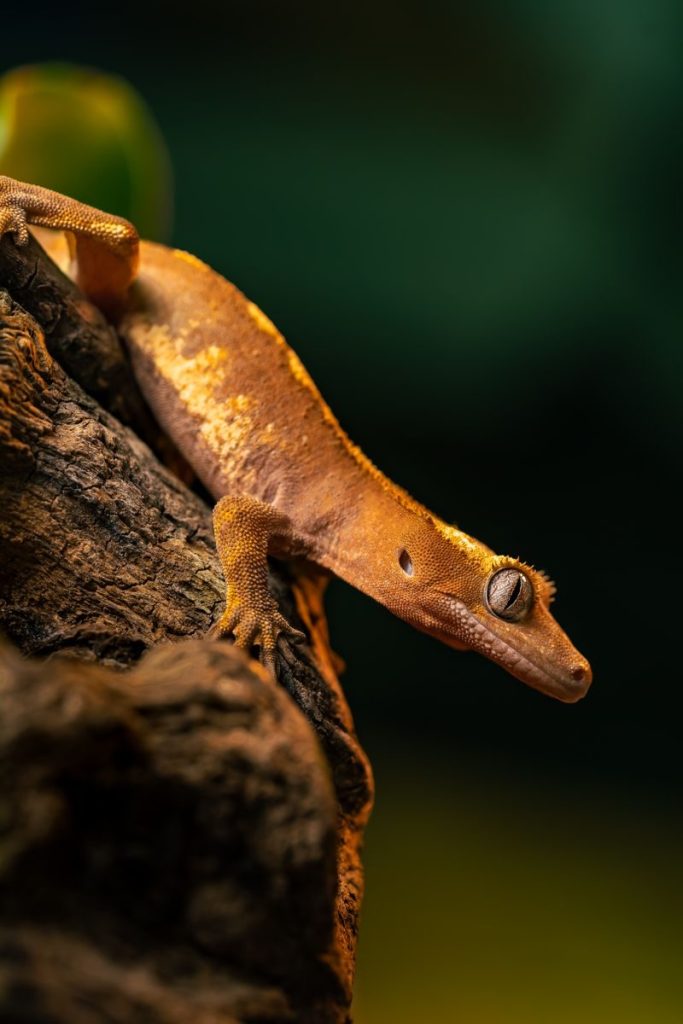
Crested geckos are arboreal reptiles, so a suitable home must provide vertical climbing space, secure branches or vegetation, appropriate humidity, and temperatures within the species’ safe range. Their popularity does not make them maintenance-free. Diet, shedding, hydration, enclosure hygiene, and access to knowledgeable veterinary care remain important. As with other geckos, owners should assume that Salmonella exposure is possible even when an animal looks perfectly healthy. Children under five and people with weakened immune systems face higher risks from reptile-associated infections and require extra caution.
Bearded Dragon
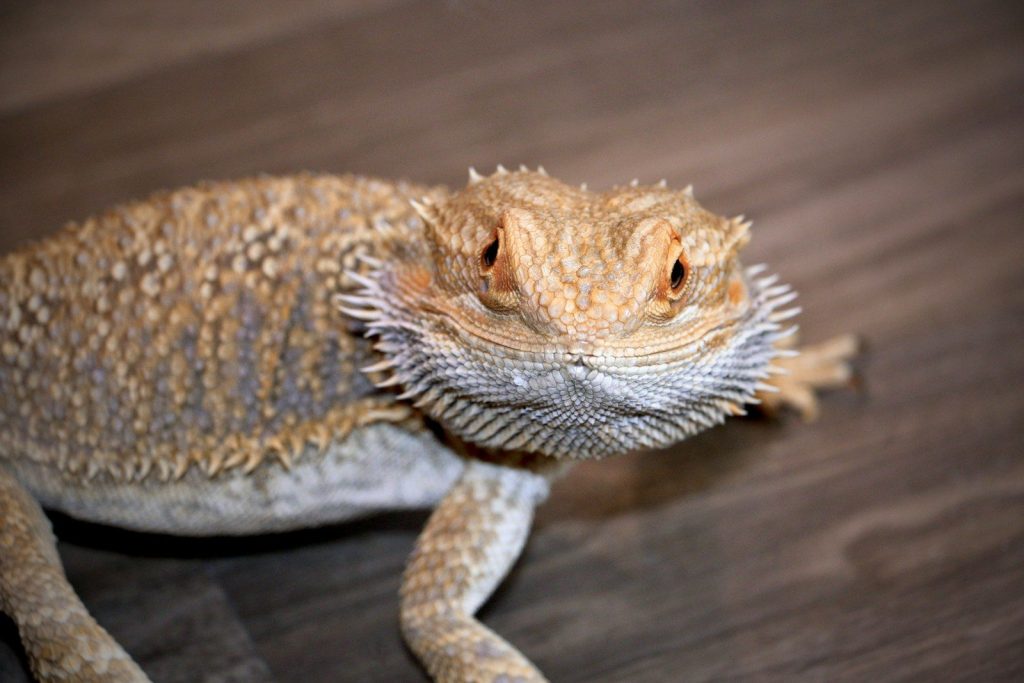
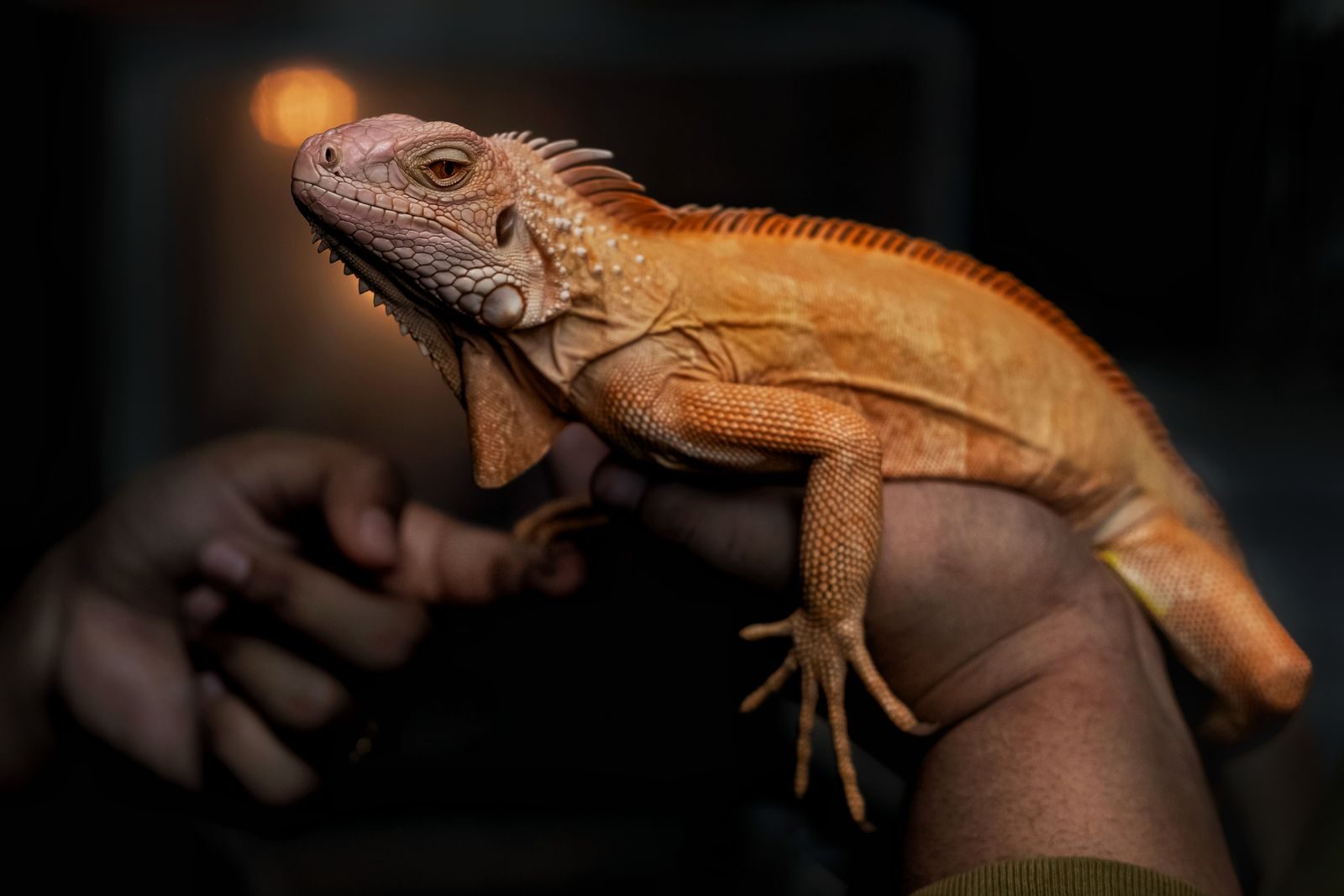
Bearded dragons can become familiar, interactive captive animals, but their husbandry is more technical than their relaxed appearance suggests. They require a correctly sized enclosure, controlled heat, suitable ultraviolet lighting, and an age-appropriate diet. Errors in lighting or nutrition can contribute to serious bone and metabolic problems. CDC has repeatedly investigated Salmonella outbreaks linked to pet bearded dragons, demonstrating that cleanliness is not enough to eliminate bacterial carriage. Owners need both reptile husbandry knowledge and routine hygiene rather than treating the lizard like a conventional household pet.
Guinea Pig
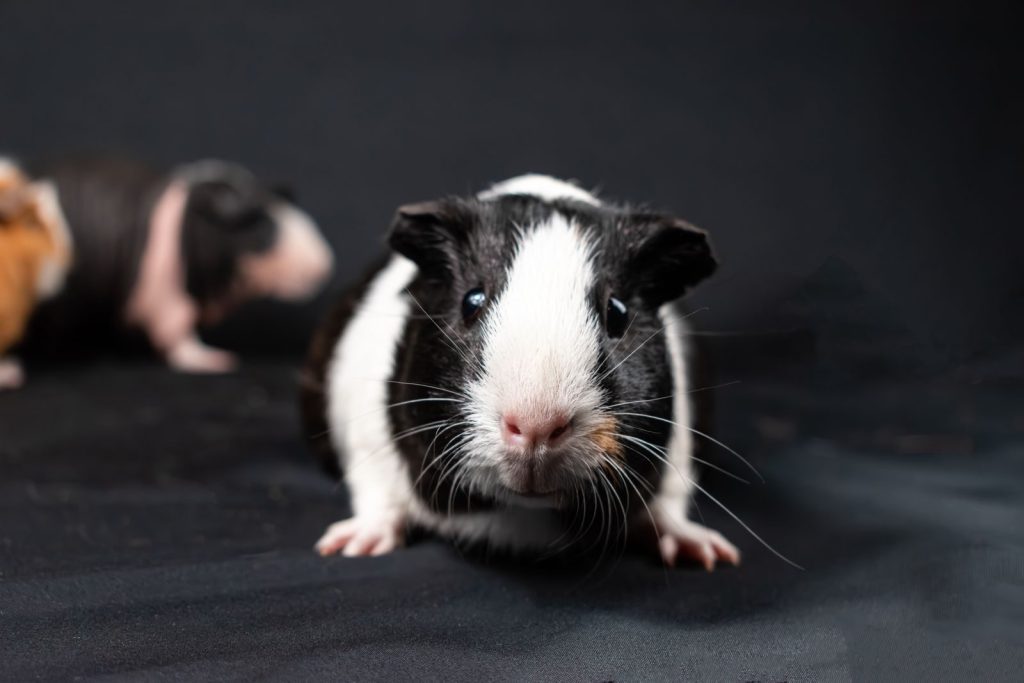
Guinea pigs are domesticated small mammals rather than wild exotics, but many veterinary practices classify their care as exotic-animal medicine. Merck Veterinary Manual notes that they require substantial floor space, good ventilation, hiding areas, high-fiber food, and a regular dietary source of vitamin C because they cannot make enough themselves. Their needs are therefore different from those of rabbits, hamsters, or rats. A small body does not mean a small commitment. Enclosure cleaning, companionship, dental health, diet quality, and access to an experienced veterinarian all matter.
Fancy Rat

Domesticated rats are intelligent, active, and highly social, and Merck Veterinary Manual recommends keeping them with compatible companions rather than in isolation. They need a well-ventilated, escape-resistant enclosure, safe bedding, exercise opportunities, things to climb and gnaw, and a balanced diet. Rats are naturally most active at night, which can matter when deciding where to place their enclosure. They can also develop respiratory disease and tumors, so veterinary care should be planned in advance. Their short lifespan can be emotionally difficult for owners who become strongly attached.
Budgerigar
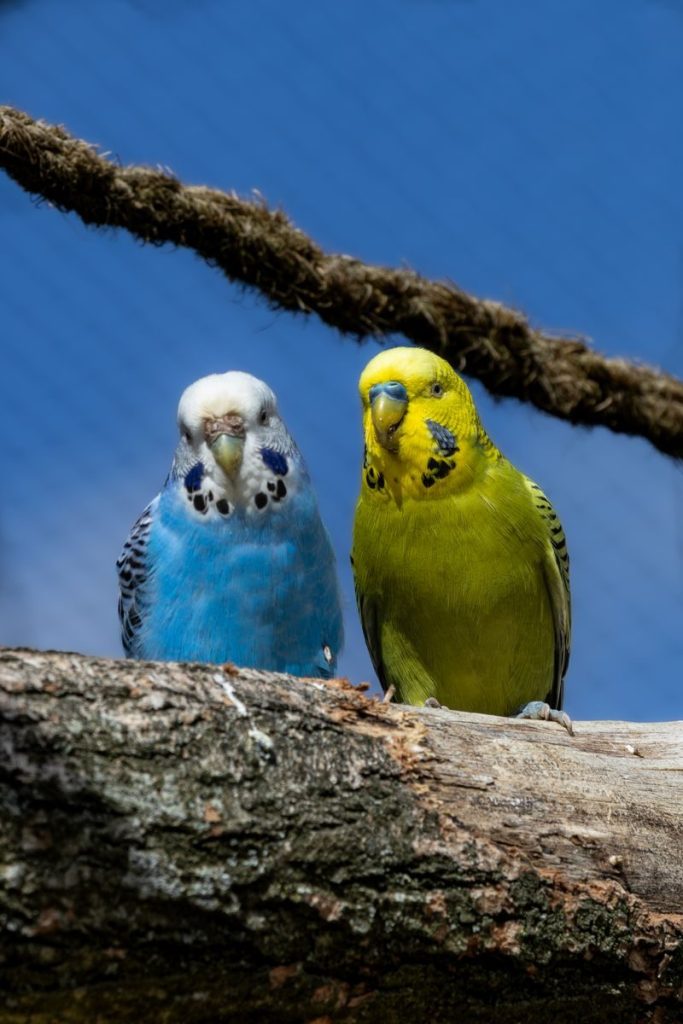
Budgerigars are small parrots, but small size should not be confused with simple care. Birds need a roomy, clean enclosure, opportunities for movement and enrichment, fresh water, an appropriate varied diet, and social interaction suited to the individual. Merck Veterinary Manual recommends balanced nutrition rather than an all-seed diet for small pet birds. Budgies can live for years and require avian veterinary care when ill. Anyone considering one should think about noise, daily cleaning, flight safety, household hazards, and whether the bird will receive enough stimulation and companionship.
Featured Image: Photo by Andreas Suwardy on Pexels