What looks like harmless “pet adoption” posts on social media may actually be hiding one of the fastest growing illegal wildlife markets in the world. Behind cute animal photos and friendly captions, researchers say thousands of wild animals are being quietly traded online, often without proper care, regulation, or oversight. Experts warn that this hidden trade is not only harming animals but also raising serious concerns for ecosystems and public health.
A Hidden Marketplace Hiding in Plain Sight
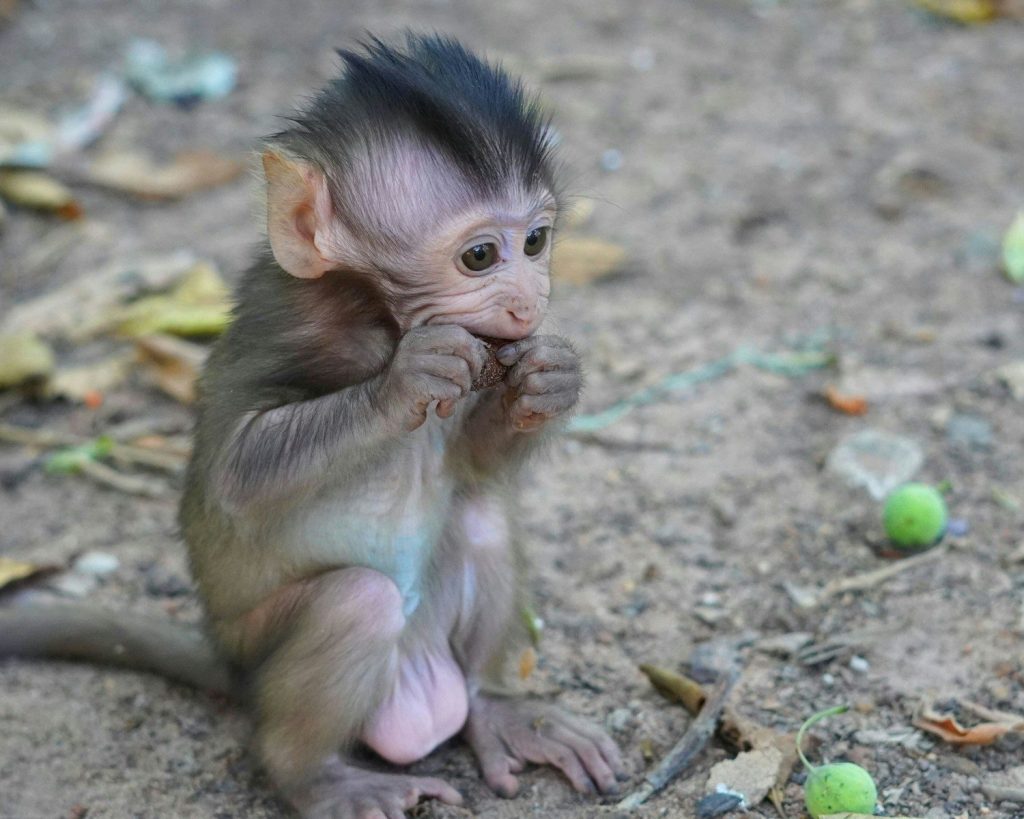
Wildlife trafficking is increasingly shifting from physical black markets to online platforms where detection is harder. Social media posts often use coded or softened language like “rehoming” or “looking for a new family” to avoid moderation systems. Researchers monitoring multiple platforms found thousands of posts advertising primates and other exotic animals. Many of these listings appear legitimate at first glance, which makes enforcement extremely difficult.
The Rise of Primates in Illegal Listings
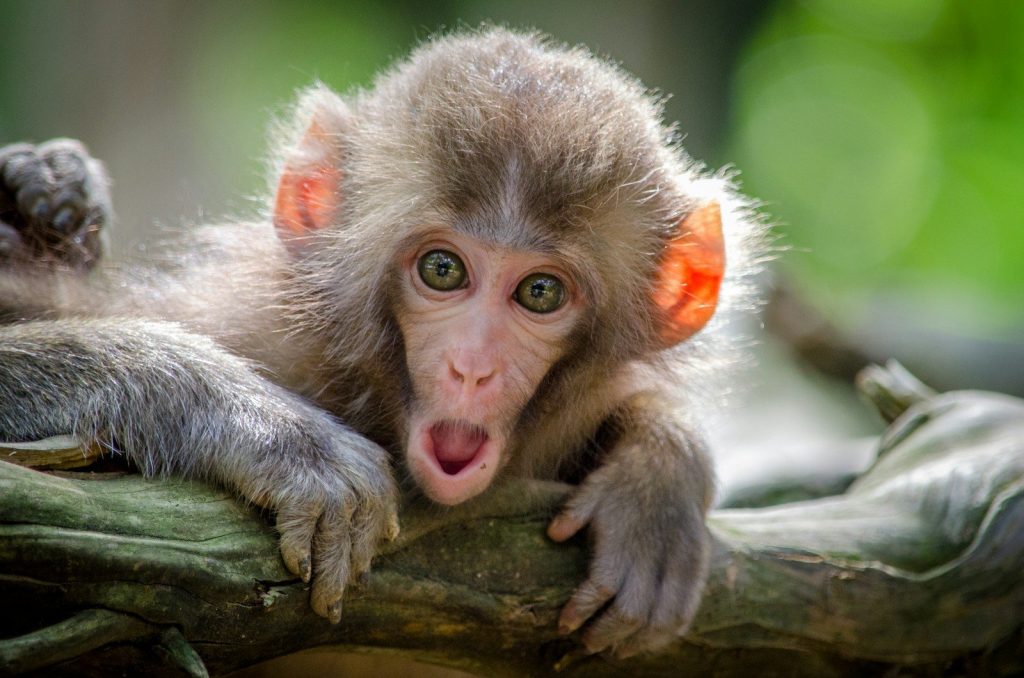
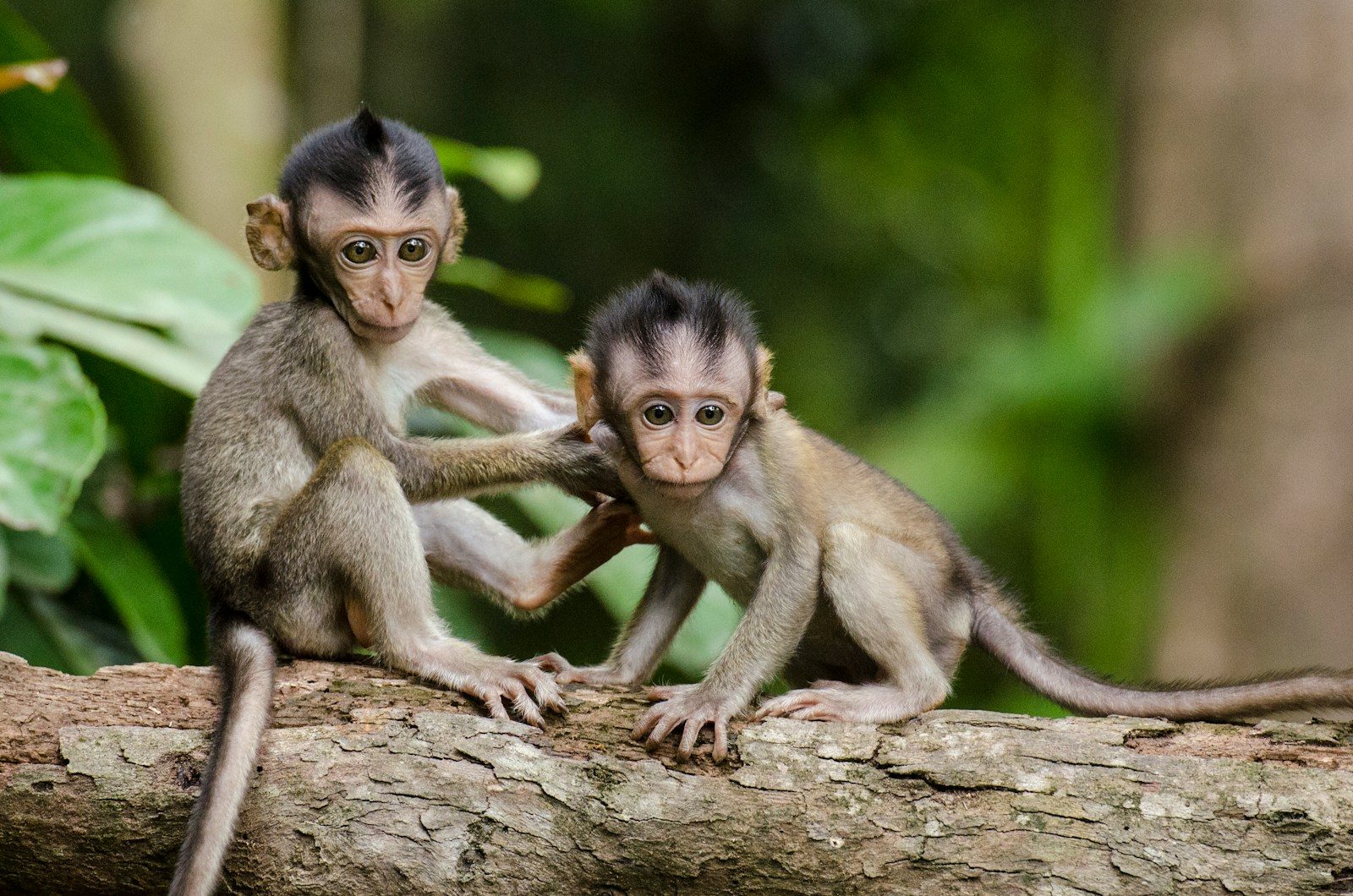
Among the most frequently traded animals online are primates, including macaques, marmosets, capuchins, and lemurs. These animals are often portrayed as cute and manageable pets, especially when they are young. However, experts say most primates are taken from the wild or bred under poor conditions for profit. Juveniles are especially targeted because they are easier to sell and attract more buyers.
Why Baby Animals Dominate Illegal Wildlife Sales
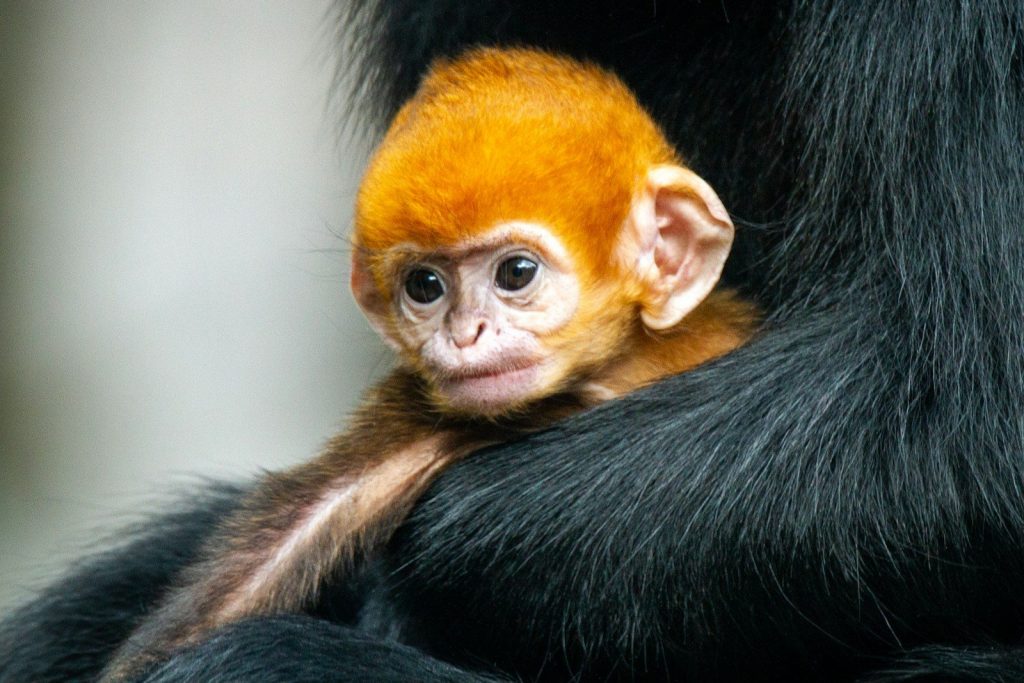
Young animals dominate illegal listings because they are more likely to bond quickly with humans. This makes them appear easier to care for, which increases demand among buyers who are unaware of the long-term challenges. As these animals grow, however, their behavior can become unpredictable and difficult to manage. Many end up abandoned or kept in unsuitable conditions that affect their health and wellbeing.
Health Risks Linked to the Illegal Wildlife Trade
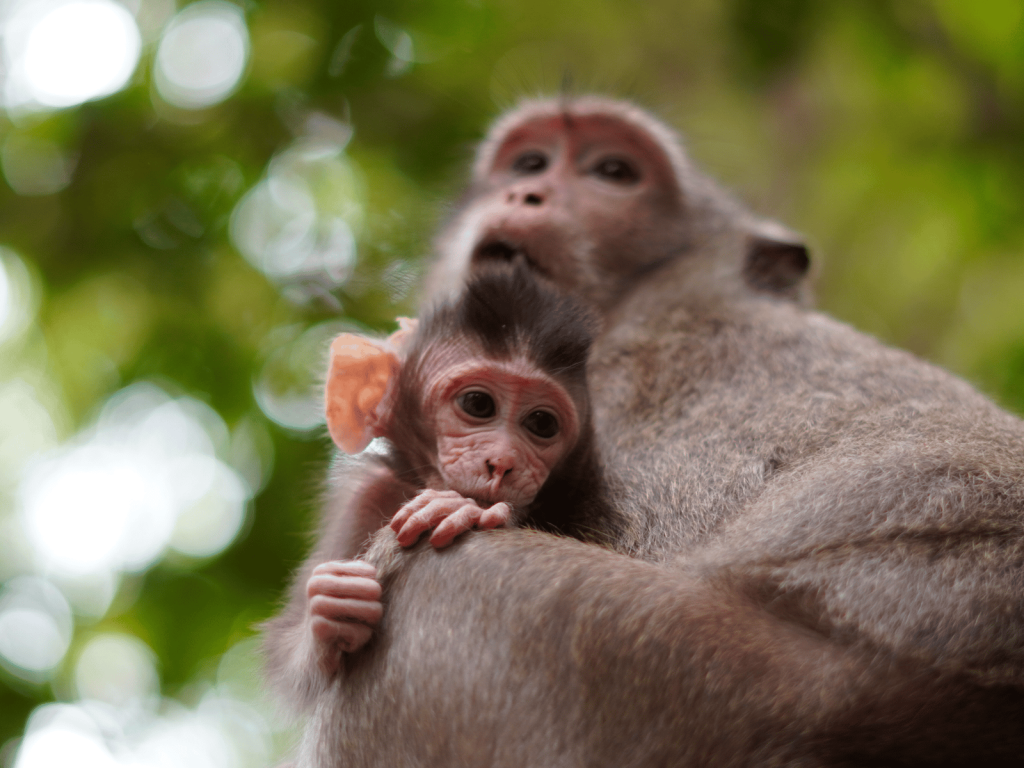
One of the major concerns linked to wildlife trafficking is the risk of disease transmission. Primates in particular can carry pathogens that may spread between animals and humans. Without veterinary screening or quarantine procedures, illegally traded animals may introduce bacteria or viruses into new environments. Scientists warn that even small outbreaks can become serious public health concerns.
Ecological Damage Caused by Removing Wild Species
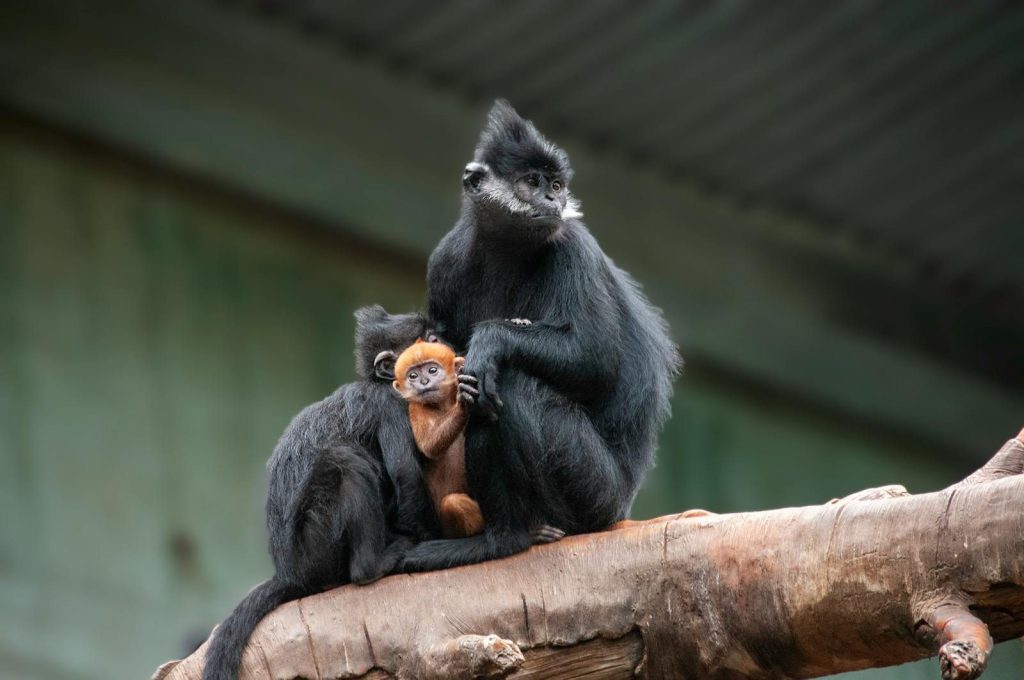
Removing animals from their natural habitats can disrupt delicate ecosystems. Many primates play important roles in seed dispersal and forest regeneration, meaning their absence can affect plant growth and biodiversity. If trafficked animals are released or escape, they may also struggle to survive in unfamiliar environments. In some cases, they can even become invasive and compete with native species.
Social Media Has Become a Major Driver of Illegal Trade

Digital platforms have unintentionally become major hubs for wildlife trafficking. Private groups, encrypted chats, and coded language allow sellers to bypass detection systems. Although platforms are improving enforcement, the speed and scale of online activity make it difficult to fully control. Experts say stronger monitoring tools and public awareness are essential to reducing demand.