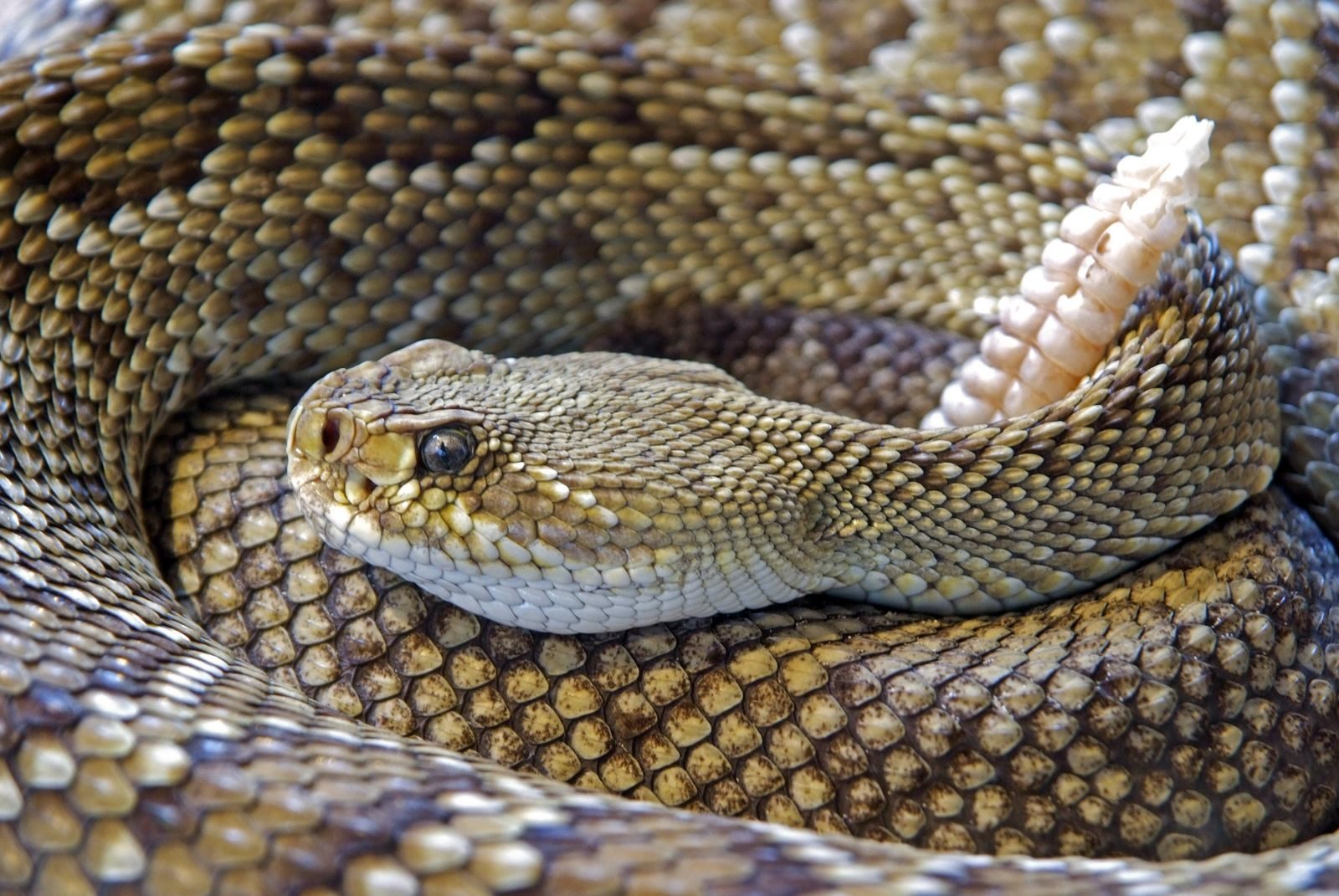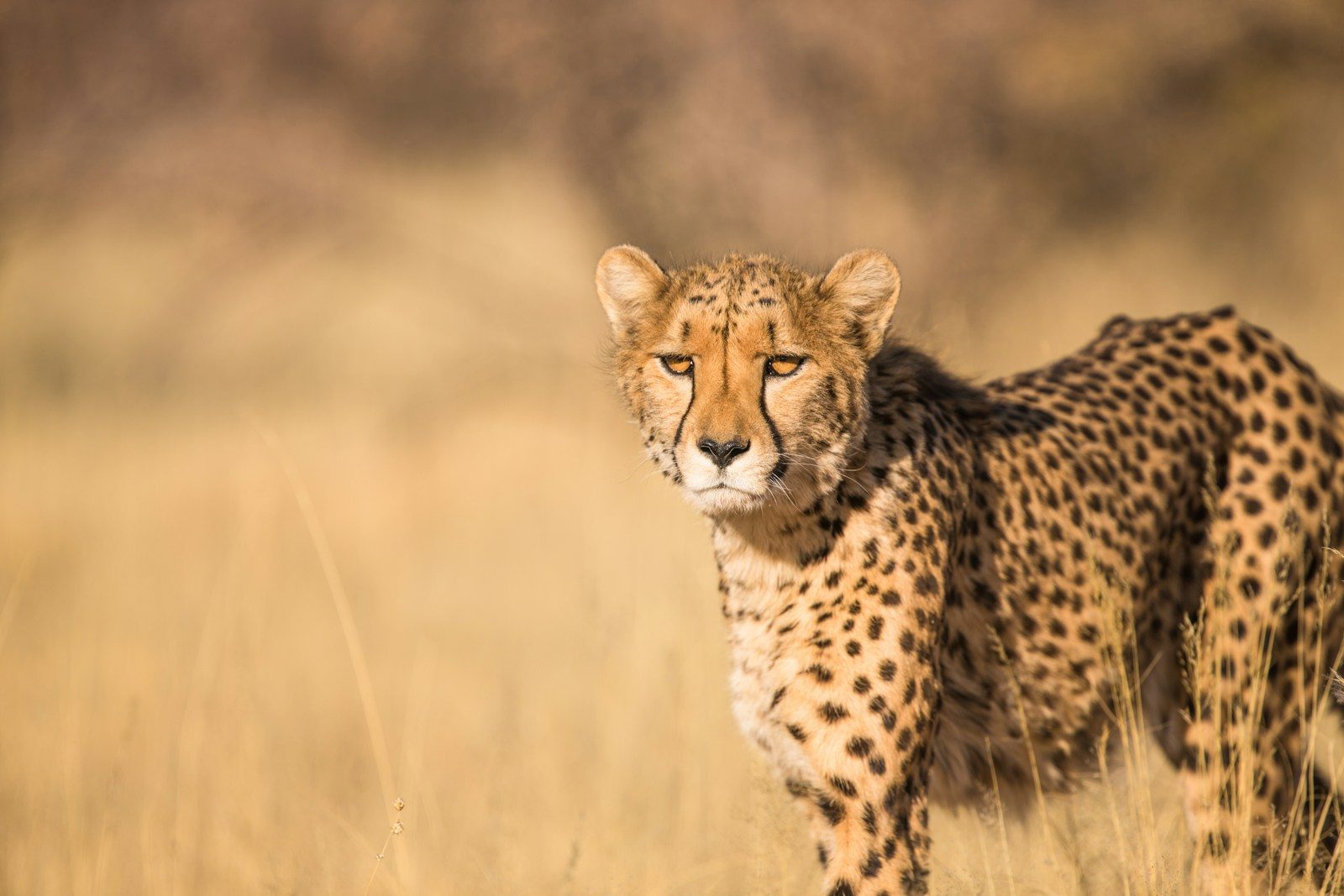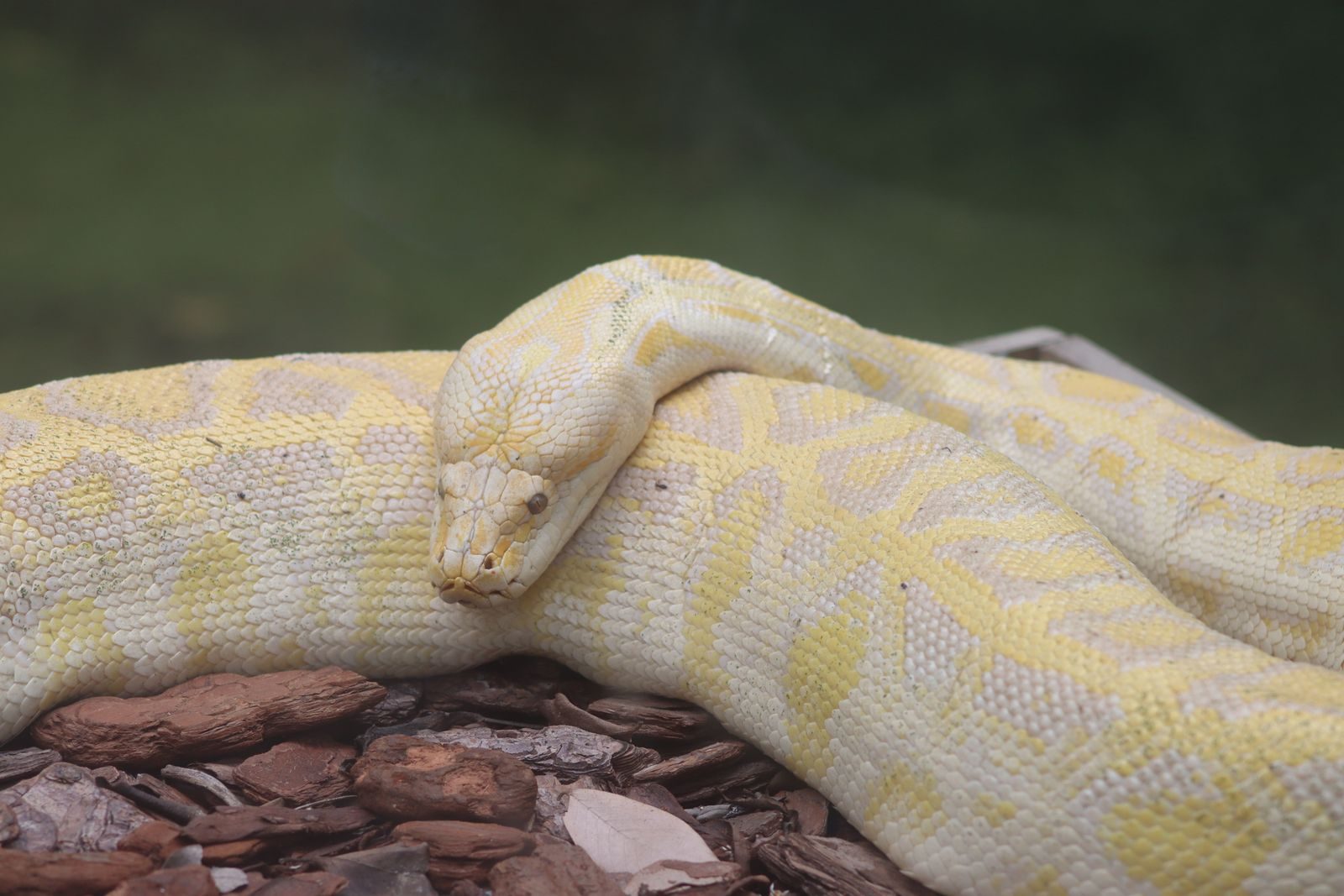
Once relatively unknown to many people, this unusual animal is now one of the most heavily trafficked creatures in the world. Valued as a delicacy in certain regions and also used in traditional practices, it is disappearing at an alarming rate despite international protection efforts.
A unique animal in high demand
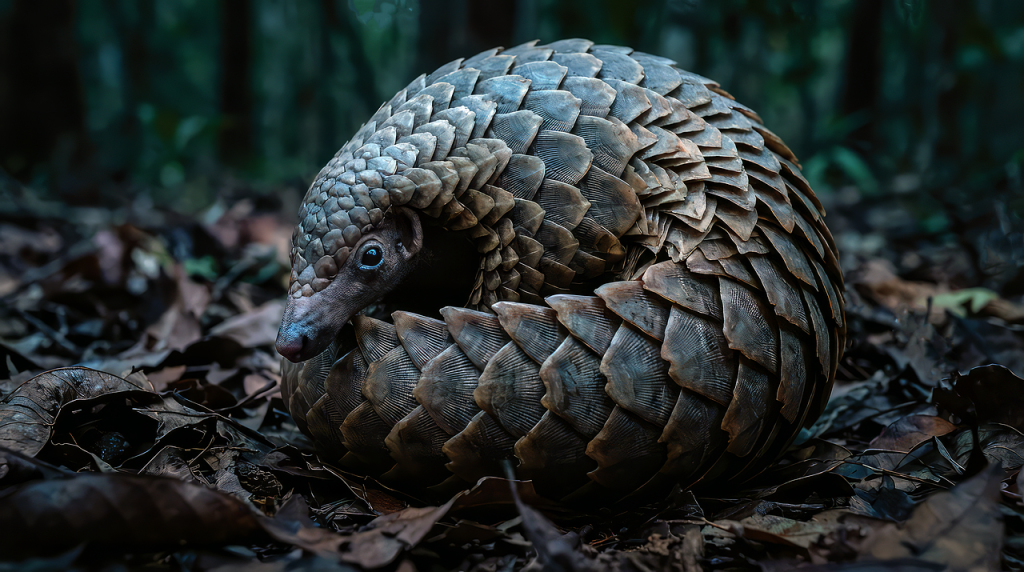
The animal at the center of this crisis is the pangolin, a nocturnal mammal covered in protective keratin scales. Found in parts of Asia and Africa, pangolins are known for their shy behavior and ability to roll into a tight ball when threatened. Unfortunately, these very traits make them easy targets for illegal capture.
Why it is considered a delicacy
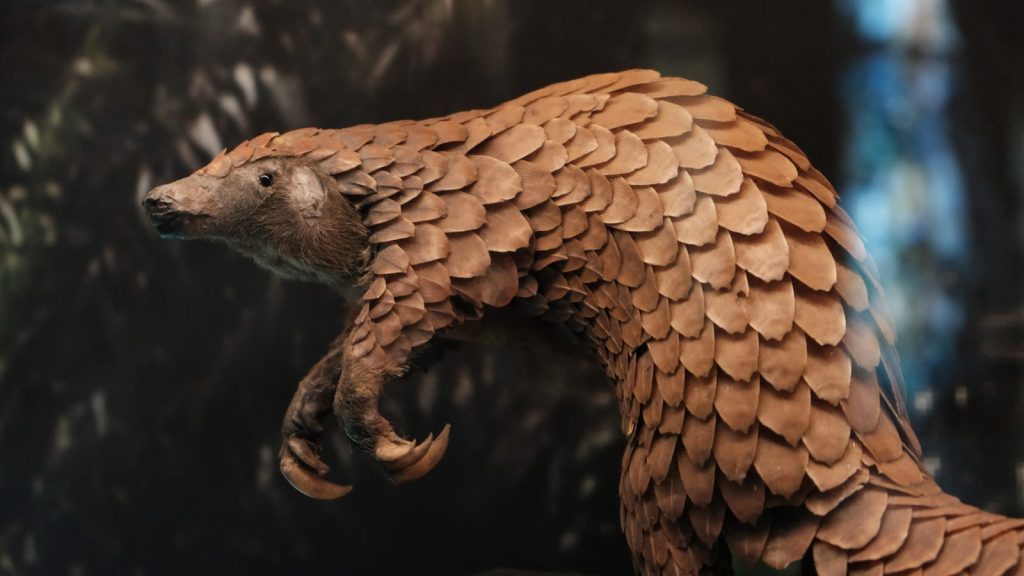
In some cultures, pangolin meat is regarded as a luxury food item, often served in high-end restaurants or at private gatherings. This demand has fueled extensive illegal hunting and trafficking networks. Despite bans, the trade continues due to high market prices and persistent demand.
A major driver of illegal wildlife trafficking
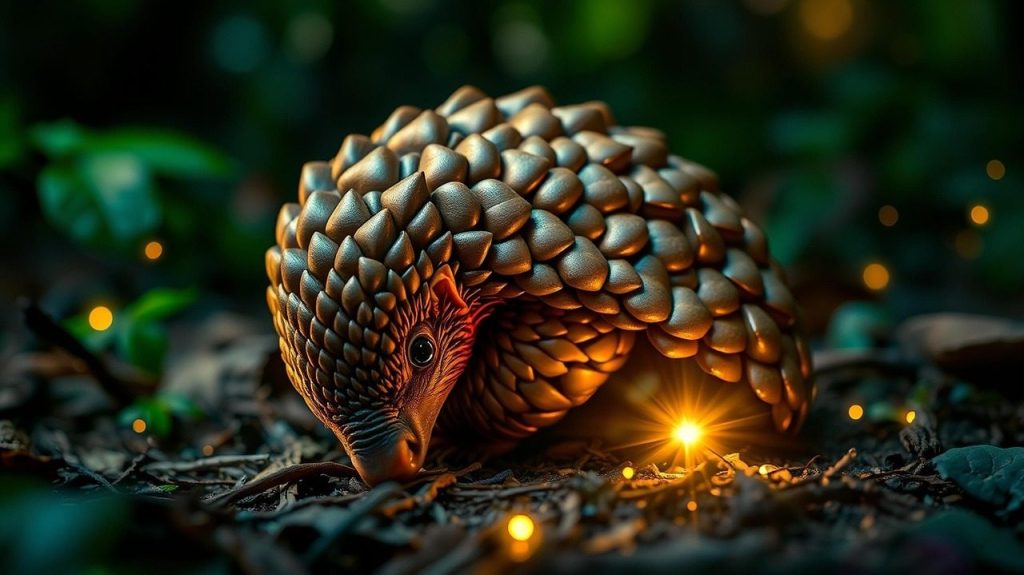
Pangolins are now considered the most trafficked mammals on Earth. Their scales, made of keratin like human fingernails, are falsely believed to have medicinal value in some traditional systems. This has led to large-scale poaching across their natural habitats.
Rapid population decline across species
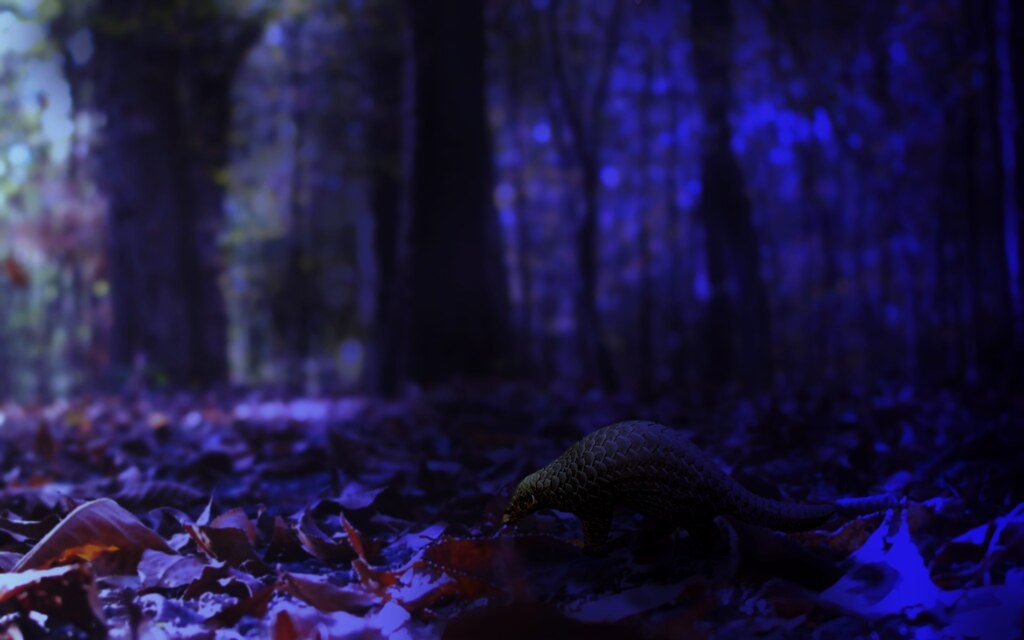
All eight known species of pangolin are now threatened, with several classified as critically endangered. Conservationists warn that population declines are accelerating in many regions due to habitat loss and illegal trade combined.
Global efforts to protect the species
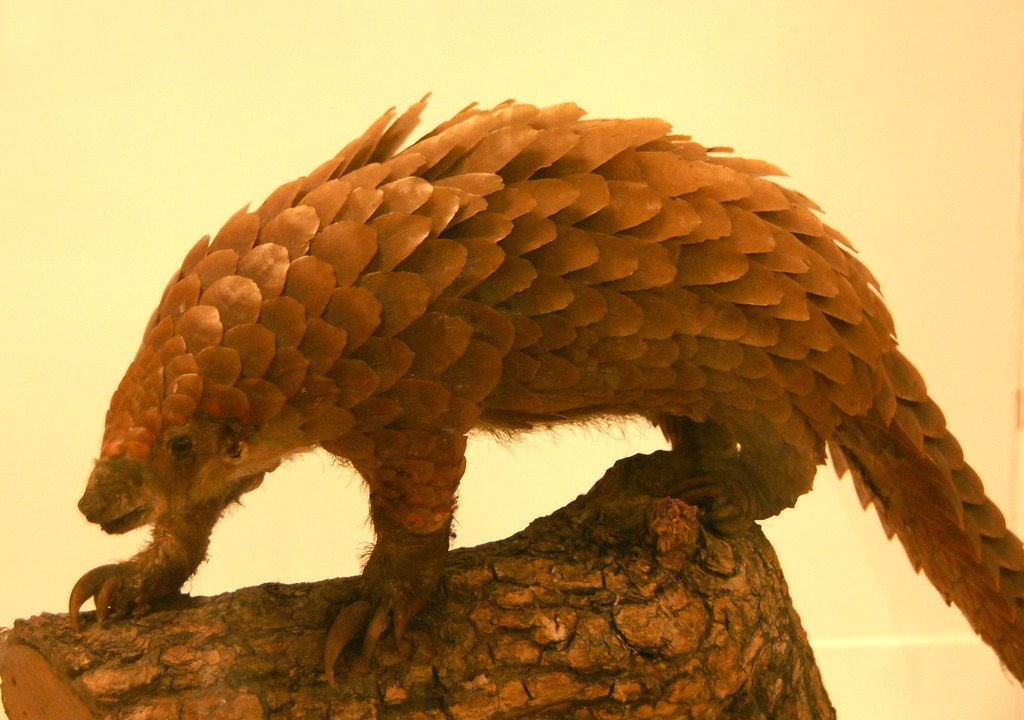
International wildlife agreements have banned commercial trade in pangolins, and enforcement efforts have increased in recent years. Conservation groups are also working on rescue, rehabilitation, and awareness campaigns to reduce demand and protect remaining populations.
Why their survival matters
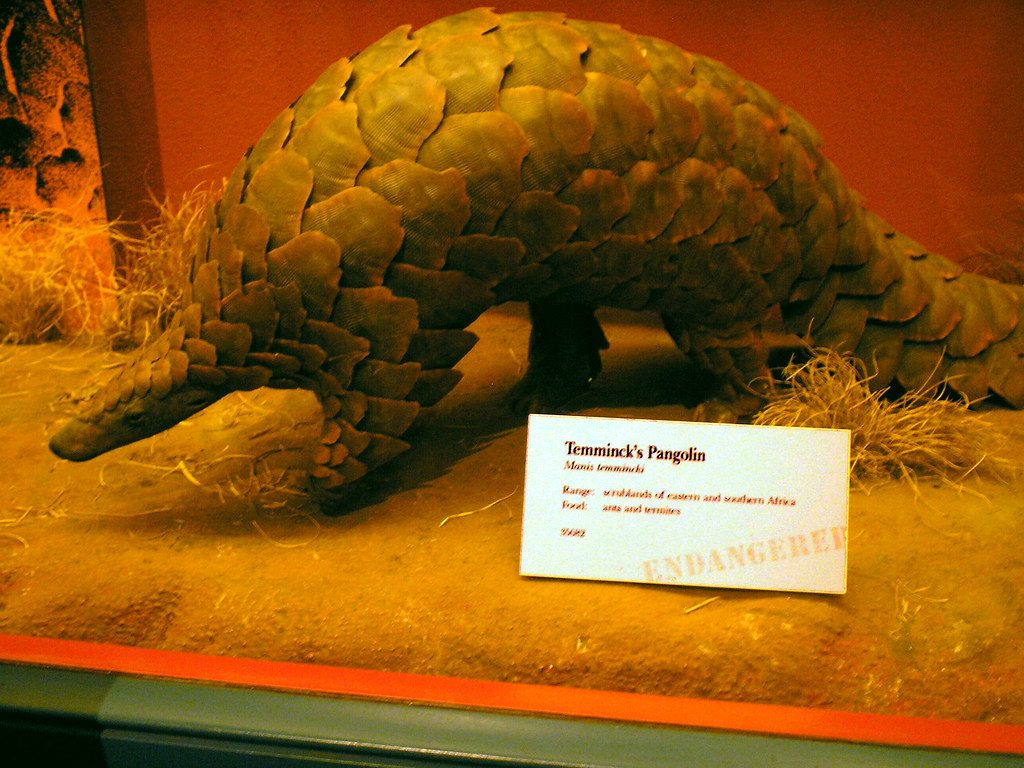
Pangolins play an important role in ecosystems by controlling insect populations, especially ants and termites. Their decline could disrupt ecological balance in forests and grasslands where they live.