Not all animals can easily return to nature after living alongside humans. Over time, domestication or long-term human care can change behavior, instincts, and survival skills, making independent life in the wild extremely difficult or even impossible.
When animals are raised or bred around humans, their survival skills can weaken across generations. Traits like hunting ability, fear of predators, and food gathering may be reduced or lost entirely.
This does not mean these animals are weak, but rather that they have adapted to environments where humans provide food and protection. Without that support, many would struggle to survive.
Dogs Descended From Wolves But Depend on Humans
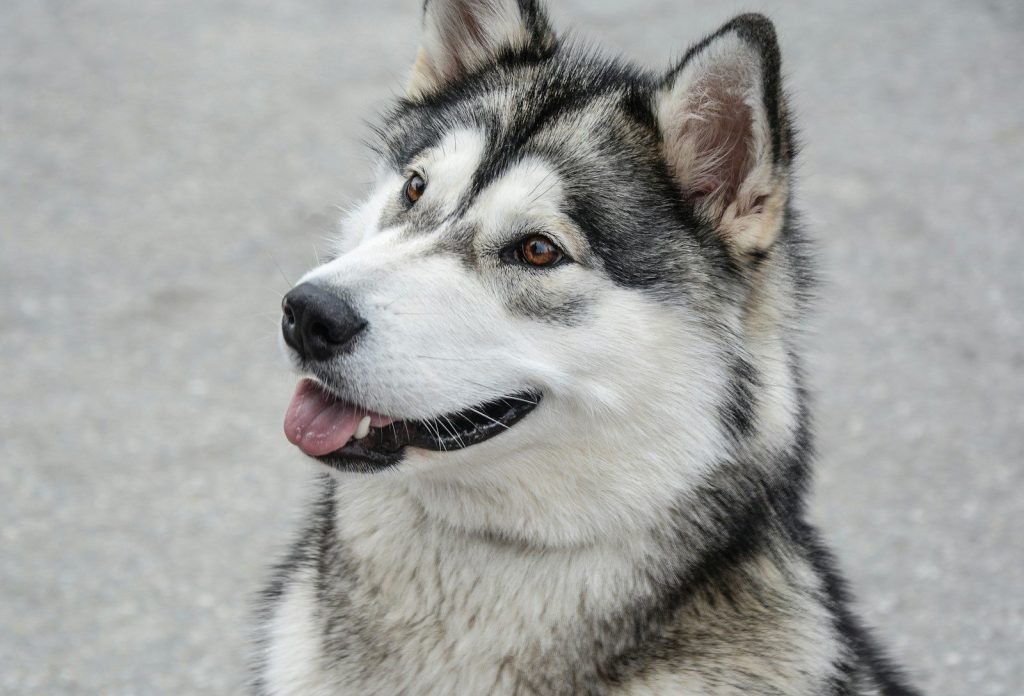
Domestic dogs are one of the clearest examples of wild animals transformed by domestication. Although they share ancestry with wolves, most dogs rely heavily on humans for food, shelter, and protection.
Many breeds lack the hunting instincts and pack behaviors needed for survival in the wild. Even feral dogs often struggle without human proximity.
Cattle Are Too Dependent on Managed Environments
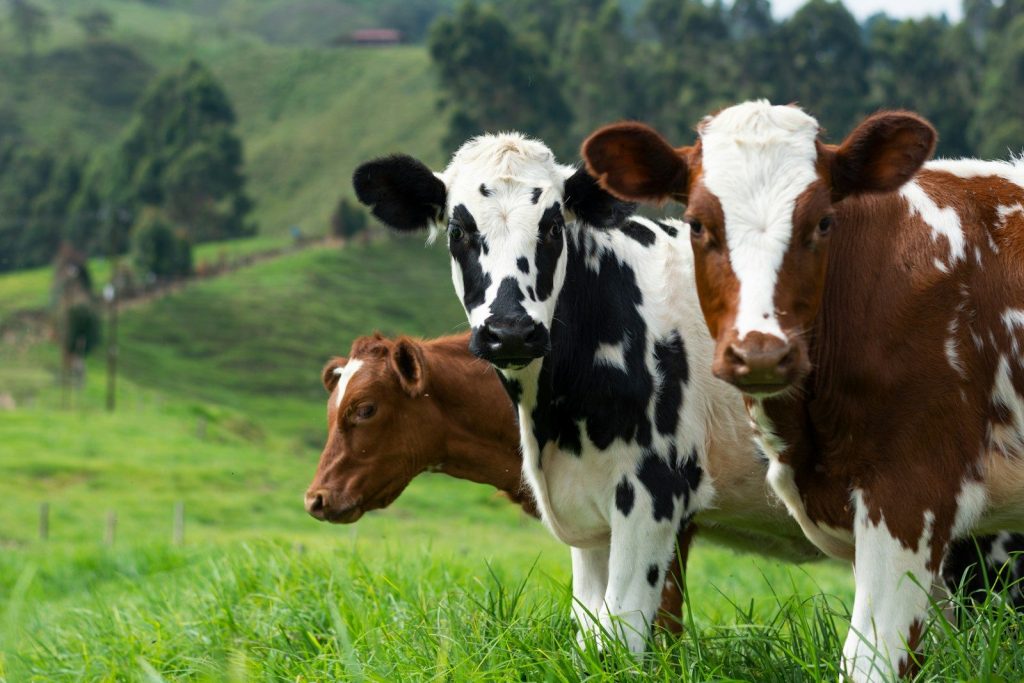
Cattle have been selectively bred for thousands of years to produce milk, meat, or labor rather than survival efficiency. As a result, they are slow-moving and often lack strong predator awareness.
In the wild, they would face difficulty escaping predators and finding suitable food sources. Their survival depends heavily on managed farmland conditions.
Chickens Lose Natural Defense Skills
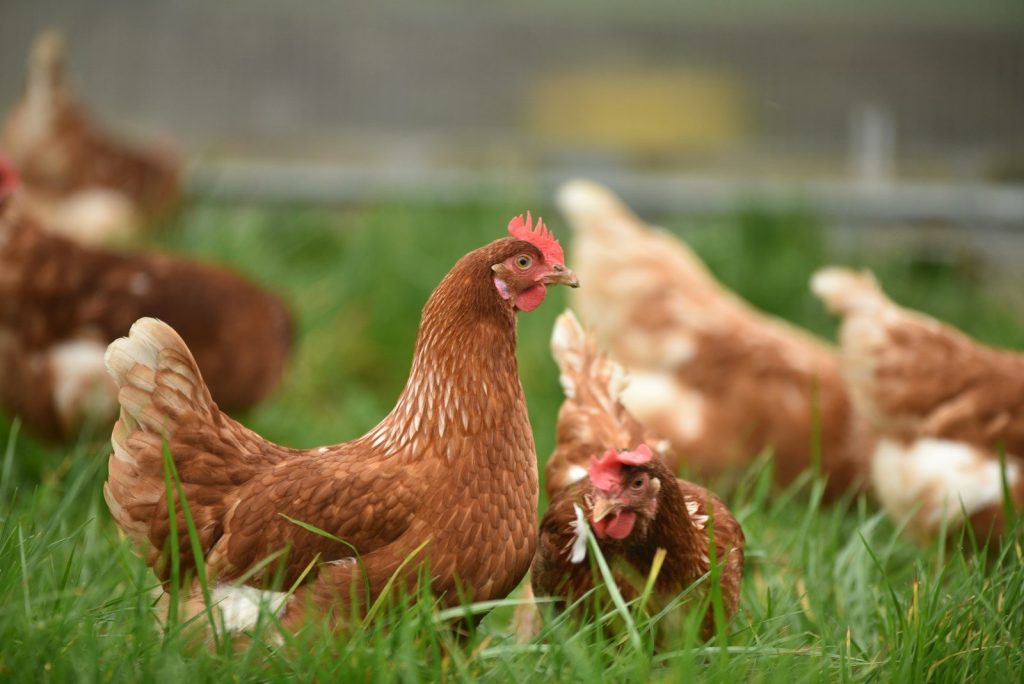
Domestic chickens are descendants of wild junglefowl, but modern breeds have been shaped for productivity rather than survival. They are often vulnerable to predators due to limited flight ability and reduced awareness.
While some feral chickens exist, most domestic chickens would struggle in environments with natural predators. Their dependence on human protection is significant.
Rabbits Raised in Captivity Face High Risk
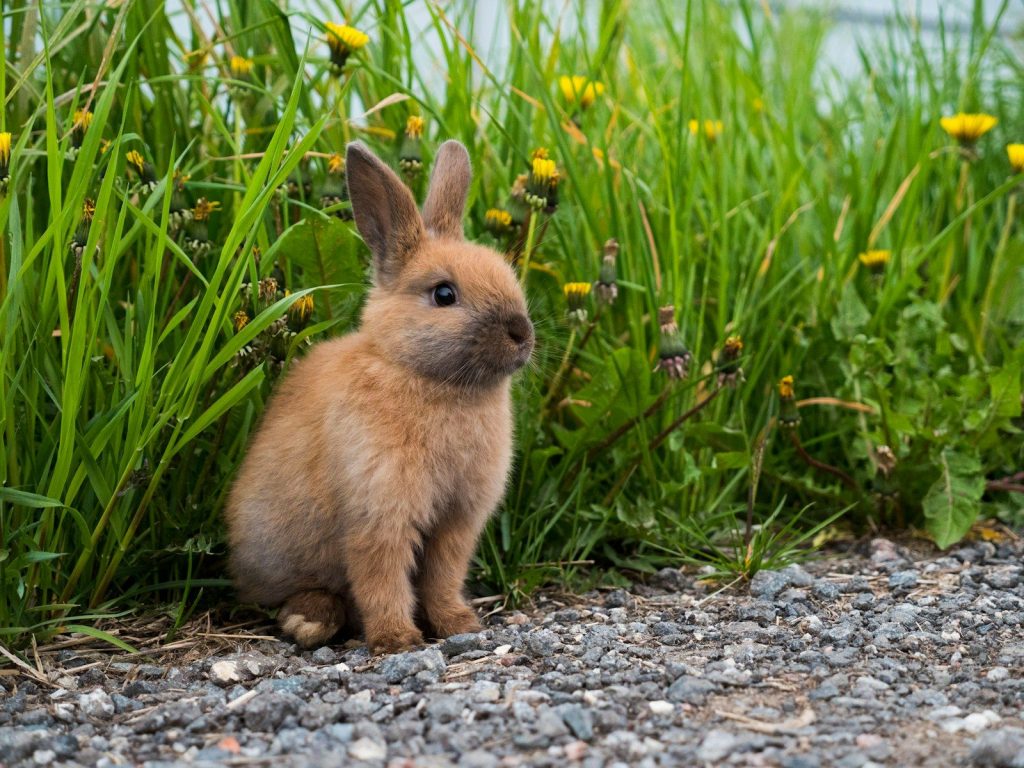
Domestic rabbits may appear similar to their wild counterparts, but they often lack the instincts needed to avoid predators. They can also have reduced endurance and survival behavior.
Without burrows or protective environments, they become easy targets in the wild. Even short-term survival can be challenging for many domestic breeds.
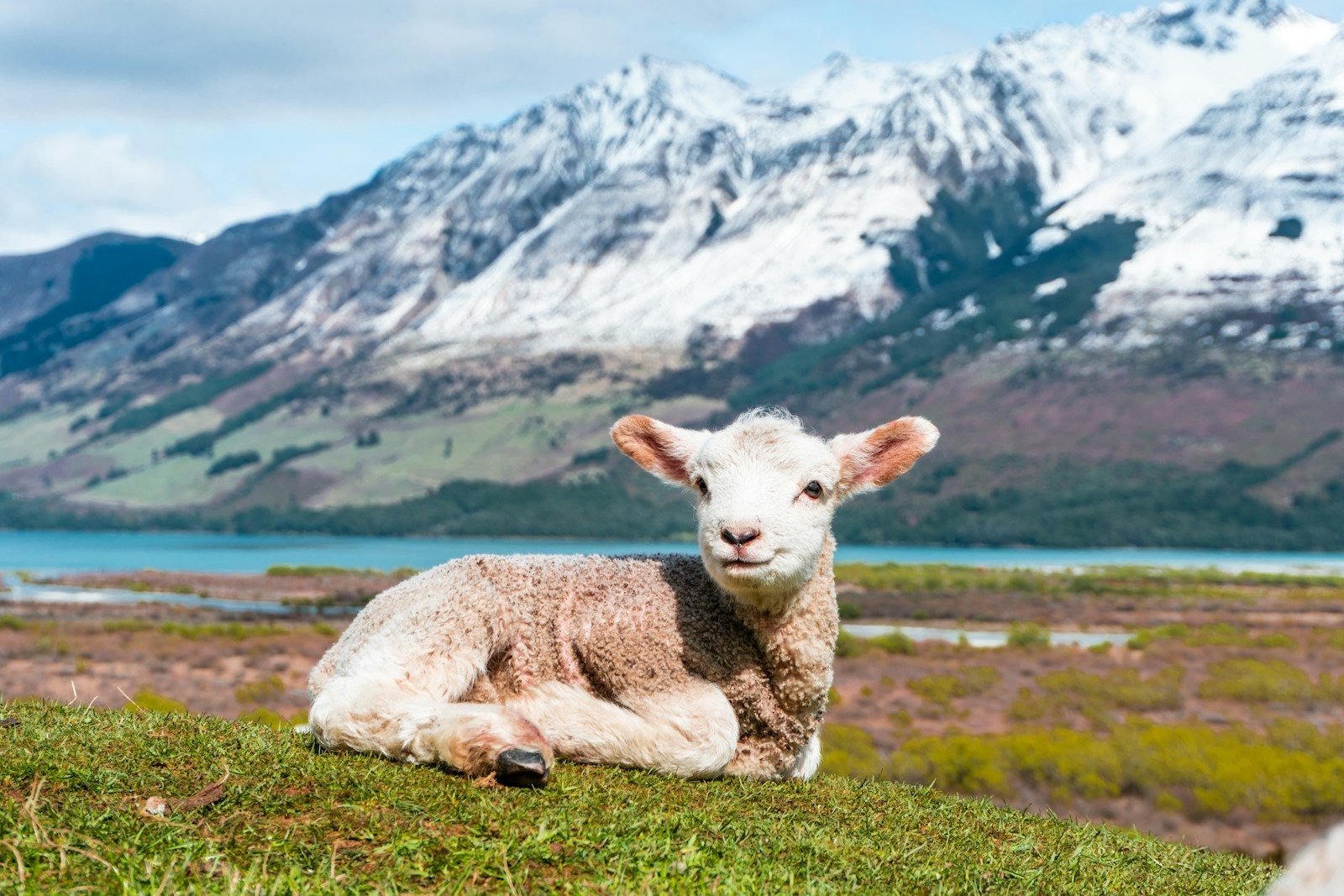
Sheep Rely on Herd Management
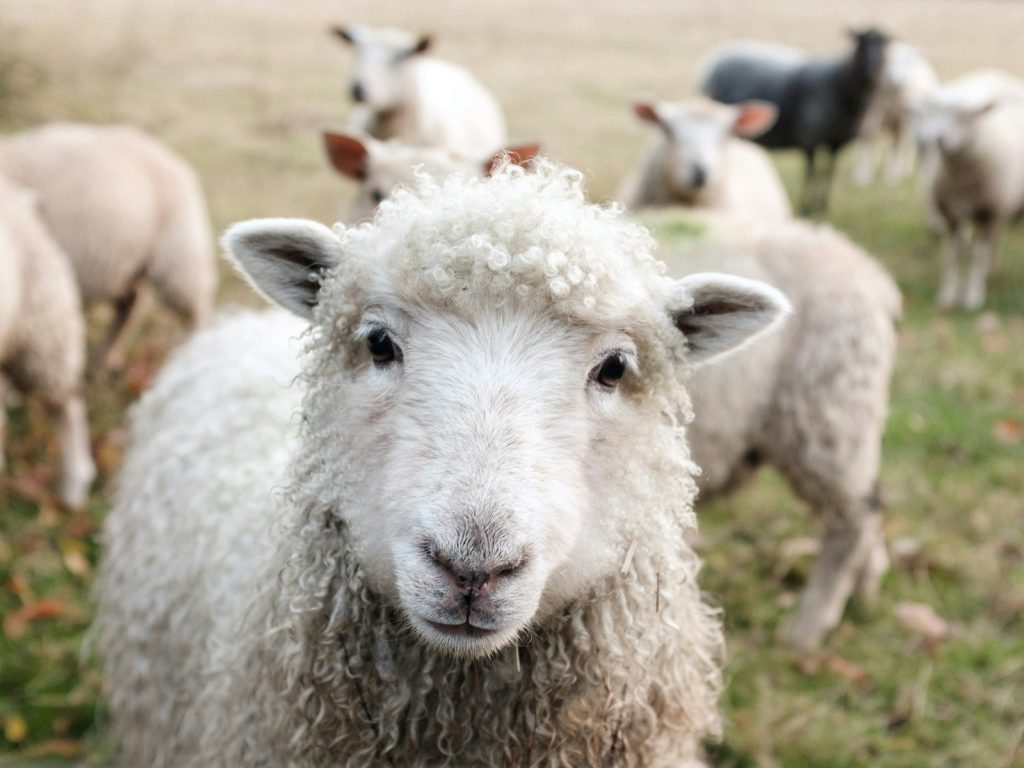
Sheep have been bred for wool and meat production, often at the expense of survival traits. They tend to rely heavily on flocking behavior and human management for safety.
In the wild, sheep are vulnerable to predators and environmental stress. Without shepherding or fencing, survival rates would drop quickly.
Pigs Can Survive, But Not All Domesticated Breeds
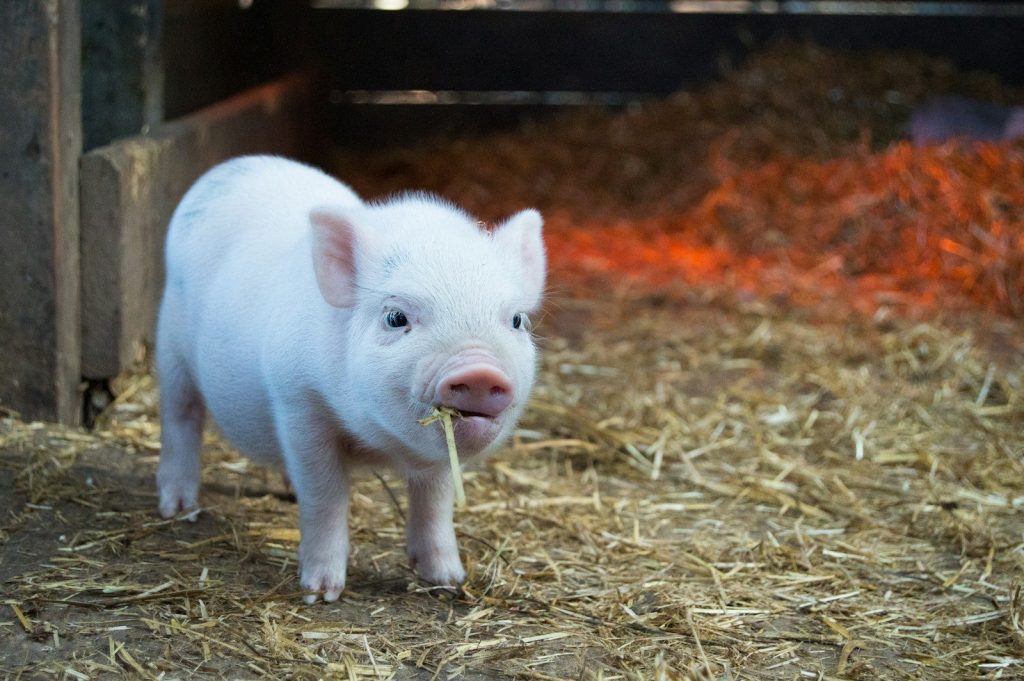
Some pigs can adapt to wild conditions, but many domestic breeds are not well suited for survival. Selective breeding has made them heavier and less agile in many cases.
While feral pigs exist and can thrive, domesticated farm pigs often lack the same survival edge. Environment and breed make a major difference.
Turkeys Are Poor Natural Flyers
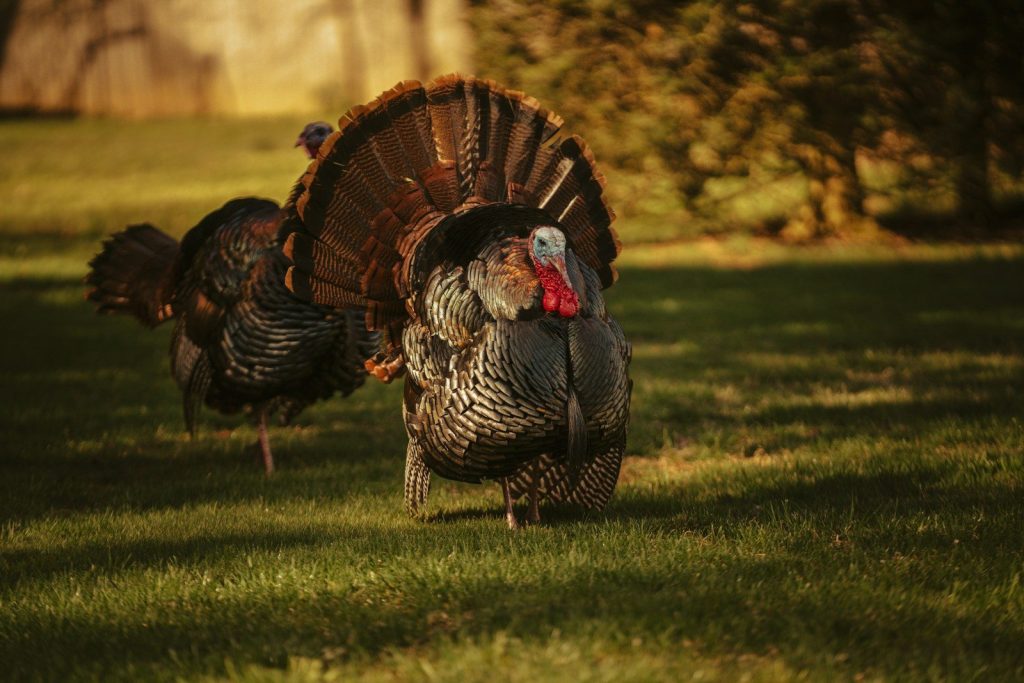
Domestic turkeys are much heavier than their wild ancestors and have limited flying ability. This makes escaping predators significantly harder.
In the wild, they would struggle with both mobility and awareness. Their survival is strongly tied to controlled environments.