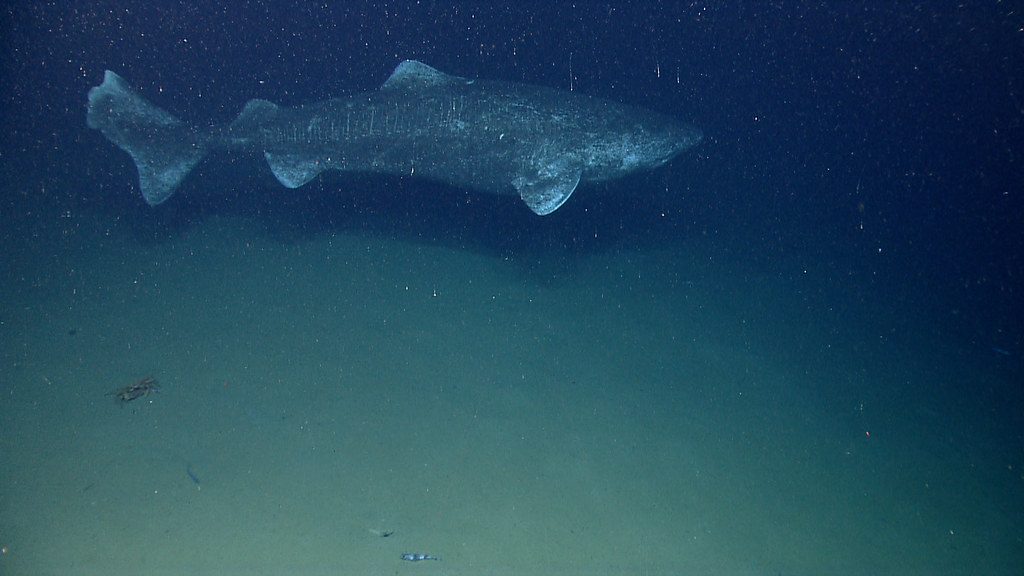
Deep beneath the icy waters of the Arctic and North Atlantic swims one of the most extraordinary animals on Earth. The Greenland shark is not only a formidable marine predator but also the longest-lived vertebrate ever discovered. Scientists believe some individuals alive today may have been born before 1776, meaning they were already swimming through the ocean when the United States had yet to exist.
A Living Relic From Centuries Past
The Greenland shark has fascinated researchers because of its incredible lifespan. Using radiocarbon dating techniques, scientists estimated that some individuals may be nearly 400 years old. While exact ages remain difficult to determine, the oldest sharks studied could have been born several centuries ago, making them among the oldest living animals on the planet.
How Scientists Determine Their Age
Most fish can be aged by examining growth rings in their bones or vertebrae. Greenland sharks are different because their skeletons are made largely of soft cartilage. Instead, researchers analyze proteins found in the sharks’ eye lenses. These proteins form before birth and remain unchanged throughout life, allowing scientists to estimate when the shark was born.
The Secret Lies in Their Slow Lifestyle
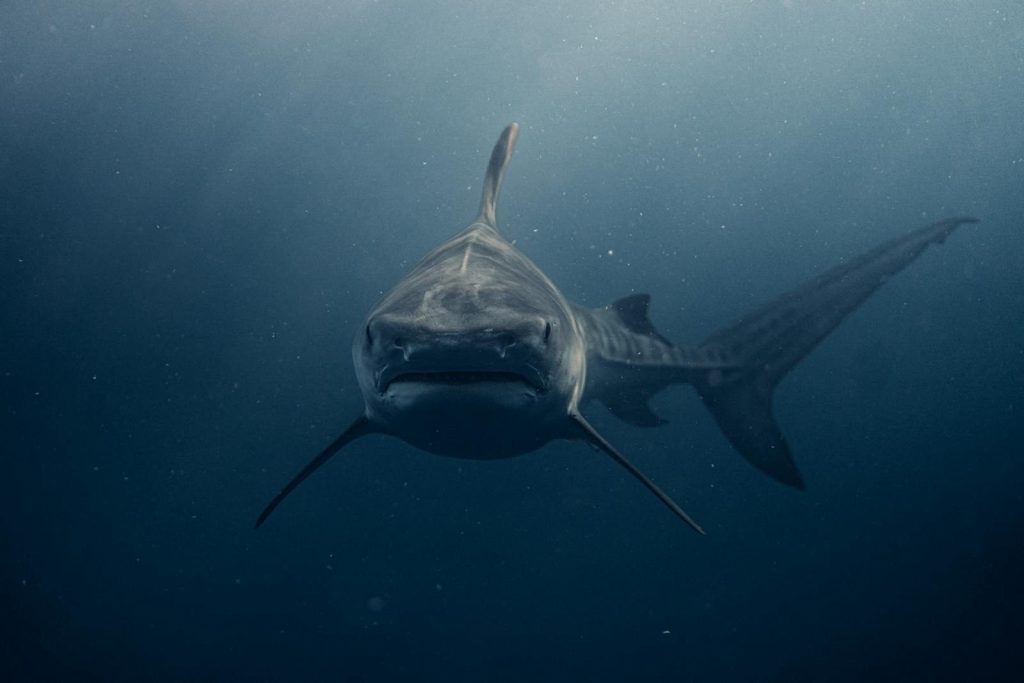
Greenland sharks move at an incredibly slow pace, typically cruising at less than one mile per hour. Their sluggish lifestyle is linked to an extremely slow metabolism, which helps them conserve energy in the freezing waters they call home. Scientists believe this reduced metabolic rate may also contribute to their remarkable longevity.
Taking More Than a Century to Reach Adulthood
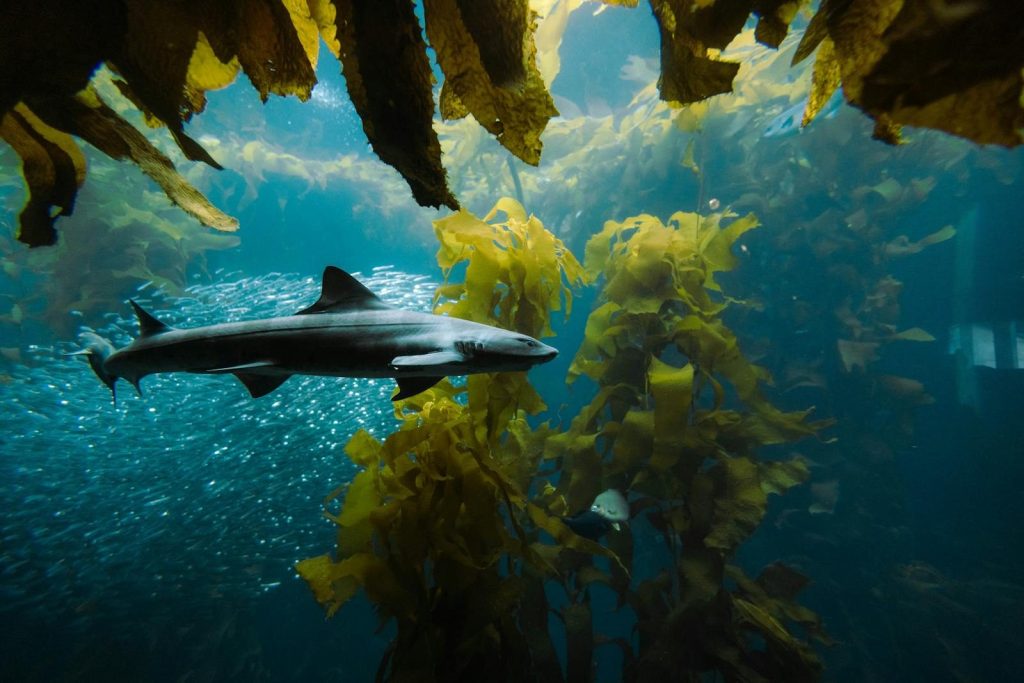
One of the most astonishing facts about Greenland sharks is how slowly they mature. Female sharks are thought to reach reproductive age at around 150 years old. By the time they are capable of producing offspring, several human generations may have already passed.
Strange Adaptations for Life in the Deep

These sharks possess several unusual traits. Many carry parasitic organisms attached to their eyes, which can impair vision. Despite this, they are highly effective hunters because they rely heavily on their exceptional sense of smell. Greenland sharks are also known to feed on fish, marine mammals, and carrion, making them both predators and scavengers in Arctic ecosystems.