Skip to content

Recent Posts

  • Study Highlights Welfare Concerns for Britain’s Often-Overlooked Working Donkeys
  • Hidden Mineral Deficiency May Be Quietly Reducing Farm Productivity, Veterinarians Warn
  • The Forgotten Butterfly Pioneer Finally Gets the Recognition She Deserves
  • How Volunteers Are Protecting Britain’s Most Vulnerable Shorebirds
  • The Abandoned Foal That Turned Into a Mission of Hope

Most Used Categories

  • Nature & Wildlife (253)
  • Risk (45)
  • Human Interest (20)
  • Hunting (17)
  • Survival (15)
  • Bees/Swarms fear (13)
  • Exotic Animals (9)
  • Suspense (6)
  • Adventure (3)
  • Gears (2)
Skip to content
  • About Us
  • Contact Us
  • Disclaimer
  • Privacy Policy
  • Terms & Conditions

Hive Hunters Tales

  • Suspense
  • Nature & Wildlife
  • Human Interest
  • Hunting
  • Bees/Swarms fear
  • Exotic Animals
  • Risk
  • Survival
  • Adventure
  • Gears
  • Home
  • Nature & Wildlife
  • The Oldest Animals on Earth and Their Incredible Lifespans
gray and yellow fish in water

The Oldest Animals on Earth and Their Incredible Lifespans

JakeJune 14, 2026June 14, 2026

Life on Earth comes in many forms, but some animals take longevity to an entirely different level. While most creatures live for only a few years or decades, a select group can survive for centuries, quietly witnessing generations of environmental change. From ancient sharks lurking beneath Arctic waters to ocean-dwelling invertebrates that seem almost immune to aging, these remarkable species continue to amaze scientists.

Greenland Shark May Live for Centuries
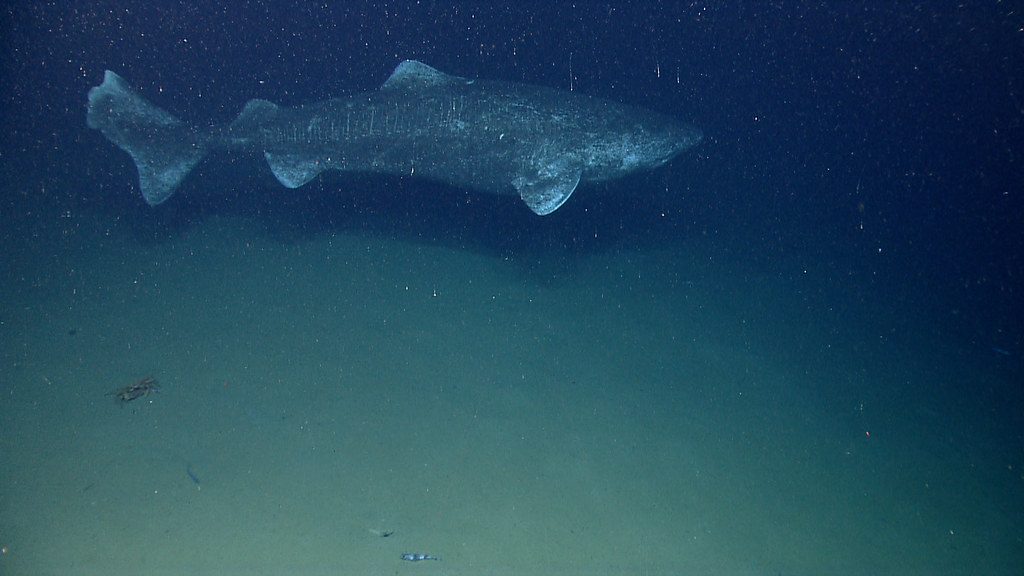
“expl9984” by NOAA Photo Library is licensed under CC BY 2.0

The Greenland shark is widely considered the longest-lived vertebrate on Earth. Found in the cold waters of the Arctic and North Atlantic, some individuals are estimated to be nearly 400 years old. Their slow metabolism, sluggish movements, and deep-water lifestyle are thought to contribute to their extraordinary lifespan.

Ocean Quahog Clams Can Survive for Hundreds of Years
a pile of coffee beans
Photo by henry perks on Unsplash

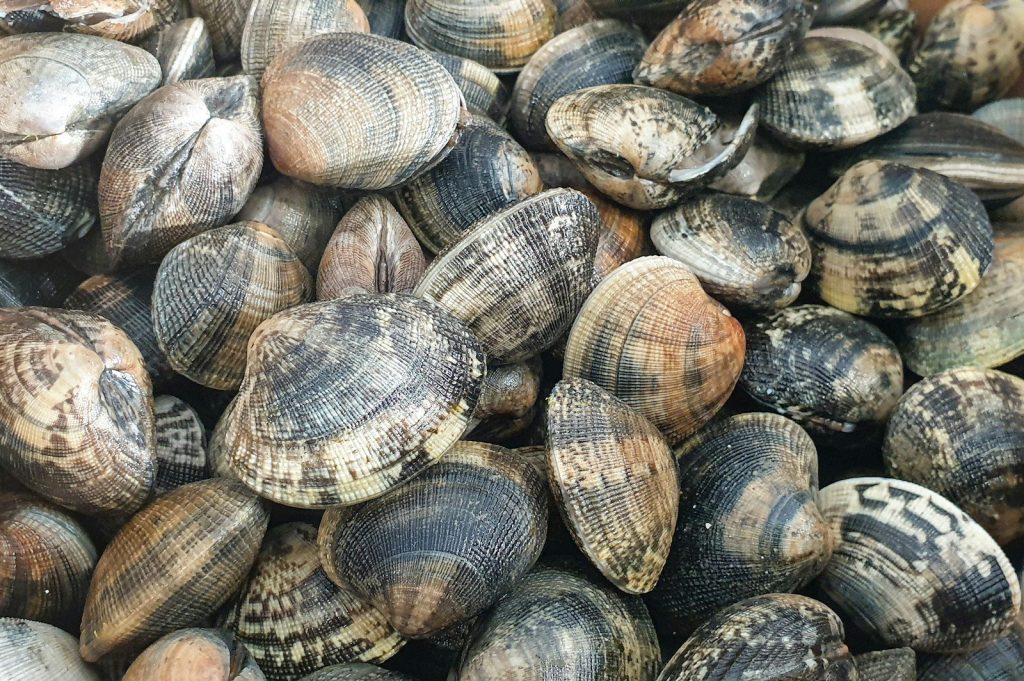
The ocean quahog is a small clam with an astonishing lifespan. Some specimens have been found to be more than 500 years old, making them among the longest-living non-colonial animals ever recorded. Scientists determine their age by counting growth rings in their shells, much like aging a tree.

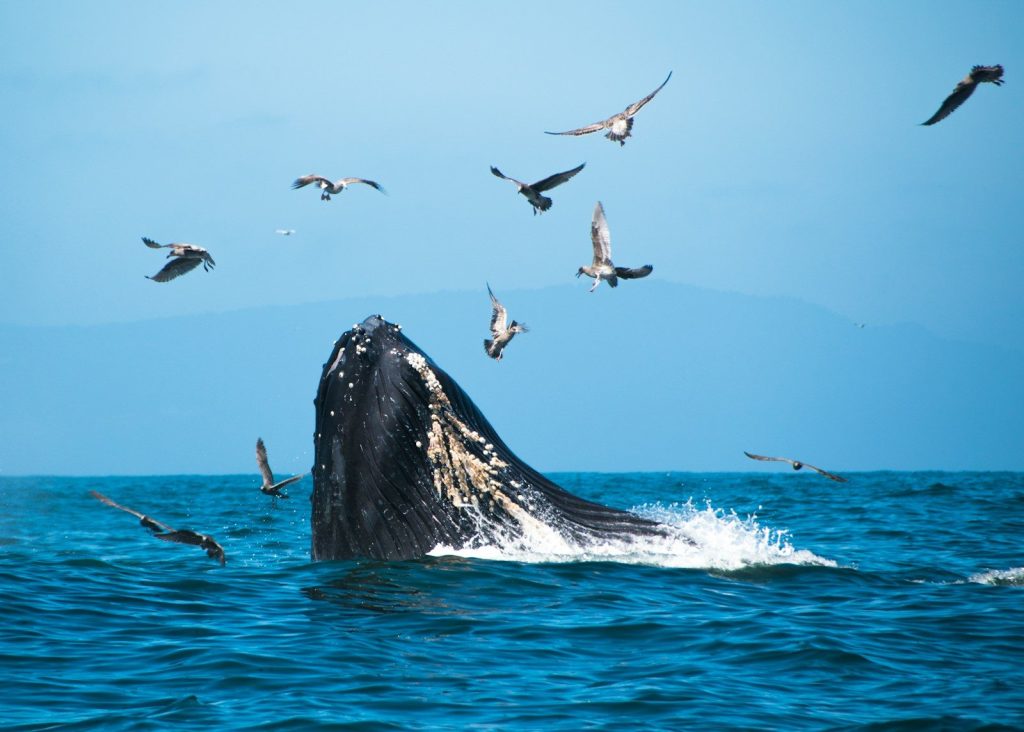
Bowhead Whales Are Giants of Longevity
flock of grey and black bird
Photo by Humberto Braojos on Unsplash

Bowhead whales are not only among the largest mammals on Earth but also among the longest-lived. Researchers estimate that some individuals can live for more than 200 years. Their ability to survive in harsh Arctic conditions and their unique biological traits continue to be the subject of scientific study.

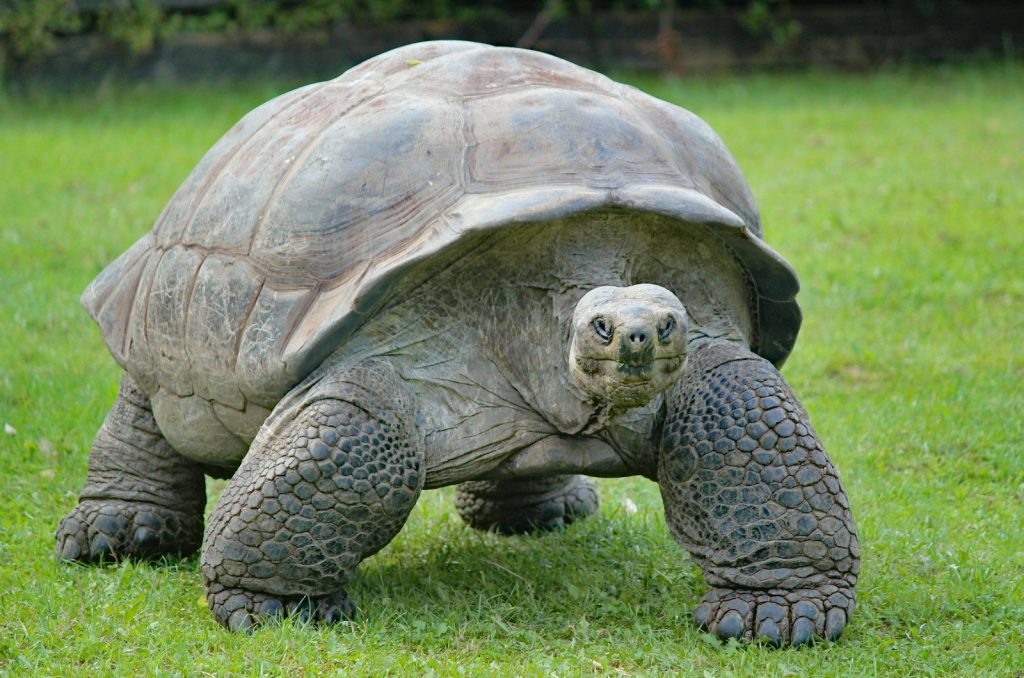
Giant Tortoises Are Famous for Long Lives
gray and black turtle
Photo by Dušan veverkolog on Unsplash

Giant tortoises have become symbols of longevity. Species found in places such as the Galápagos Islands and the Indian Ocean can live well beyond 100 years, with some individuals reaching ages of 150 years or more. Their slow-paced lifestyle and low metabolic rate may help explain their impressive lifespan.

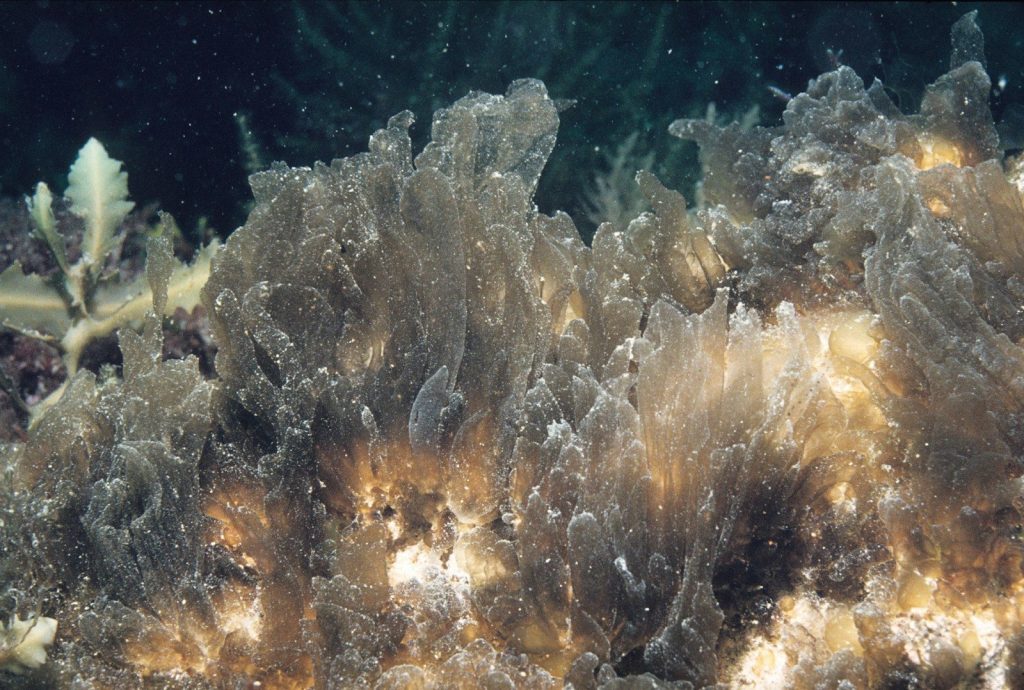
Glass Sponges Build Ancient Underwater Structures
brown and white coral reef
Photo by NOAA on Unsplash

Glass sponges are among the oldest living animals in the ocean. Some deep-sea specimens are believed to survive for thousands of years, forming delicate reef-like structures on the seafloor. Their slow growth and stable habitats allow them to persist for extraordinary lengths of time.

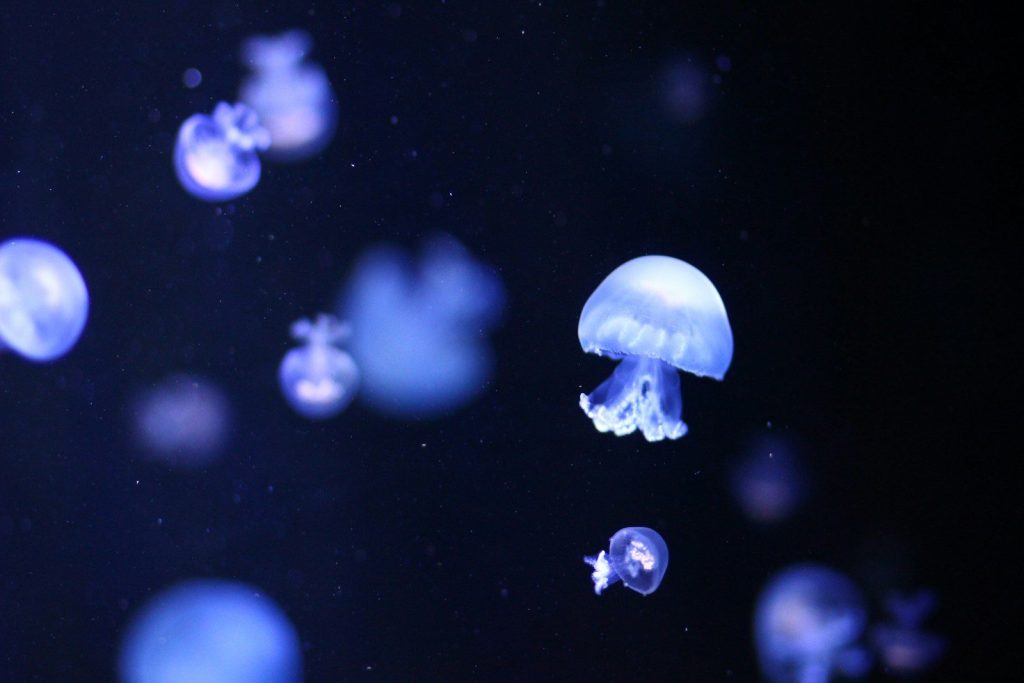
Jellyfish That Can Reverse Aging
jelly fish under the sea
Photo by Mathieu Turle on Unsplash

One species, often called the “immortal jellyfish,” has gained attention for its unusual ability to revert to an earlier stage of life after reaching adulthood. While individual jellyfish can still die from disease or predation, this remarkable process has made the species a fascinating subject for aging research.
Post navigation

Previous: Ethical Ways to Stop Animals Entering Your Yard
Next: The Shark That May Be Older Than the United States

Related Posts

Two donkeys standing next to each other near a fence

Study Highlights Welfare Concerns for Britain’s Often-Overlooked Working Donkeys

June 17, 2026June 17, 2026 Jake
brown and white cow on green grass field during daytime

Hidden Mineral Deficiency May Be Quietly Reducing Farm Productivity, Veterinarians Warn

June 17, 2026June 17, 2026 Jake
glanville fritillary, melitaea cinxia, butterfly, beautiful flowers, flower wallpaper, spring, beetle, branch, bough, stick, limb, blossom, flower, bloom, tillering, estonia, face, flower background, summer, parasite, bug, wildlife, outdoor, nature, forest, examine, probe

The Forgotten Butterfly Pioneer Finally Gets the Recognition She Deserves

June 17, 2026June 17, 2026 Jake

Leave a Reply Cancel reply

Your email address will not be published. Required fields are marked *

Recent Posts

  • Study Highlights Welfare Concerns for Britain’s Often-Overlooked Working Donkeys
  • Hidden Mineral Deficiency May Be Quietly Reducing Farm Productivity, Veterinarians Warn
  • The Forgotten Butterfly Pioneer Finally Gets the Recognition She Deserves
  • How Volunteers Are Protecting Britain’s Most Vulnerable Shorebirds
  • The Abandoned Foal That Turned Into a Mission of Hope
Copyright All Rights Reserved | Theme: BlockWP by Candid Themes.